Artwork
St. Jerome
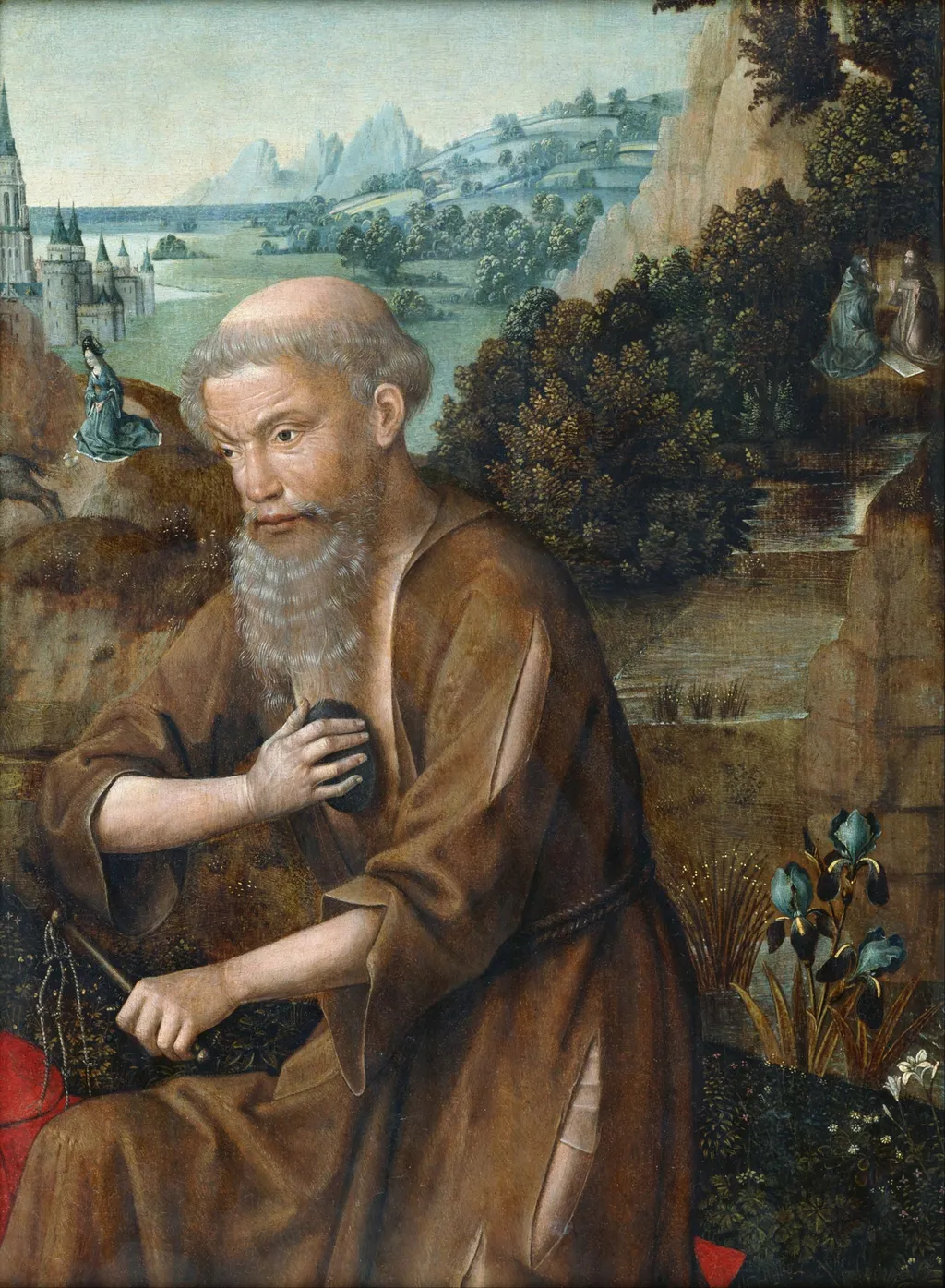
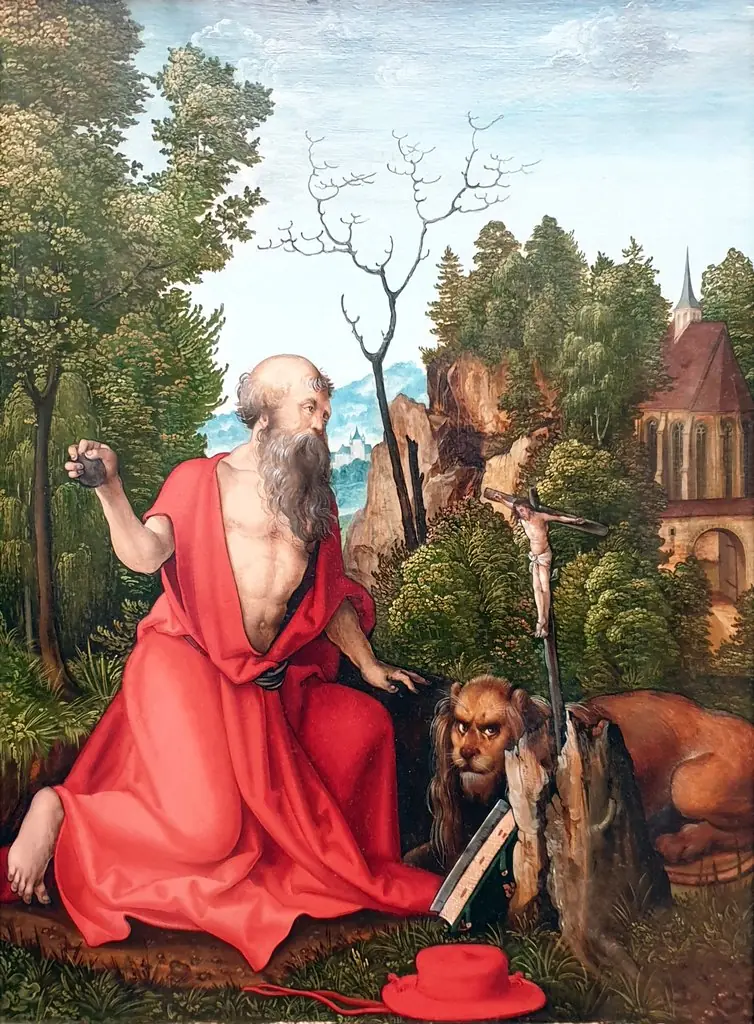
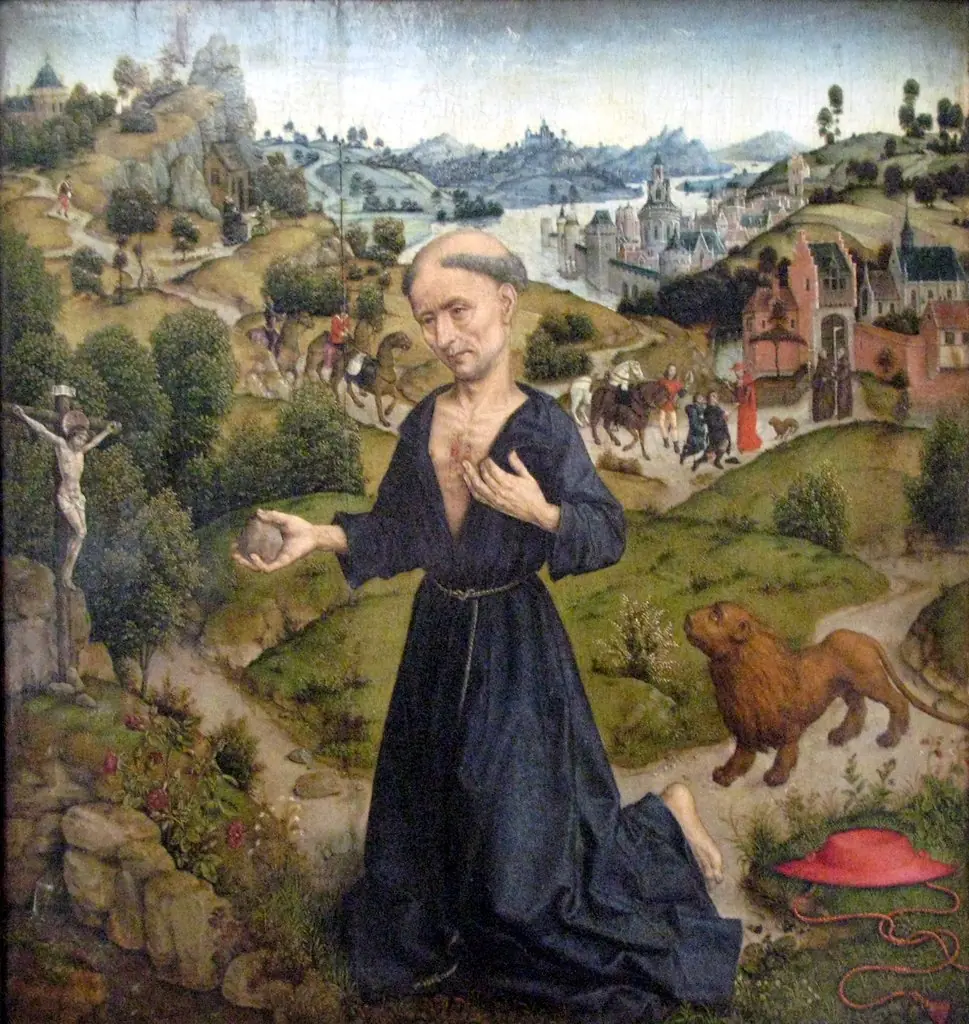
St. Jerome is an oil painting by Master of the Legend of Saint Lucy. It dates from 1550 and is held in the collection of the National Museum of Western Art.
About this work
Overview
Painted around 1550 in oil on panel, this portrait of Saint Jerome is attributed to an anonymous artist known as the Master of the Legend of Saint Lucy.
Painted around 1550 in oil on panel, this portrait of Saint Jerome is attributed to an anonymous artist known as the Master of the Legend of Saint Lucy. Active in Bruges during the late 15th and early 16th centuries, the artist is identified by a series of works linked to the saint’s hagiography. Though his real name is lost, his distinctive style—marked by meticulous detail and atmospheric landscapes—appears across several surviving panels, including this one.
Subject & Meaning
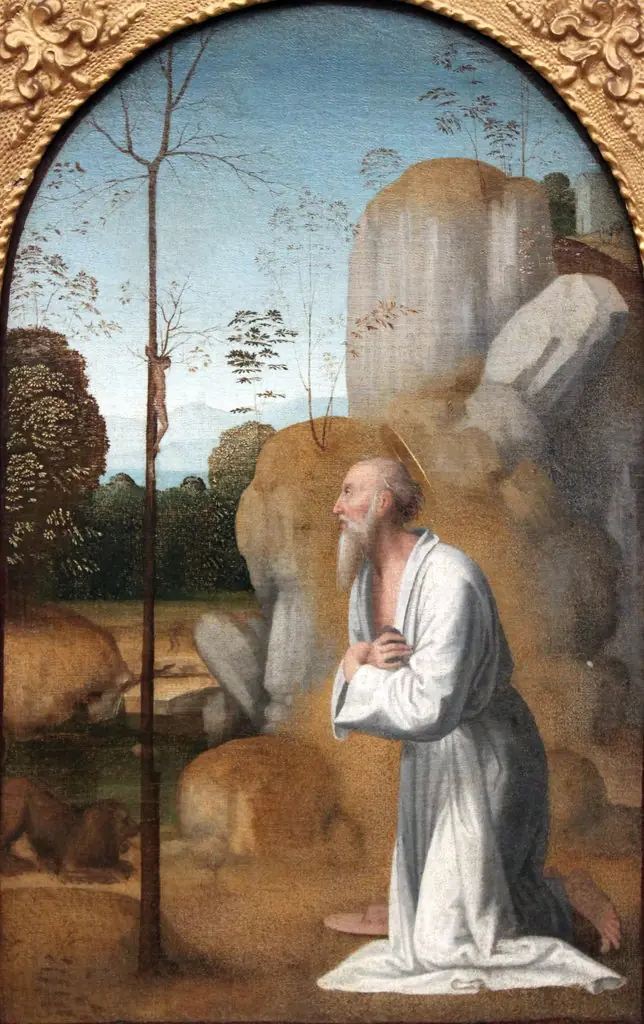
Saint Jerome, the 4th-century scholar and translator of the Bible into Latin, is shown in contemplative solitude. Clad in a brown robe and seated on a rocky outcrop, he holds a heavy object—likely a stone used for penance—and a staff, symbols of his ascetic life. His furrowed brow and distant gaze suggest deep intellectual or spiritual reflection, aligning with his reputation as a theologian. The quiet setting reinforces his role as a solitary seeker of divine truth.
Technique & Style
The artist employs fine brushwork to render textures—fabric folds, bark, distant architecture—with precision. Layers of translucent glaze create subtle shifts in light and shadow, enhancing the three-dimensionality of the figure and landscape. The background, rich in architectural and natural detail, extends the space beyond the foreground, a hallmark of Northern Renaissance painting. Color remains restrained, favoring earth tones to support the painting’s meditative tone.
History & Provenance
The painting’s early ownership is undocumented, but its style and subject place it within the devotional traditions of Bruges, where religious imagery was widely commissioned by both clergy and wealthy patrons. It likely originated as a private devotional piece, possibly for a chapel or domestic altar. The attribution to the Master of the Legend of Saint Lucy stems from stylistic comparisons with a known altarpiece in Bruges, though no definitive archival records confirm its commission or early history.
Context
This work emerged during a period when Northern European artists increasingly blended religious themes with detailed secular environments. Bruges, a thriving commercial center, provided artists with access to imported pigments and a clientele interested in personal piety. The inclusion of recognizable local landmarks—such as the belfry in other attributed works—reflects a growing interest in grounding sacred narratives within familiar, tangible landscapes.
Legacy
Though the artist’s identity remains obscure, his body of work contributes to the understanding of regional painting practices in the Southern Netherlands. His consistent use of landscape as both setting and symbolic element influenced later generations of Northern painters. The painting stands as an example of how devotional art in the early 16th century balanced spiritual introspection with a heightened realism rooted in the physical world.
Own this work as a print
Artist & collection
Artist
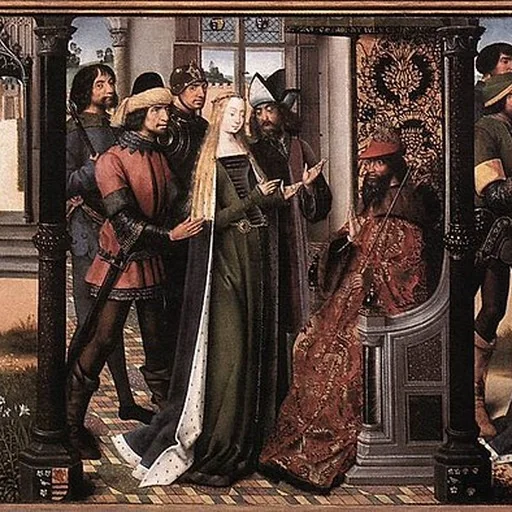
Master of the Legend of Saint Lucy
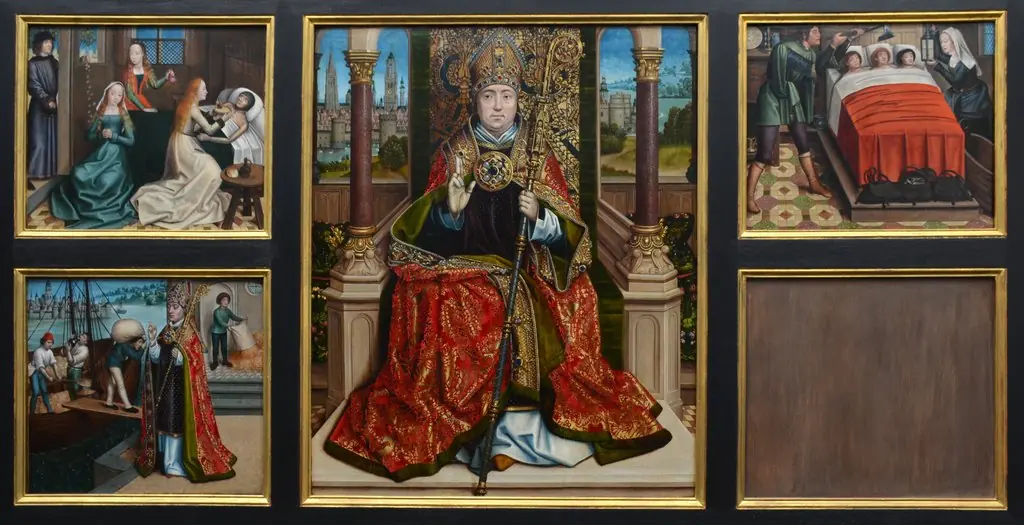
The Master of the Legend of Saint Lucy (fl. 1480–1510) was an unidentified Early Netherlandish painter from Bruges. His name comes from an altarpiece in the church of Saint James in Bruges, dated 1480, depicting three…

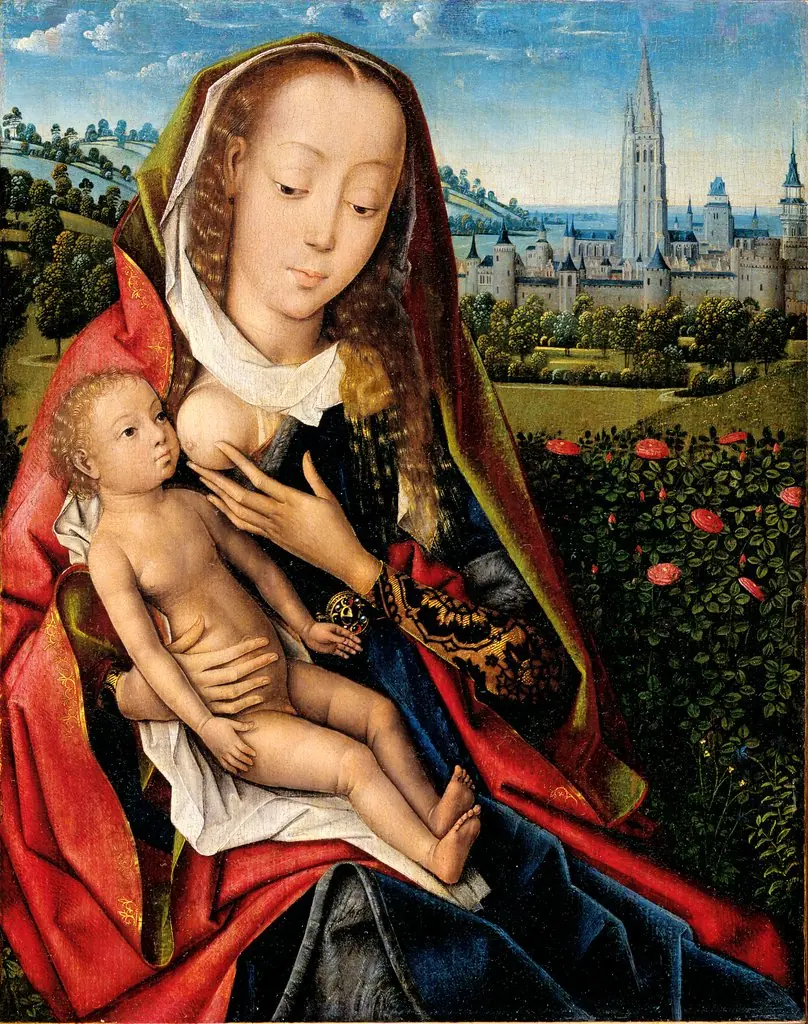
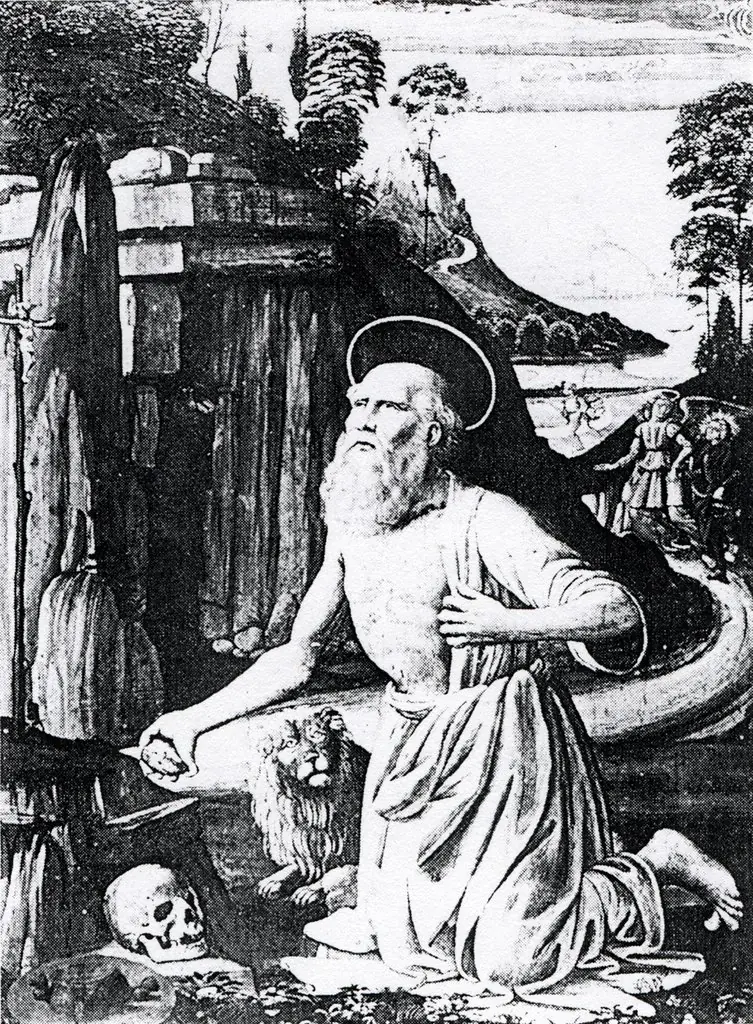 Saint Jerome
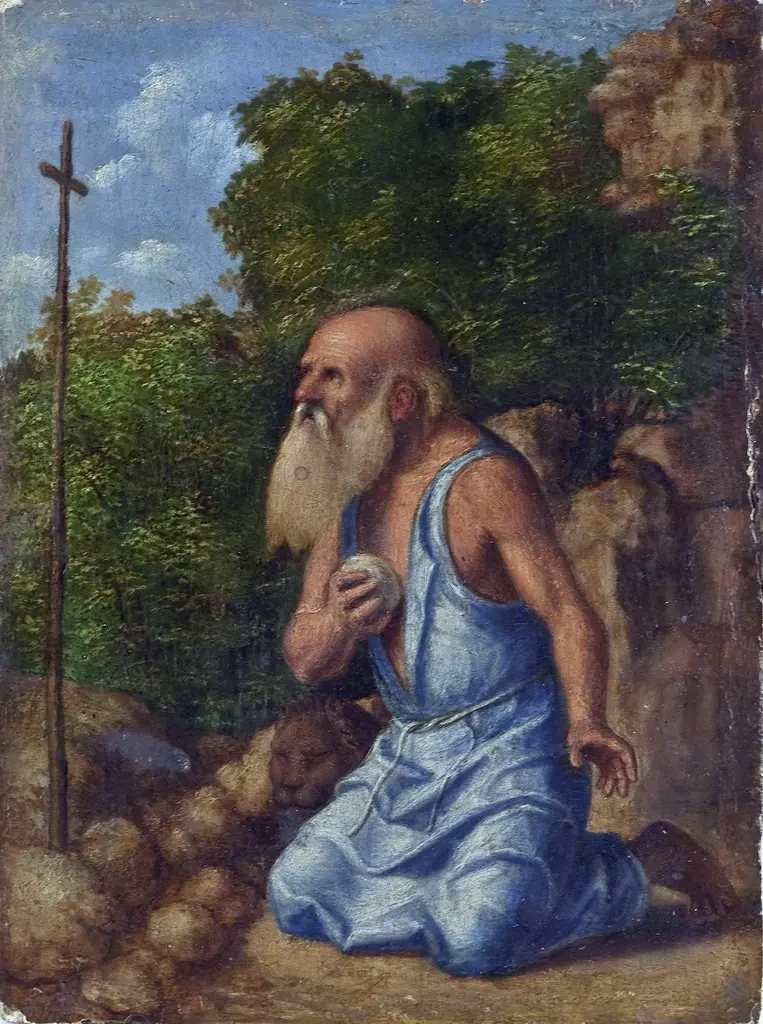 St Jerome in the Desert
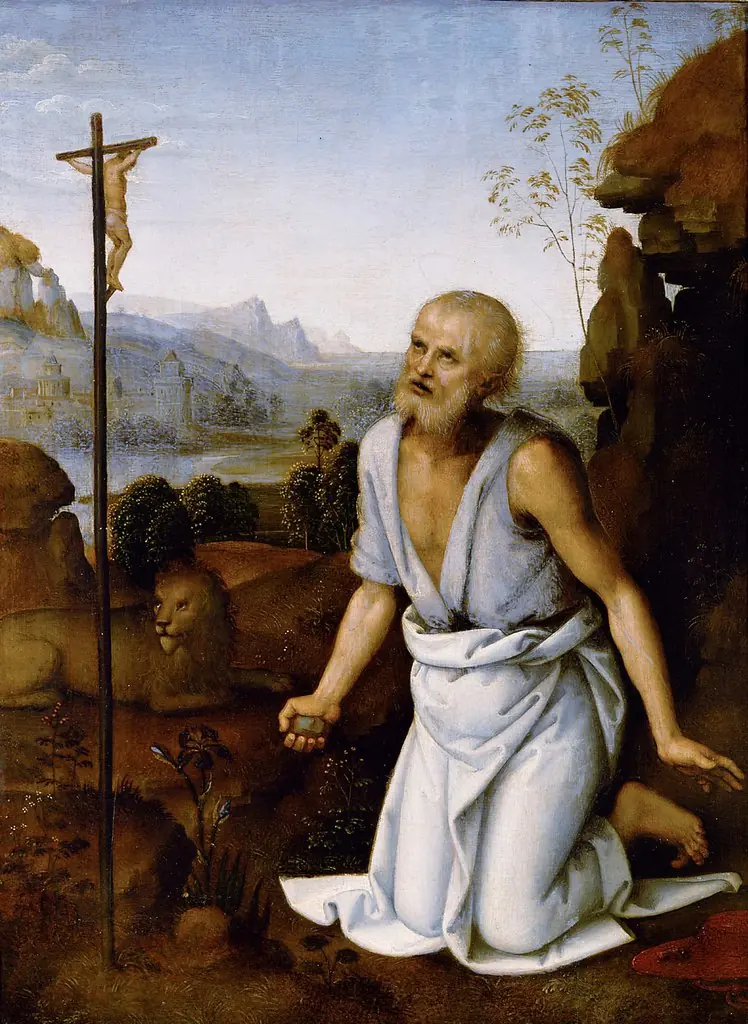 Saint Jerome Penitent
 Saint Jerome
 De boetvaardige H. Hieronymus in de woestijn
 Penitent saint Jerome
 John the Baptist in the Wilderness
 St. Jerome in Rocky Landscape
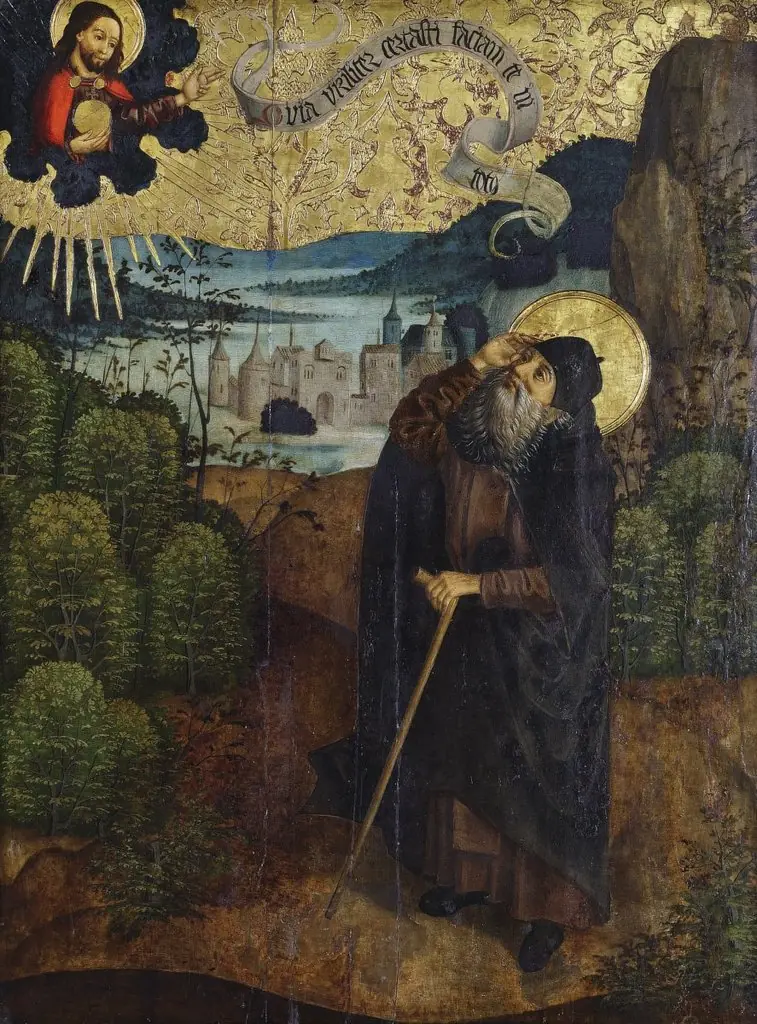 Vision of St. Anthony the Hermit, detail of an altar wing from the Church of Saint Anthony in Szepesbéla (today Spišská Belá, Slovakia)
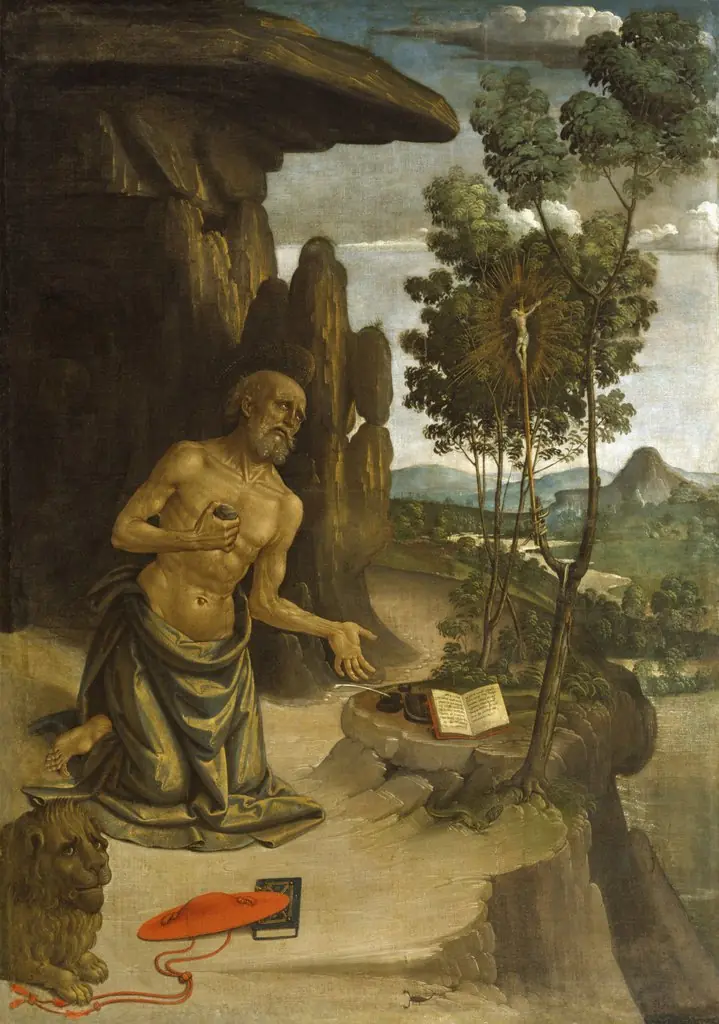 Saint Jerome in the Wilderness