Artwork
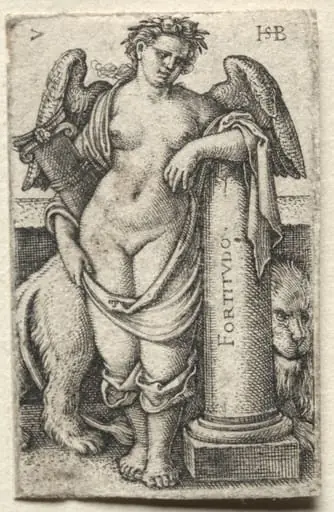
The Knowledge of God and the Seven Cardinal Virtues: Temperance - Temperancia
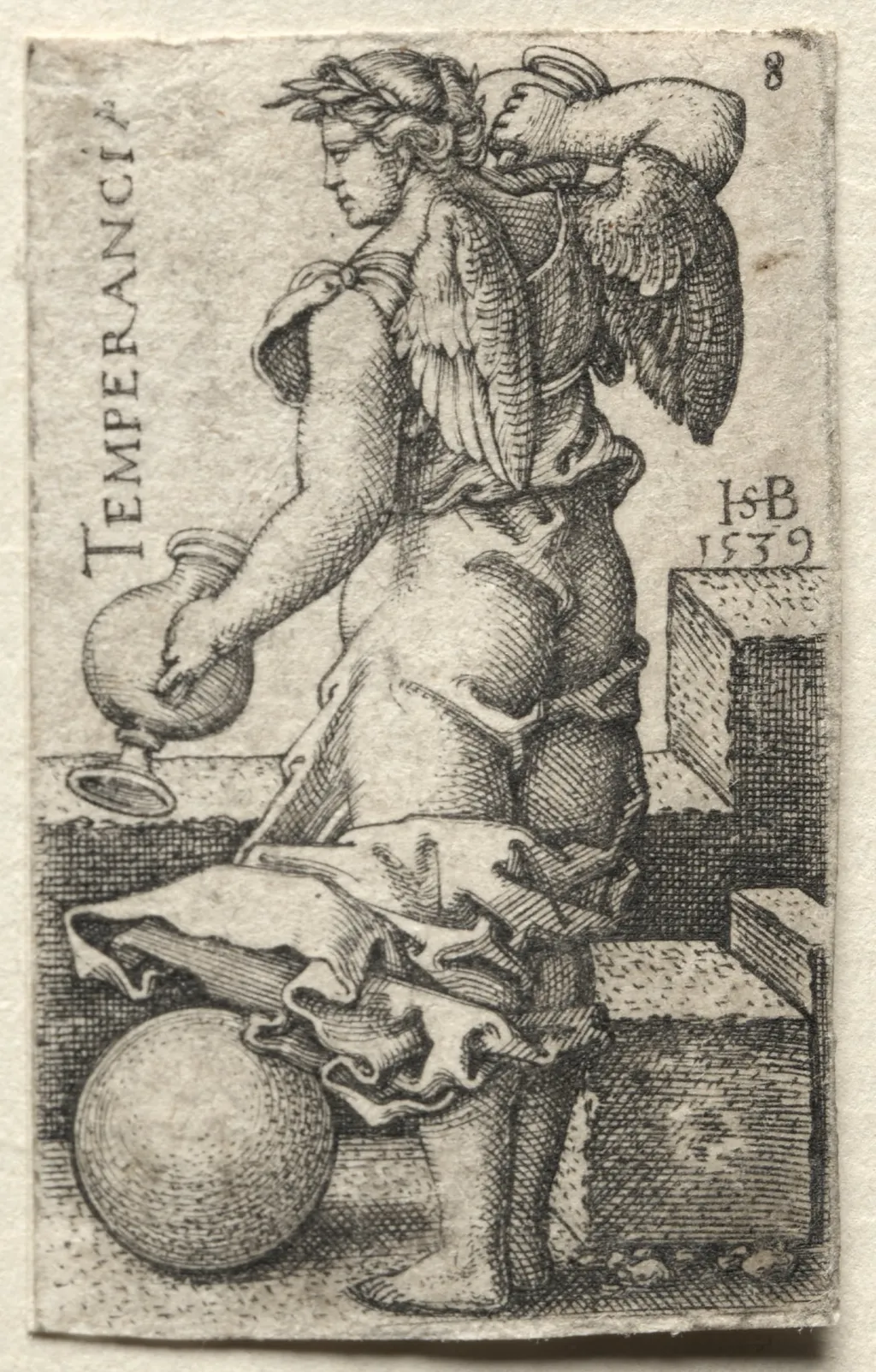
The Knowledge of God and the Seven Cardinal Virtues: Temperance - Temperancia is a print by Sebald Beham. It dates from 1535 and is held in the collection of the Cleveland Museum of Art.
About this work
Overview
Hans Sebald Beham created this small engraving around 1535 as part of a series illustrating the Seven Cardinal Virtues and divine knowledge.
Hans Sebald Beham created this small engraving around 1535 as part of a series illustrating the Seven Cardinal Virtues and divine knowledge. A member of the German 'Little Masters,' Beham specialized in finely detailed prints, continuing the tradition of Albrecht Dürer while focusing on intimate, intricate compositions. This piece, one of seven, presents Temperance as a personified figure within a symbolic framework meant to guide moral reflection.
Subject & Meaning
Temperance is depicted as a winged female figure, embodying restraint and balance. She pours liquid from a pitcher into a bowl, symbolizing the measured use of resources and the control of desire. Her serene expression and poised stance reinforce the virtue’s association with inner calm. The ball beneath her feet may allude to the world’s instability, suggesting that temperance provides grounding amid chaos.
Technique & Style
Beham employed fine-line engraving to render delicate textures in the figure’s drapery and wings, demonstrating exceptional precision. The composition is tightly focused, with minimal background detail to emphasize the central form. Light tonal contrasts enhance the figure’s presence, while the smooth, flowing lines contribute to an atmosphere of quiet dignity. The scale of the print invites close, contemplative viewing.
History & Provenance
Created during Beham’s time in Nuremberg, the engraving was likely produced for a learned audience familiar with humanist and religious symbolism. As part of a larger series, it circulated among collectors and scholars in German-speaking regions. Its survival in multiple institutional collections suggests early recognition of its artistic and moral significance within Renaissance print culture.
Context
In early 16th-century Germany, allegorical imagery was widely used to convey ethical teachings amid religious upheaval. Beham’s series responded to a cultural demand for visual moral instruction, blending classical virtue traditions with Christian doctrine. The emphasis on individual conduct reflected broader humanist interests in personal responsibility and the cultivation of virtue through reason.
Legacy
Beham’s engraving contributed to the enduring visual language of the cardinal virtues in Northern European art. Though less celebrated than Dürer’s work, his precise technique and symbolic clarity influenced later printmakers. The series remains a key example of how small-scale prints served as vehicles for philosophical and moral discourse in the Reformation era.
Artist & collection
Artist
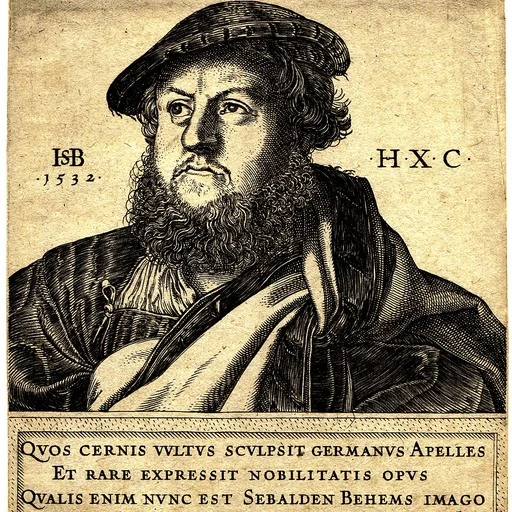
Sebald Beham (1500–1550) was a German painter and printmaker, mainly known for his very small engravings.


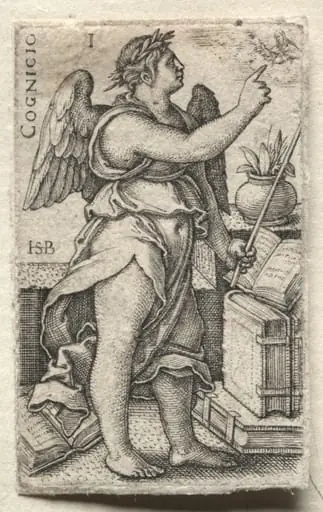 The Knowledge of God and the Seven Cardinal Virtues: Knowledge of God - Cognicio
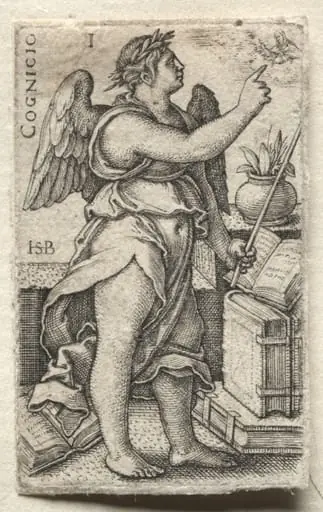 The Knowledge of God and the Seven Cardinal Virtues
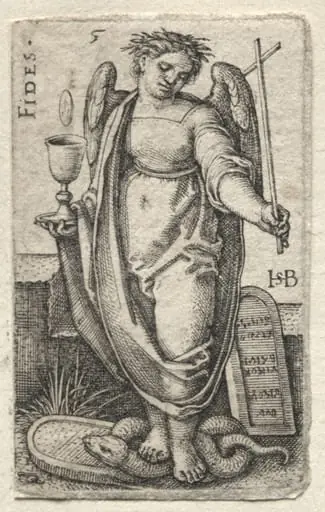 The Knowledge of God and the Seven Cardinal Virtues: Fidelity - Fides
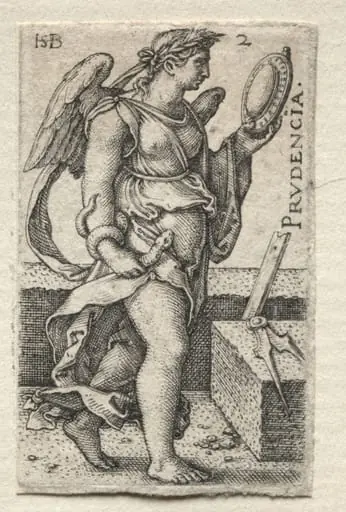 The Knowledge of God and the Seven Cardinal Virtues: Prudence - Prudencia
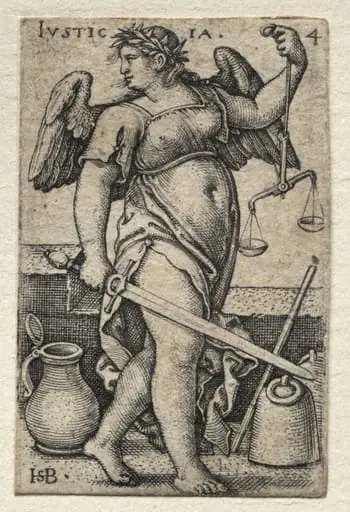 The Knowledge of God and the Seven Cardinal Virtues: Justice - Justicia
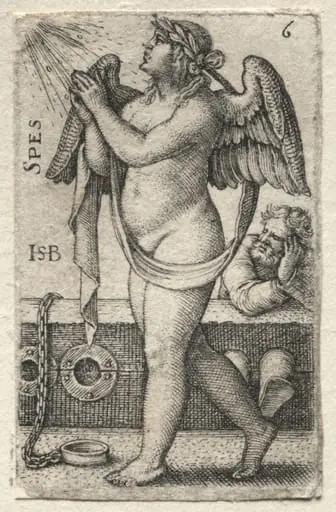 The Knowledge of God and the Seven Cardinal Virtues: Hope - Spes
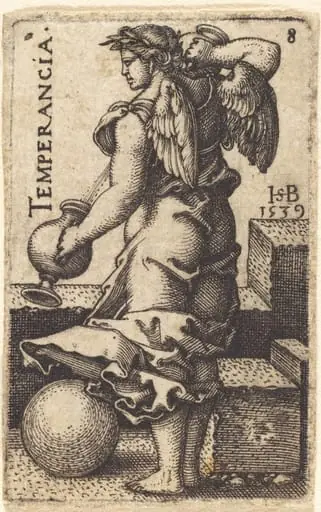 Temperancia (Temperance)
 The Knowledge of God and the Seven Cardinal Virtues: Fortitude - Fortitudo