Artwork
Red-necked Grebe
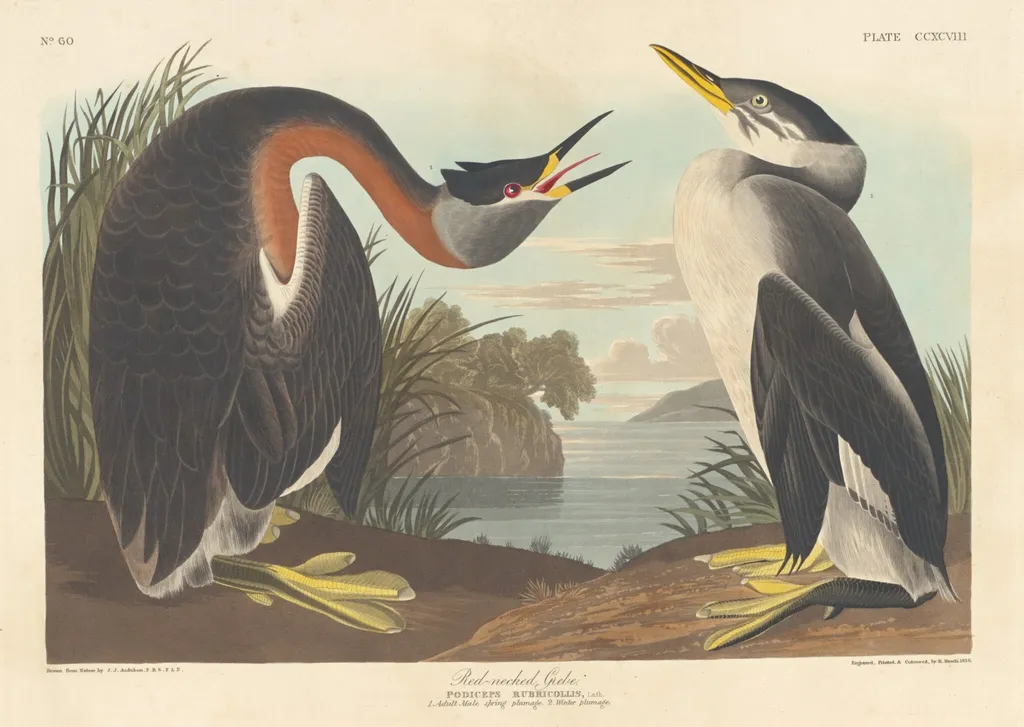
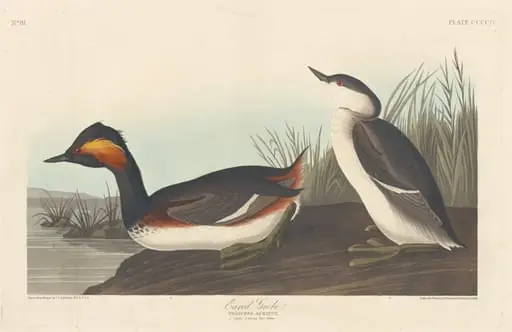
Red-necked Grebe is an ink print by the Romanticist artist Robert Havell Jr.. It dates from 1836 and is held in the collection of the National Gallery of Art.
About this work
Overview
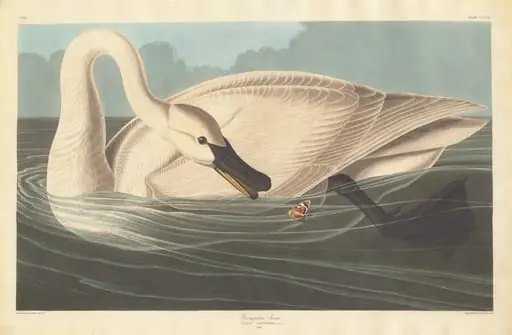
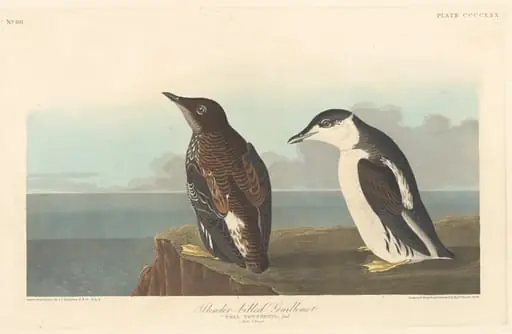
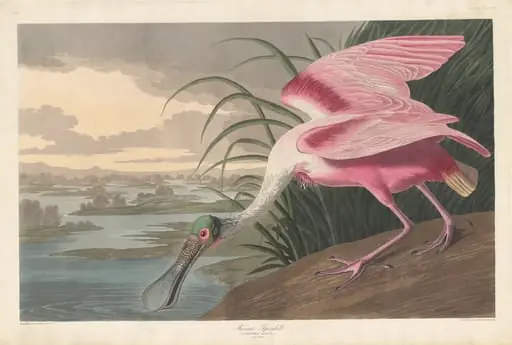
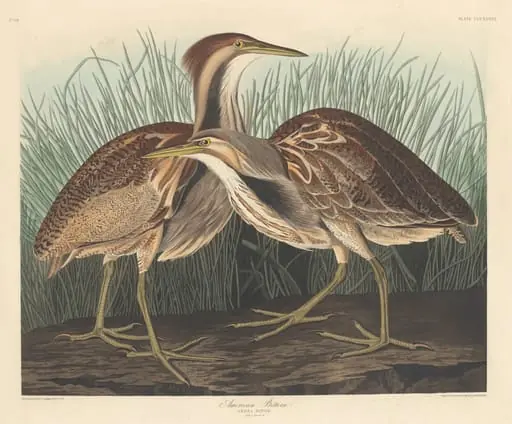
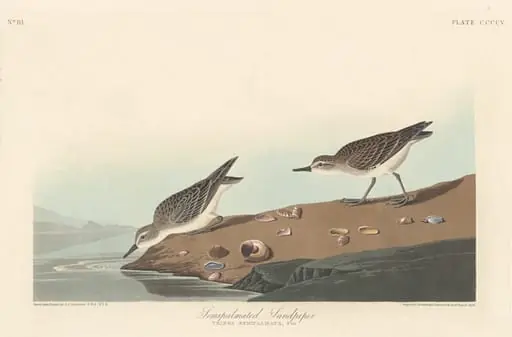
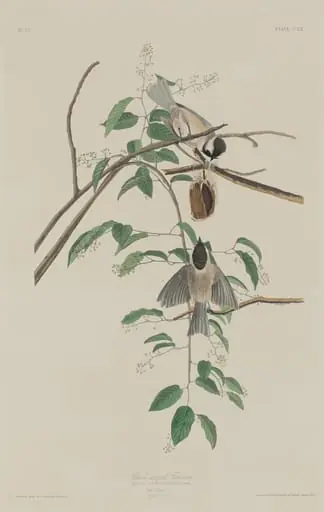
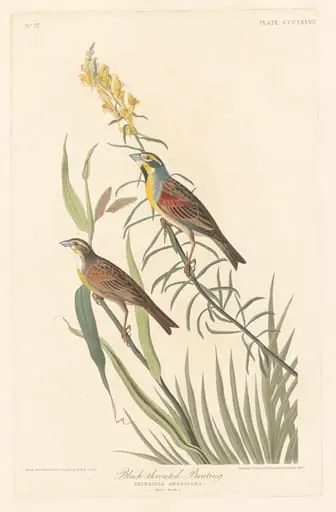
Created in 1836 by Robert Havell Jr., this print is a hand-colored engraving and aquatint on Whatman wove paper. It forms part of a broader project documenting North American birds, executed with precision and care. Havell, trained in a family of engravers, specialized in translating naturalist observations into detailed printed images, blending scientific accuracy with aesthetic refinement.
Subject & Meaning
Set against a quiet waterscape with sparse shoreline vegetation, the image conveys the bird’s natural habitat without anthropomorphic flourish.
The red-necked grebe is depicted in profile, head turned right, beak slightly open as if vocalizing. Its distinctive reddish neck plumage contrasts with a black-and-white body, yellow beak, and feet. Set against a quiet waterscape with sparse shoreline vegetation, the image conveys the bird’s natural habitat without anthropomorphic flourish. The focus remains on biological detail, reflecting the era’s emphasis on observational natural history.
Technique & Style
Havell employed aquatint to achieve subtle tonal gradations, particularly in the water and feather textures, while fine engraving defined structural contours. Hand-coloring was applied with restraint, enhancing realism without overt embellishment. The use of Whatman wove paper, prized for its smooth surface and durability, allowed for delicate ink and pigment application, supporting the print’s lifelike clarity and depth.
History & Provenance
The print originated from Robert Havell Jr.’s work on John James Audubon’s *Birds of America*, where he served as principal engraver. His family, based in Reading, Berkshire, had long been involved in printmaking and had ties to British and Indian artistic traditions. This piece was likely produced in London between 1835 and 1839, during the serial publication of Audubon’s folio, and circulated among scientific and collector circles.
Context
Produced during a period of intense naturalist inquiry, the image aligns with early 19th-century efforts to systematically document wildlife. While Audubon provided the sketches, Havell’s technical skill translated them into reproducible forms for scholarly and public audiences. The print reflects a moment when art and science converged, prioritizing fidelity to nature over romanticized interpretation.
Legacy
Havell’s prints, including this one, remain valued for their technical mastery and contribution to ornithological documentation. Though overshadowed in popular memory by Audubon’s name, Havell’s role was essential in achieving the project’s visual authority. His work influenced later natural history illustration, setting standards for precision and tonal nuance in printed wildlife imagery.
Artist & collection

Artist
The Havell family of Reading, Berkshire, England, included a number of notable engravers, etchers and painters, as well as writers, publishers, educators, and musicians.