Artwork
Black-capped Titmouse
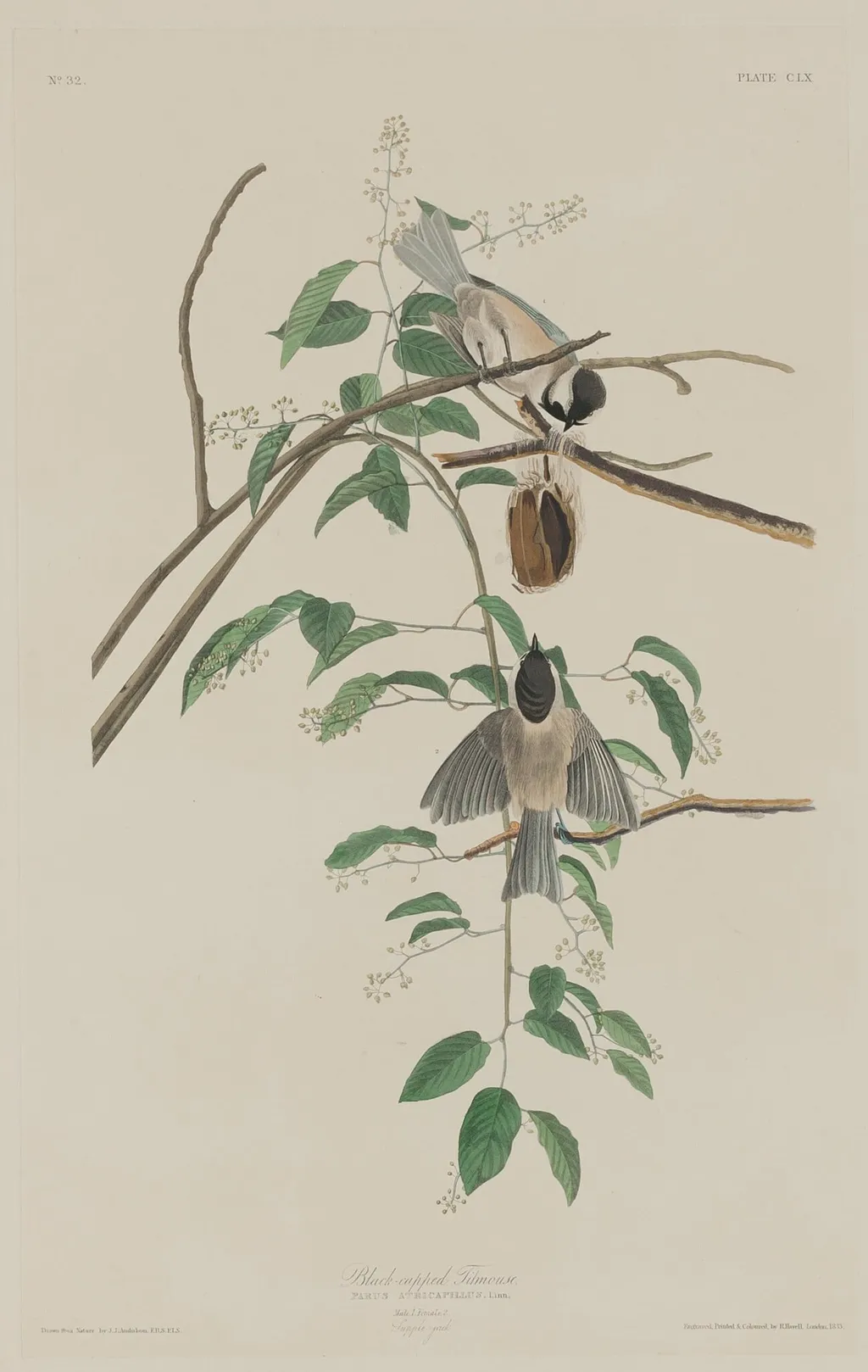
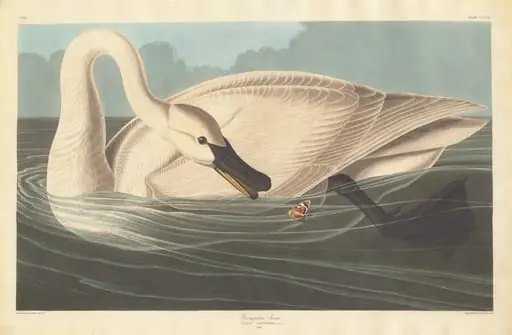
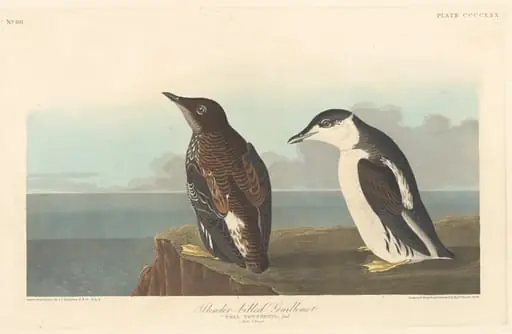
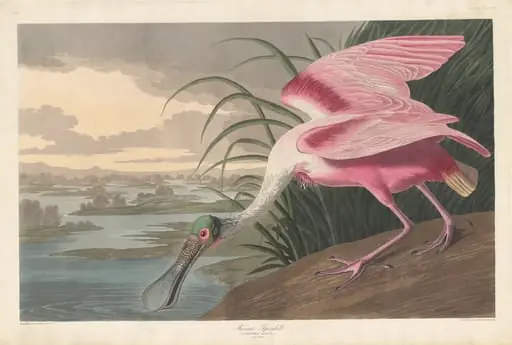
Black-capped Titmouse is an ink print by the Romanticist artist Robert Havell Jr.. It dates from 1833 and is held in the collection of the National Gallery of Art. Created in 1833, the print titled *Black‑capped Titmouse* combines hand‑colored engraving with aquatint on a sheet of Whatman wove paper.
About this work
Overview
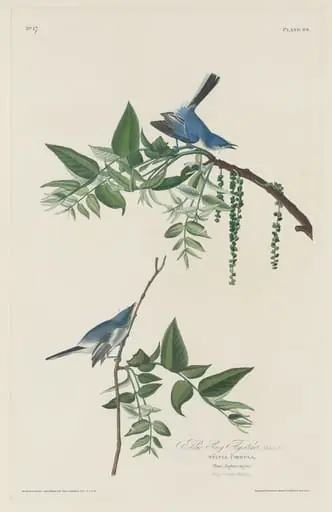
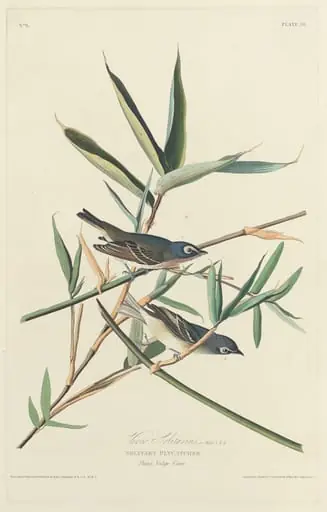
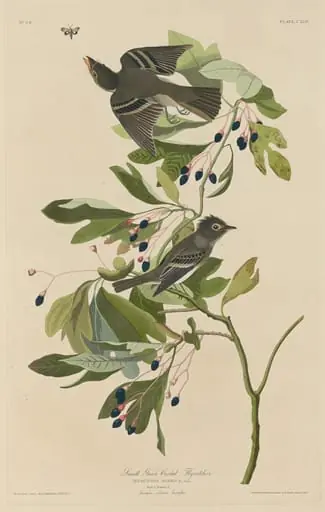
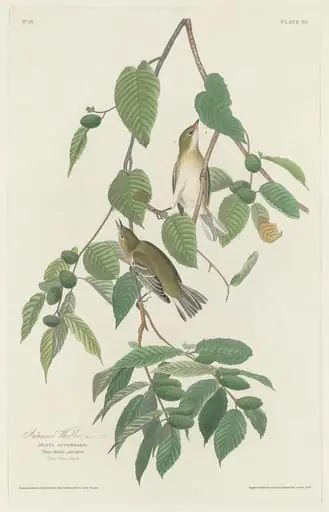
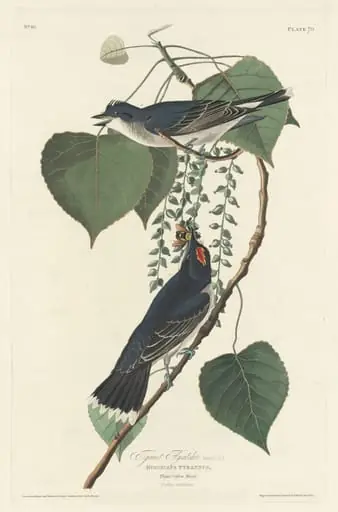
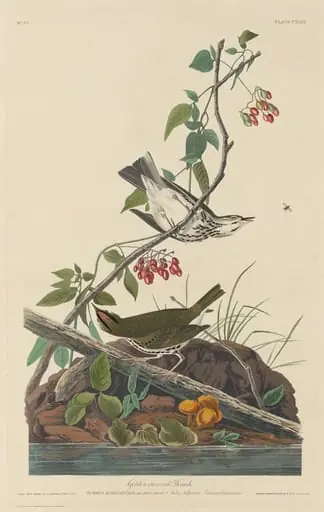
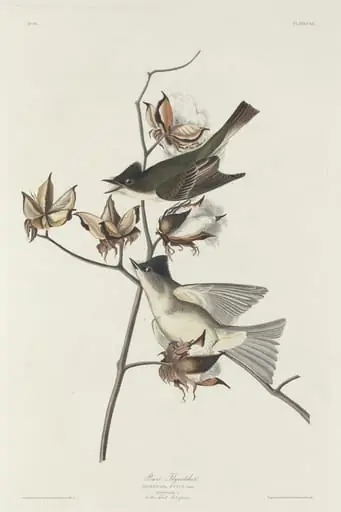
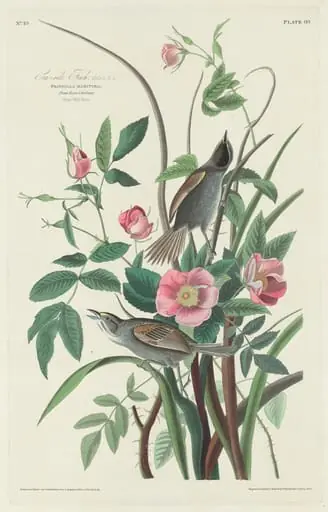
Created in 1833, the print titled *Black‑capped Titmouse* combines hand‑colored engraving with aquatint on a sheet of Whatman wove paper. The image presents two small songbirds perched on a leafy branch, their feathers rendered in delicate line work and subtle coloration that emphasizes naturalistic detail.
Subject & Meaning
The work portrays the black‑capped titmouse, a diminutive North American passerine, alongside a second bird of similar size. Both are shown on a branch adorned with green foliage and pale berries, with empty nests suspended nearby, highlighting aspects of the birds’ habitat and behavior as observed by naturalists of the era.
Technique & Style
Havell employed fine engraving lines to define feather texture, while aquatint provided tonal washes that suggest volume and depth. Hand‑applied color enhances the soft, realistic palette, and the use of Whatman wove paper contributes to a smooth surface that supports the intricate detail characteristic of early‑19th‑century scientific illustration.
History & Provenance
The Havell workshop was known for its expertise in aquatint, a medium they applied to a range of subjects, including depictions of Indian flora and fauna.
The print is the work of Robert Havell Jr., a member of a prominent family of British engravers. He followed the practice established by his father, Robert Havell the Elder, and his uncle, Luke Havell, both noted for their contributions to natural history publishing. The Havell workshop was known for its expertise in aquatint, a medium they applied to a range of subjects, including depictions of Indian flora and fauna.
Context
Produced during a period of expanding ornithological study, the image reflects the broader Victorian interest in cataloguing and illustrating wildlife. Prints such as this were often used in scientific texts and periodicals to convey accurate visual information before the advent of photography.
Artist & collection

Artist
The Havell family of Reading, Berkshire, England, included a number of notable engravers, etchers and painters, as well as writers, publishers, educators, and musicians.