Artwork
American Bittern
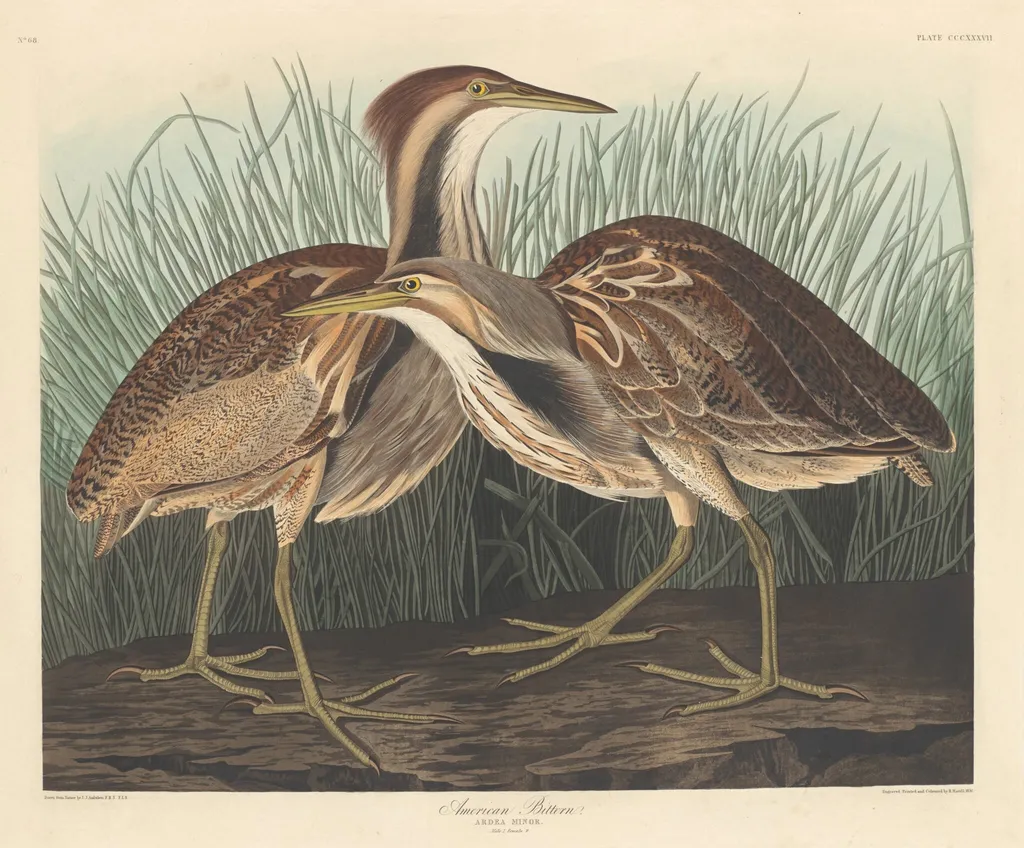
American Bittern is an ink print by the Romanticist artist Robert Havell Jr.. It dates from 1836 and is held in the collection of the National Gallery of Art.
About this work
Overview
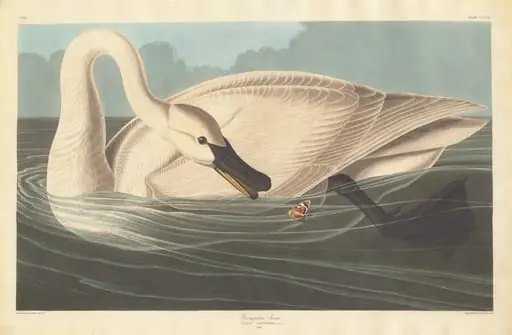
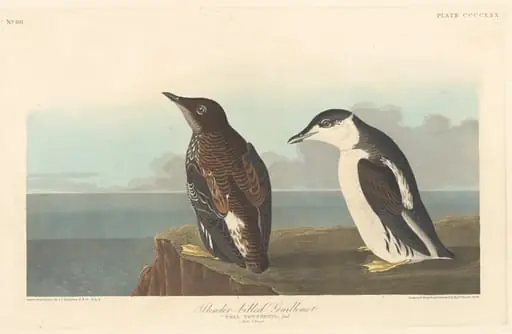
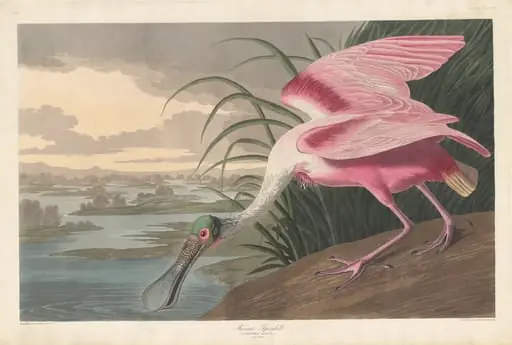
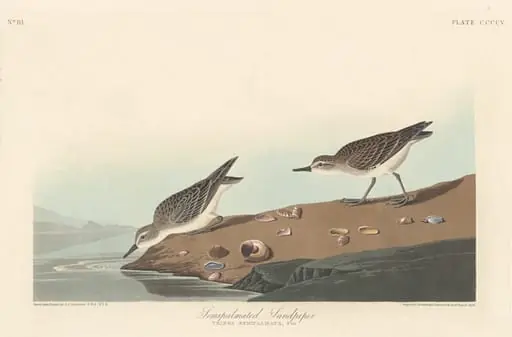
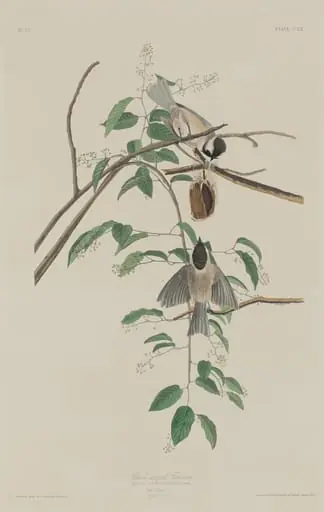
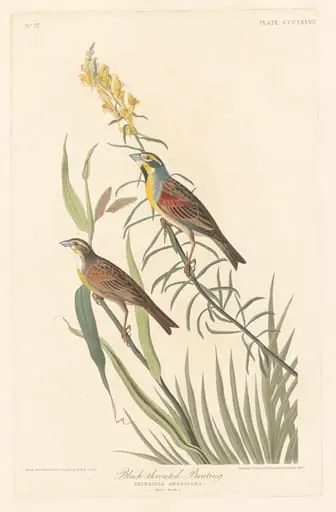
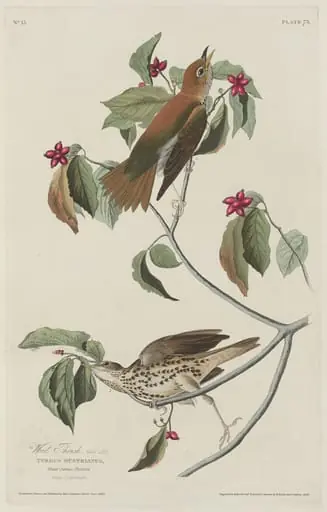
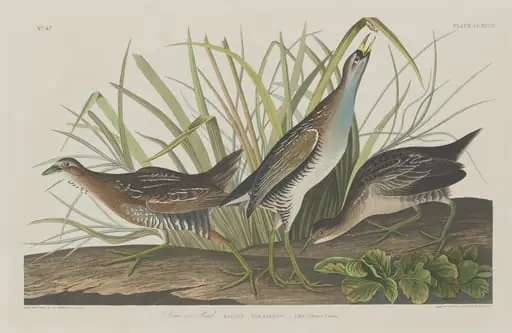
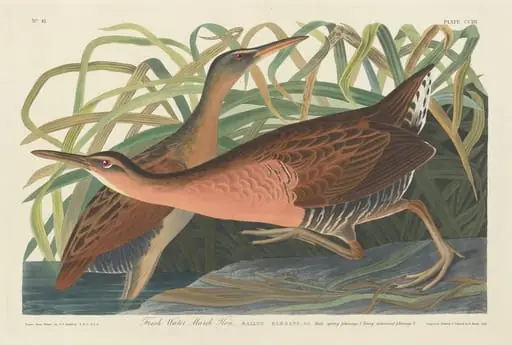
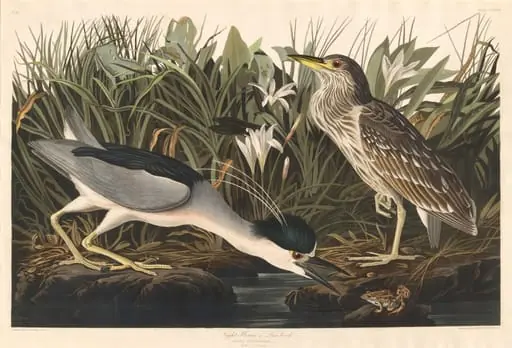
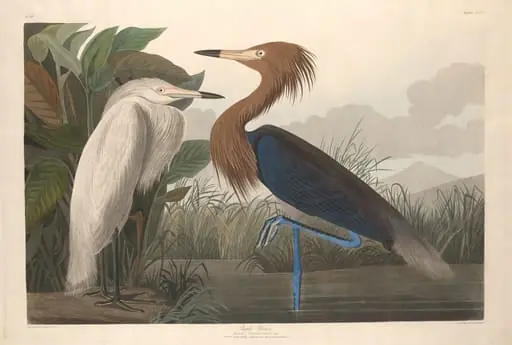
American Bittern is a hand-colored engraving and aquatint print created by Robert Havell Jr. in 1836 on Whatman wove paper. The work showcases the artist's meticulous rendering of a solitary American Bittern in its natural habitat.
Subject & Meaning
The print depicts an American Bittern, a North American wading bird, captured in a state of quiet observation. Standing amidst tall grass with a subtly bent neck and exposed legs, the bird is set against a backdrop of wet terrain with scattered water patches. The composition emphasizes the species' natural demeanor and habitat.
Technique & Style
Havell Jr. employed the family's renowned aquatint and engraving expertise to achieve detailed textures, evident in the feather patterns and reed renderings. Soft green strokes for the grass and careful, fine lines for the bird's plumage characterize the piece, aligning with the precise style of contemporary scientific illustrations.
History & Provenance
Born into the illustrious Havell family, known for aquatint proficiency and connections to Indian art, Robert Havell Jr.'s 1836 work leverages his lineage's printmaking legacy. Specific provenance details are not provided.
Context
Created before the advent of photography, American Bittern reflects the era's reliance on meticulous artistic renderings for scientific and natural history documentation. The piece's attention to detail aligns with the standards of 19th-century illustrative art.
Artist & collection

Artist
The Havell family of Reading, Berkshire, England, included a number of notable engravers, etchers and painters, as well as writers, publishers, educators, and musicians.