Artwork
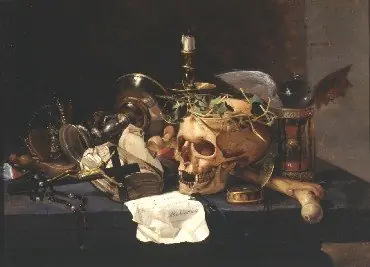
Vanitas still life with a mask
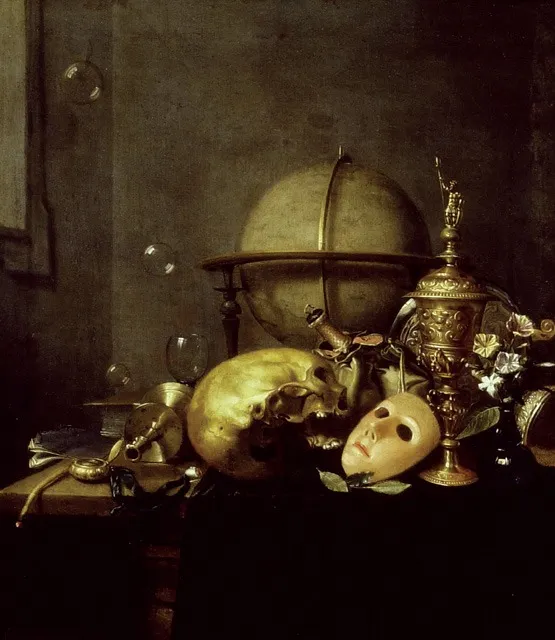
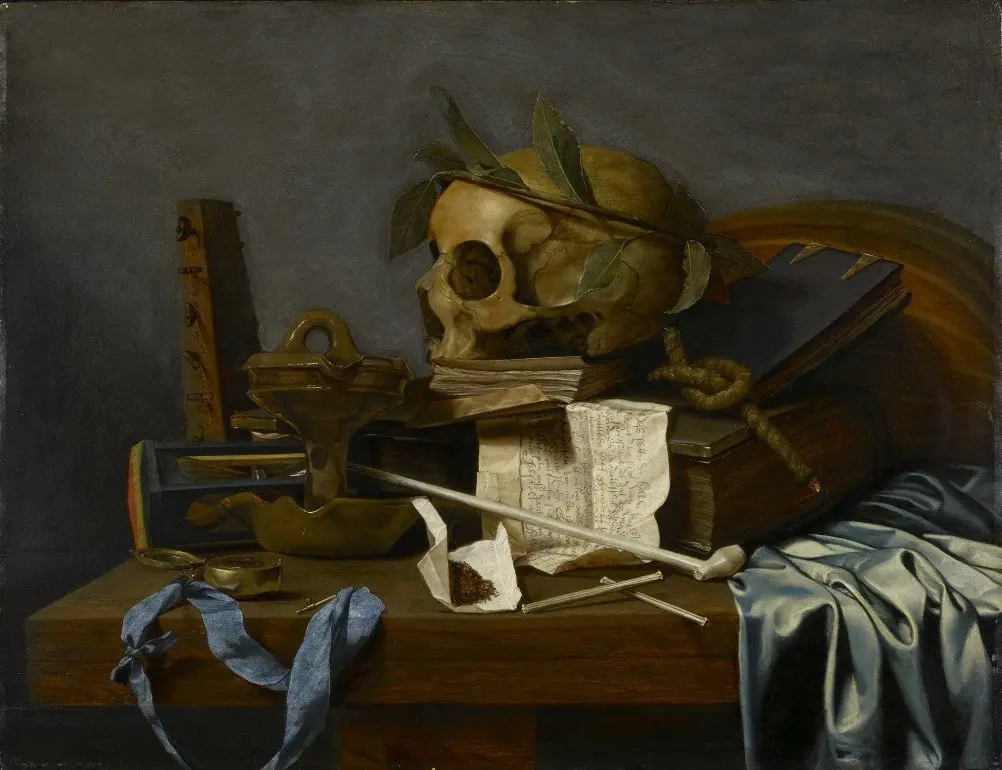
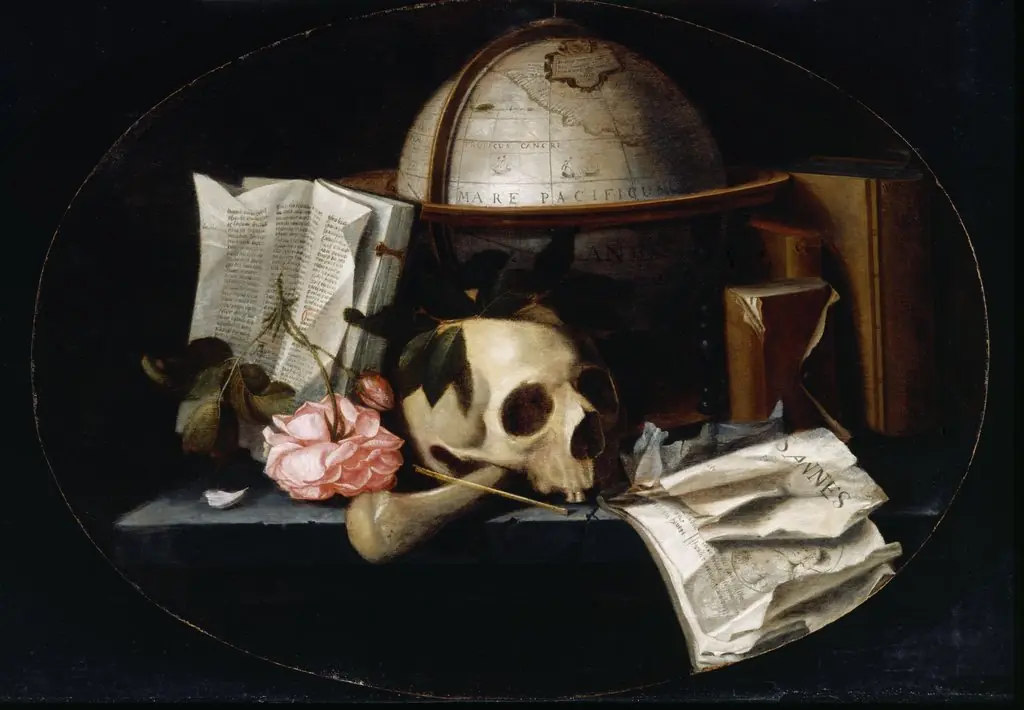
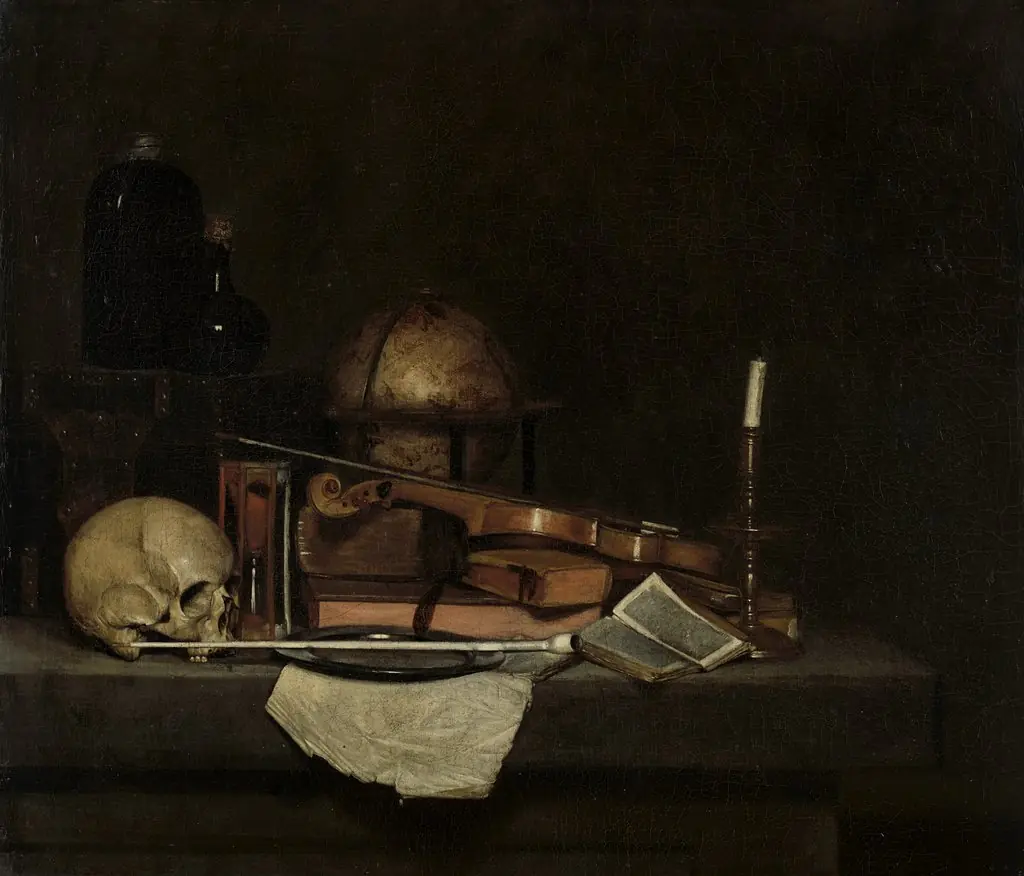
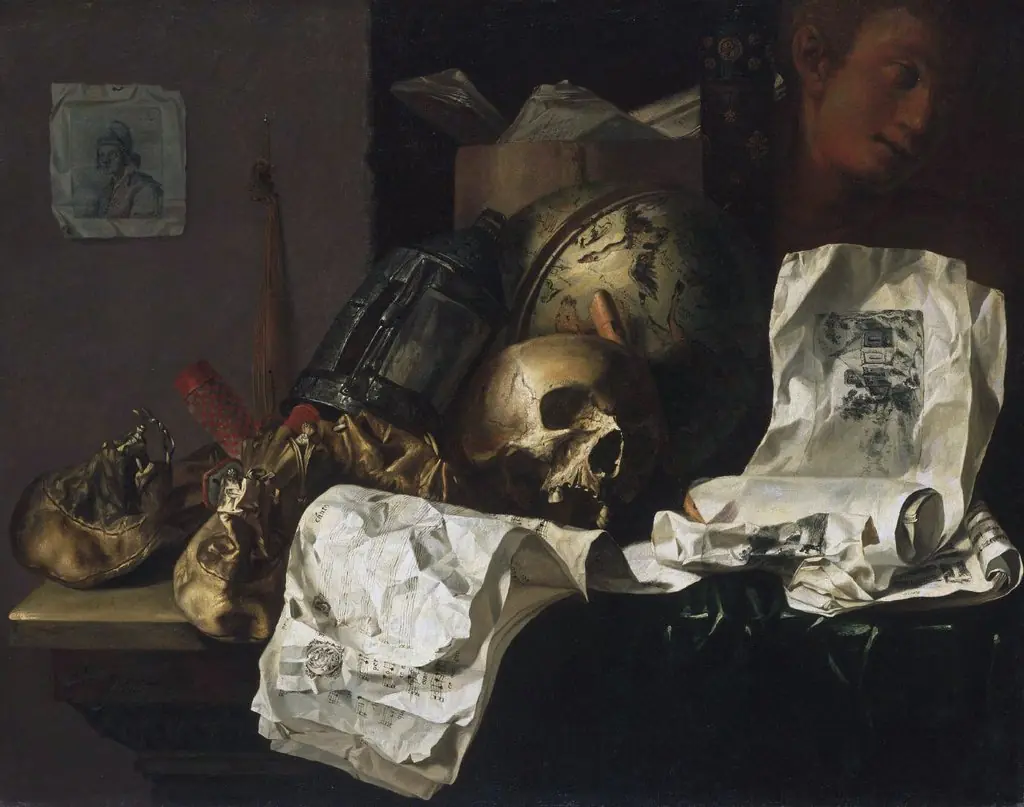
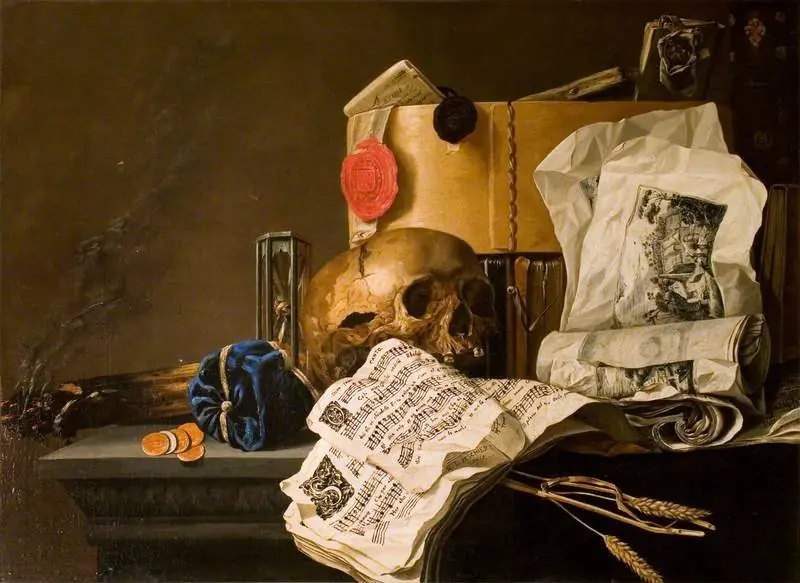
Vanitas still life with a mask is an oil painting by the Dutch Golden Age artist Hendrick Andriessen. It dates from 1650 and is held in the collection of the Ashmolean Museum.
About this work
Overview
Painted around 1650 by Hendrick Andriessen, known as Mancken Heyn, this oil-on-canvas still life belongs to the vanitas tradition of the Dutch Golden Age.
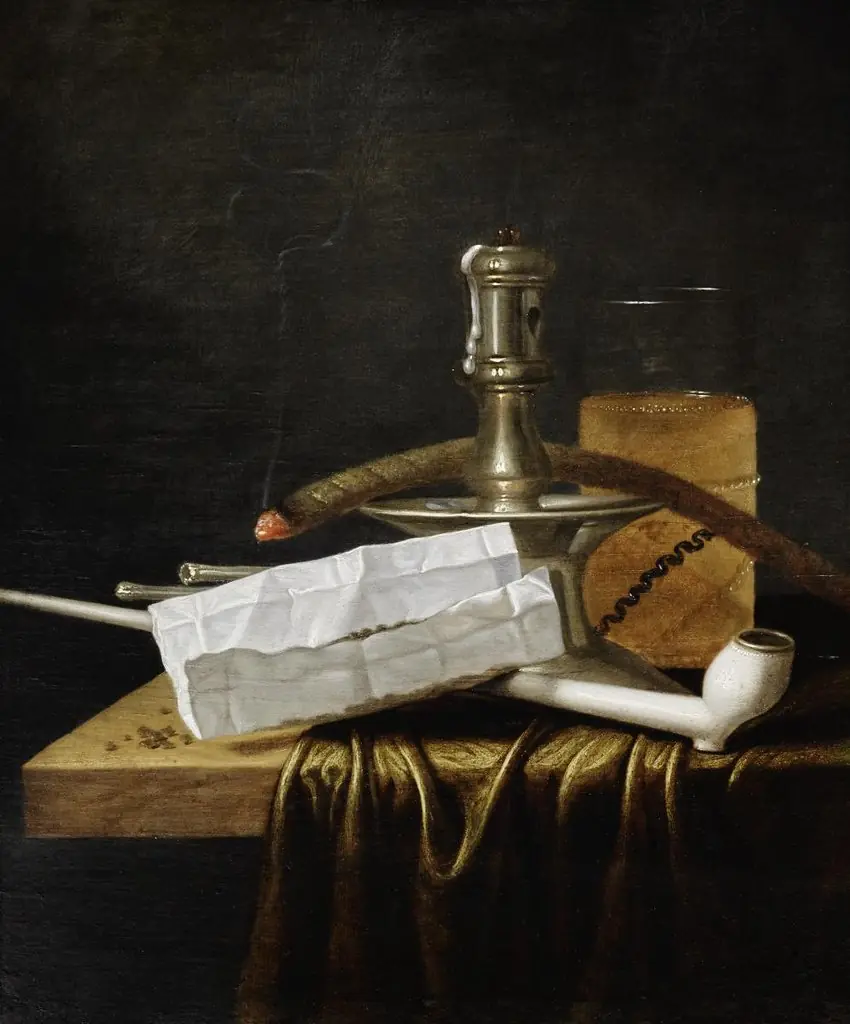
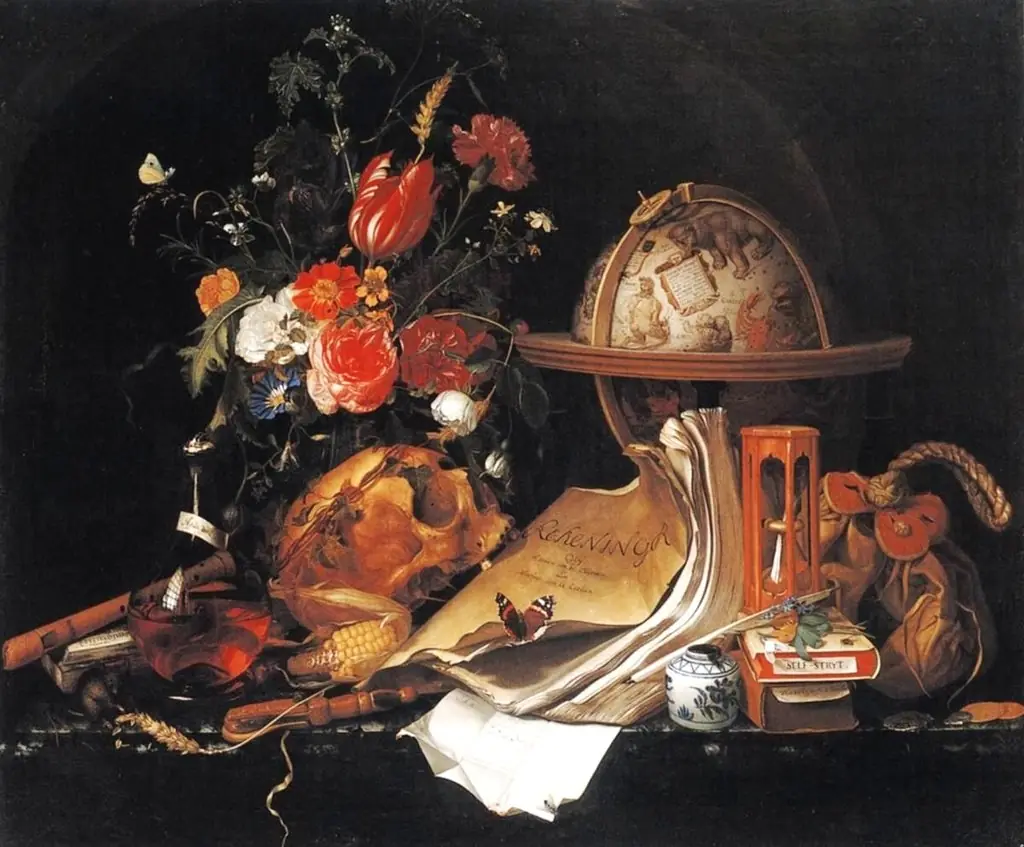
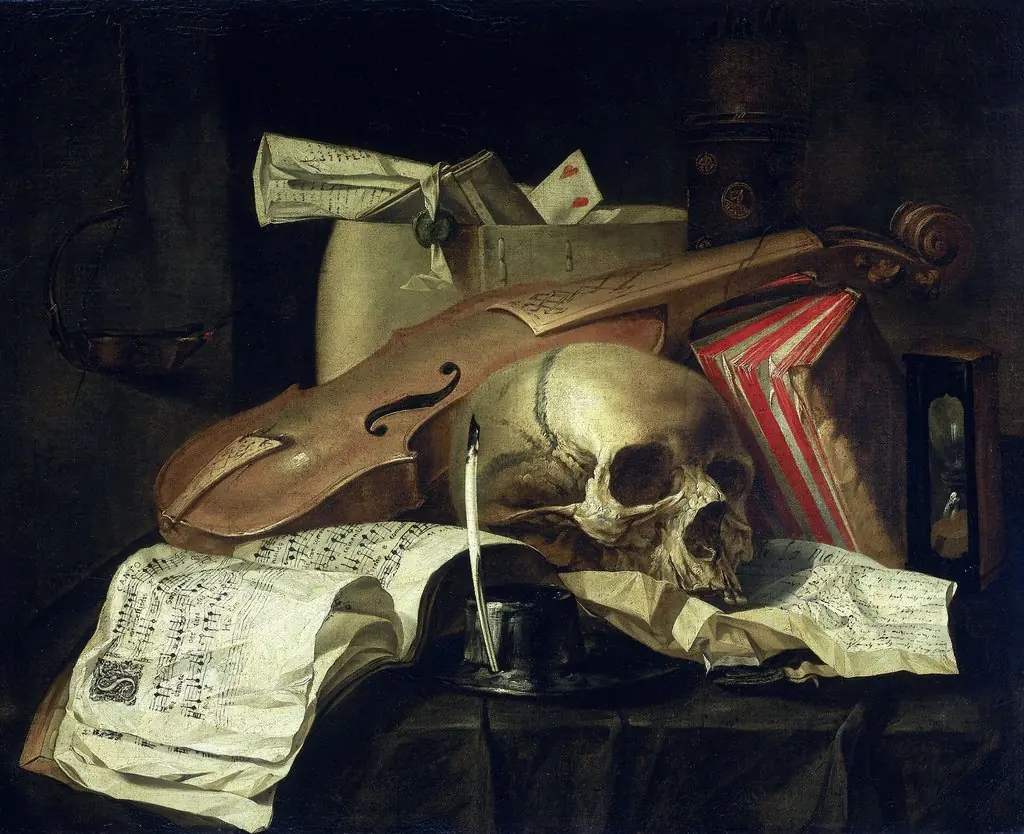
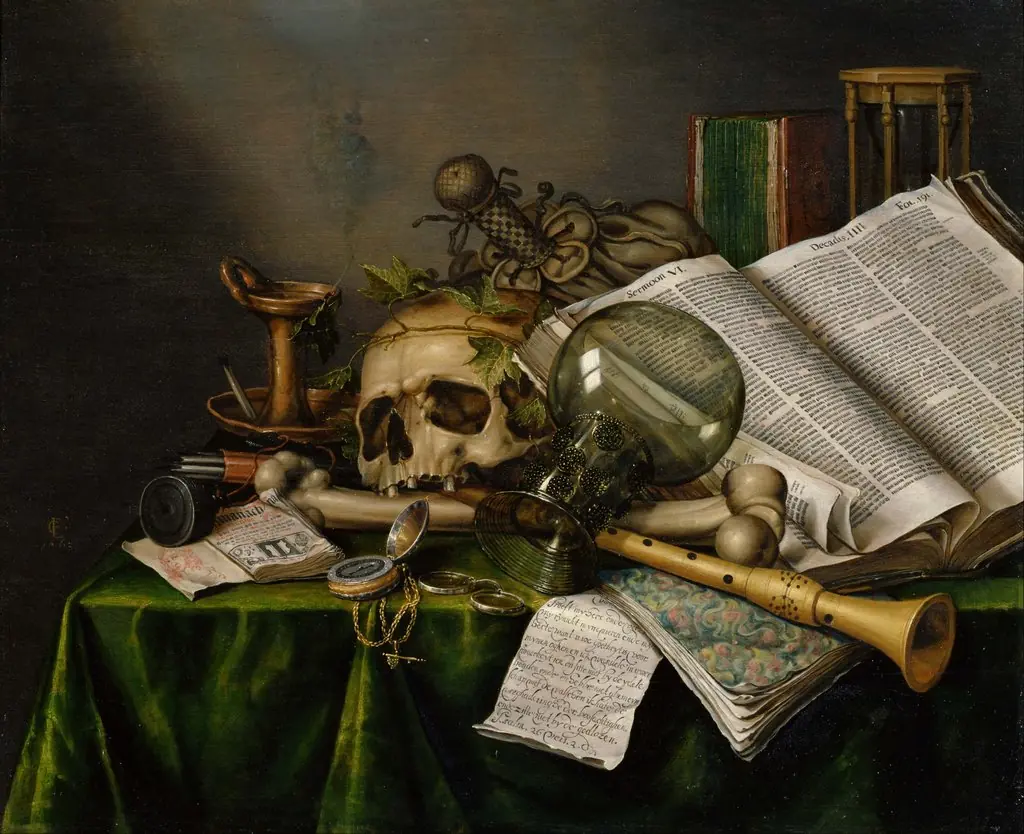
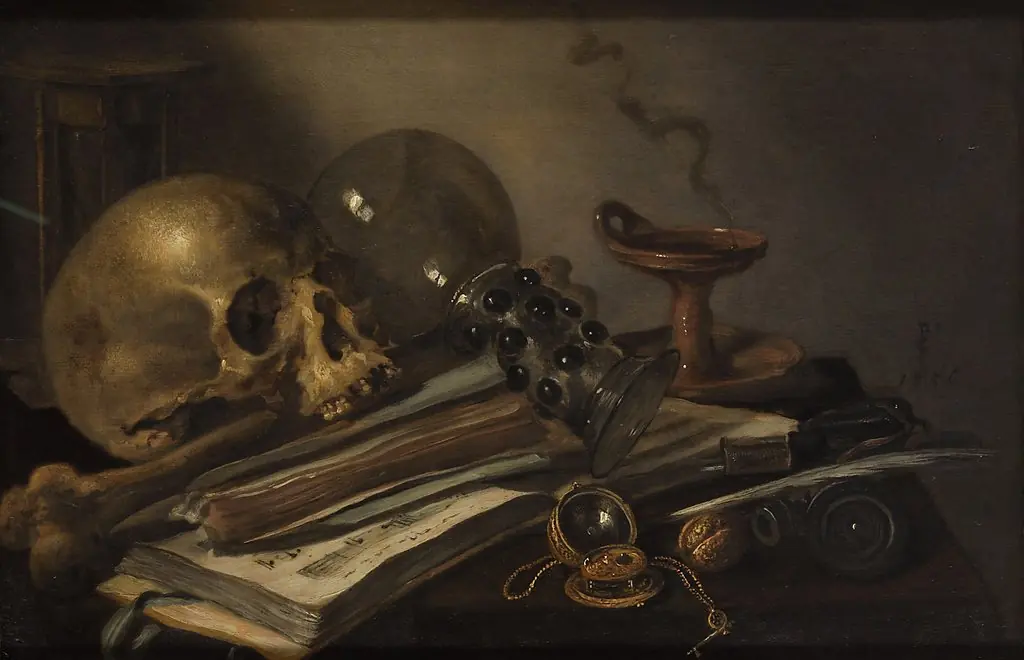
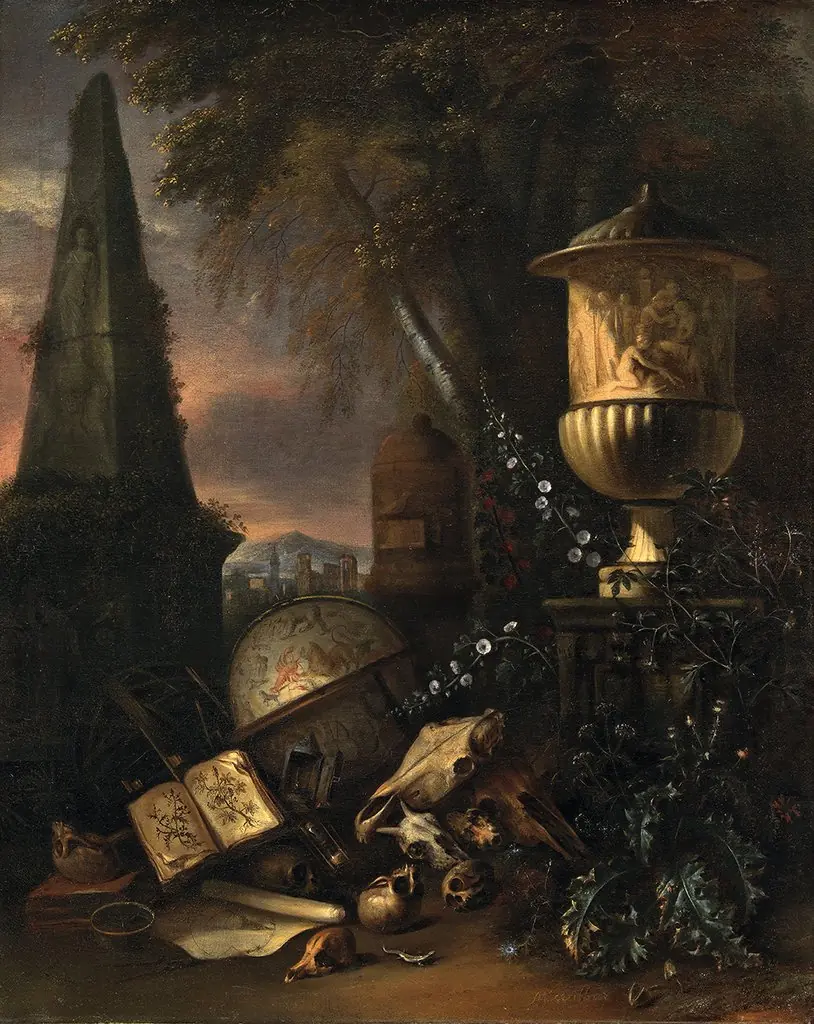
Painted around 1650 by Hendrick Andriessen, known as Mancken Heyn, this oil-on-canvas still life belongs to the vanitas tradition of the Dutch Golden Age. It presents a carefully arranged ensemble of symbolic objects—mask, skull, globe, and flowers—on a dark, undefined surface. The composition invites contemplation of transience, using controlled lighting to emphasize key elements and create a quiet, somber atmosphere.
Subject & Meaning
Each object in the painting carries a symbolic weight tied to mortality and earthly impermanence. The skull, a direct memento mori, confronts the viewer with death. The mask suggests deception or the fleeting nature of identity. The globe implies worldly ambition, while the bouquet, though beautiful, signals decay through wilting petals. Together, they form a silent meditation on the futility of material pursuits.
Technique & Style
Andriessen employs chiaroscuro to model forms with subtle gradations of light and shadow, lending volume and gravity to each object. The brushwork is precise yet restrained, avoiding overt ornamentation. Surfaces vary in texture—glossy mask, porous skull, soft petals—enhancing tactile realism. The dark background isolates the objects, focusing attention and deepening the painting’s introspective tone.
History & Provenance
Hendrick Andriessen, active in Antwerp and possibly the Dutch Republic, produced vanitas works during the mid-seventeenth century. This painting entered the Ashmolean Museum’s collection in the eighteenth century, likely through a private acquisition. Its survival and preservation reflect its enduring resonance within the tradition of Northern European still-life painting.
Context
Created during the Dutch Golden Age, the painting reflects broader cultural preoccupations with mortality, virtue, and the limits of human achievement. Vanitas imagery flourished in Protestant regions where religious themes were expressed through secular symbols. Such works served not as decoration but as moral prompts, encouraging reflection on life’s brevity amid rising commercial prosperity.
Legacy
Andriessen’s work contributes to a broader corpus of Dutch vanitas paintings that influenced later still-life traditions. While less widely known than contemporaries like Harmen Steenwyck, his compositions retain a quiet intensity. Today, the painting remains a studied example of how everyday objects can be transformed into enduring meditations on human condition.
Artist & collection
Artist
Hendrick Andriessen, known as Mancken Heyn ('Limping Henry') (Antwerp, 1607 – Antwerp or Zeeland, 1655) was a Flemish still-life painter.