Artwork
The Standard Bearer, Turned to Left
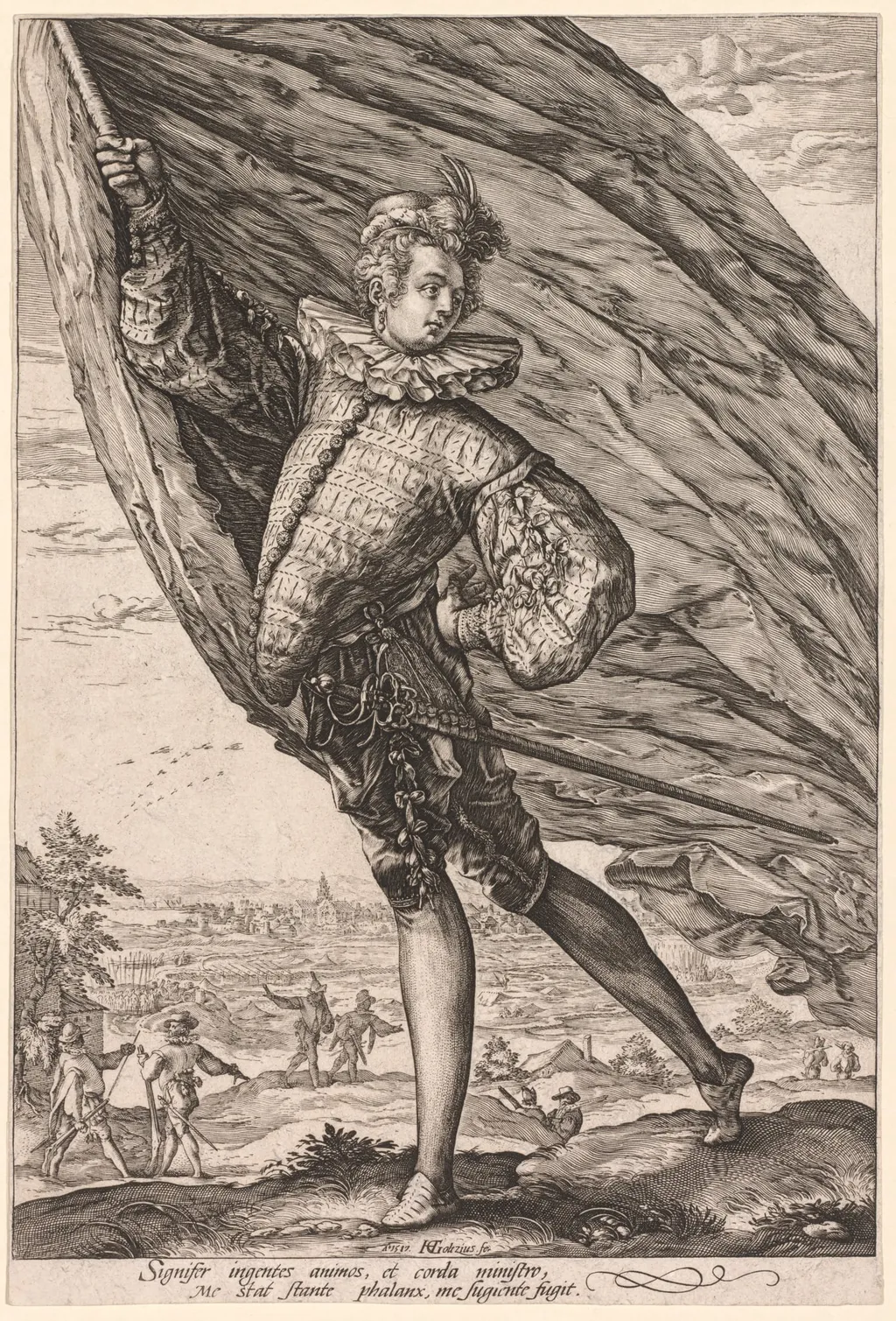
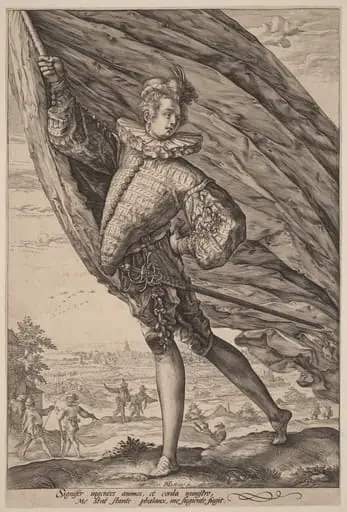
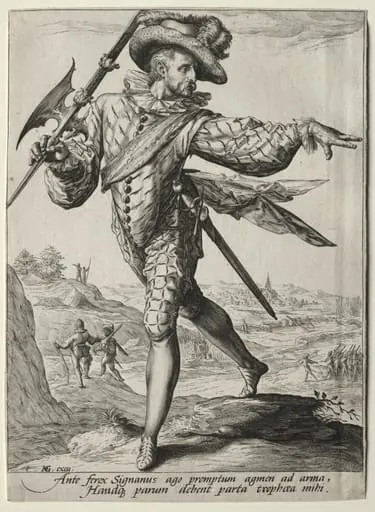
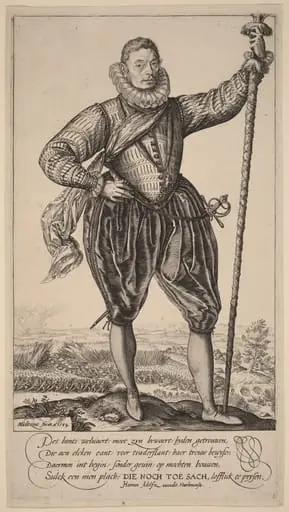
The Standard Bearer, Turned to Left is a print by the Renaissance artist Hendrik Goltzius. It dates from 1587 and is held in the collection of the Cleveland Museum of Art.
About this work
Overview
Created around 1587, The Standard Bearer, Turned to Left is one of two prints engraved by Hendrick Goltzius as part of a series on military figures.
Created around 1587, The Standard Bearer, Turned to Left is one of two prints engraved by Hendrick Goltzius as part of a series on military figures. Though designed by Goltzius, the broader set of twelve prints was executed by his pupil Jacques de Gheyn II. This work stands apart as a direct engraving by Goltzius, emphasizing individual heroism within the context of the Dutch struggle for independence from Spanish rule.
Subject & Meaning
The print depicts a standard bearer, a key figure in Renaissance armies, holding a flag that signaled troop positioning and morale. Turned sharply to the left, his posture conveys alertness and readiness. In the context of the Dutch Revolt, such imagery served not merely as documentation but as symbolic affirmation of civic and military resolve, transforming the bearer into a representation of collective defiance.
Technique & Style
Goltzius employed fine, controlled lines to render the figure’s armor and fabric with remarkable precision. His use of cross-hatching and varied line weight creates a sense of volume and texture, while the figure’s muscular form reflects his interest in classical sculpture. The landscape behind is minimal, focusing attention on the solitary figure and his emblematic banner.
History & Provenance
The print emerged during a period of intense political upheaval in the Netherlands, as rebel forces resisted Spanish domination. Goltzius, based in Haarlem, was part of a network of artists whose work supported the emerging Dutch identity. These prints circulated among civic leaders and military patrons, reinforcing a visual culture of resistance and pride.
Context
Standard bearers held vital roles in early modern warfare, guiding troops through battlefield chaos. In the Dutch provinces, where organized militias were central to defense, such figures carried symbolic weight beyond their tactical function. Goltzius’s prints aligned with a broader trend of civic portraiture, elevating soldiers to the status of civic heroes.
Legacy
Goltzius’s prints influenced later generations of Northern European engravers, particularly in their fusion of anatomical precision with narrative intensity. Though not widely exhibited in his lifetime, these works became reference points for artists studying the human form and military iconography, securing their place in the evolution of printmaking as a serious artistic medium.
Artist & collection
Artist
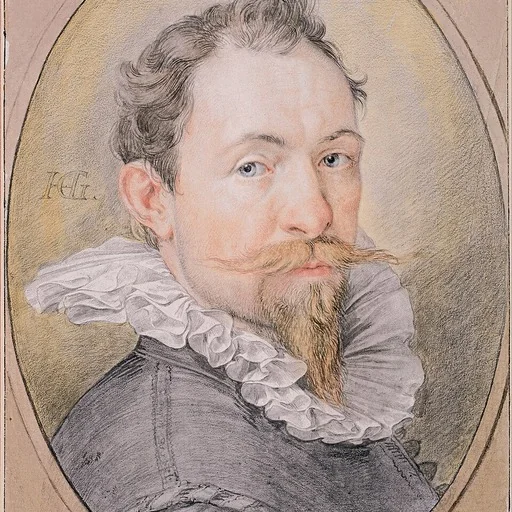
Hendrick Goltzius (German: , Dutch: ; né Goltz; January or February 1558 – 1 January 1617) was a German-born Dutch printmaker, draftsman, and painter.

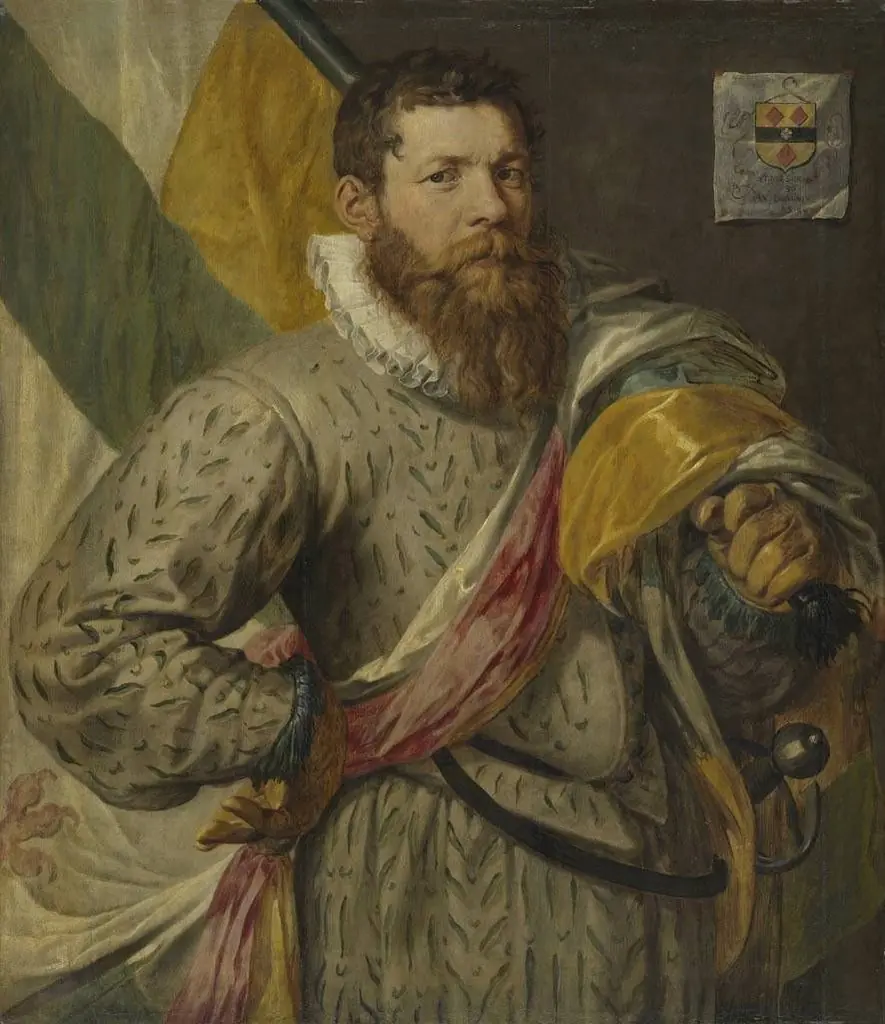
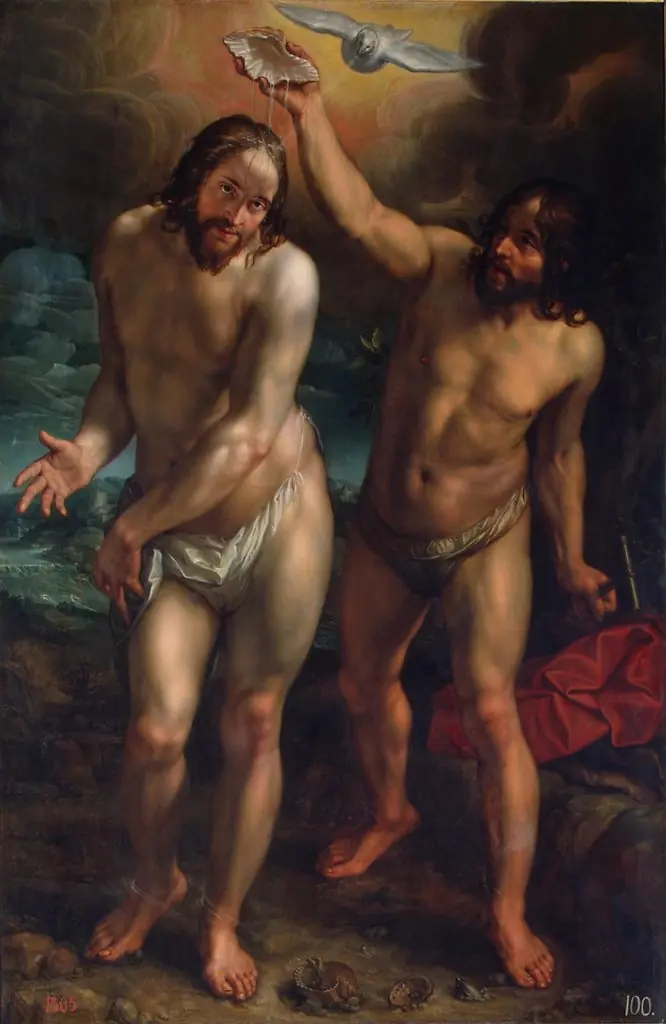
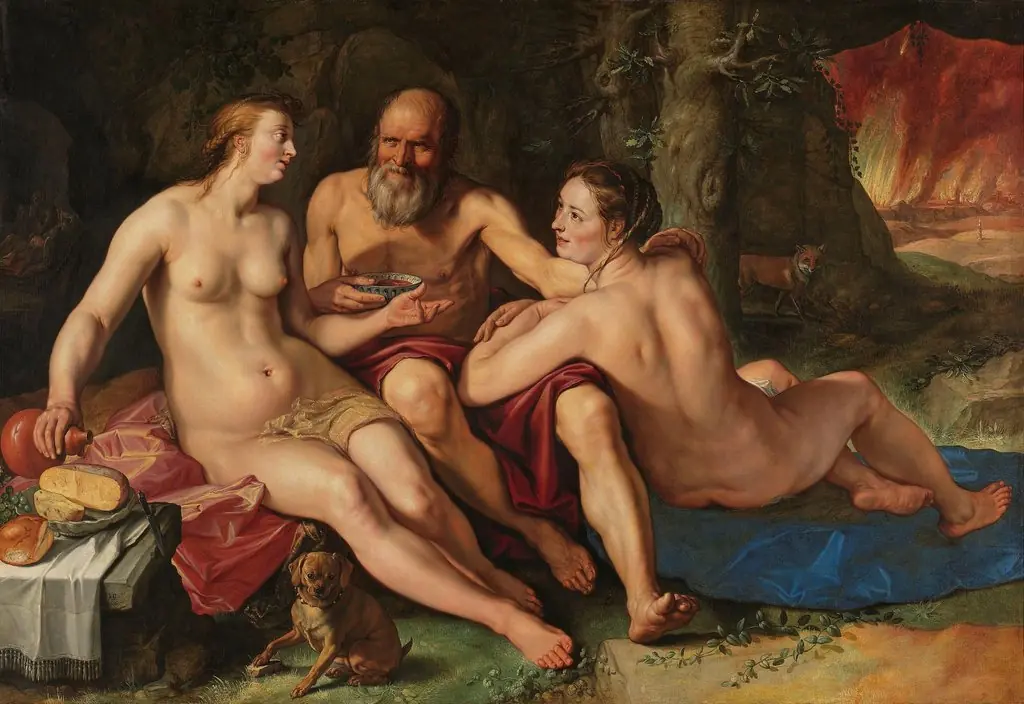
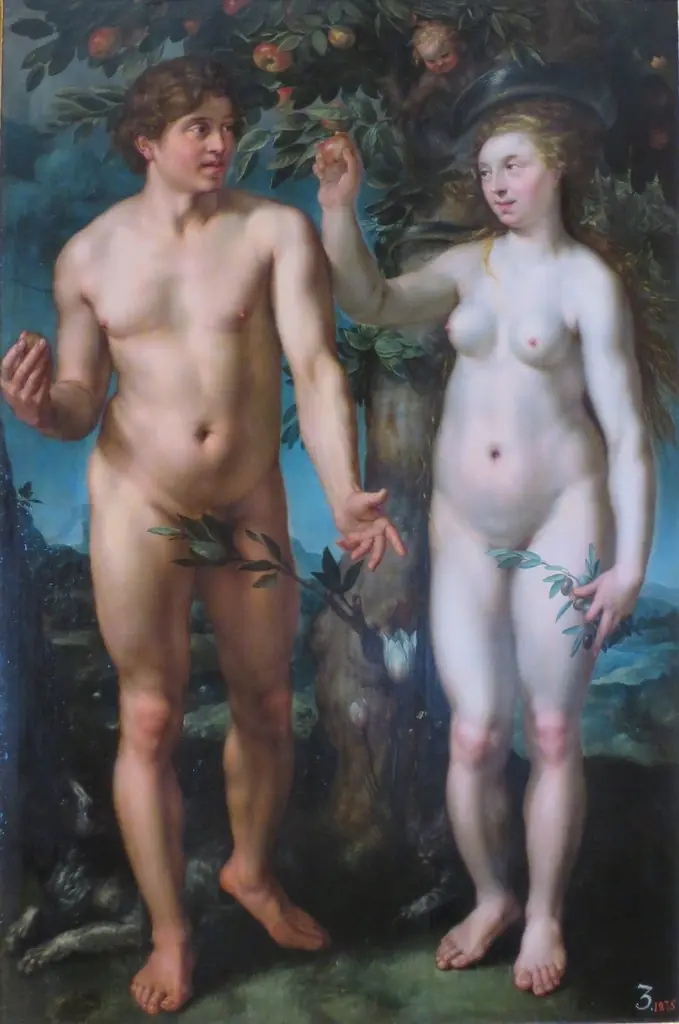
 The Standard Bearer, Turned to Left
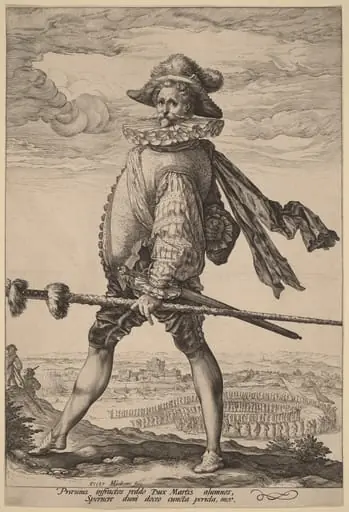 The Captain of the Infantry
 Officers and Soldiers of the Bodyguard of Emperor Rudolf II: Sergeant
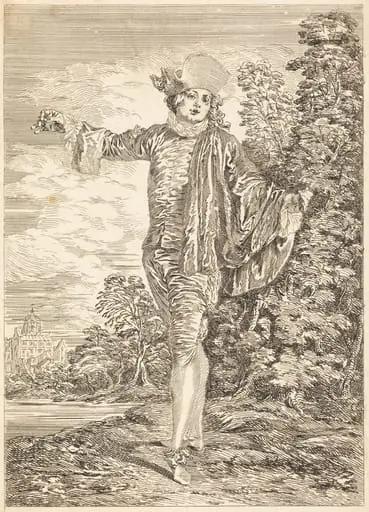 Indifferent (L'Indifférent)
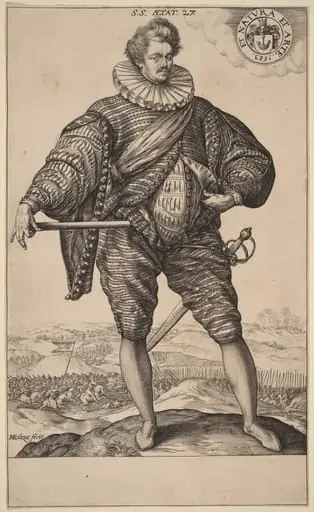 Stanislaw Sobocki (?)
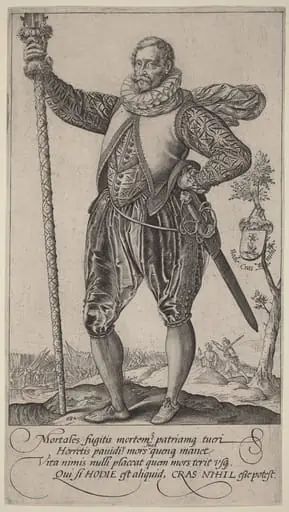 A Pike-Man Turned to the Left
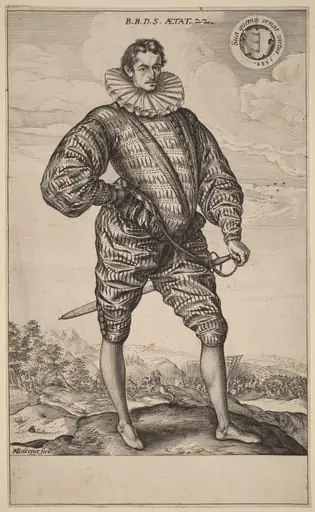 Balthasar Bathory de Somlyo
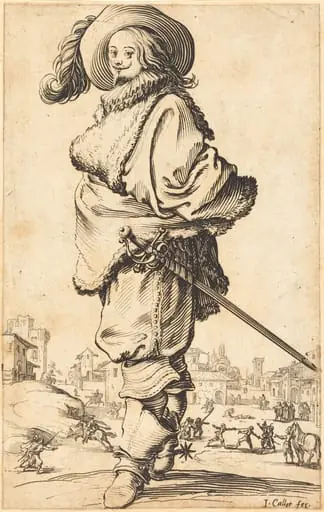 Noble Man with Fur Plastron
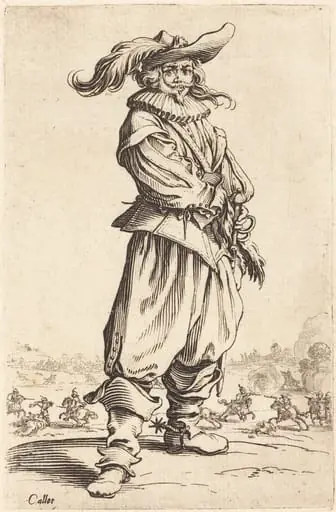 Soldier with Feathered Hat
 Gerrit de Jong
 H Beard Print Collection
 Soldier with Feathered Hat