Artwork
A Kitchen
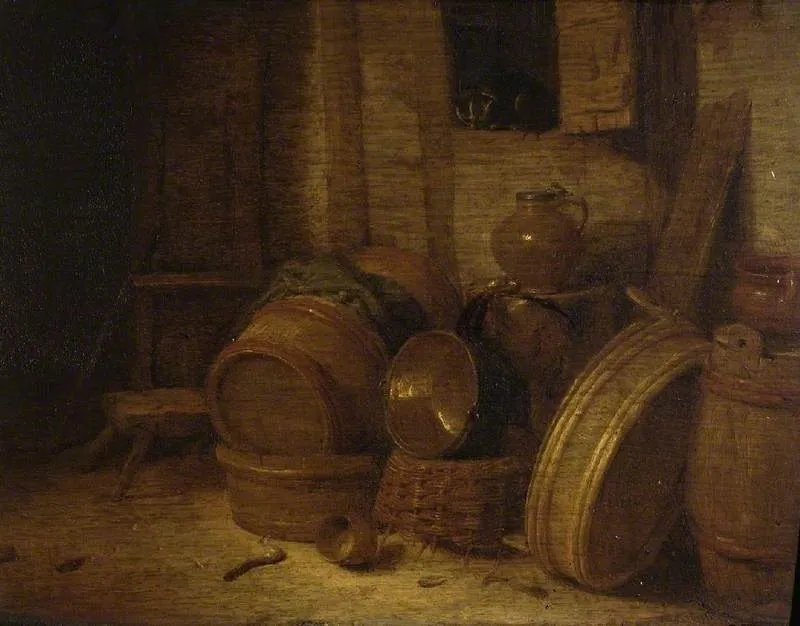
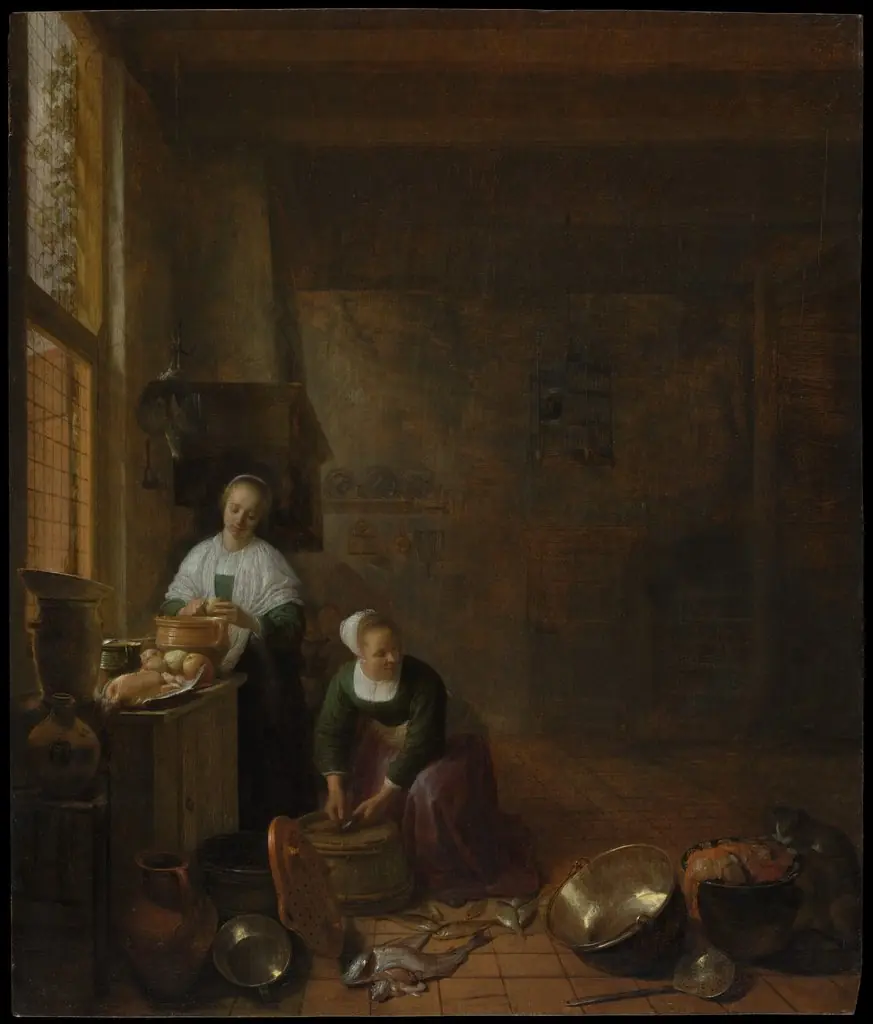
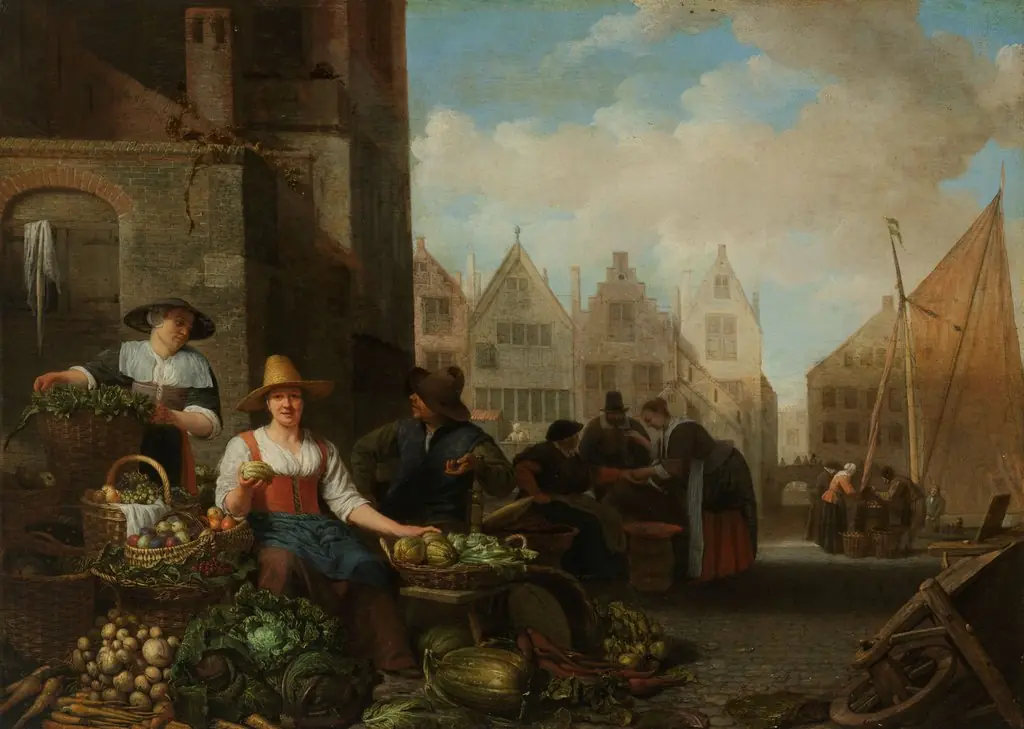
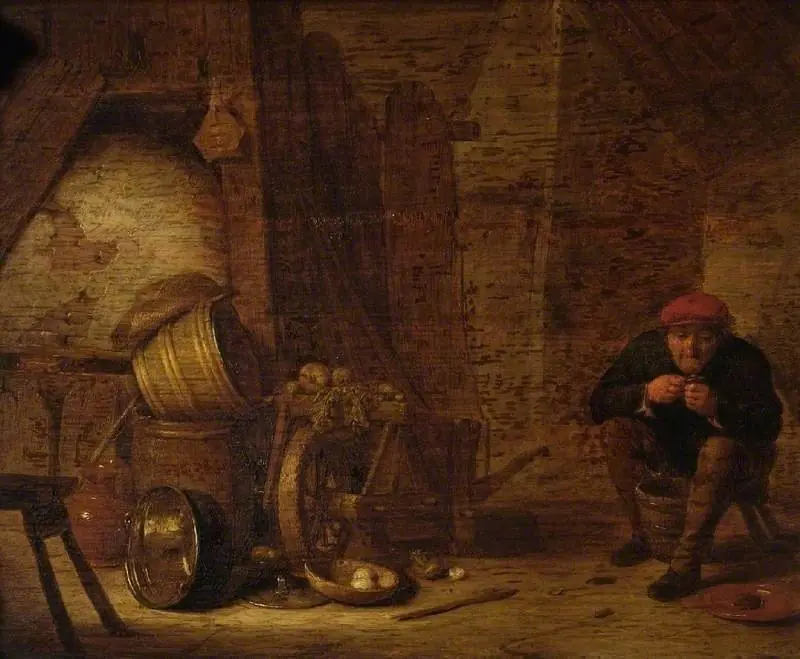
A Kitchen is an oil painting by Hendrik Martenszoon Sorgh. It dates from 1650 and is held in the collection of the Fitzwilliam Museum.
About this work
Overview
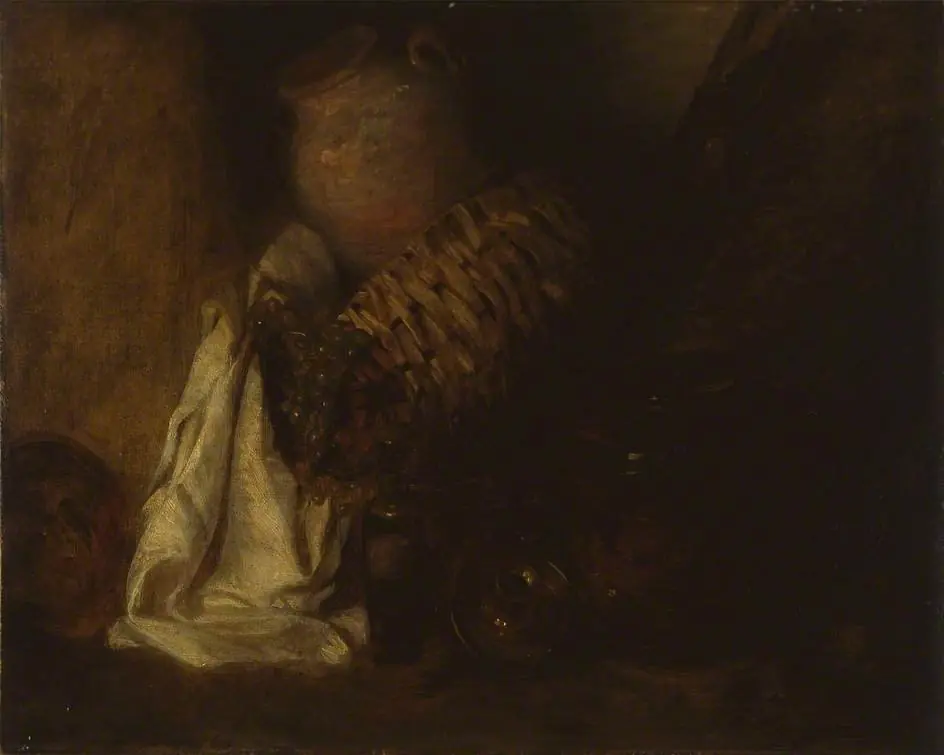
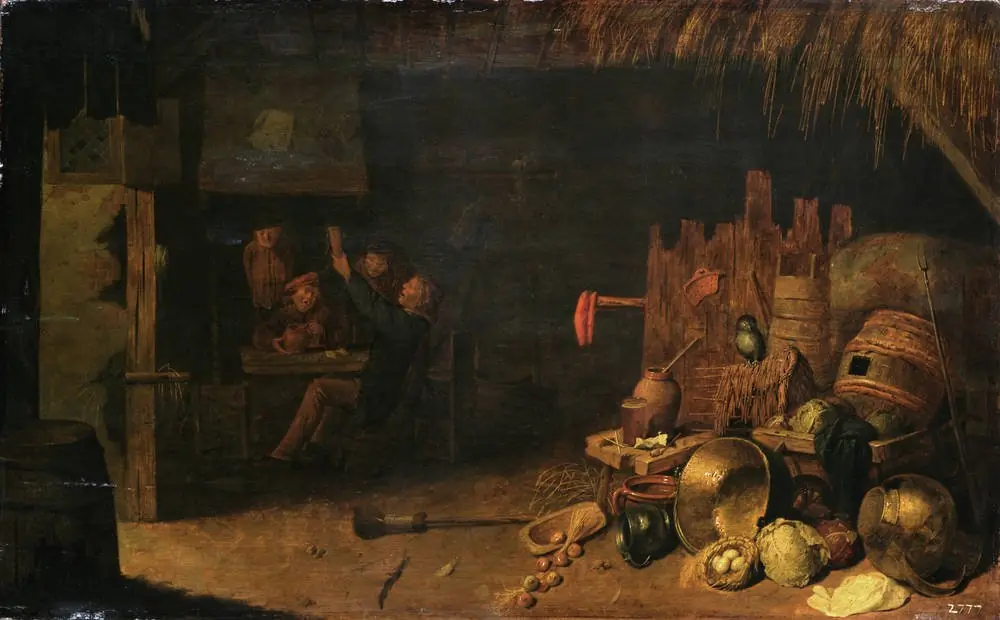
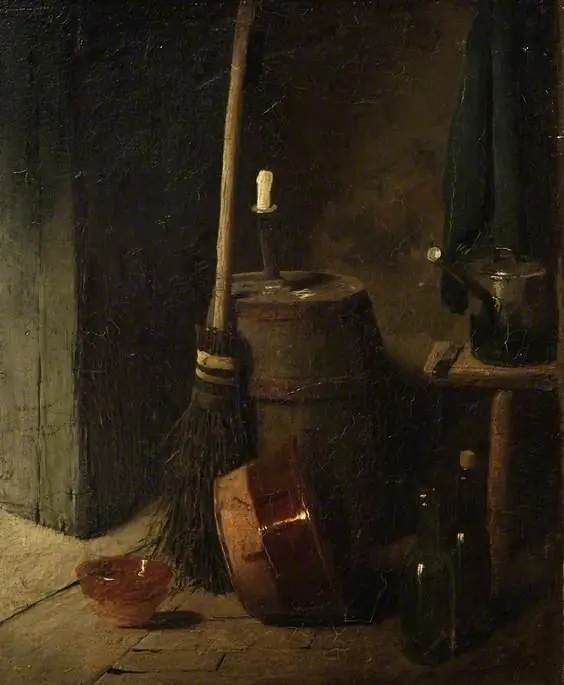
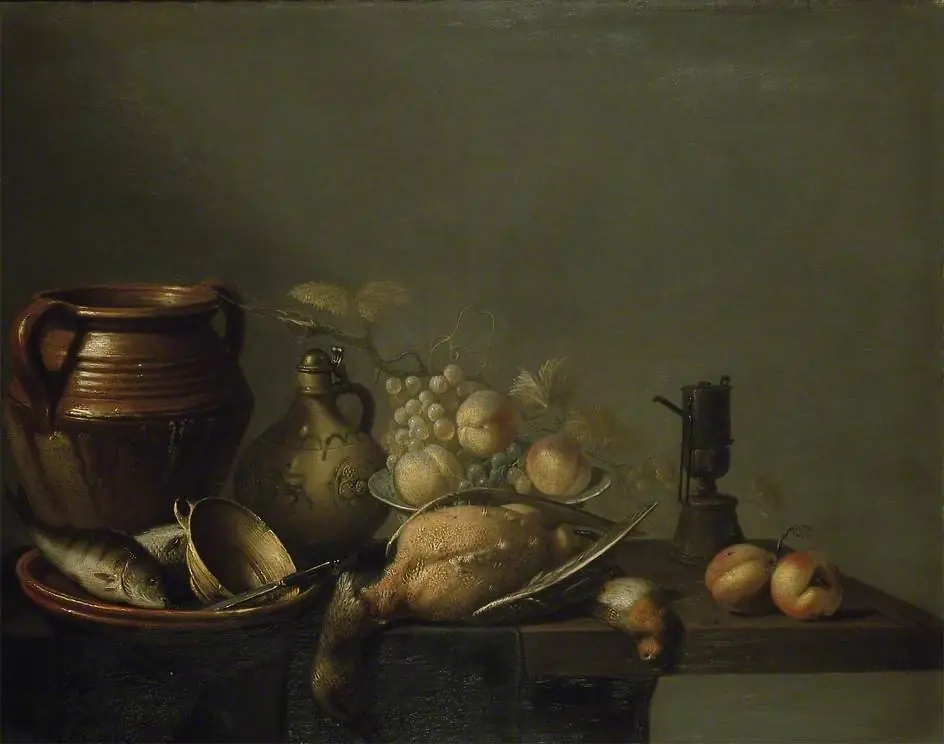
A Kitchen is an oil painting attributed to Hendrik Martenszoon Sorgh, dated around 1650. It depicts a modest interior scene, rendered with careful attention to light and quiet domestic activity. The work resides in the Fitzwilliam Museum, Cambridge, as part of its collection of Dutch Golden Age paintings.
Subject & Meaning
The painting portrays a woman stirring a pot at a wooden table while a man sits nearby, smoking a pipe. Their postures suggest a moment of stillness rather than labor, evoking the rhythm of daily life. No grand narrative is present; instead, the scene invites contemplation of private, unremarkable hours shared between individuals.
Technique & Style
Sorgh employs chiaroscuro to model forms through subtle contrasts of light and shadow. The dim interior is illuminated by a single, unseen source, casting soft gradients across surfaces and walls. Brushwork is restrained, favoring texture over detail—wood, ceramic, and fabric are suggested rather than meticulously rendered.
History & Provenance
The painting entered the Fitzwilliam Museum’s collection in the 19th century, though its earlier ownership remains undocumented. It was likely acquired during a period of increased interest in Dutch genre scenes by British collectors. No significant alterations or restorations are recorded in its modern history.
Context
Created during the Dutch Golden Age, the work aligns with a broader trend of domestic genre painting that valued quiet realism over theatricality. Unlike grand historical or religious subjects, such scenes celebrated ordinary life, reflecting the values of a prosperous, middle-class society attuned to the dignity of home.
Legacy
A Kitchen contributes to the understanding of 17th-century Dutch visual culture through its understated observation of daily routine. While not widely exhibited, it remains a representative example of Sorgh’s approach to intimate interiors and the quiet interplay of light and human presence.
Artist & collection
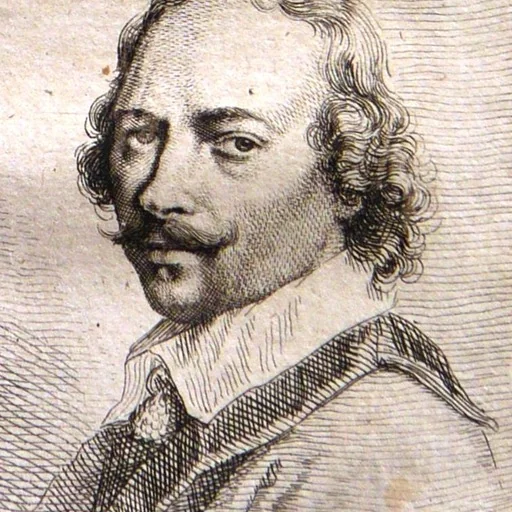
Artist
Hendrik Martenszoon Sorgh (1610–1670) was an artist, born in Rotterdam.