Artwork
Yalding Bridge
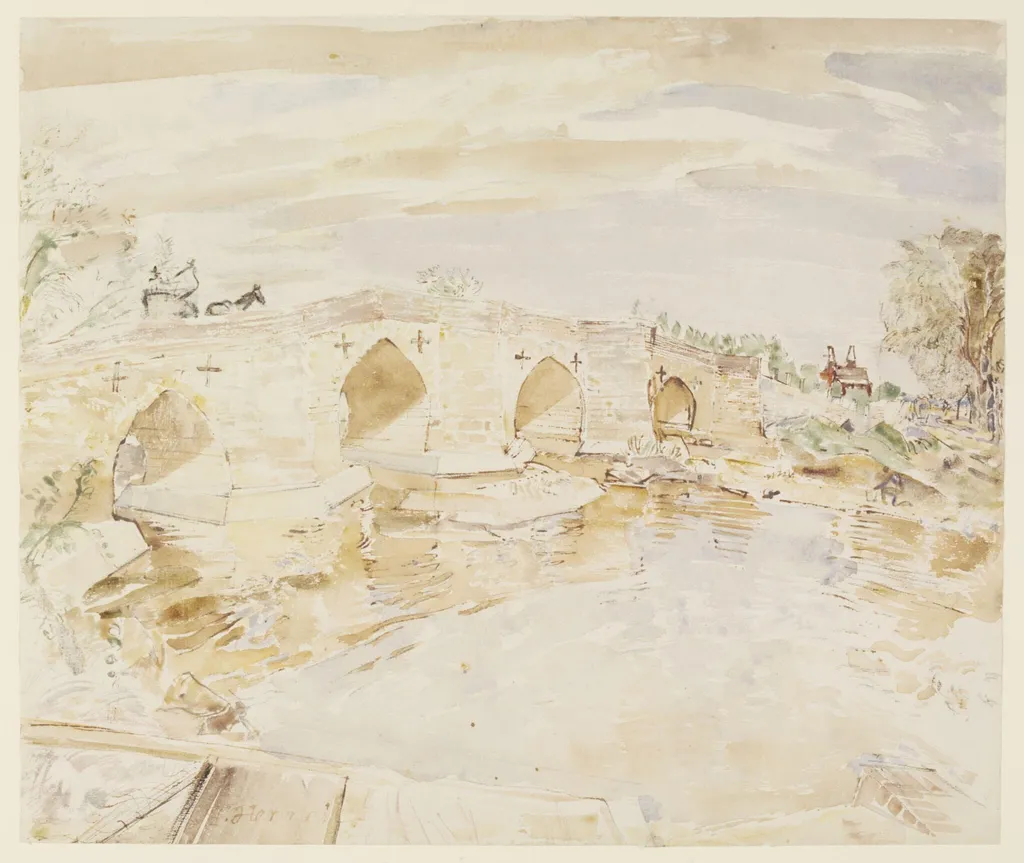
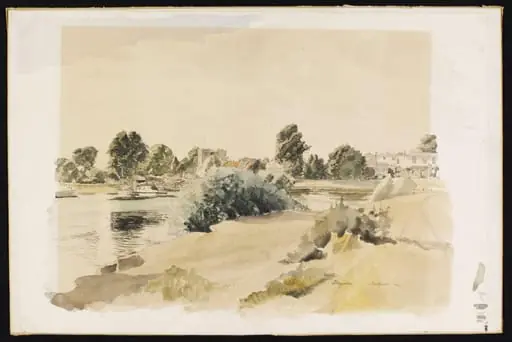
Yalding Bridge is a watercolor work on paper by Hennell. It dates from 1940 and is held in the collection of the Victoria and Albert Museum.
About this work
Overview
Hennell’s depiction of Yalding Bridge contributes to a collection of over 1,500 works capturing rural England during a period of national uncertainty.
Created in 1940, this watercolour by Hennell is part of the 'Recording Britain' project, a wartime initiative to preserve visual records of the British countryside. Commissioned by the Pilgrim Trust and managed by the Committee for the Employment of Artists in Wartime, the project enlisted artists to document landscapes and architecture at risk from conflict or change. Hennell’s depiction of Yalding Bridge contributes to a collection of over 1,500 works capturing rural England during a period of national uncertainty.
Subject & Meaning
The painting portrays Yalding Bridge, a medieval stone structure with three arches spanning a quiet river. Flanked by trees and undergrowth, the scene emphasizes continuity and quiet endurance. By focusing on such a modest, enduring landmark, Hennell’s work reflects the project’s broader aim: to affirm cultural identity through ordinary, pre-war landscapes. The bridge, untouched by modernity, becomes a symbol of stability amid the upheaval of wartime Britain.
Technique & Style
Hennell employed soft, delicate brushwork and a restrained palette of browns and greens to convey a tranquil atmosphere. The watercolour medium allowed for subtle gradations of tone, enhancing the sense of stillness and natural harmony. There is no dramatic contrast or heightened detail; instead, the composition relies on gentle textures and muted hues to evoke a contemplative mood, aligning with the project’s documentary intent rather than expressive flourish.
History & Provenance
The painting was produced under the 'Recording Britain' scheme, which ran from 1939 to 1942. It entered the Victoria and Albert Museum’s collection as part of the project’s archive, where it remains accessible for study. The initiative was designed not only to preserve visual records but also to provide employment for artists during wartime. Hennell’s contribution, like others in the series, was intended as a historical document rather than a commercial artwork.
Context
During the Second World War, fears of aerial bombardment and rapid urban development prompted efforts to preserve Britain’s architectural heritage. The 'Recording Britain' project emerged as a cultural response, drawing attention to vernacular structures and rural scenes that might vanish. Artists like Hennell were sent across the country to record these sites, creating a collective visual archive that reflects a nation’s sense of place during a time of profound disruption.
Legacy
The 'Recording Britain' collection endures as a significant historical resource, offering insight into the British landscape as it appeared on the brink of modern transformation. Hennell’s watercolour of Yalding Bridge remains one of many quiet, precise records that collectively document a vanishing rural England. Today, the work is valued for its observational integrity and its role in preserving a moment of national self-reflection during wartime.
Artist & collection
Artist
The Hennell family is a family of prominent silver-smiths and writers in Southern England.

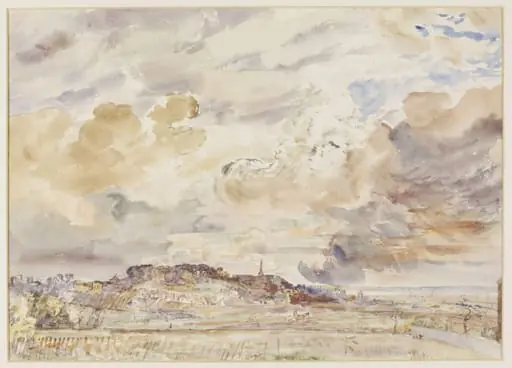 Gadshill, from the Three Crutches on the Gravesend - Rochester Road
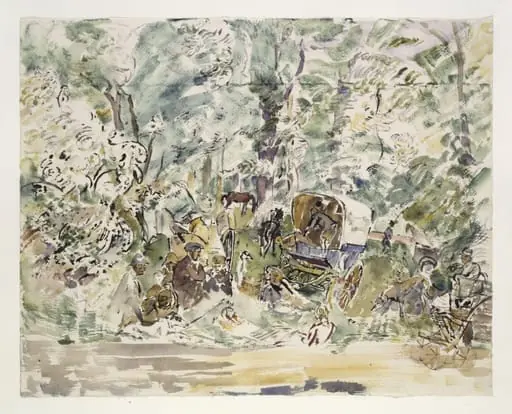 Gipsy Encampment
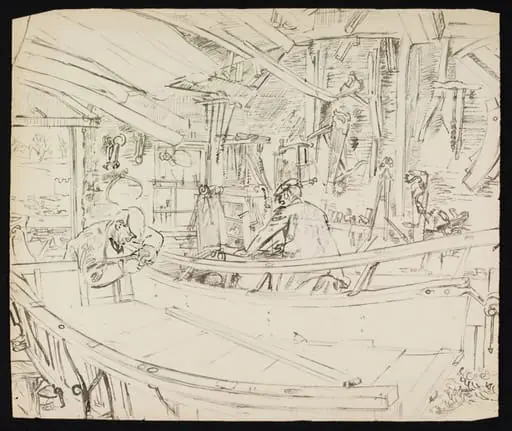 Building a Wiltshire Waggon near Longleat (April 1941)
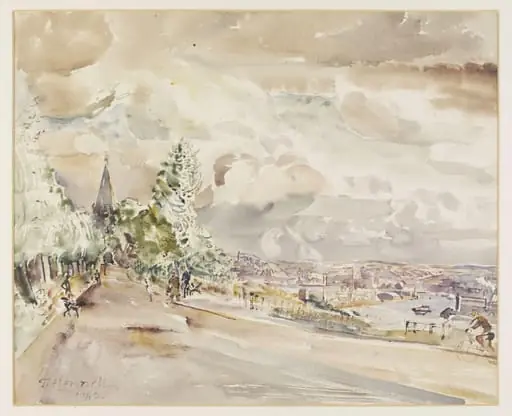 View of the Medway and part of Chatham from Frindsbury
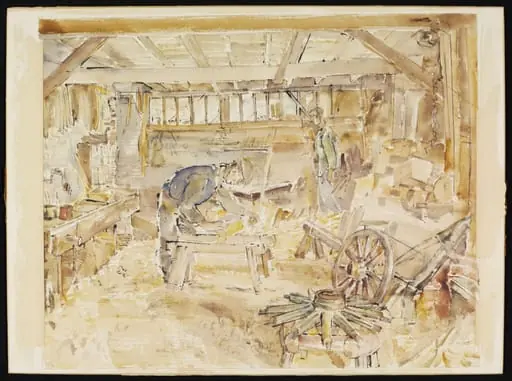 Wheelwrights at work in Mr. J. W. Brunt's Shop, Newington
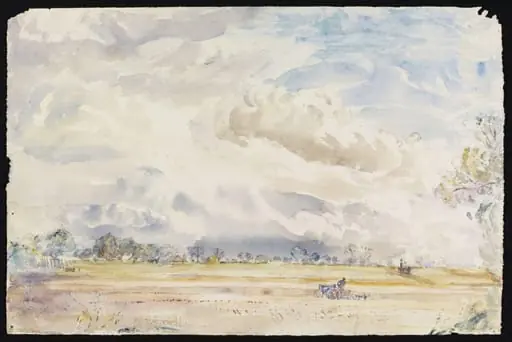 A view at Ridley
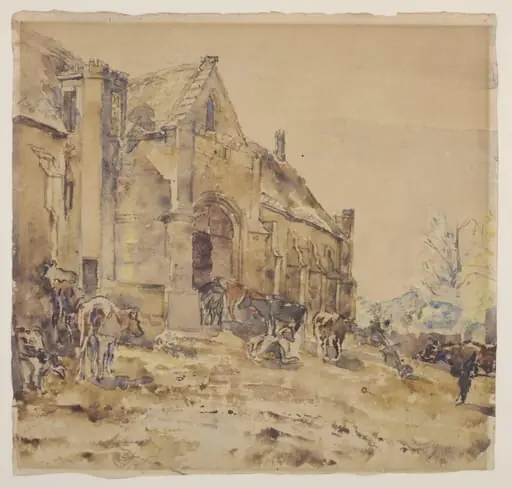 Tithe Barn, Abbotsbury
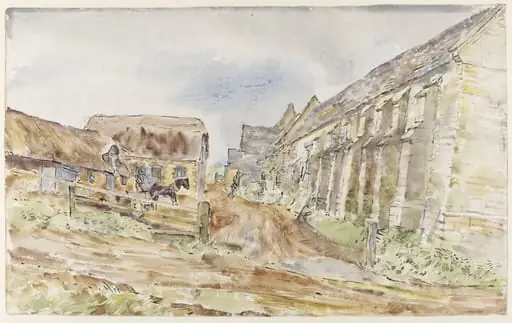 Tithe Barn, Wyke, Nr. Sherborne
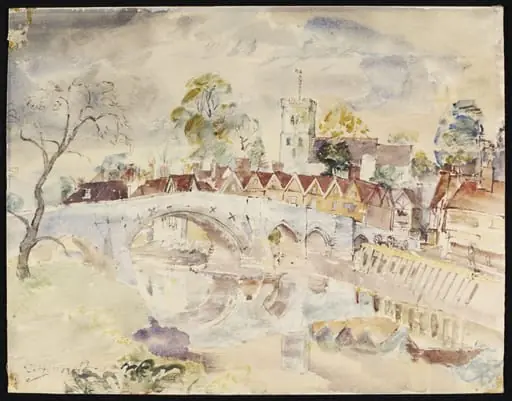 Aylesford Bridge
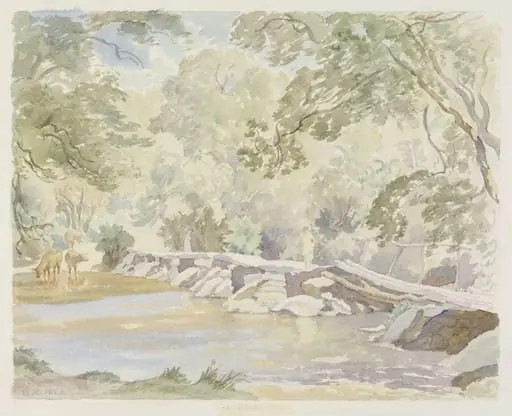 Tarr Steps, Exmoor
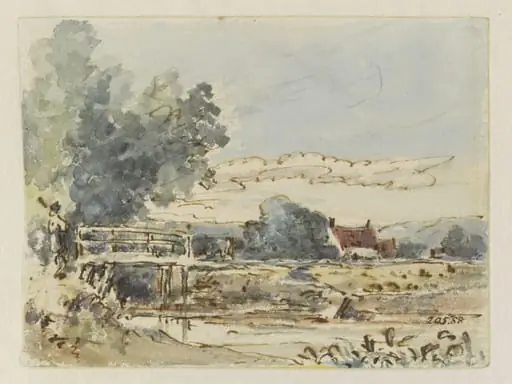 A bridge over a stream, with a cottage behind
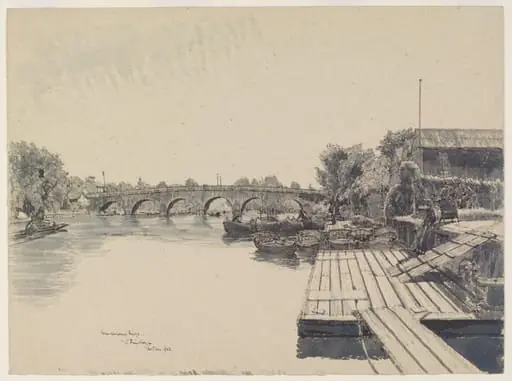 Maidenhead Bridge
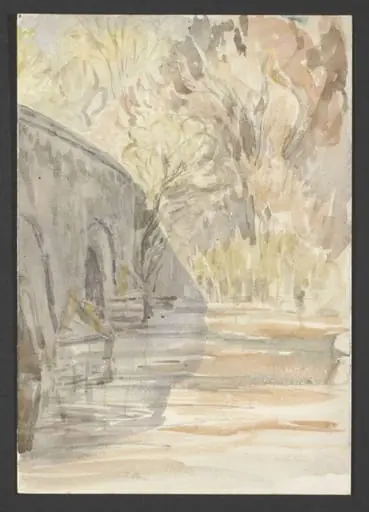 A bridge seen from a riverbank
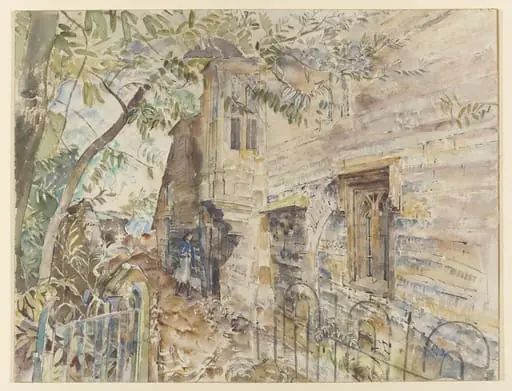 The Guest House, Cerne Abbas
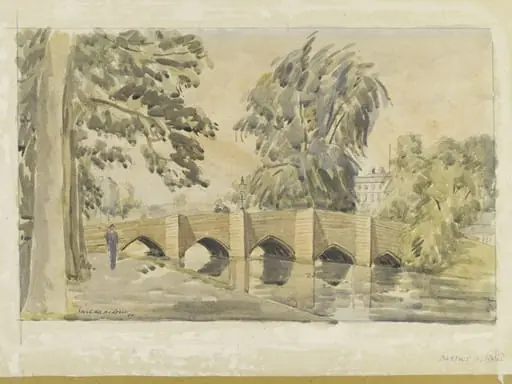 Bridge, Bakewell
 View of the bend of a river
 Lady Bridge over the Kennett and Avon Canal, Wilcot
 Gunnersbury House, Brentford
 The Pond, Ditchling
 Shepperton