Artwork
The Guest House, Cerne Abbas
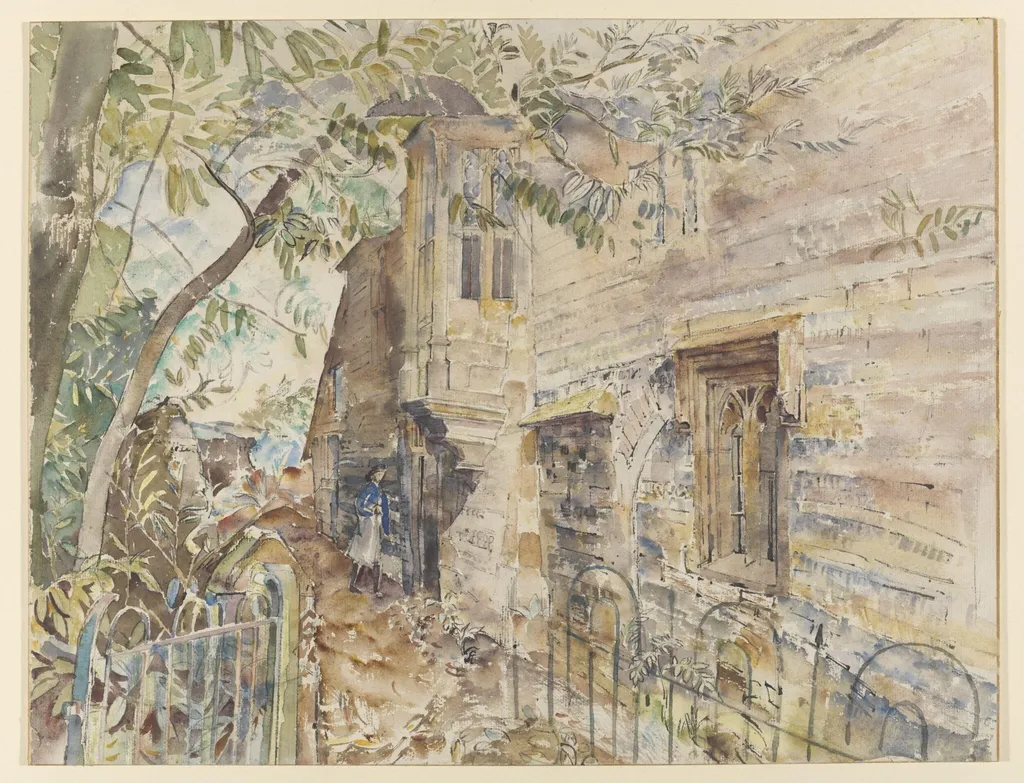
The Guest House, Cerne Abbas is a watercolor work on paper by Hennell. It dates from 1940 and is held in the collection of the Victoria and Albert Museum.
About this work
Overview
Executed as part of the Recording Britain initiative, the work belongs to a broader wartime effort to visually archive the nation’s architectural heritage.
Painted in 1940 by Hennell, this watercolour captures the Guest House in Cerne Abbas, a modest rural structure in Dorset. Executed as part of the Recording Britain initiative, the work belongs to a broader wartime effort to visually archive the nation’s architectural heritage. The project, launched by Sir Kenneth Clark, aimed to preserve images of landscapes and buildings vulnerable to wartime destruction or modernization, offering artists employment while documenting a nation in transition.
Subject & Meaning
The painting portrays the Guest House through an open garden gate, emphasizing its integration with the surrounding landscape. An oriel window and weathered stonework suggest age and quiet endurance. The composition invites contemplation of everyday architecture often overlooked, framing the building not as a monument but as a lived-in presence. The presence of a leaning tree branch and shifting light reinforces a sense of time passing and nature reclaiming human structures.
Technique & Style
Hennell employed loose, fluid brushwork and a restrained palette of pale greens, browns, and off-whites to convey texture and atmosphere. The watercolour medium allowed for subtle gradations of light, highlighting the crumbling surfaces of the walls while leaving areas of paper bare to suggest highlights. The technique feels immediate, almost sketch-like, capturing the play of sunlight and shadow without overrefinement, preserving the building’s quiet, unidealized character.
History & Provenance
The work is part of the Recording Britain collection, assembled between 1939 and 1942 under the auspices of the Pilgrim Trust and the Victoria and Albert Museum. Hennell was one of nearly 100 artists commissioned to document sites across Britain. The collection was intended as a visual archive, not for display alone, but as a safeguard against loss. The painting entered the V&A’s holdings as part of this institutional effort to preserve national heritage during wartime.
Context
Created during the early years of the Second World War, the painting reflects a national anxiety over cultural loss. With cities at risk of bombing and rural life undergoing change, the Recording Britain project responded to fears of erasure. Artists were encouraged to focus on vernacular architecture and quiet corners of the countryside—places deemed emblematic of English identity. Hennell’s depiction aligns with this mission, valuing the ordinary over the monumental.
Legacy
The Recording Britain collection remains a vital historical record, offering insight into Britain’s architectural landscape at a moment of profound uncertainty. Hennell’s watercolour, like others in the series, continues to be studied for its documentary value and its sensitive rendering of place. It stands as a quiet testament to the role of art in preserving memory—not through grandeur, but through attentive observation of the everyday.
Artist & collection
Artist
The Hennell family is a family of prominent silver-smiths and writers in Southern England.

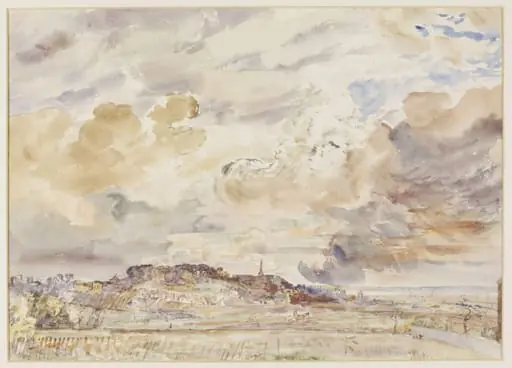 Gadshill, from the Three Crutches on the Gravesend - Rochester Road
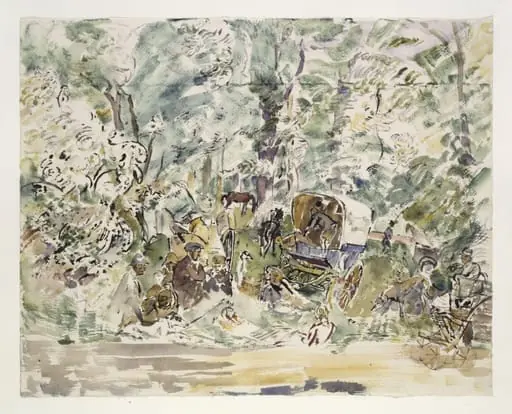 Gipsy Encampment
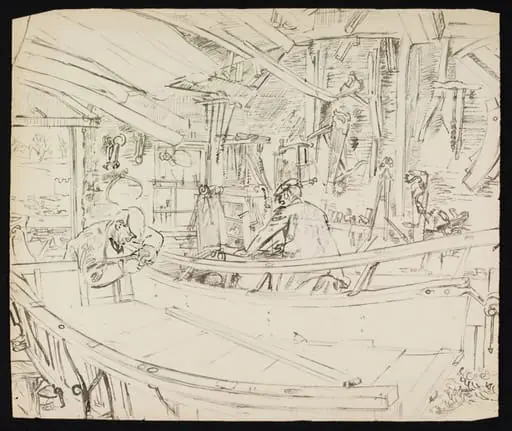 Building a Wiltshire Waggon near Longleat (April 1941)
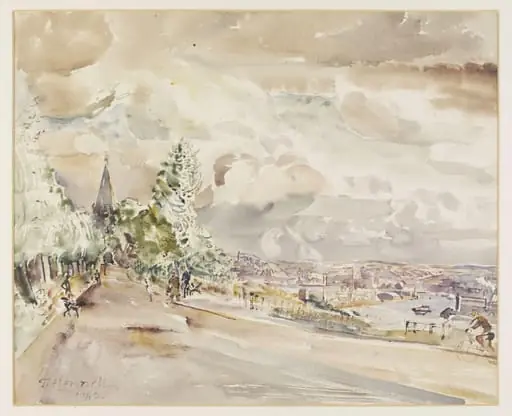 View of the Medway and part of Chatham from Frindsbury
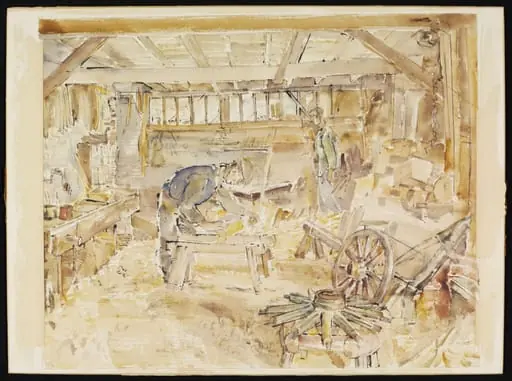 Wheelwrights at work in Mr. J. W. Brunt's Shop, Newington
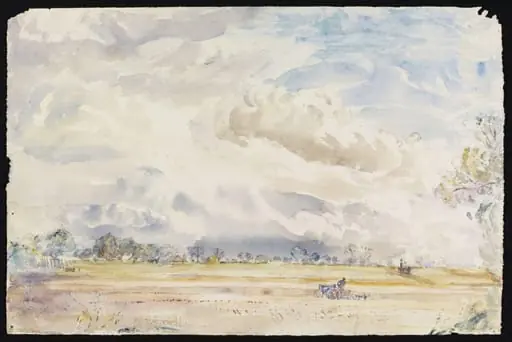 A view at Ridley
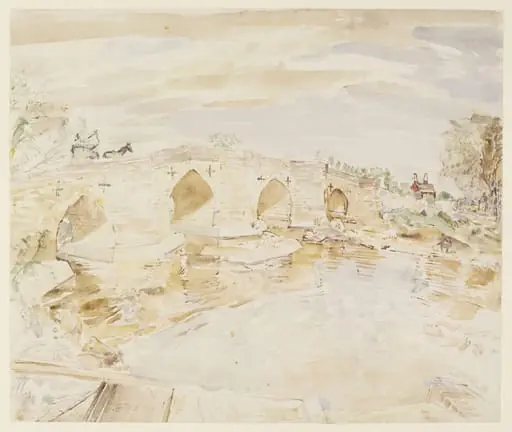 Yalding Bridge
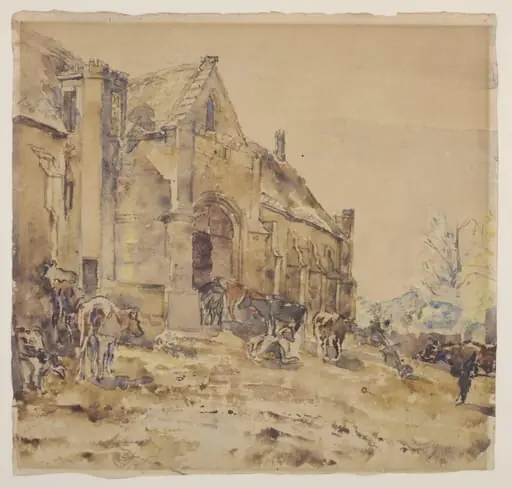 Tithe Barn, Abbotsbury
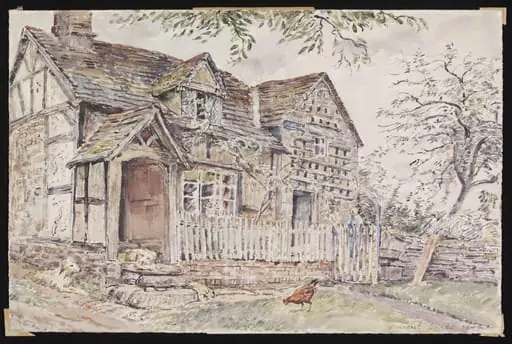 Pigeon House and Post Office, Mansel Lacy
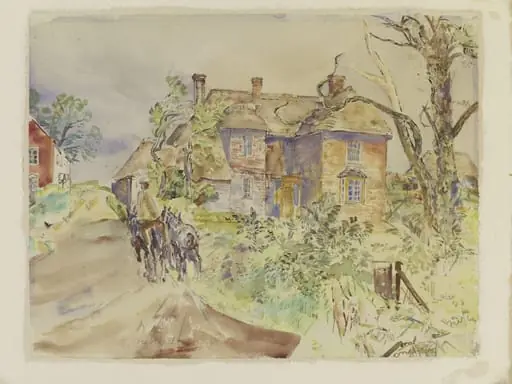 Waddock Farm, Clyffe, Nr. Dorchester
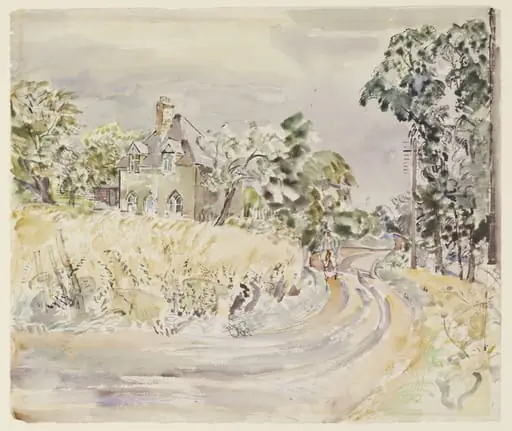 Gamekeepers Cottage (The Warren House), Cuxton Valley
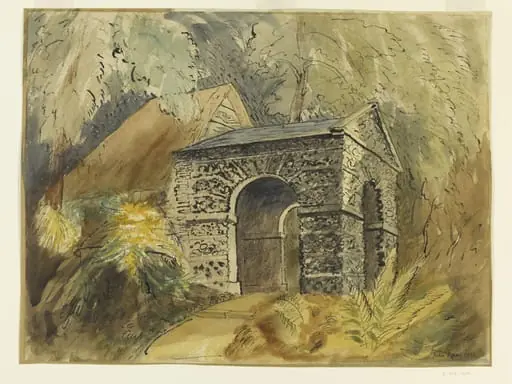 The Ice Store in the grounds of Buckland House near Faringdon
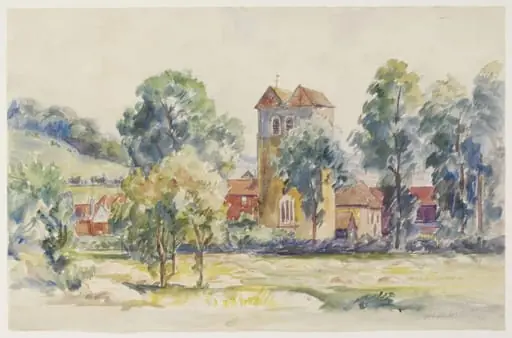 St. Bartholomew's Church, Fingest
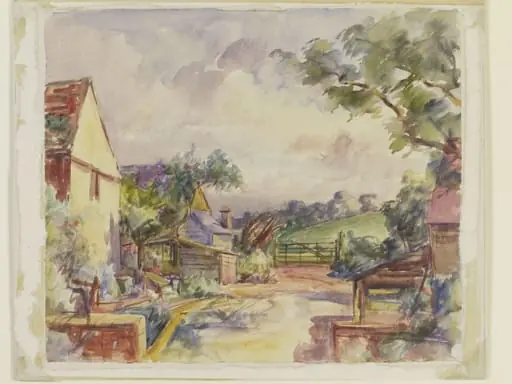 Glebe Farm, Fingest
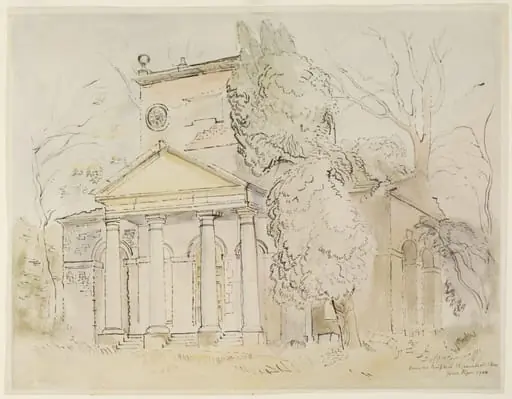 The Ruined Temple of Friendship in the Grounds at Stowe
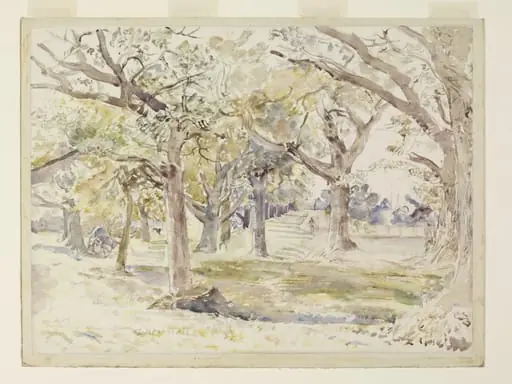 The Avenue, Bucklebury
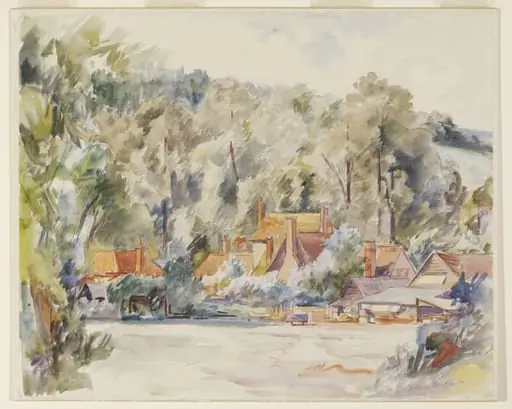 The Chequers Inn, Fingest
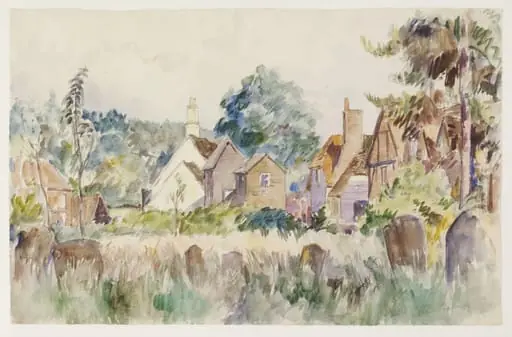 Princes Farm, Fingest
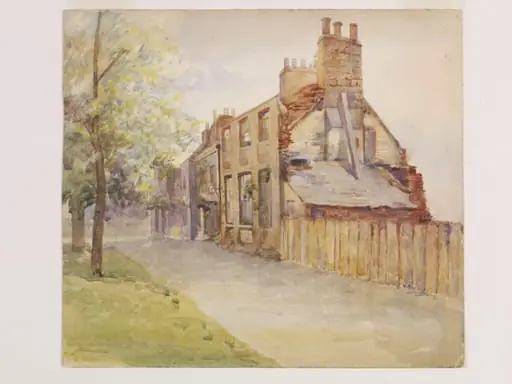 Old brick residences in the grounds of the South Kensington Museum (now the Victoria and Albert Museum)
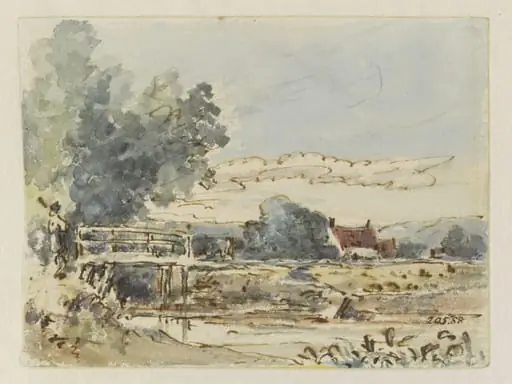 A bridge over a stream, with a cottage behind