Artwork
Salomon, Medicine Man
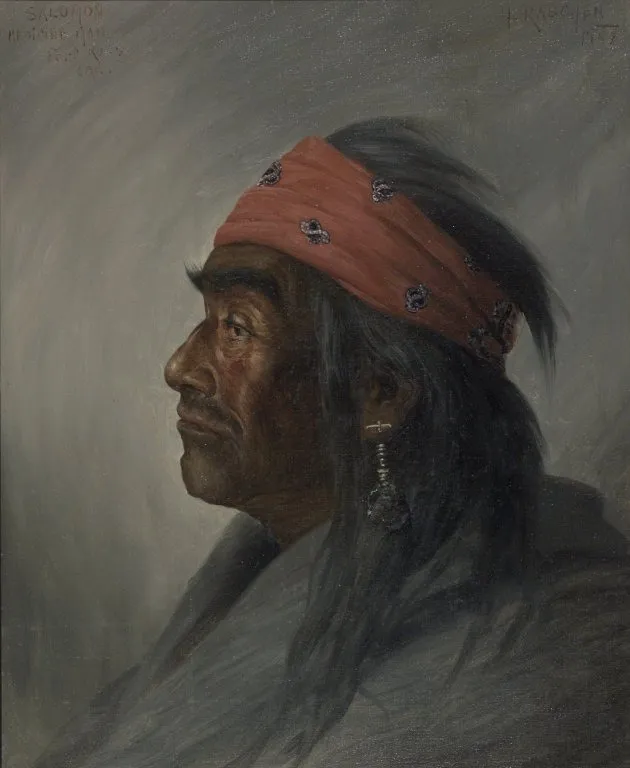
Salomon, Medicine Man is an oil painting by the American Impressionist artist Henry Raschen. It dates from 1898 and is held in the collection of the Brooklyn Museum.
About this work
Overview
Painted in 1898 by Henry Raschen, an artist of German origin active in California, this oil-on-canvas work portrays a Native American man identified as Salomon.
Painted in 1898 by Henry Raschen, an artist of German origin active in California, this oil-on-canvas work portrays a Native American man identified as Salomon. The painting is part of the Brooklyn Museum’s collection and reflects Raschen’s interest in documenting Indigenous individuals during a period of cultural transition. Its restrained palette and quiet composition distinguish it from more theatrical portrayals of the time.
Subject & Meaning
The figure, named Salomon, is depicted with long dark hair, a red headband featuring subtle black motifs, dangling earrings, and a plain white shirt. His posture and direct gaze suggest dignity and introspection. While the specific tribal affiliation is not documented, the attire and adornments imply a distinct cultural identity. The painting avoids romanticization, presenting the subject as an individual rather than a stereotype.
Technique & Style
Raschen employed oil paint with a muted, tonal palette and soft brushwork, aligning with American Impressionist tendencies. The background is rendered in neutral grays, drawing focus to the figure’s form and facial expression. There is no dramatic lighting or elaborate setting; instead, the composition emphasizes stillness and psychological presence, reflecting a preference for intimate realism over grand narrative.
History & Provenance
Created in 1898, the painting entered the Brooklyn Museum’s collection shortly after its completion. Raschen, who lived and worked in California, often painted local Native communities during the late 19th century, a time when ethnographic documentation was gaining traction among artists and anthropologists. The work’s survival and institutional preservation suggest early recognition of its cultural value.
Context
In the late 1800s, many American artists turned to Indigenous subjects as symbols of a vanishing way of life. Raschen’s approach, however, avoided exoticism, favoring quiet observation. His depictions reflect a broader trend among West Coast painters to engage with Native communities on a personal level, often through direct portraiture rather than staged scenes.
Legacy
Though not widely exhibited today, *Salomon, Medicine Man* remains a quiet example of late 19th-century American portraiture that sought to represent Indigenous individuals with dignity. It contributes to a growing body of work by non-Native artists who, despite their limitations, recorded faces and details that might otherwise have been lost to historical erasure.
Artist & collection
Artist
Henry Raschen (October 2, 1856 – August 24, 1937) was a German-born American painter. He did paintings of California landscapes and Native Americans.

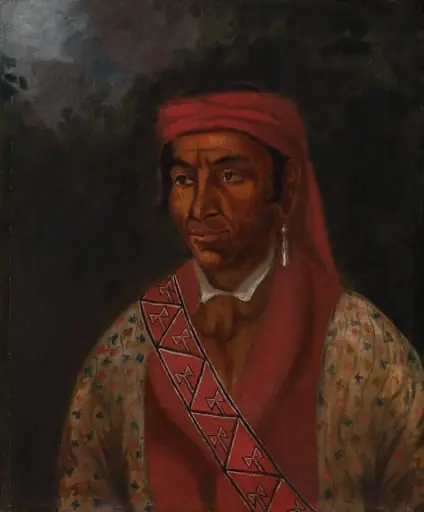 Chief Jumper of the Seminoles
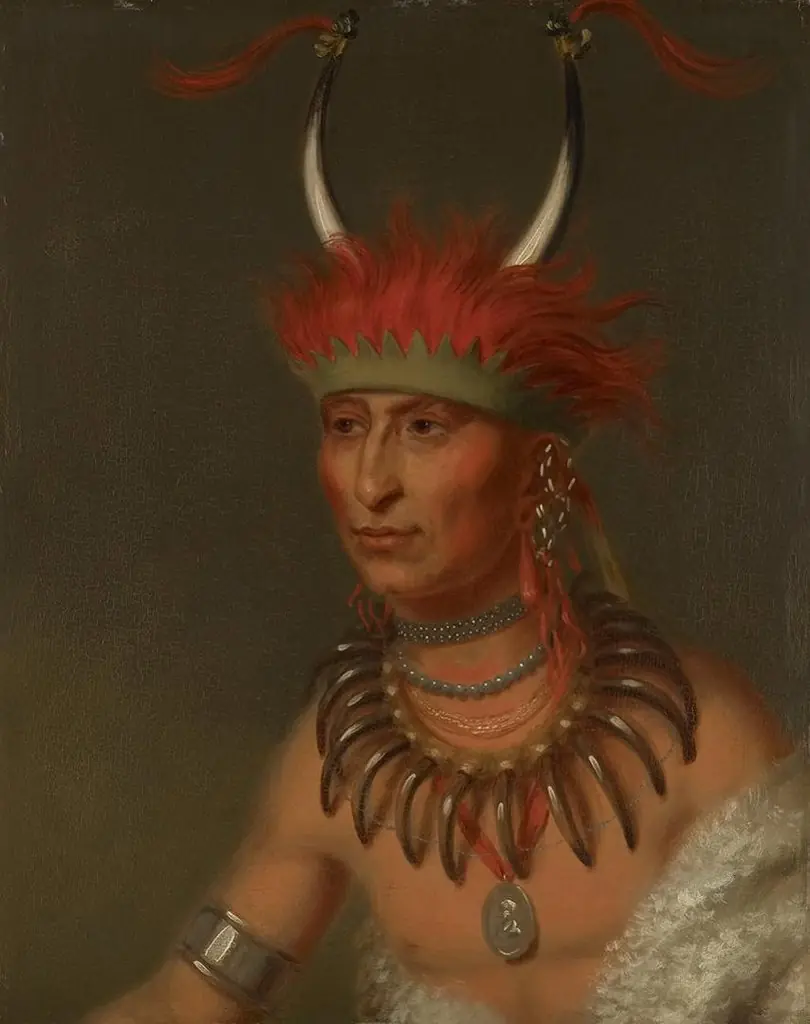 Shaumonekusse, Oto Half Chief (Husband of Eagle of Delight)
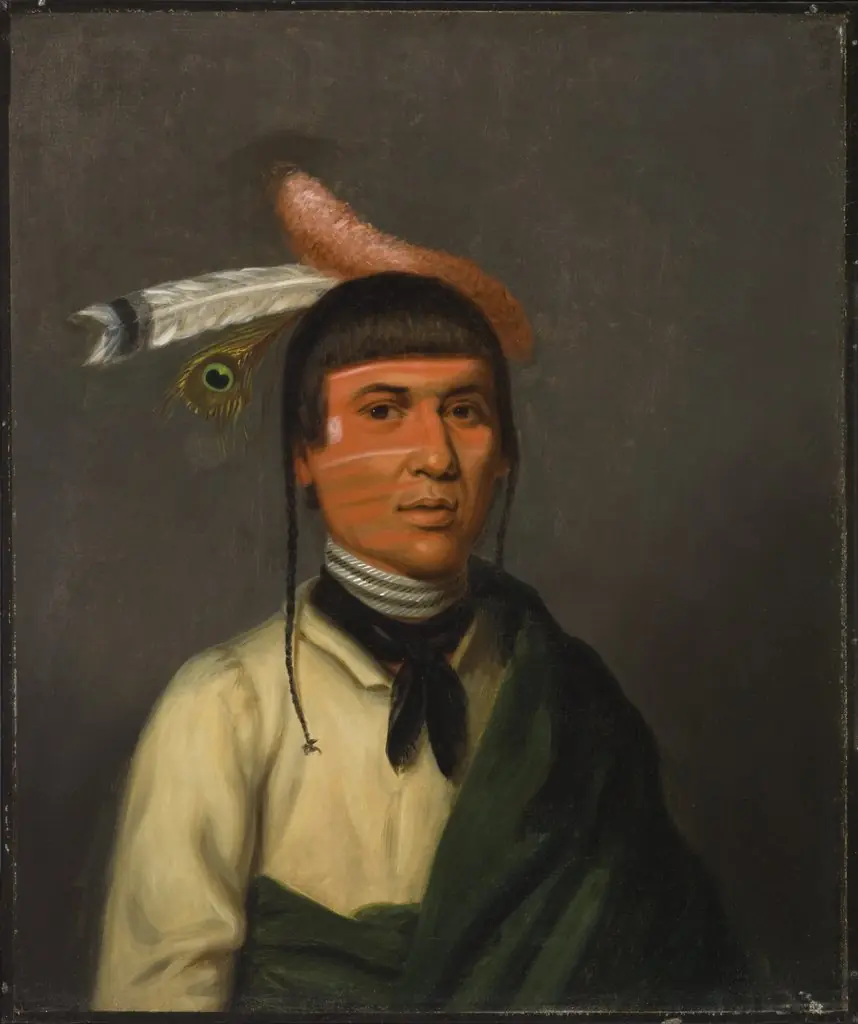 No-Tin (Wind), a Chippewa Chief
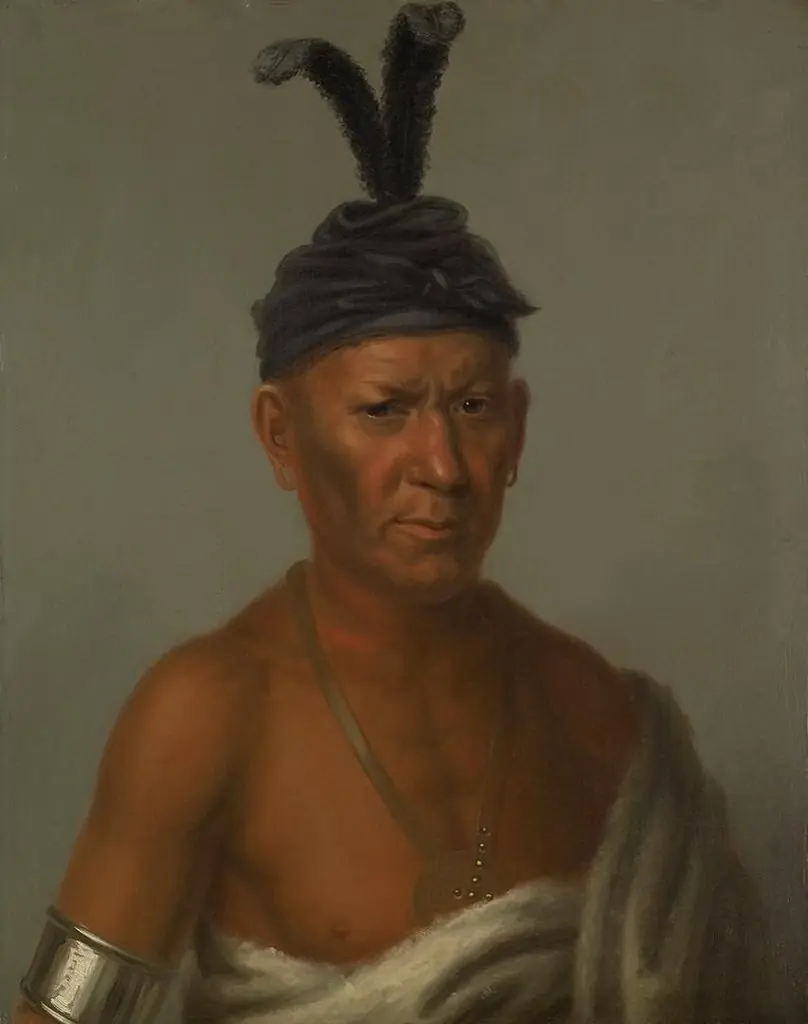 Wakechai (Crouching Eagle), Saukie Chief
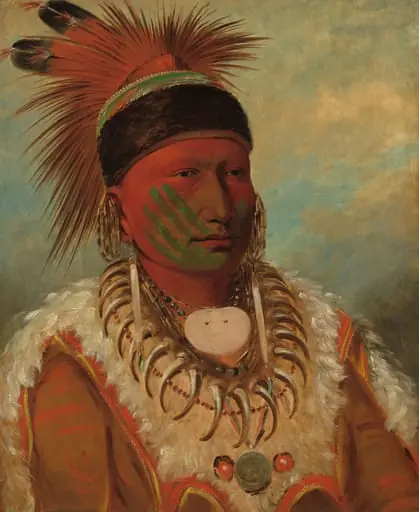 The White Cloud, Head Chief of the Iowas
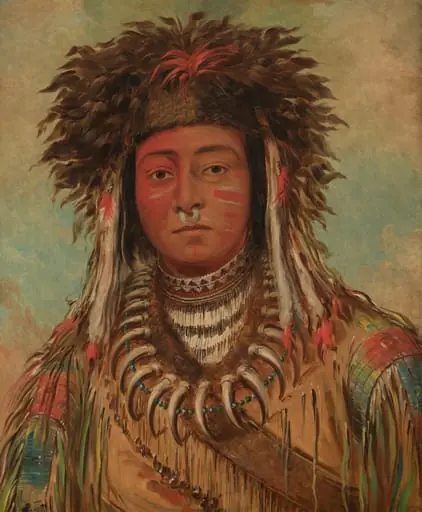 Boy Chief - Ojibbeway
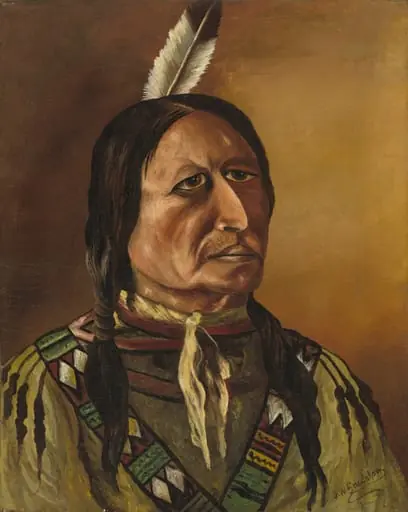 Plains Indian
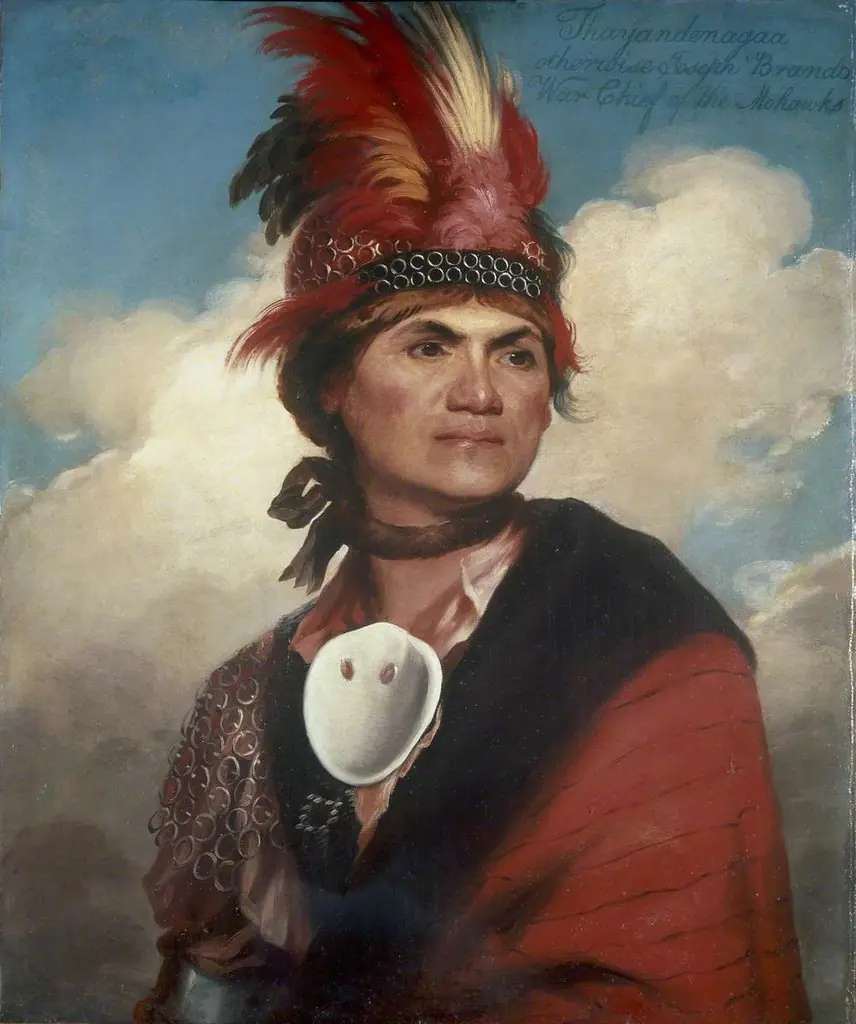 Thayendanegea (Joseph Brant, c.1743–1807)
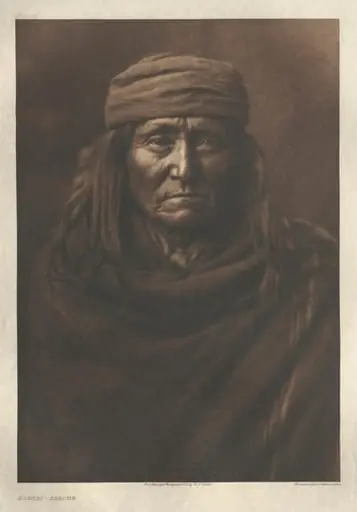 Portfolio I, Plate 16: Eskadi-Apache
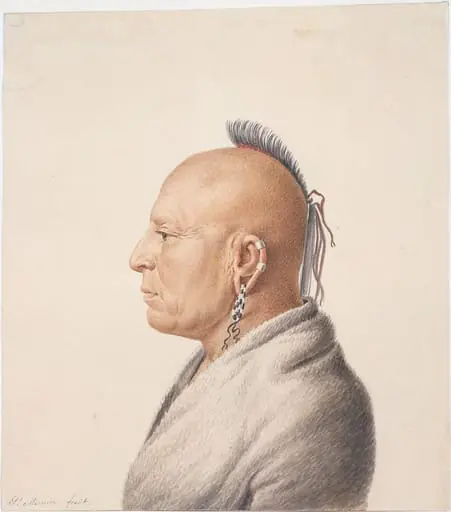 Osage Warrior