Artwork
Portfolio I, Plate 16: Eskadi-Apache
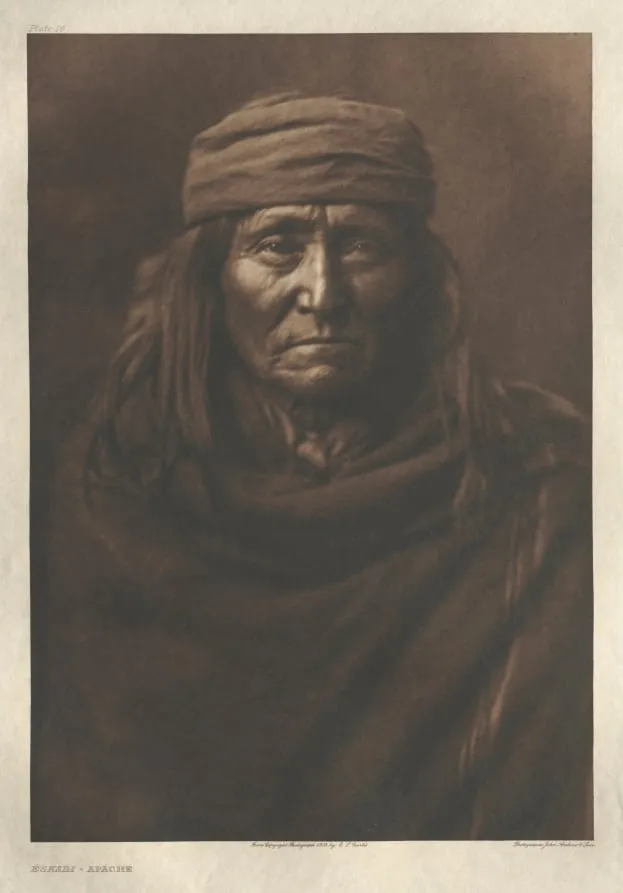
Portfolio I, Plate 16: Eskadi-Apache is a work on paper by Edward S. Curtis. It dates from 1903 and is held in the collection of the Cleveland Museum of Art.
About this work
Overview
Curtis produced between 1903 and 1907 as part of his larger ethnographic project.
Portfolio I, Plate 16: Eskadi-Apache is one of 100 photogravures Edward S. Curtis produced between 1903 and 1907 as part of his larger ethnographic project. This image, taken in 1903, captures an Apache individual with quiet intensity. The work was later acquired by The Cleveland Museum of Art, where it remains as part of a collection documenting Indigenous life in the American Southwest during a period of rapid cultural change.
Subject & Meaning
The subject is an elderly Apache person, identified in Curtis’s records as Eskadi. Dressed in a thick, woven cloak and wearing a dark headband to secure long hair, their expression is composed and unsmiling. The portrait avoids romanticization, presenting the individual with dignity and psychological depth. Curtis intended these images as records of a way of life he believed was vanishing, though the context of his work remains contested today.
Technique & Style
Curtis employed photogravure, a labor-intensive printing process that allowed for rich tonal gradations. He used controlled natural light to sculpt the face with chiaroscuro, emphasizing the texture of skin, fabric, and hair. The plain background eliminates distraction, directing attention to the subject’s presence. The technique mirrors 19th-century portrait traditions but adapts them to documentary aims, blending artistry with ethnographic intent.
History & Provenance
Created as Plate 16 in Curtis’s Portfolio I, this image was printed in a limited run of 250 sets between 1903 and 1907. The Cleveland Museum of Art acquired it as part of a larger donation of Curtis materials in the mid-20th century. Its preservation reflects institutional interest in early photographic ethnography, though its historical framing has since been critically reevaluated by scholars and Indigenous communities.
Context
Curtis worked during a time when U.S. government policies were displacing Native communities and suppressing cultural practices. His project, funded privately, aimed to document Indigenous peoples before they were assumed to disappear. While his images are valued for their technical quality, they also reflect the paternalistic assumptions of the era, often omitting contemporary realities and presenting subjects as timeless relics.
Legacy
Curtis’s portfolio remains a significant, if problematic, archive in the history of American photography. Scholars now examine these images alongside Indigenous voices and oral histories to understand both their aesthetic power and their role in shaping public perceptions. The Cleveland Museum of Art presents the work with contextual framing, acknowledging its dual status as historical document and cultural artifact.
Artist & collection

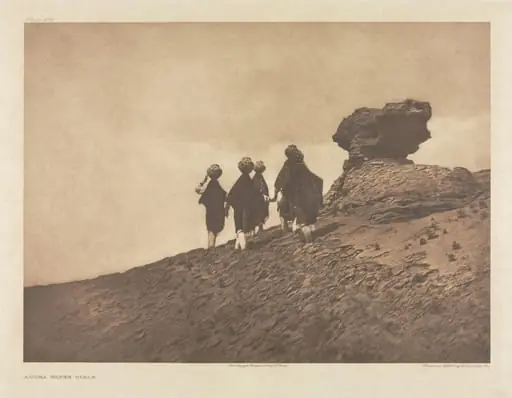 Portfolio XVI, Plate 573: Acoma Water Girls
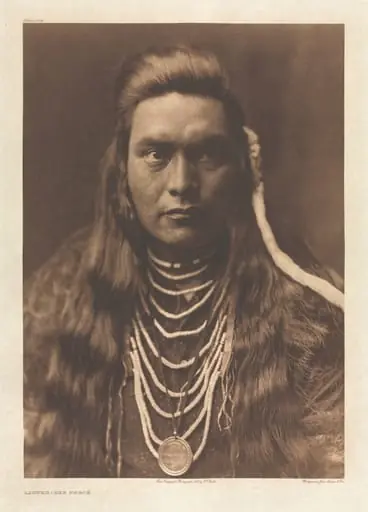 Portfolio VIII, Plate 264: Lawyer - Nez Percé
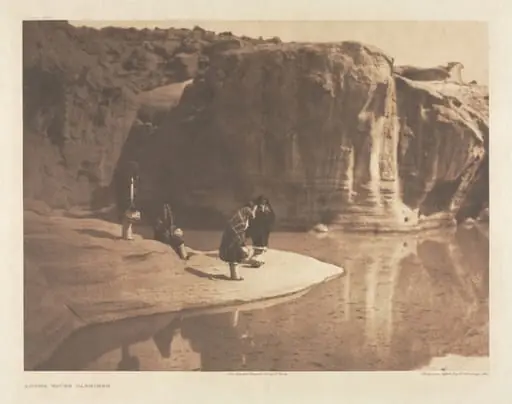 Portfolio XVI, Plate 568: Acoma Water Carriers
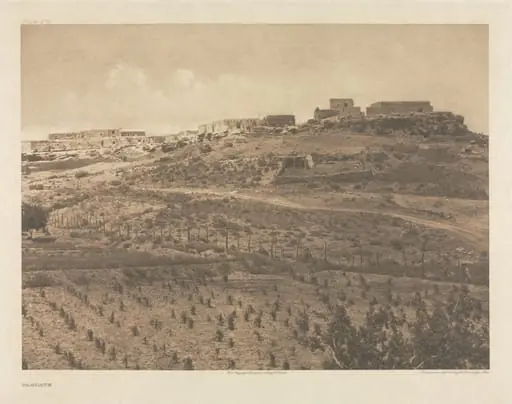 Portfolio XVI, Plate 574: Paguate
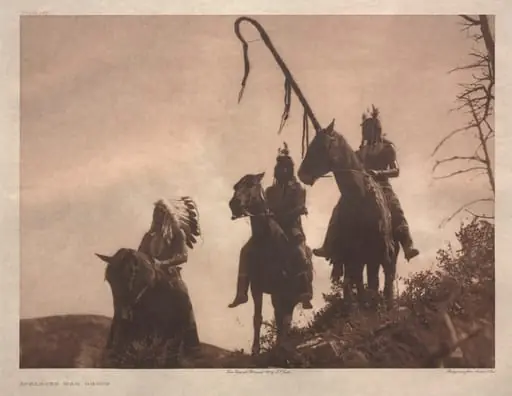 Portfolio IV, Plate 147: Apsaroke War Group
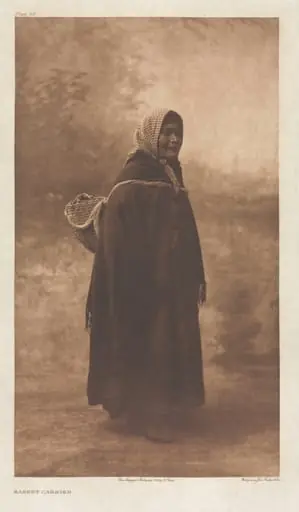 Portfolio IX, Plate 311: Basket Carrier
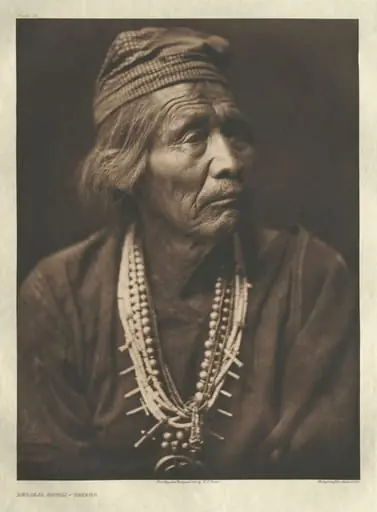 Portfolio I, Plate 31: Nesjája Hatáli-Navaho
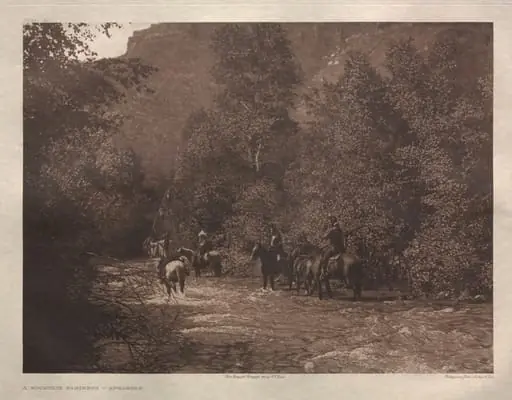 Portfolio IV, Plate 140: A Mountain Fastness--Apsaroke
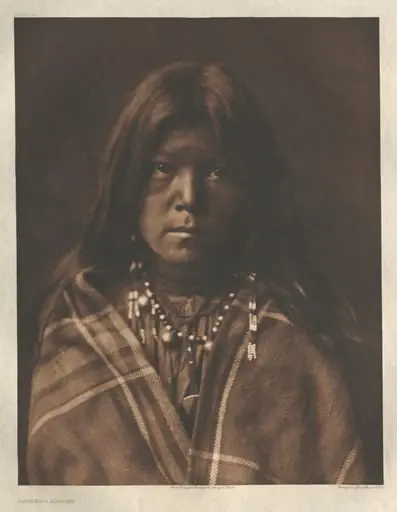 Portfolio I, Plate 18: Chideh-Apache
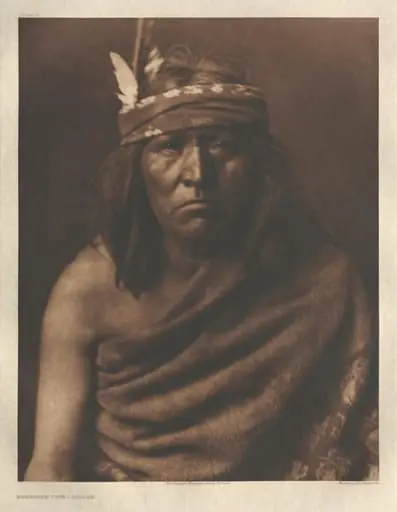 Portfolio I, Plate 12: Renegade Type-Apache
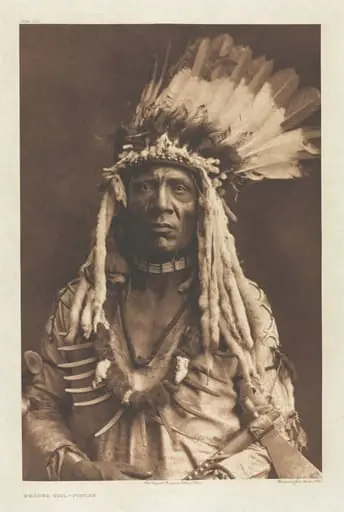 Portfolio VI, Plate 203: Weasel Tail - Piegan
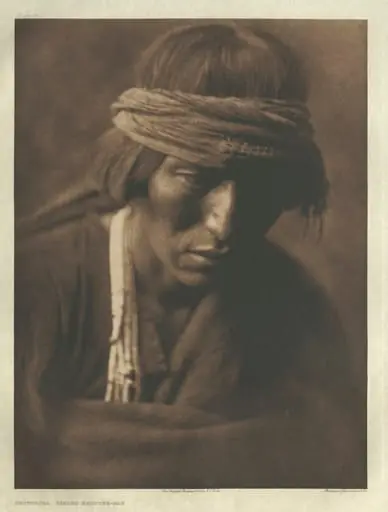 Portfolio I, Plate 35: Hastobíga-Navaho Medicine-Man
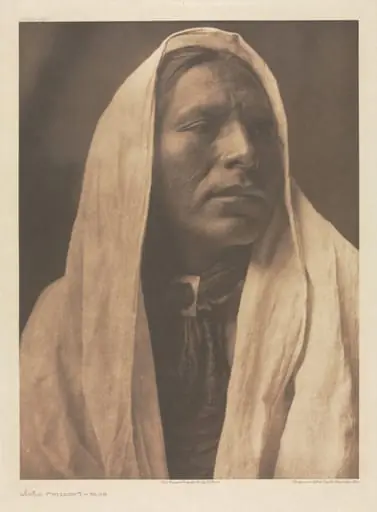 Portfolio XVI, Plate 545: Iahla ("Willow") - Taos
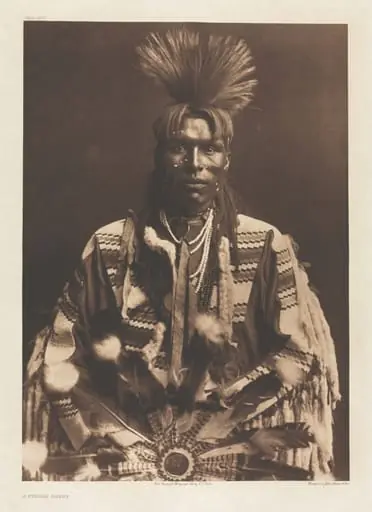 Portfolio VI, Plate 208: A Piegan Dandy
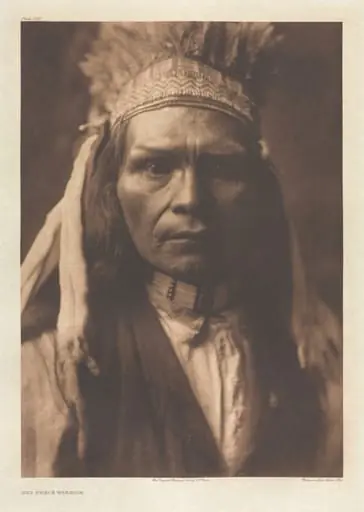 Portfolio VIII, Plate 262: Nez Percé Warrior
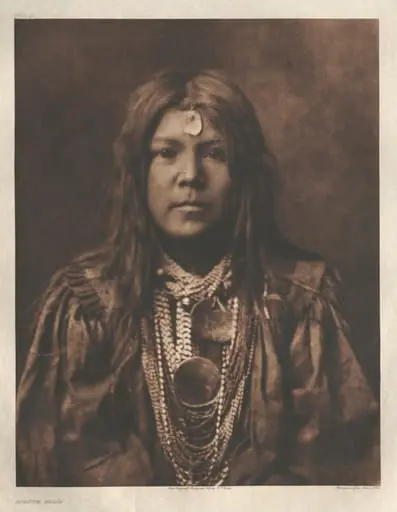 Portfolio I, Plate 15: Apache Nalin
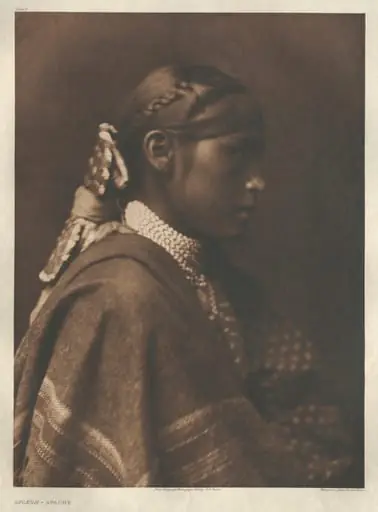 Portfolio I, Plate 6: Sígesh-Apache
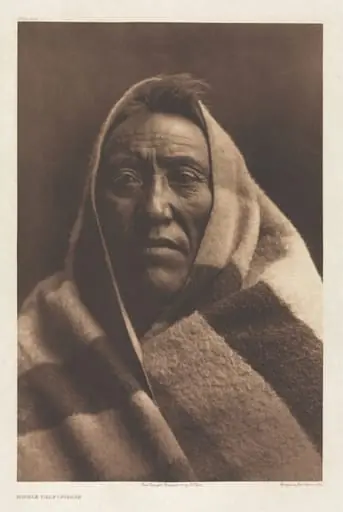 Portfolio VI, Plate 202: Middle Calf - Piegan
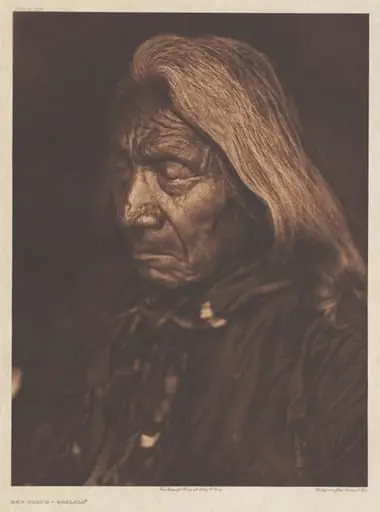 Portfolio III, Plate 103: Red Cloud-Ogalala