Artwork
Albrecht Durer
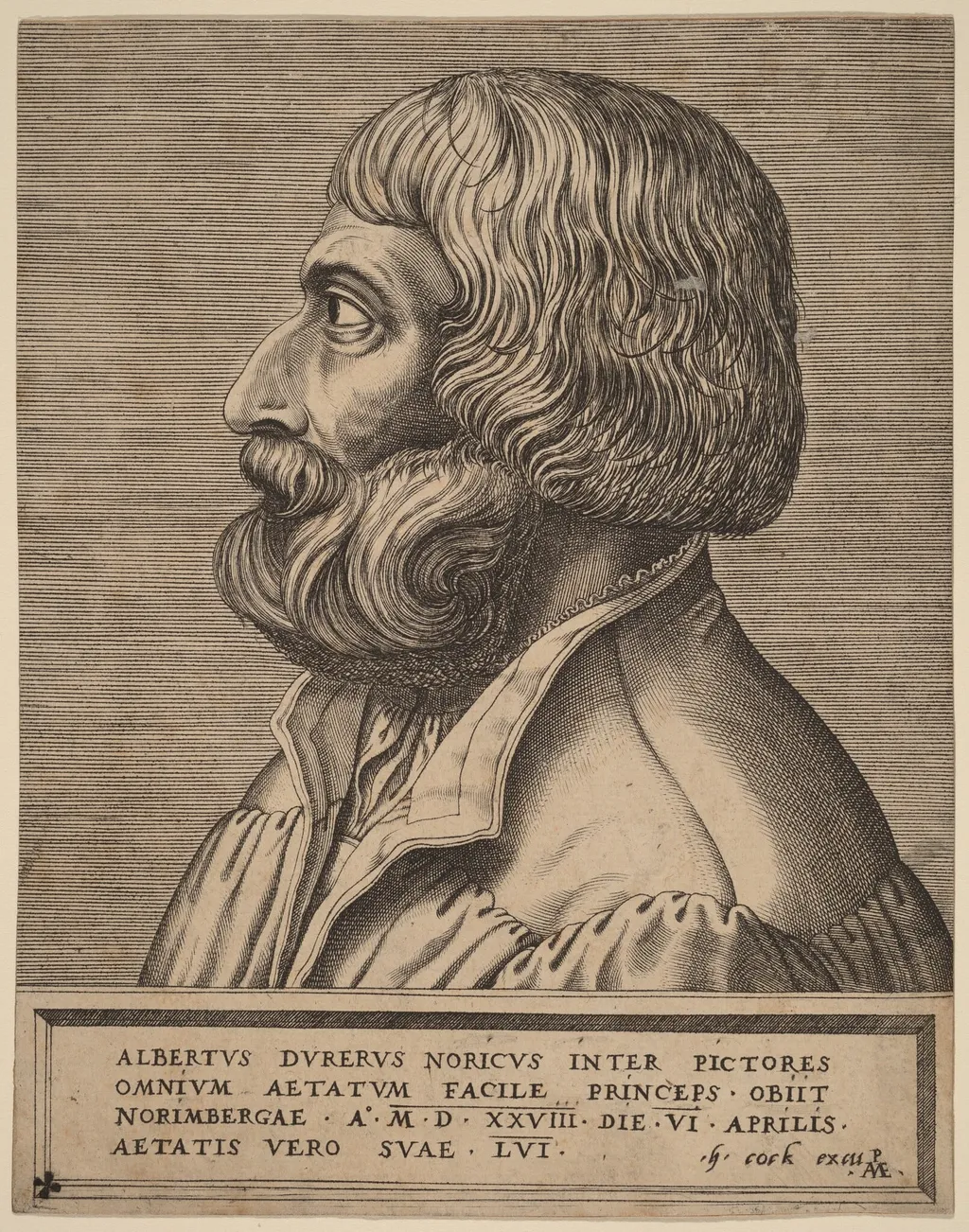
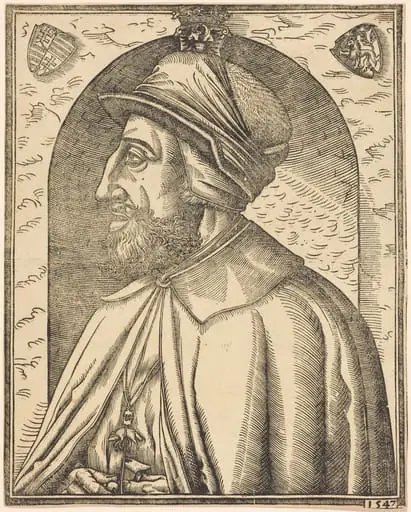
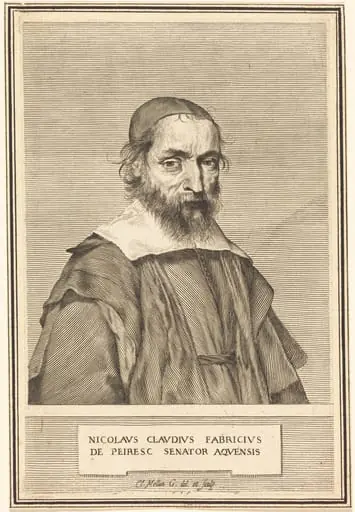
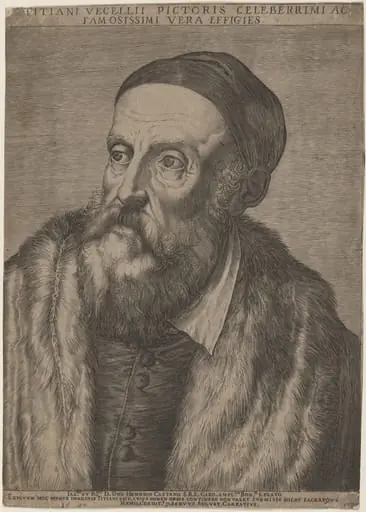
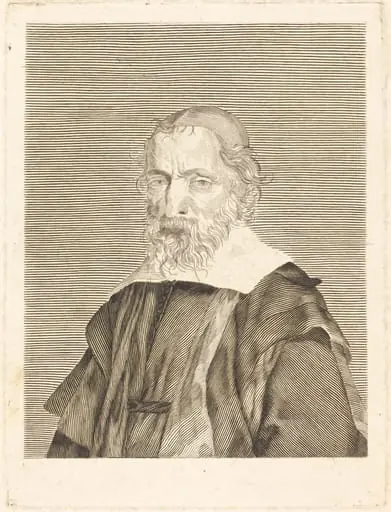
Albrecht Durer is an ink print by the Renaissance artist Pieter van der Heyden. It dates from 1554 and is held in the collection of the National Gallery of Art. This mid‑sixteenth‑century engraving, executed on laid paper, presents a bearded male sitter turned slightly toward the viewer.
About this work
Overview
This mid‑sixteenth‑century engraving, executed on laid paper, presents a bearded male sitter turned slightly toward the viewer. He wears a ruffled collar and his short hair frames a face rendered with fine, intersecting lines that suggest depth. The background is a uniform gray, focusing attention on the portrait’s subtle modeling.
Subject & Meaning
The figure appears to be a generic portrait rather than a specific individual, typical of reproductive prints that circulated images of notable artists. By depicting a man in contemporary dress with a contemplative gaze, the work reflects Renaissance interests in individual character and the study of human physiognomy.
Technique & Style
Pieter van der Heyden employed meticulous engraving, using cross‑hatching to build tonal variation across skin and fabric. The fine incised lines on the laid paper create a delicate texture, while the restrained composition aligns with the Northern Renaissance’s emphasis on precise detail and controlled chiaroscuro.
History & Provenance
Created around 1554, the print reproduces a design originally by Albrecht Dürer, the renowned German artist. Van der Heyden, a Flemish engraver known for copying works of leading painters, disseminated Dürer’s image to a broader audience, illustrating the cross‑regional exchange of artistic ideas during the period.
Artist & collection

Artist
Pieter van der Heyden (c. 1530 - after March 1572) was a Flemish printmaker who is known for his reproductive engravings after works by leading Flemish painters and designers of the 16th century.