Artwork
King Ferdinand of Austria
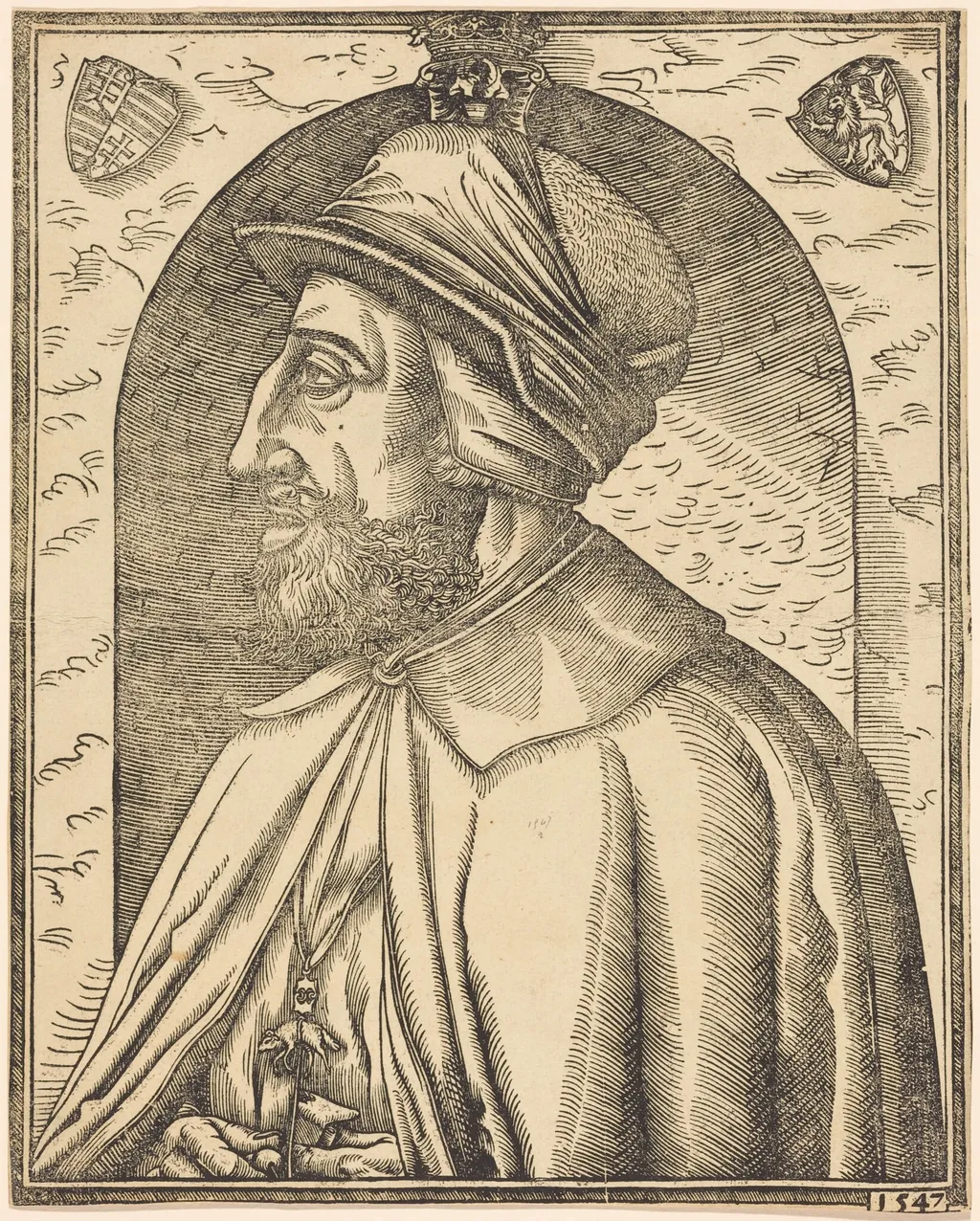
King Ferdinand of Austria is an ink print by the Renaissance artist French 16th Century. It dates from 1547 and is held in the collection of the National Gallery of Art.
About this work
Overview
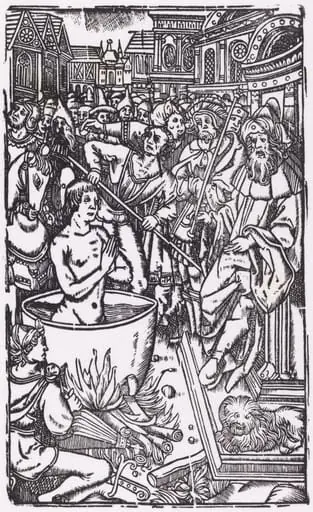
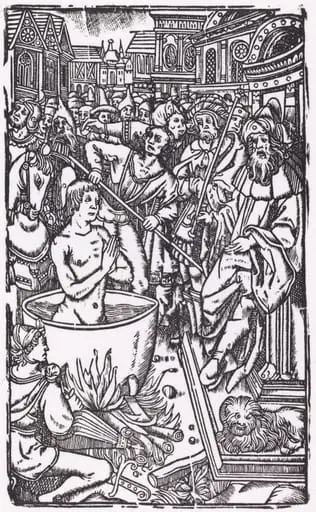
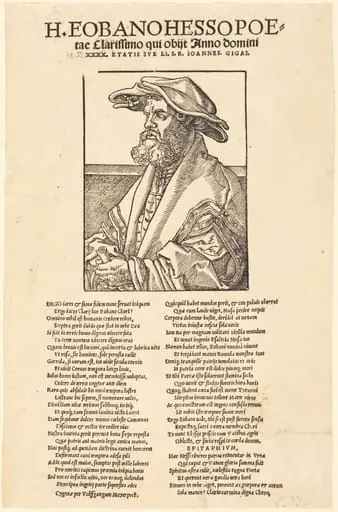
King Ferdinand of Austria is a woodcut print depicting a bearded, robe-clad figure with clasped hands and a distinctive tall, wide-brimmed hat, set against a minimalist background of sketchy buildings and clouds.
Subject & Meaning
The subject is identified as King Ferdinand of Austria, implying the work's purpose may have been to disseminate his likeness or commemorate his rule, though specific contextual meaning is not immediately conveyed by the image alone.
Technique & Style
The artist employed cross-hatching, a prevalent woodcut technique, to achieve depth and texture, particularly evident in the intricate rendering of the subject's beard and robe.
History & Provenance
No specific historical production date or ownership history is provided for the woodcut, limiting detailed contextualization within the artist's oeuvre or the subject's lifetime.
Context
Created using the woodcut method, this work aligns with a common printmaking technique of its time, facilitating mass production and dissemination of images, potentially for political, informational, or decorative purposes.
Legacy
The woodcut's impact or influence on subsequent art or historical records is not specified, suggesting either a lack of notable legacy or insufficient information to assess its broader cultural or artistic significance.
Artist & collection

Artist
A French artist from the 1500s made metal sculptures and prints that feel like Renaissance snapshots.

![Allegory of the Life of a Scholar in a Rich Household [fol. 3 verso / 4 recto], by French 16th Century](https://artifactworldgallery.com/img/french-16th-century--allegory-of-the-life-of-a-scholar-in-a-rich-household-fol-3--52df746155b443e5-w320.webp)