Artwork
The Wedding of Mopsus and Nisa
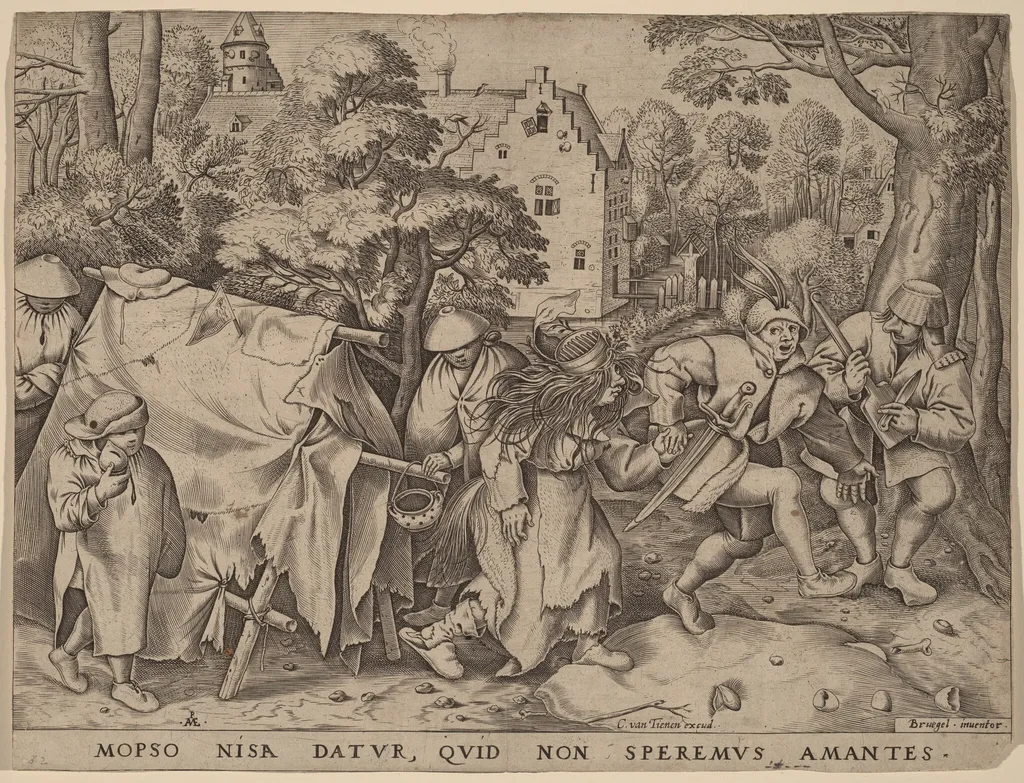
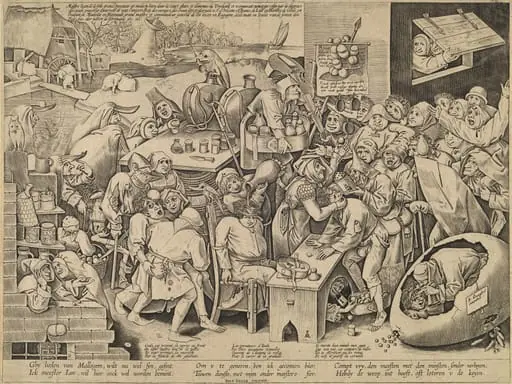
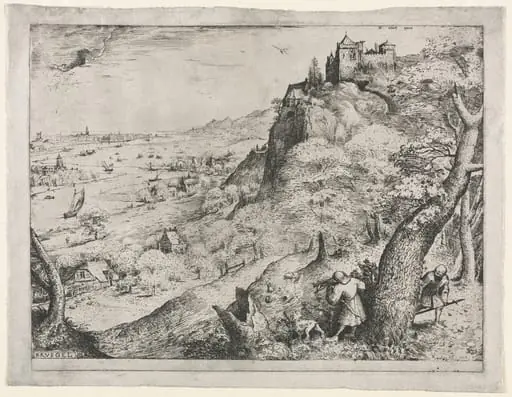
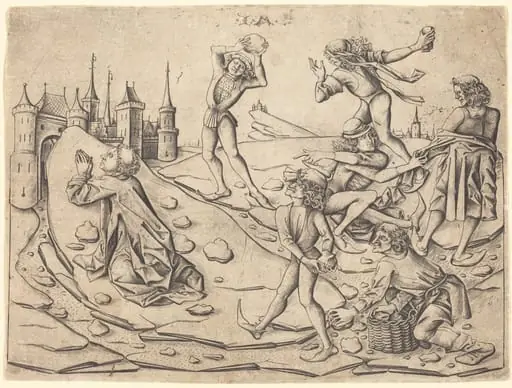
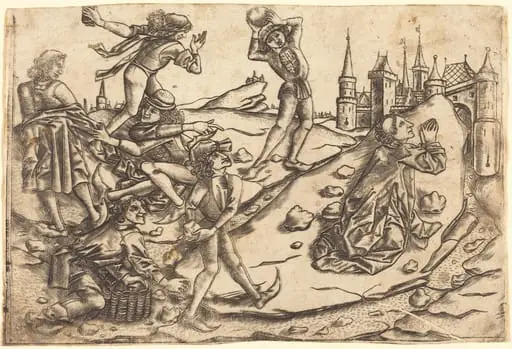
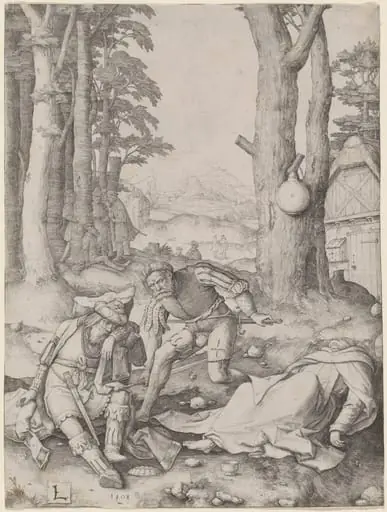
The Wedding of Mopsus and Nisa is an ink print by the Renaissance artist Pieter van der Heyden. It dates from 1570 and is held in the collection of the National Gallery of Art.
About this work
Overview
The piece captures a mythological wedding, rendered with precision through fine linear engraving techniques typical of the period.
Created in 1570 by Flemish engraver Pieter van der Heyden, this print is a reproductive work based on a design by another artist, likely from the circle of Pieter Bruegel the Elder. Van der Heyden specialized in translating painted compositions into detailed engravings, contributing to the widespread circulation of Netherlandish imagery during the mid-16th century. The piece captures a mythological wedding, rendered with precision through fine linear engraving techniques typical of the period.
Subject & Meaning
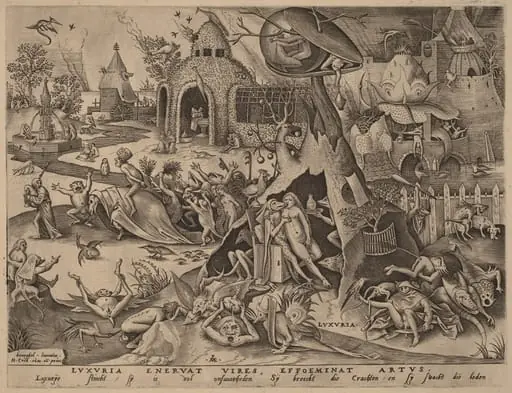
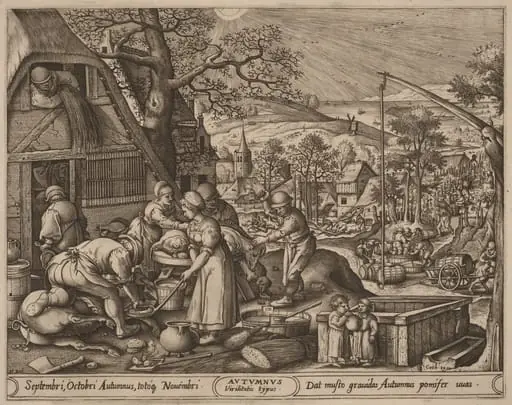
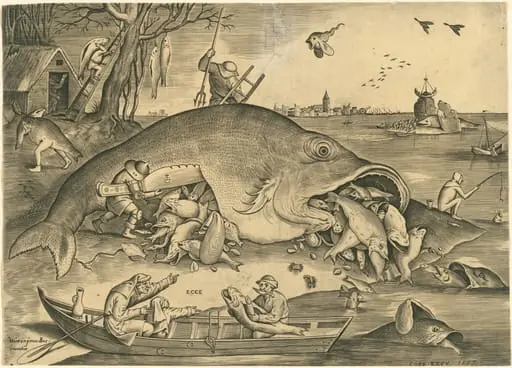
The scene portrays the mythical union of Mopsus and Nisa, figures from classical pastoral lore, set within a chaotic natural landscape. Figures include musicians, dancers, and a goat-headed entity, suggesting a blend of human ritual and wild, untamed forces. Scattered food and a half-eaten pig hint at excess or transience. The composition may reflect Renaissance allegories on love’s unpredictability, where order and disorder coexist, possibly commenting on the fragile boundaries between civilization and nature.
Technique & Style
Van der Heyden employed fine, controlled engraving lines to build texture and depth across a densely packed scene. The intricate detailing of foliage, garments, and architectural elements demonstrates mastery of the burin tool. Unlike broad brushwork, the engraving’s precision allows for the layering of small figures and objects, creating visual rhythm without clarity of focus. The monochrome palette enhances the graphic quality, emphasizing form over color to guide the viewer’s eye through the narrative.
History & Provenance
The print was produced during a peak era for Northern European printmaking, when engravings served as affordable reproductions of popular compositions. Van der Heyden frequently collaborated with publishers and designers in Antwerp, a hub for artistic dissemination. While the original painting it derives from is lost, multiple impressions of this engraving survive in public and private collections, indicating its circulation among educated collectors and artisans of the time.
Context
In 16th-century Flanders, mythological themes were often used to explore moral or philosophical ideas under the guise of classical storytelling. The blending of human and animal figures, along with pastoral settings, aligned with broader trends in Bruegelian imagery that questioned social norms through allegory. This print reflects a cultural moment when print media enabled complex narratives to reach audiences beyond elite patrons, embedding layered symbolism into everyday visual culture.
Legacy
Though not widely known today, van der Heyden’s work contributed to the visual vocabulary of Northern Renaissance allegory. His engravings preserved and extended the influence of major painters whose originals were inaccessible to most. This print, with its dense symbolism and technical refinement, remains a representative example of how printmaking functioned as both art and communication, shaping how myth and morality were understood across early modern Europe.
Artist & collection

Artist
Pieter van der Heyden (c. 1530 - after March 1572) was a Flemish printmaker who is known for his reproductive engravings after works by leading Flemish painters and designers of the 16th century.