Artwork
The Adoration of the Magi
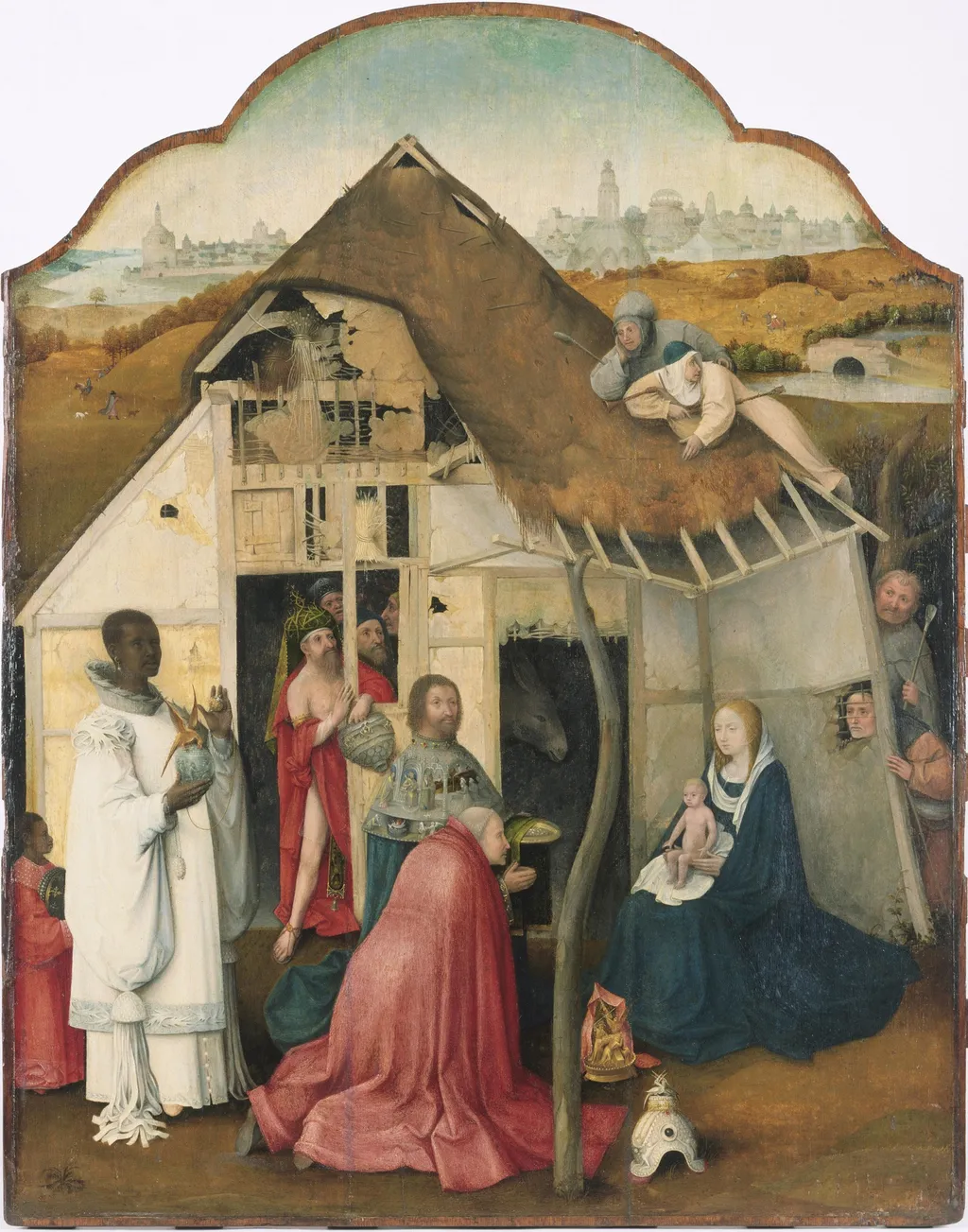
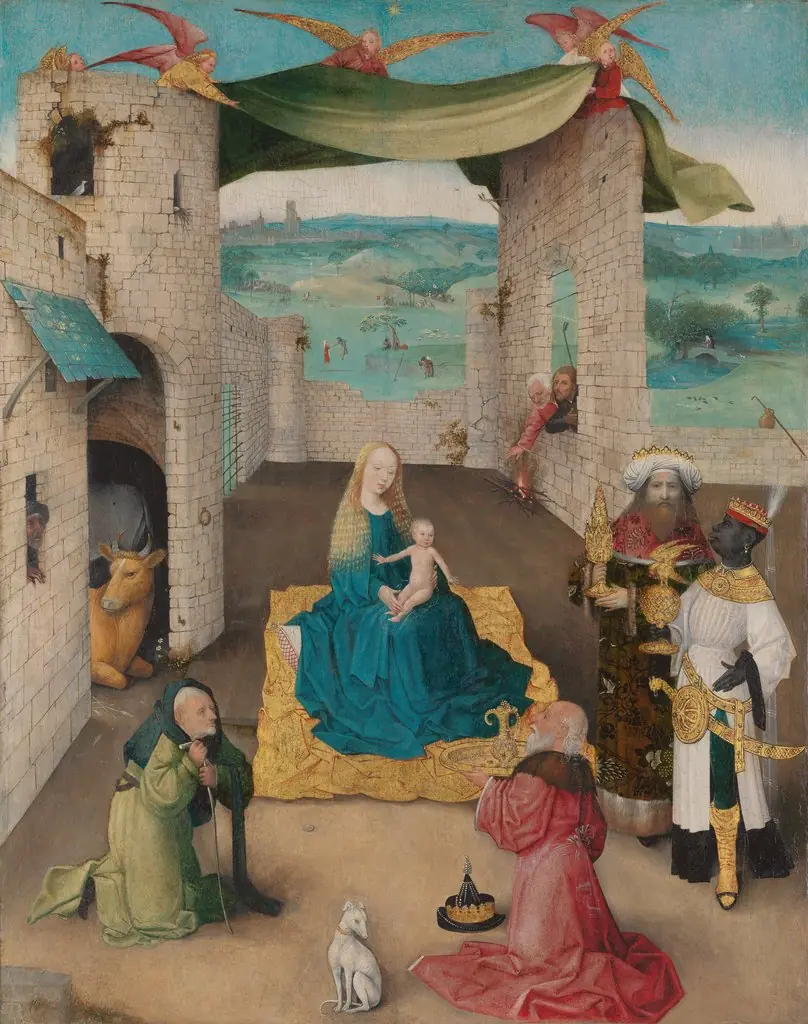
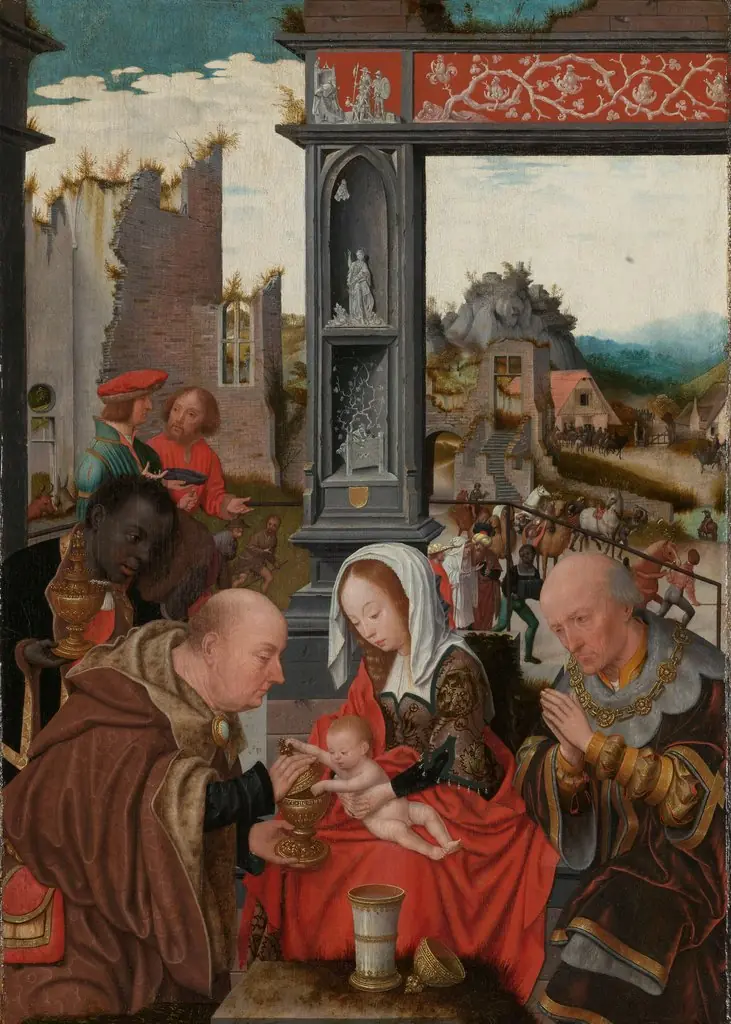
The Adoration of the Magi is an oil painting by the Northern Renaissance artist Hieronymus Bosch. It is held in the collection of the Philadelphia Museum of Art.
About this work
Overview
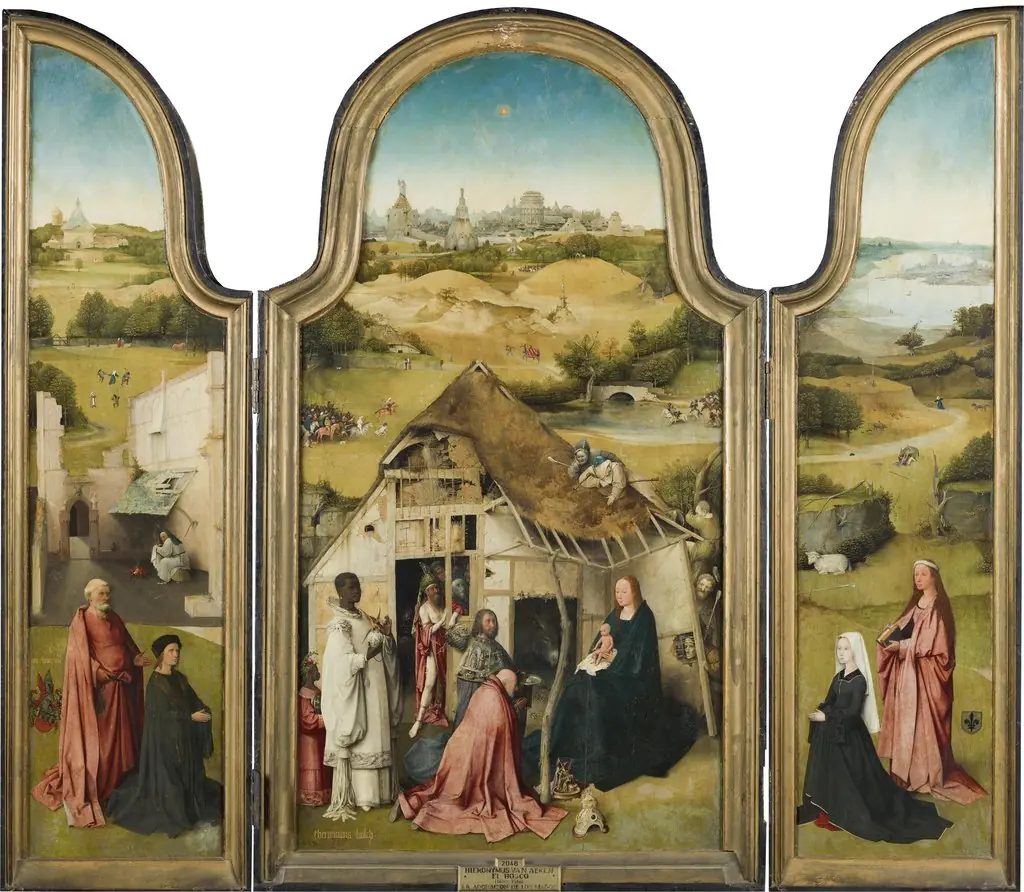
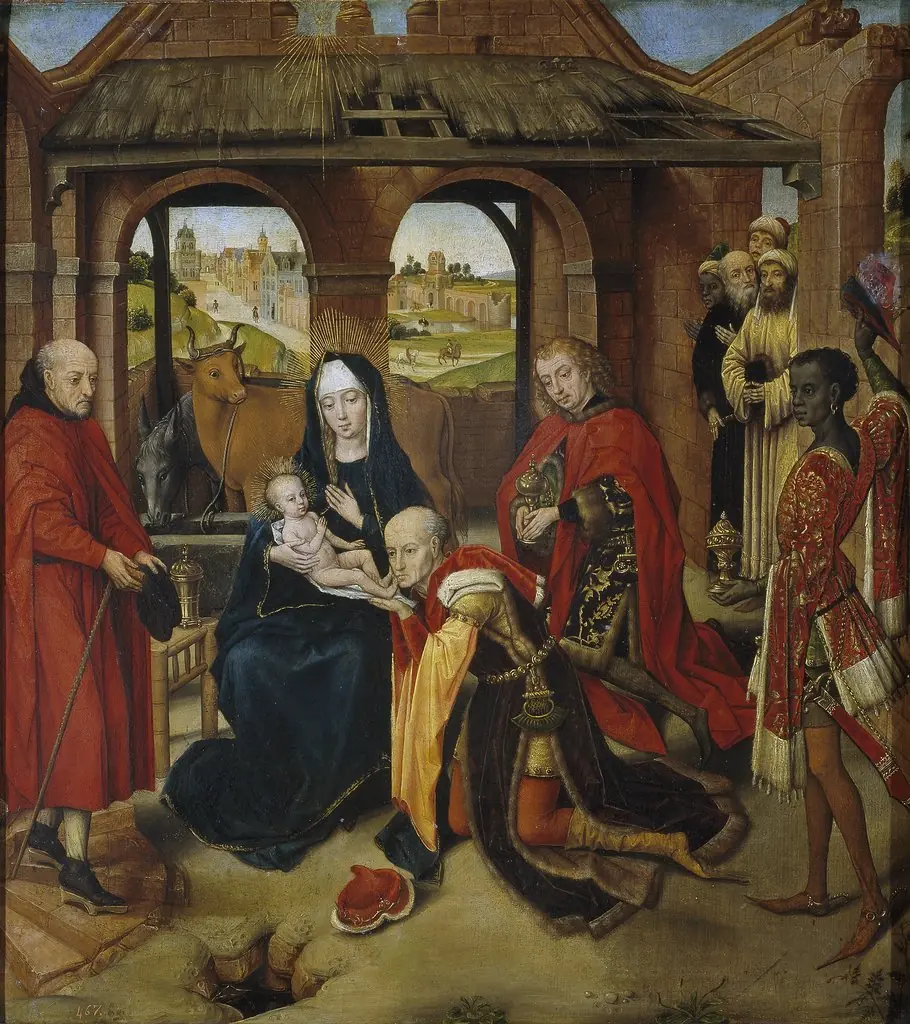
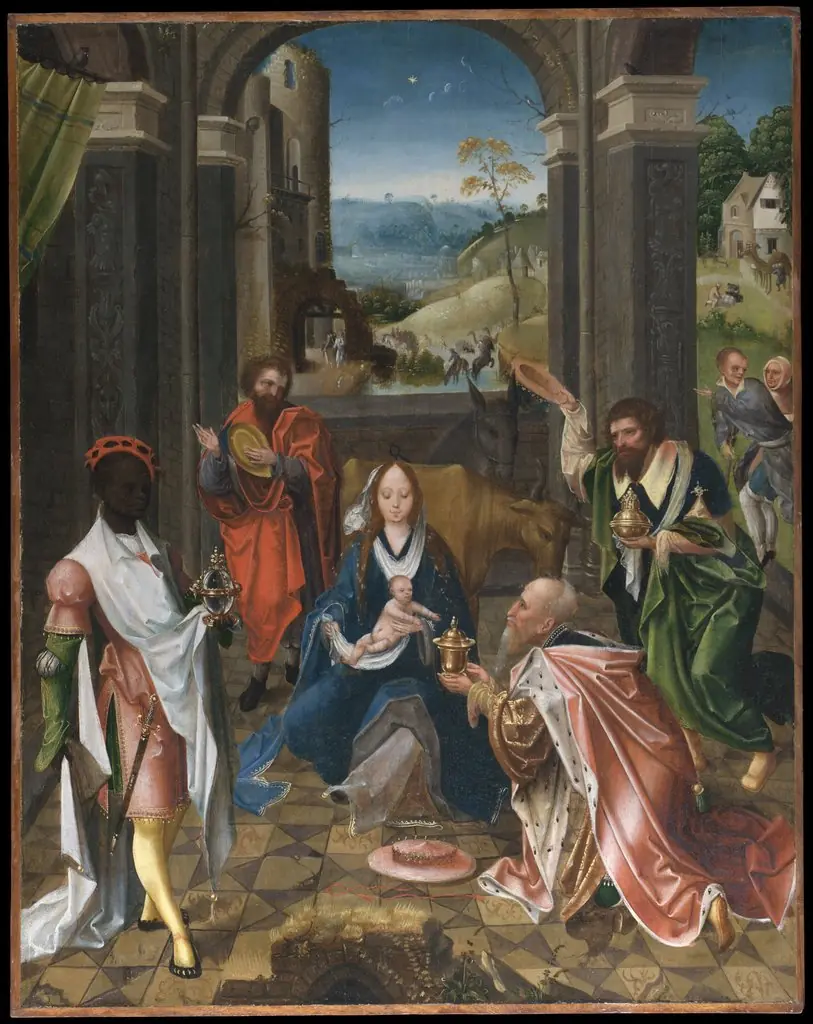
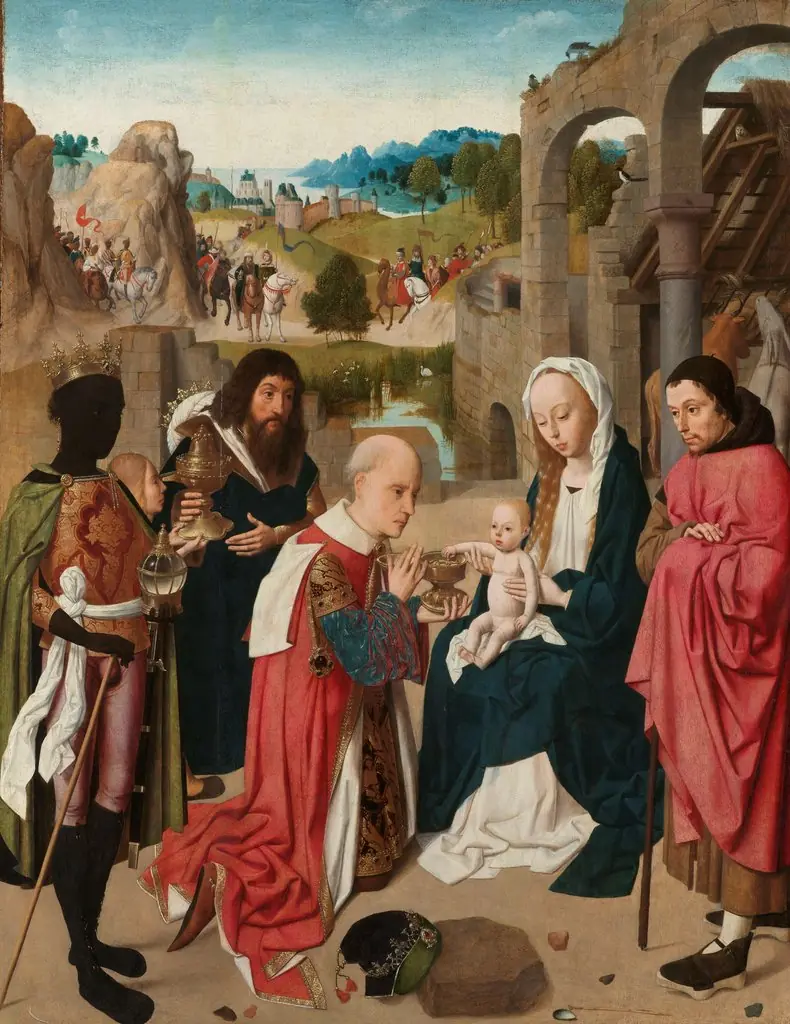
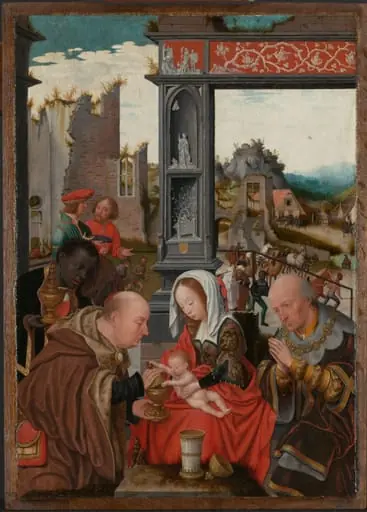
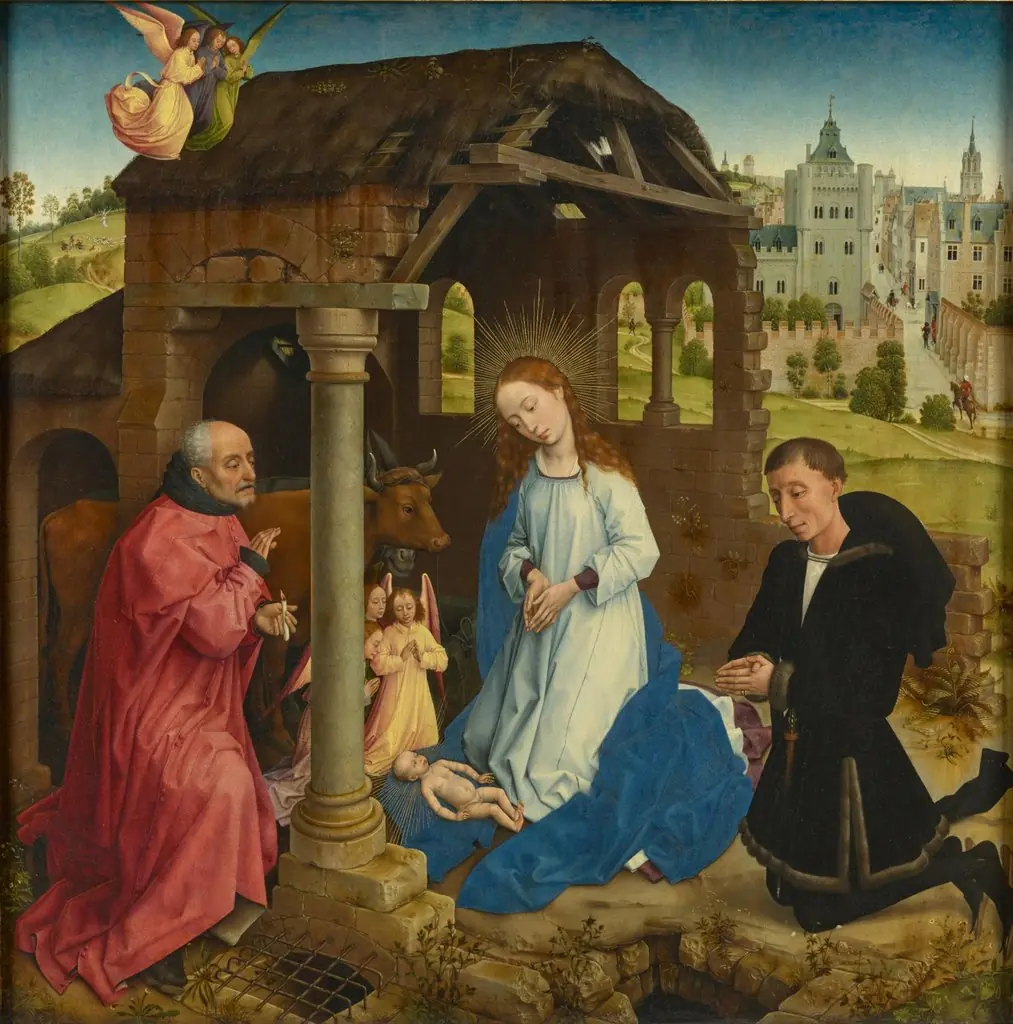
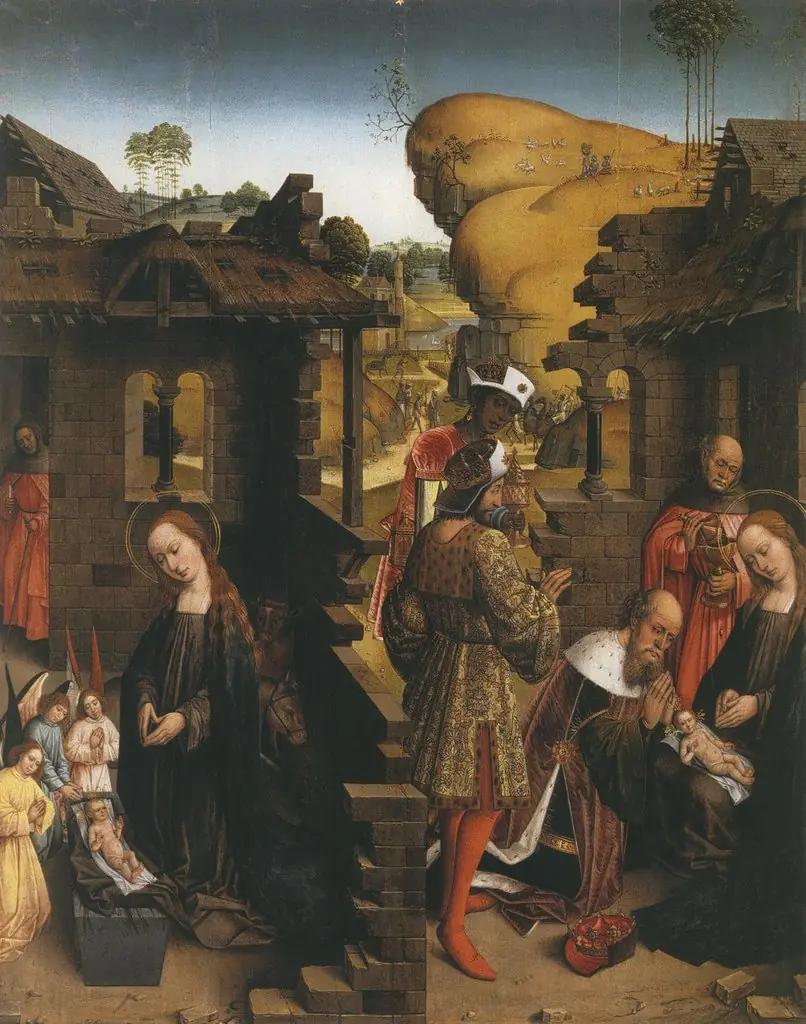
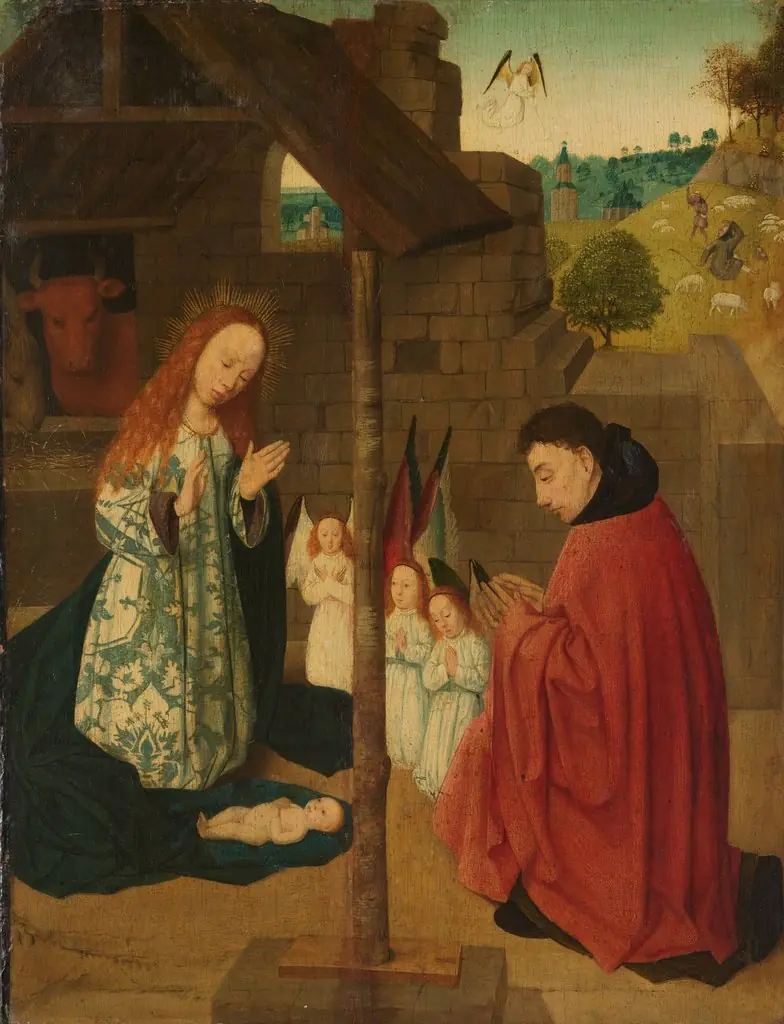
Hieronymus Bosch’s *Adoration of the Magi* is an oil painting on oak, created in the mid‑16th century and now part of the Philadelphia Museum of Art’s collection. The composition centers on a newborn Christ cradled in a woman’s lap, surrounded by a gathering of figures that includes a kneeling donor in a red robe and a curious donkey peeking from a nearby structure.
Subject & Meaning
The work presents the biblical episode of the Magi’s homage to the infant Jesus, though Bosch expands the scene beyond the traditional three wise men. By placing the child among a larger crowd and integrating domestic architecture, the painter underscores the universal reach of the nativity narrative, inviting viewers to contemplate the intersection of the sacred and everyday life.
Technique & Style
Executed in oil on oak, the painting showcases Bosch’s characteristic attention to detail: intricate costumes, elaborate jewelry, and a richly textured background. The artist’s Northern Renaissance sensibility is evident in the precise rendering of fabrics and the atmospheric depth achieved through subtle gradations of light across the cityscape and water.
History & Provenance
Although Bosch is primarily associated with the Early Netherlandish school, this later work reflects his continued engagement with religious themes. After changing hands among private collectors, the canvas entered the Philadelphia Museum of Art, where it remains on display as part of the museum’s European painting holdings.
Artist & collection
Artist
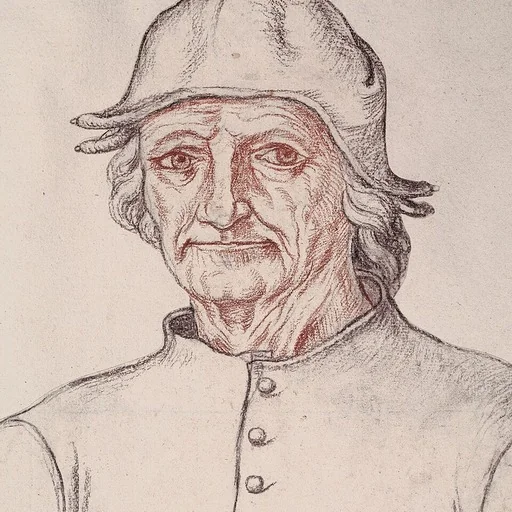
Hieronymus Bosch (; Dutch: ; born Jheronimus van Aken ; c. 1450 – 9 August 1516) was a Dutch painter from Brabant. He is one of the most notable representatives of the Early Netherlandish painting school. His work,…