Artwork
De aanbidding van de koningen
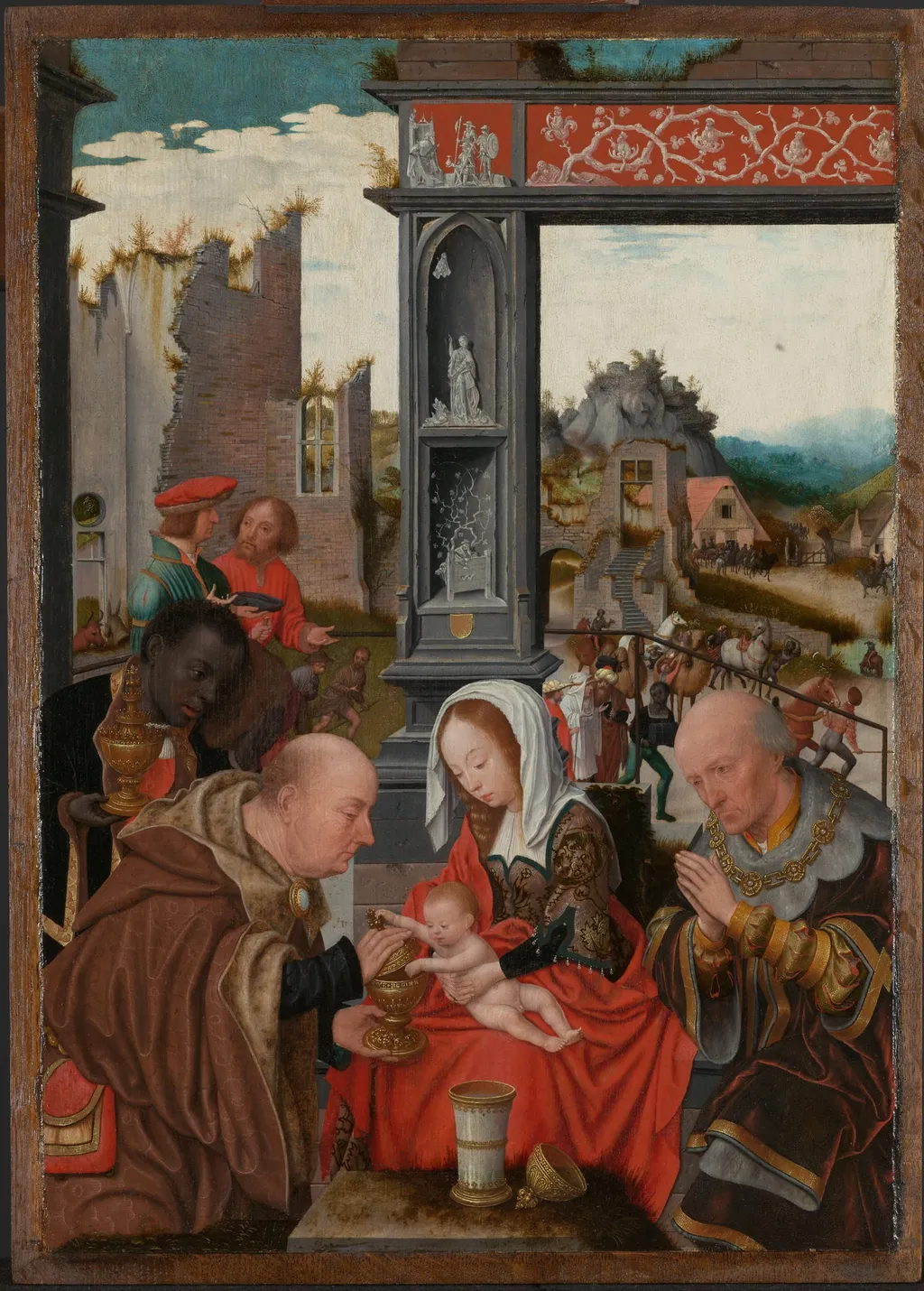
De aanbidding van de koningen is an unspecified painting by the Northern Renaissance artist Jan Mostaert. It dates from 1520 and is held in the collection of the Rijksmuseum.
About this work
Overview
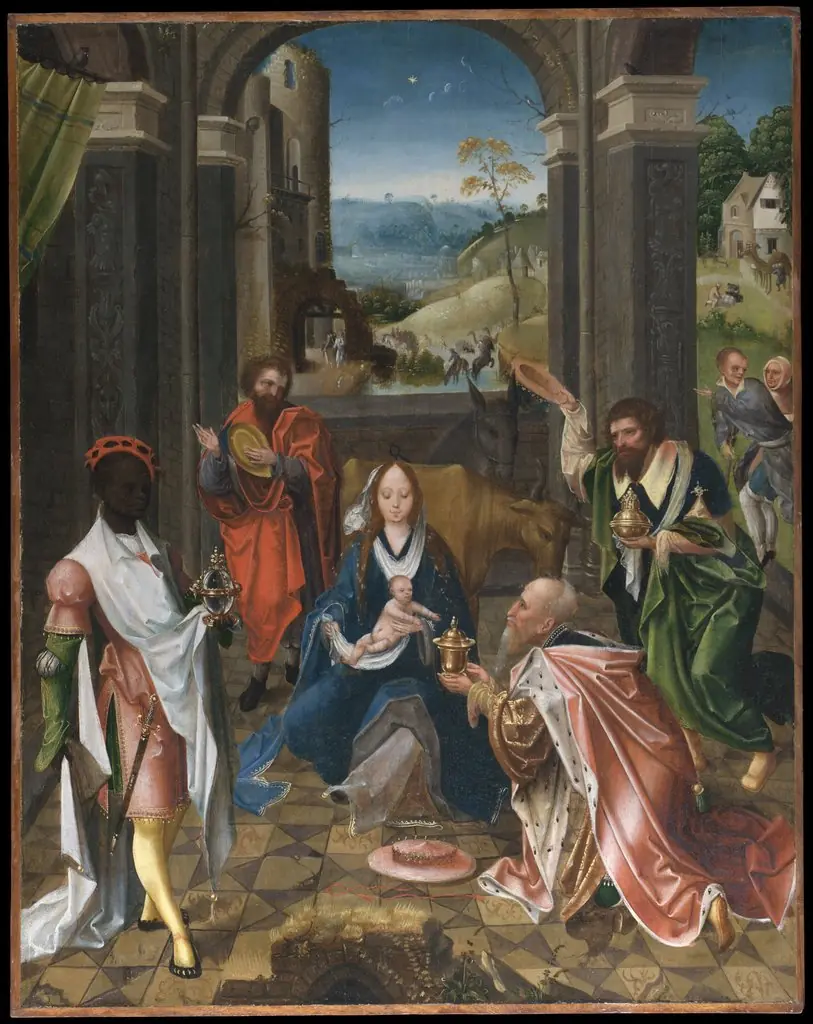
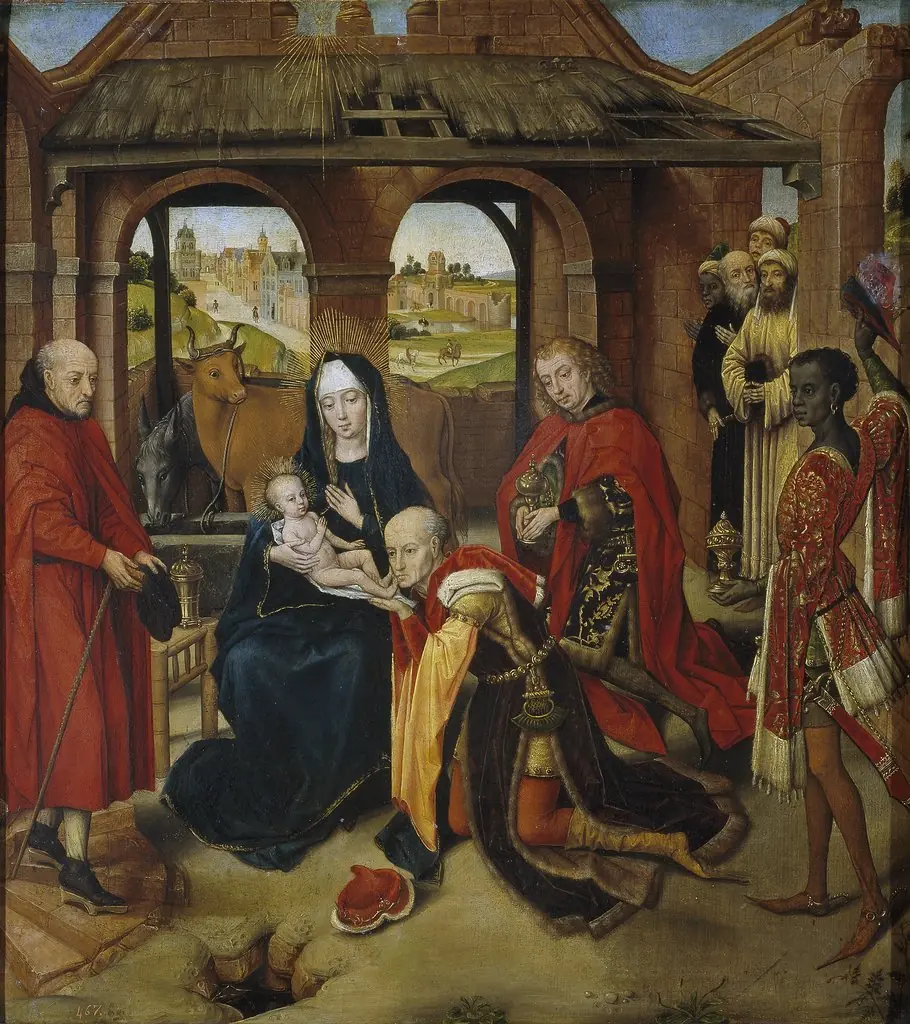
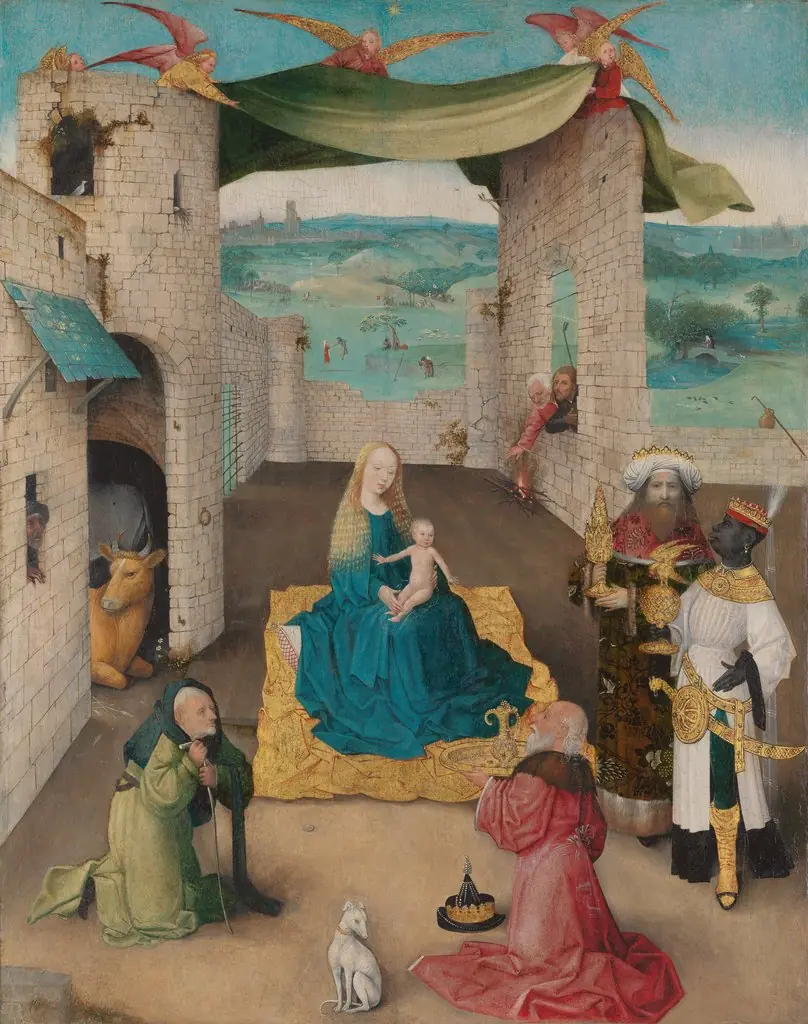
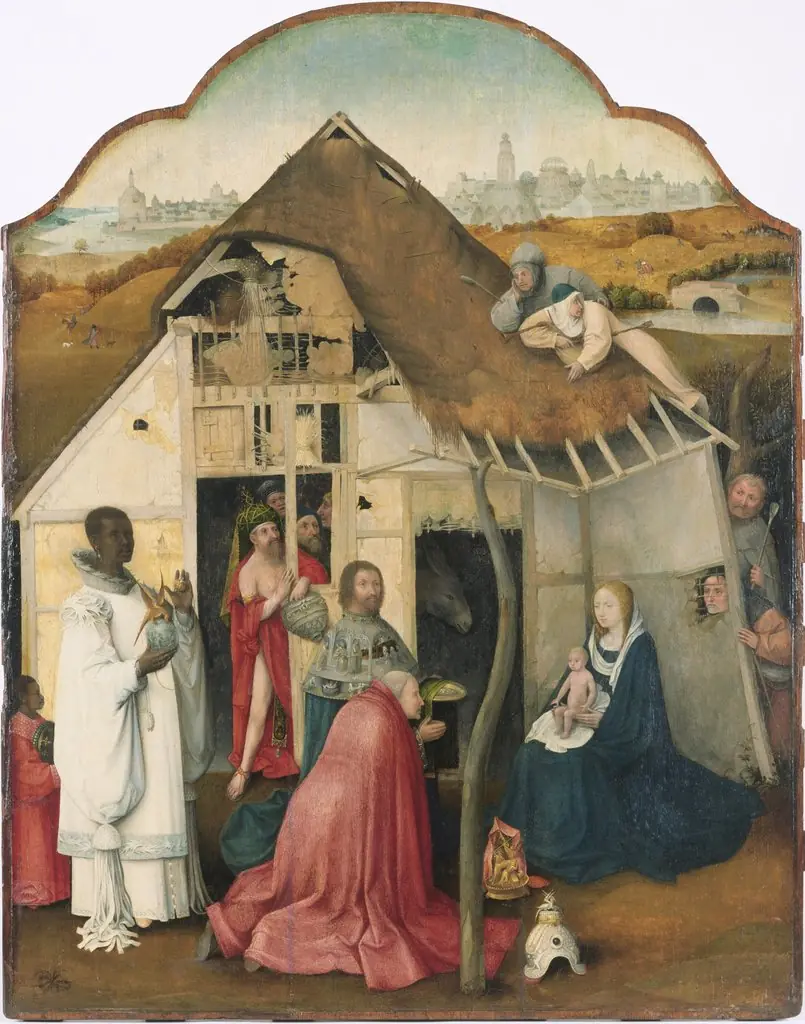
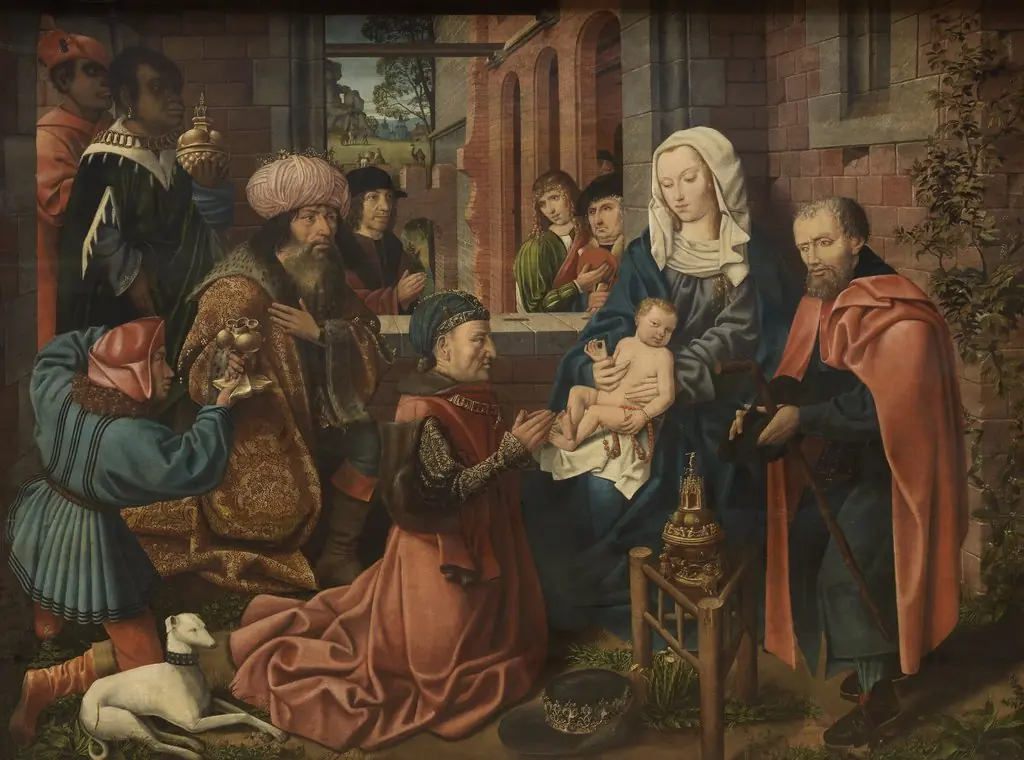
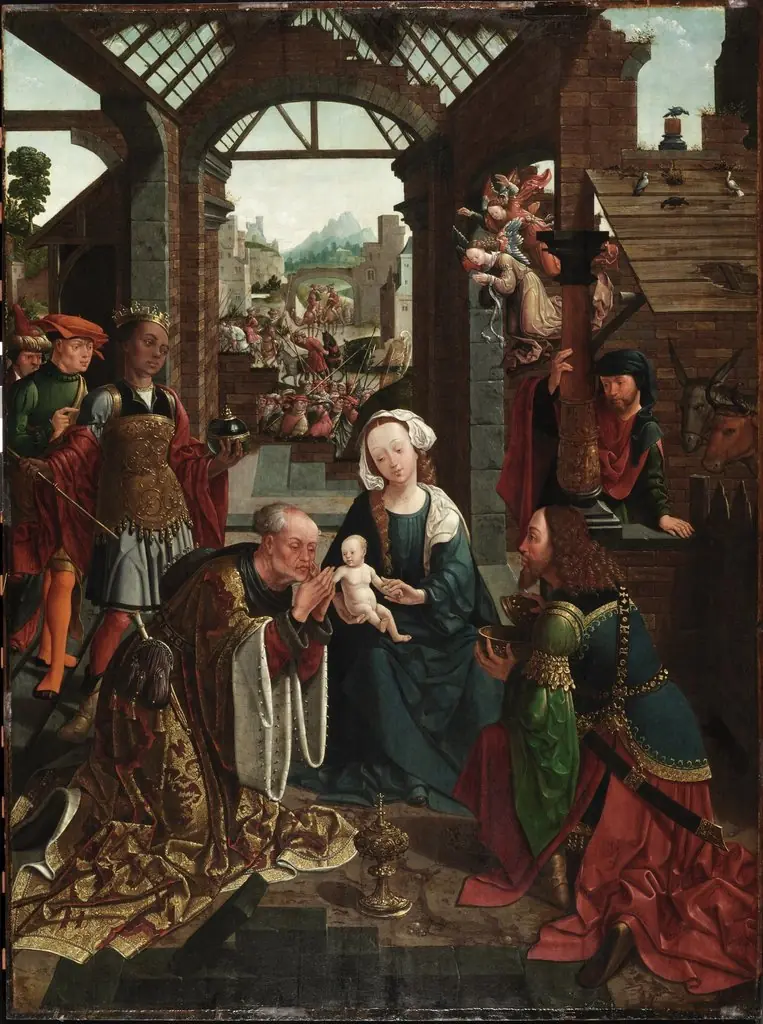
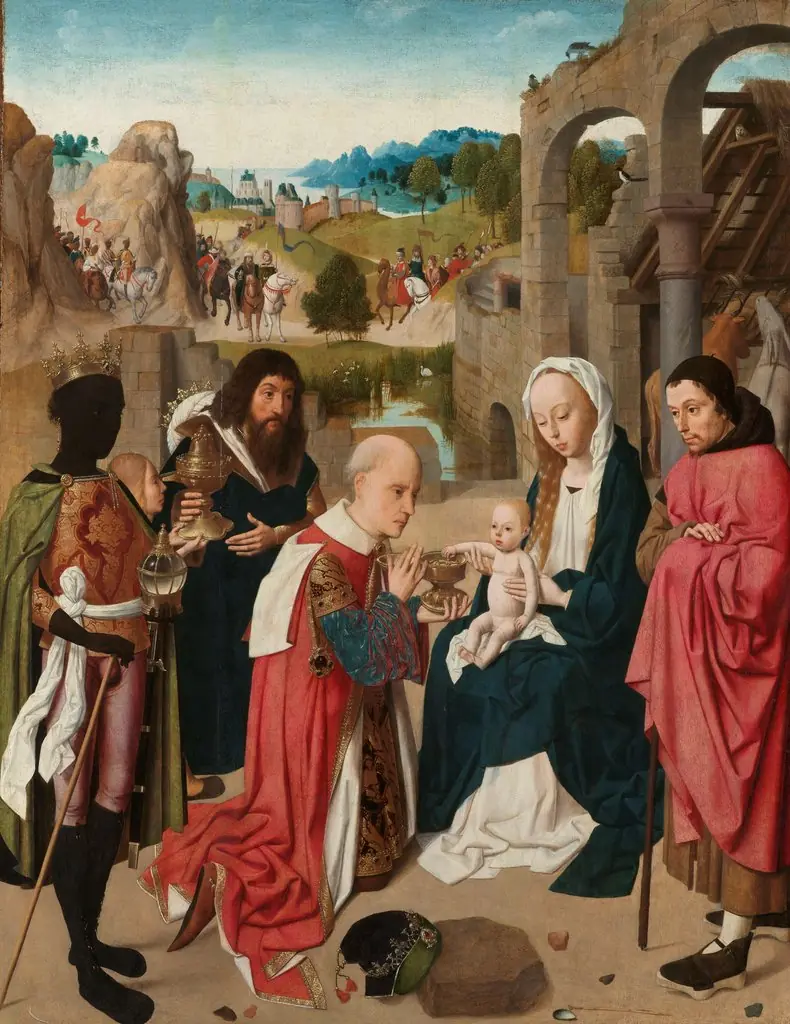
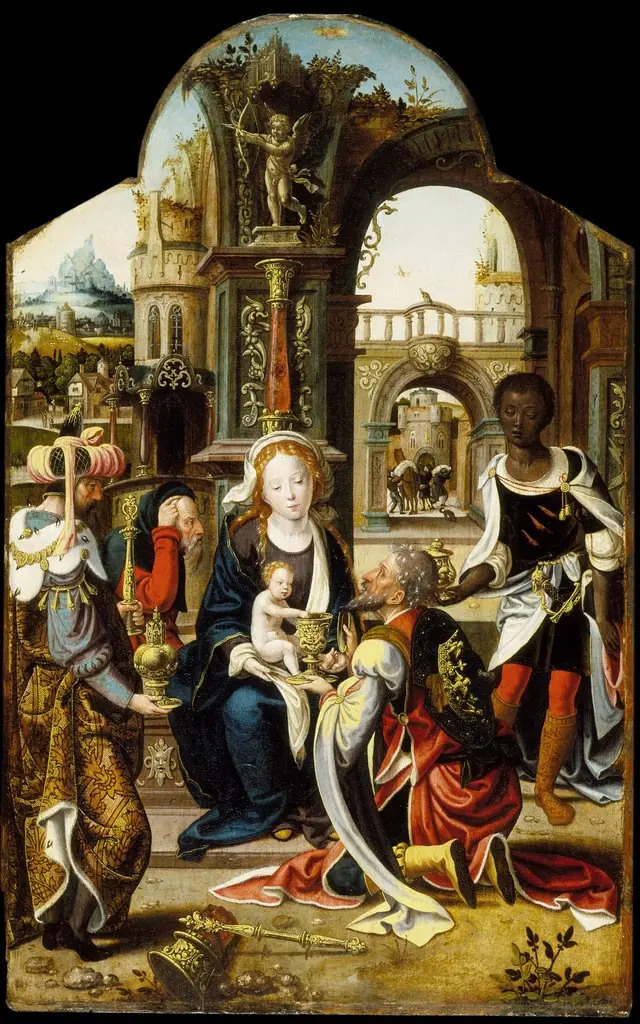
“De aanbidding van de koningen” is a painted work that concentrates on the moment when the Magi present their gifts to the infant Christ. The composition brings the viewer close to the scene, creating an impression of immediacy that suggests one is standing beside the newborn.
Subject & Meaning
The image depicts the three kings offering gold, frankincense and myrrh to the baby Jesus, who is placed not in a humble stable but amid the crumbling remains of a palace identified with King David. This setting draws on a medieval legend that locates the Nativity within the ancient royal residence, linking the new king with the lineage of Israel’s past monarchs.
Technique & Style
The artist employs a tight focal range, emphasizing the figures of the magi and the infant while rendering the surrounding ruins with subdued tones. The contrast between the richly detailed gifts and the weathered stone walls heightens the sense of reverence and underscores the juxtaposition of wealth and decay.
History & Provenance
The painting is part of the Rijksmuseum collection, where it is displayed alongside other works that explore biblical narratives. Its acquisition history reflects the museum’s interest in Dutch religious art and the enduring fascination with reinterpretations of the Nativity story.
Artist & collection
Artist
Jan Mostaert (c. 1475 – 1552/1553) was a Dutch Renaissance painter who is known mainly for his religious subjects and portraits. One of his most famous creations was the Landscape with an Episode from the Conquest of…

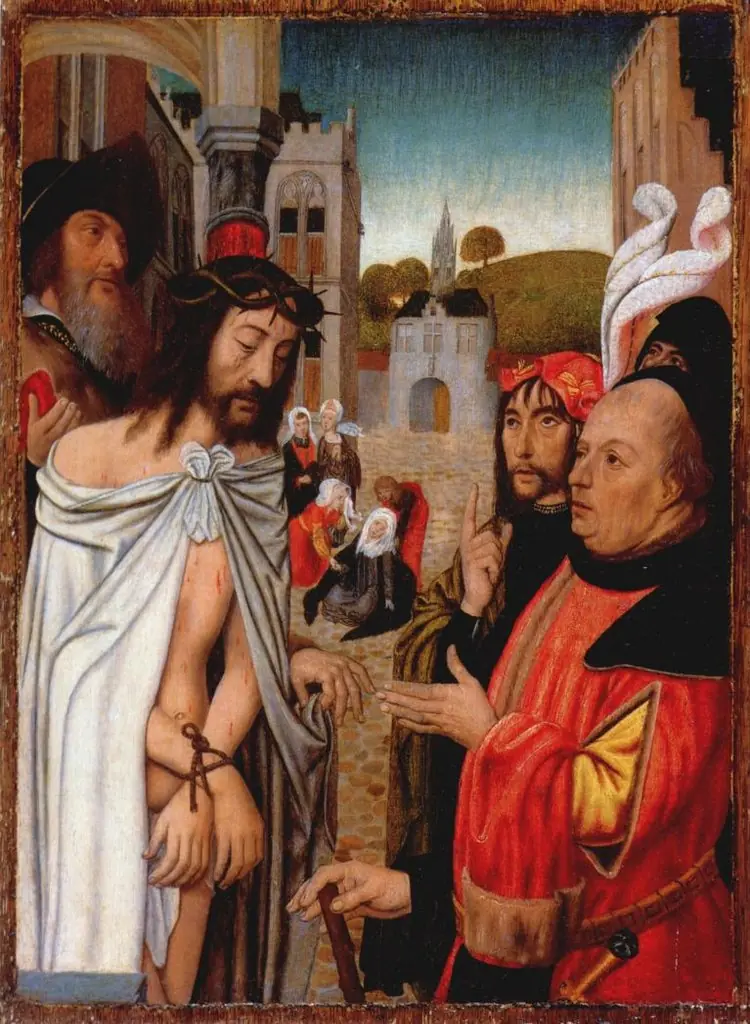 Christ Shown to the People
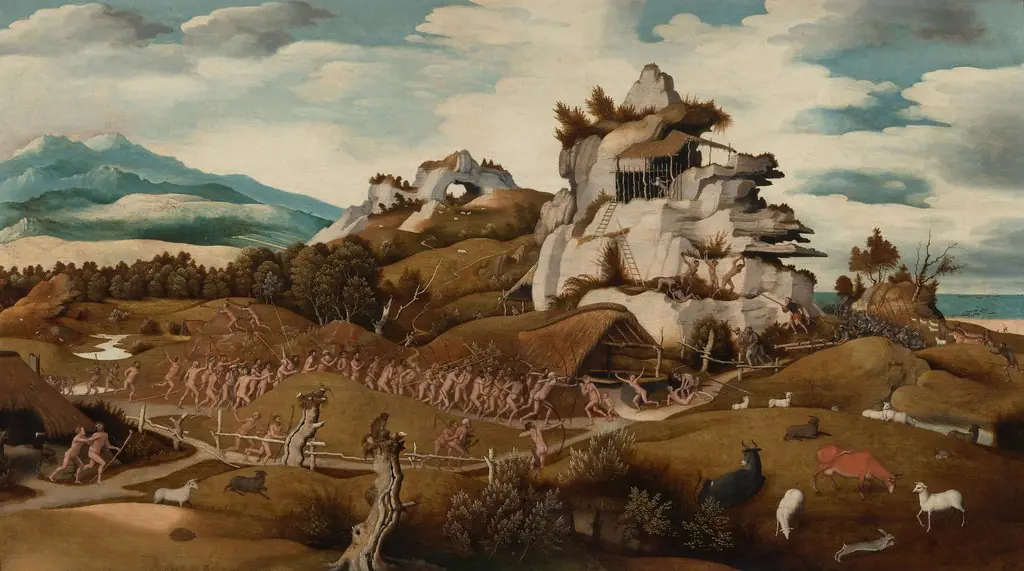 Landscape with a Scene of the Conquest of America
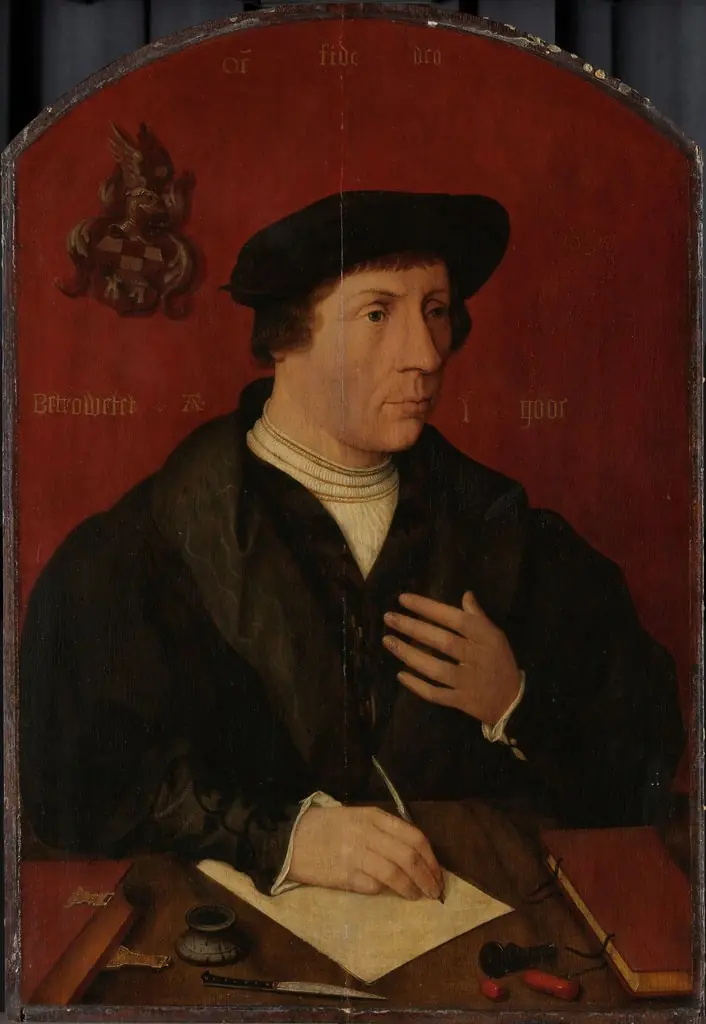 Portrait of a man
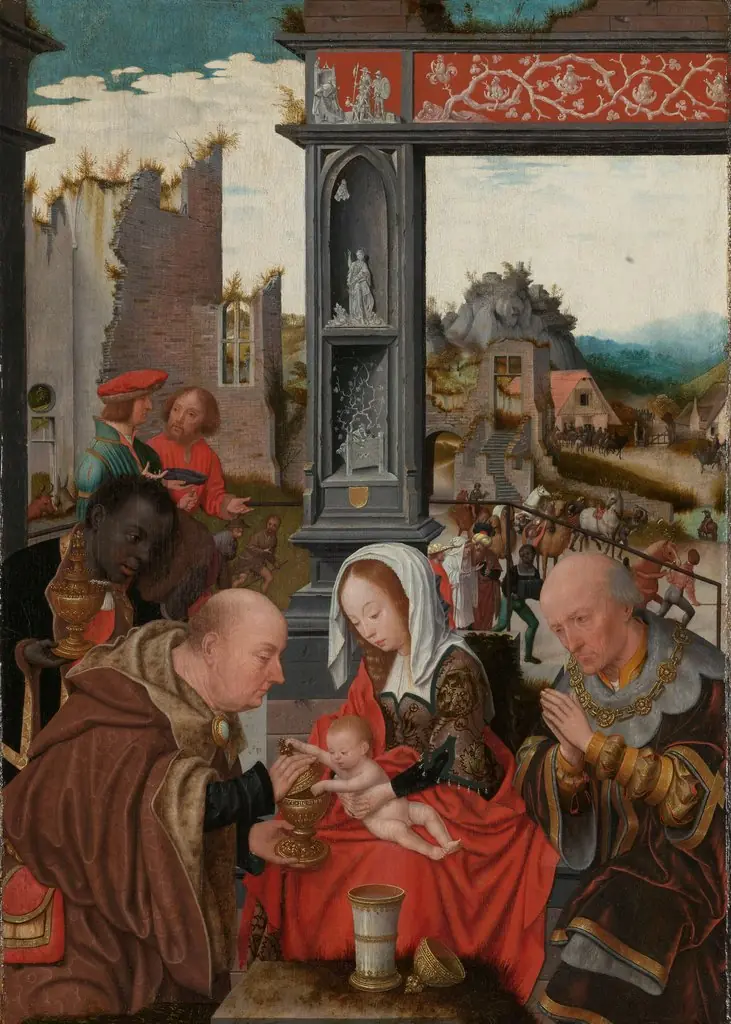 The Adoration of the Magi
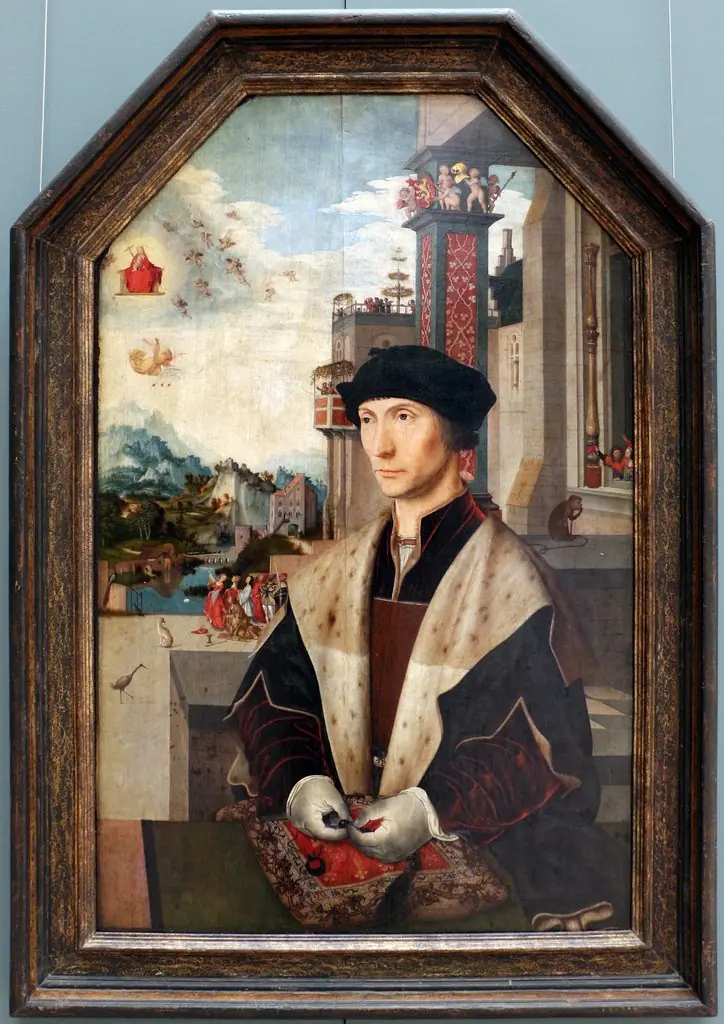 Portrait of the knight Abel van Coulster (1477-1548), representative to the Hof van Holland in 1512
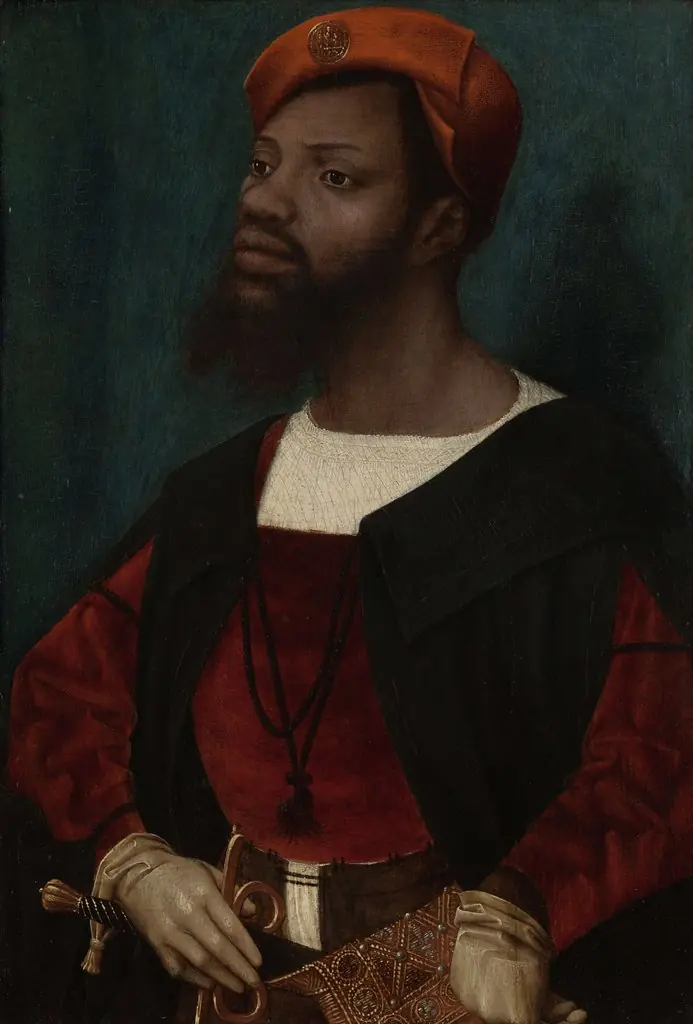 Portrait of an African Man (Christophle le More?)
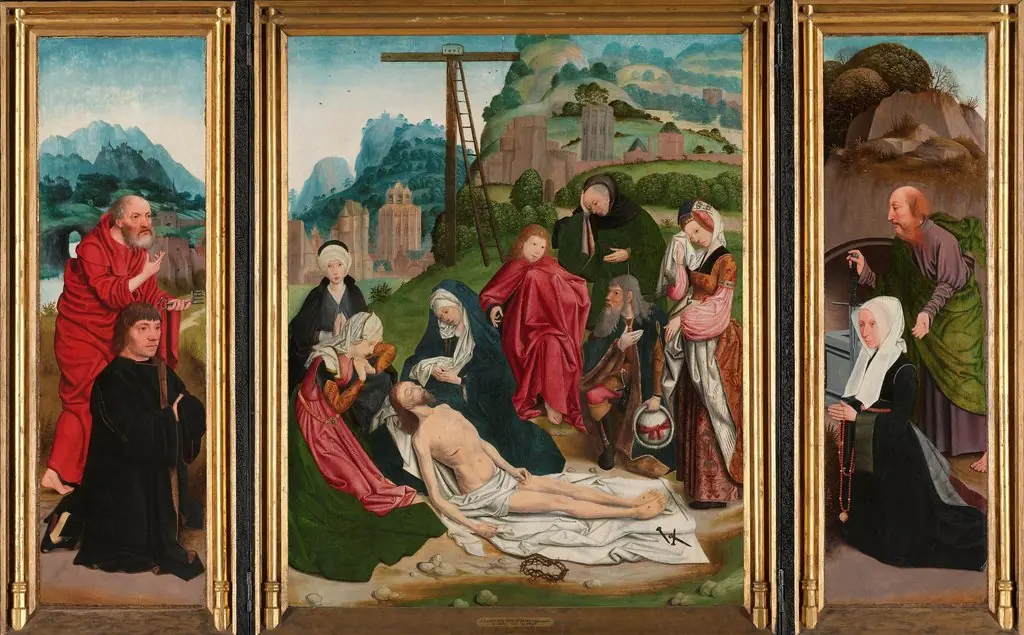 Triptych with the Lamentation (centre panel), the donor with St Peter (inner left wing), the donor’s wife with St Paul (inner right wing) and the donors’ coats of arms (outer wings)
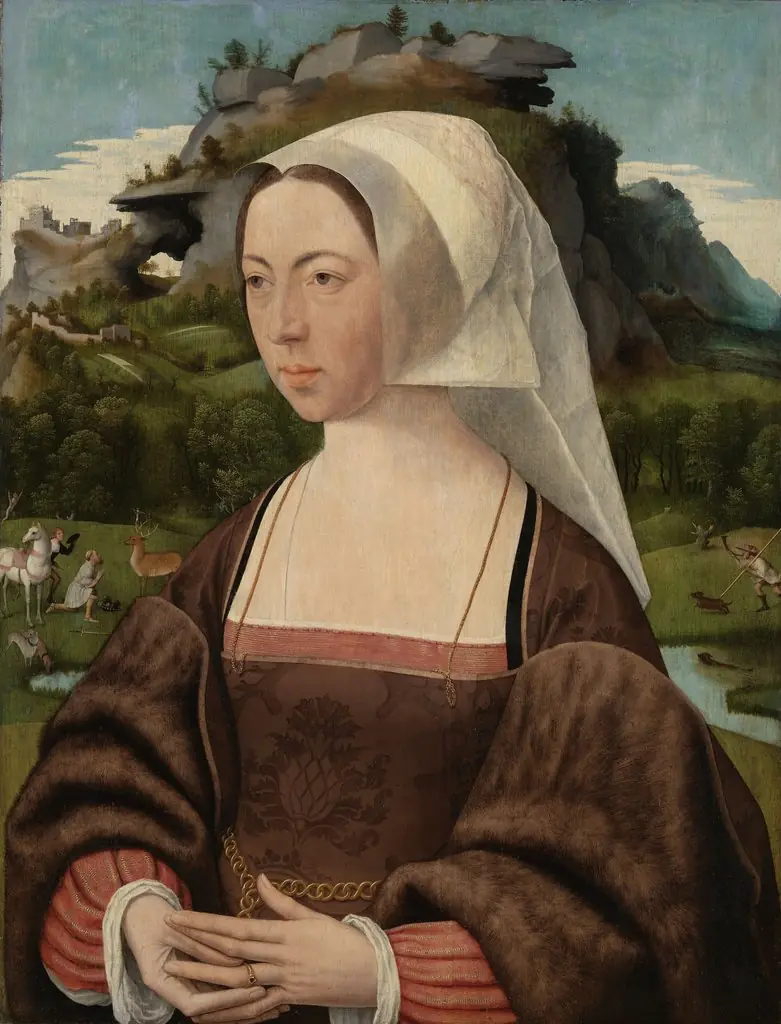 A Woman