Artwork
Self-portrait
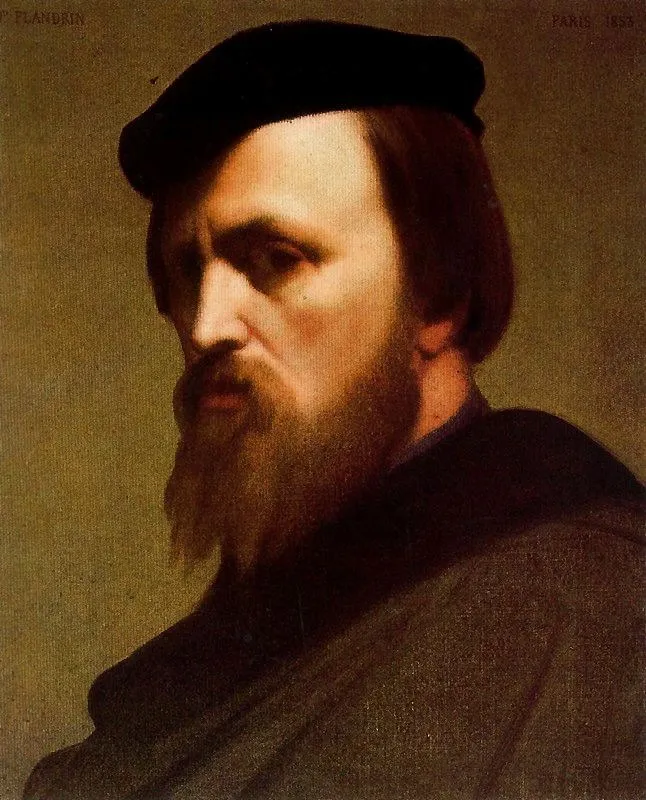
Self-portrait is an oil painting by the Realist artist Hippolyte Flandrin. It dates from 1853 and is held in the collection of the Uffizi Gallery.
About this work
The painting depicts a man with a long, dark beard and mustache, wearing a black beret and a dark jacket.
The painting depicts a man with a long, dark beard and mustache, wearing a black beret and a dark jacket. He is shown in profile, facing left, with a neutral expression.
The man's attire and hairstyle suggest a formal or artistic setting, possibly from the 19th century. The use of dark colors and the subject's serious demeanor create a somber mood.
To learn more about the artist's techniques and style, explore the work of Hippolyte Flandrin.
Overview
Jean‑Hippolyte Flandrin’s self‑portrait, executed in oil in 1853, presents the artist in a restrained, three‑quarter view. The canvas is part of the Uffizi Gallery’s holdings, where it is displayed among other 19th‑century works. The composition reflects the sober aesthetic typical of French academic painting of the period, emphasizing a calm, introspective presence.
Subject & Meaning
The sitter is the painter himself, rendered with a long dark beard, mustache, and a black beret that frames his profile. His neutral expression and the absence of overt symbolism suggest a straightforward self‑representation, focusing on personal identity rather than narrative or allegory. The work conveys a dignified, contemplative mood.
Technique & Style
Flandrin employs a limited palette of dark tones, allowing subtle variations of light to model the facial features and fabric. The brushwork is smooth and controlled, characteristic of the Neoclassical training he received, while the overall realism aligns with mid‑19th‑century French realist tendencies. The rendering of texture in the beard and jacket demonstrates careful observation.
History & Provenance
Painted shortly before the artist’s death, the portrait entered the Uffizi’s collection as part of a broader acquisition of French academic works in the late 19th century. Its presence in the museum links it to the institution’s tradition of preserving self‑portraits of European artists, providing a reference point for Flandrin’s oeuvre.
Artist & collection
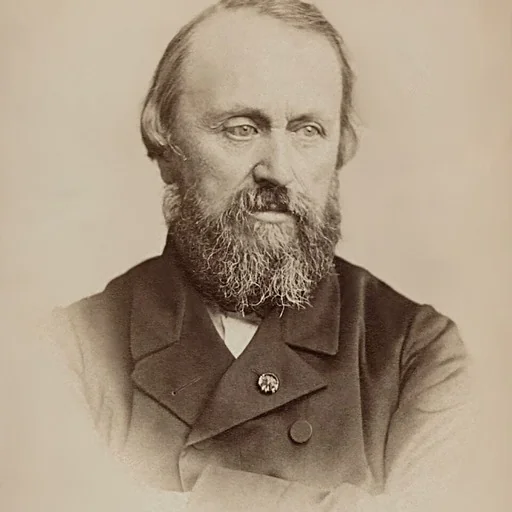
Artist
Jean-Hippolyte Flandrin (23 March 1809 – 21 March 1864) was a French Neoclassical painter. His most celebrated work, Jeune Homme Nu Assis au Bord de la Mer (1836) is held in the Louvre.

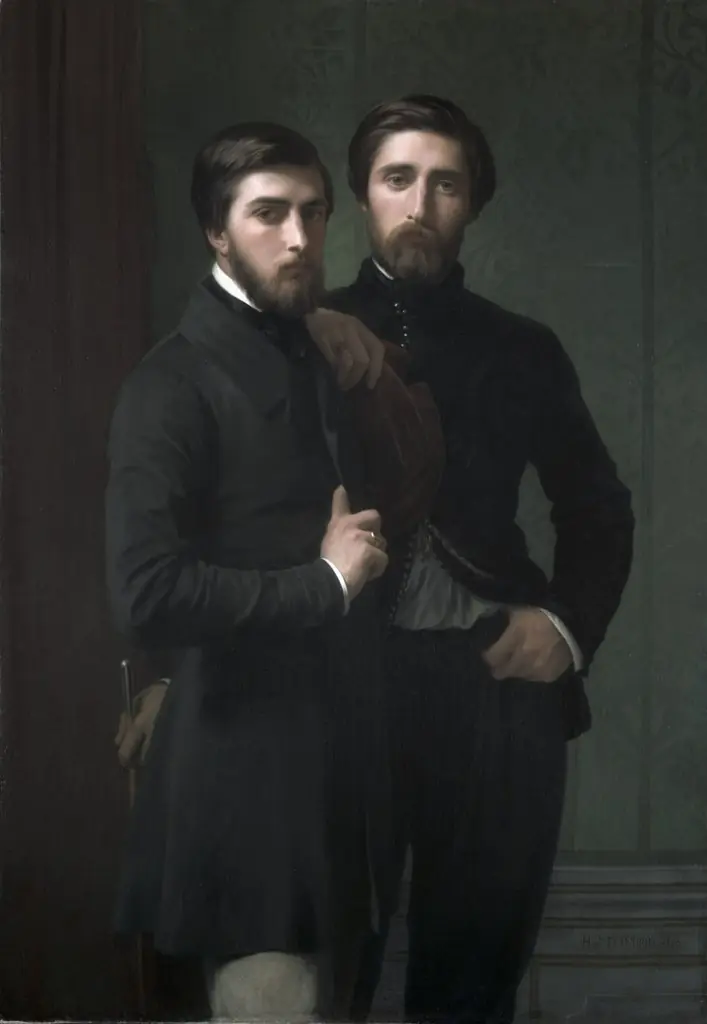 René-Charles Dassy and His Brother Jean-Baptiste-Claude-Amédé Dassy
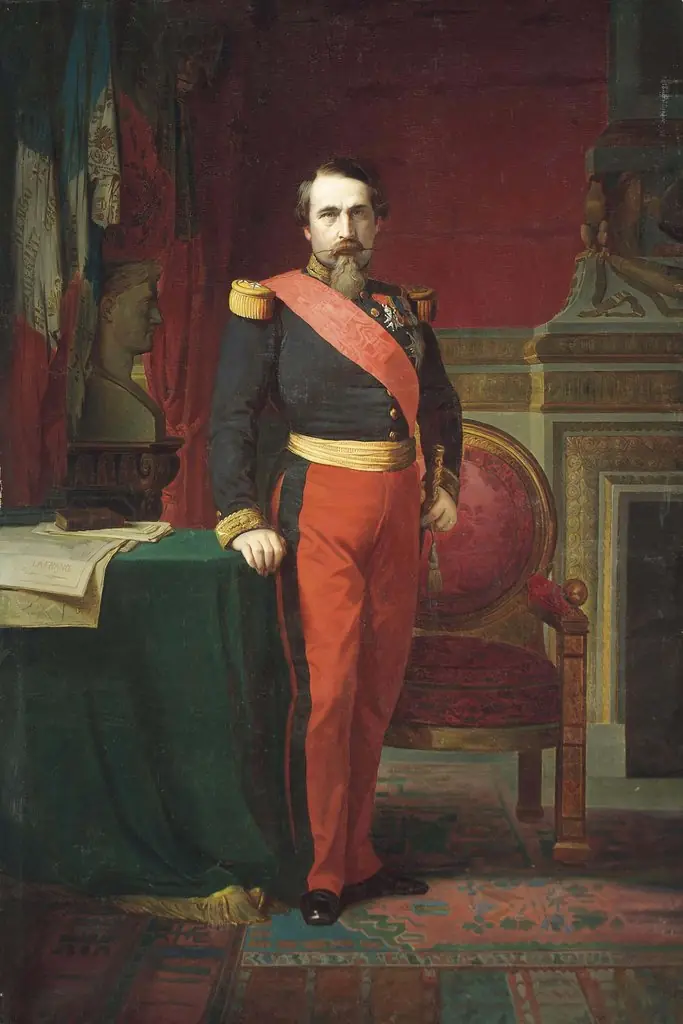 Portrait of Napoleon III
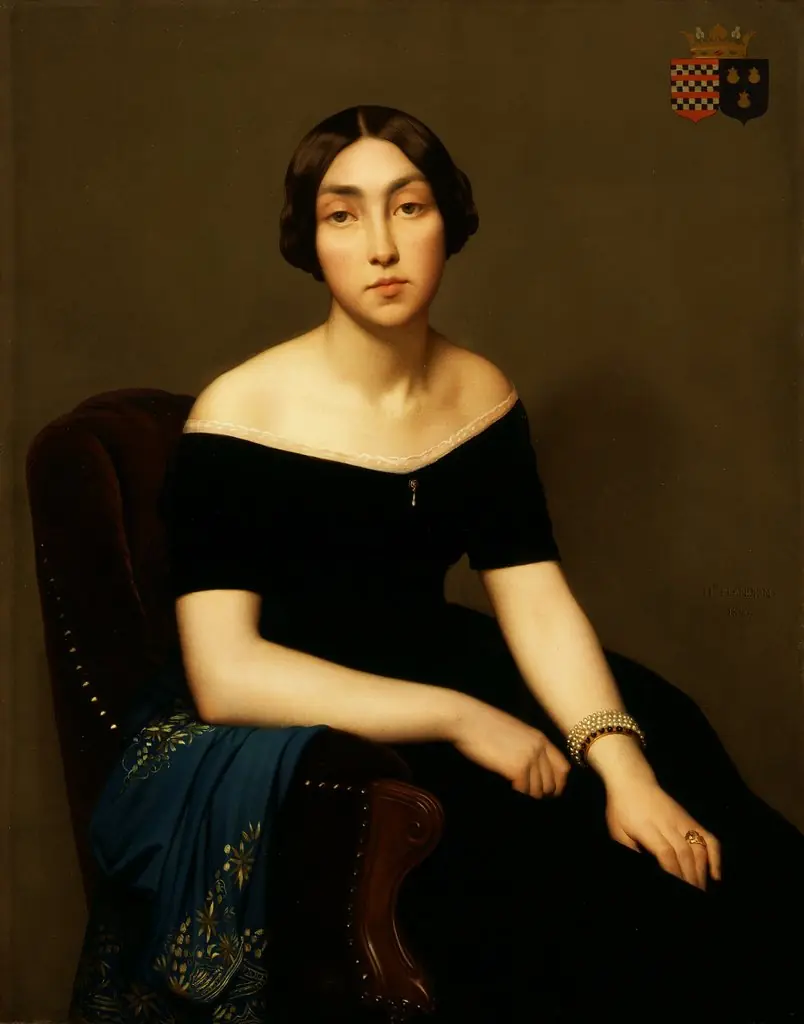 Madame Louis Antoine de Cambourg
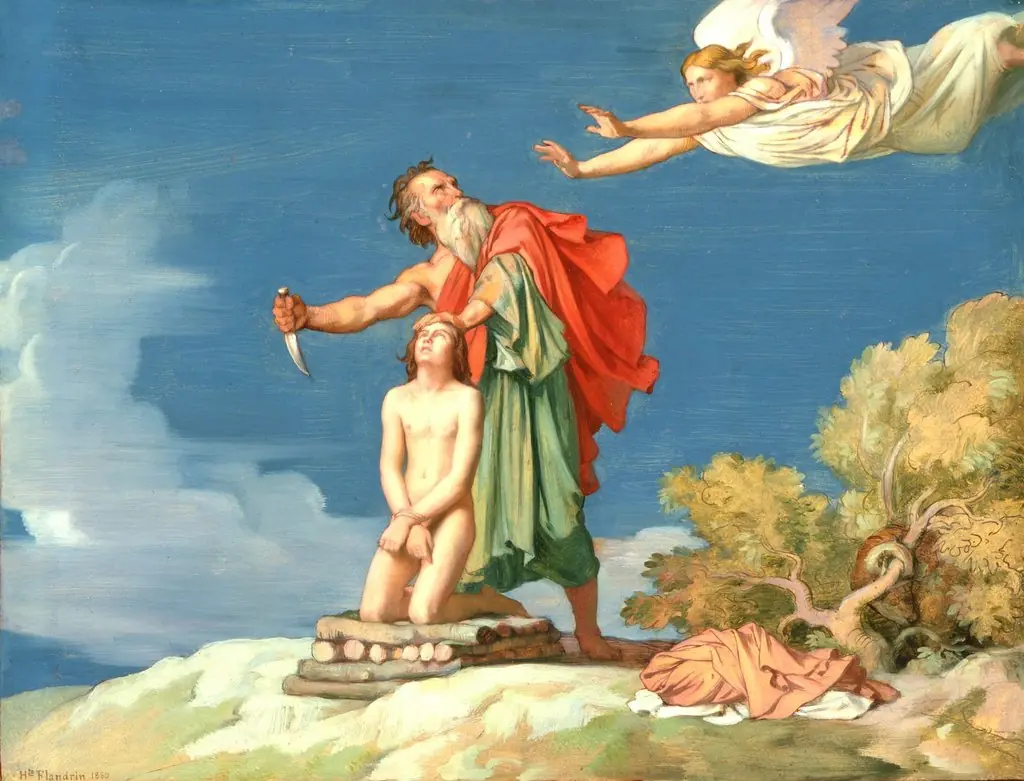 The Sacrifice of Isaac
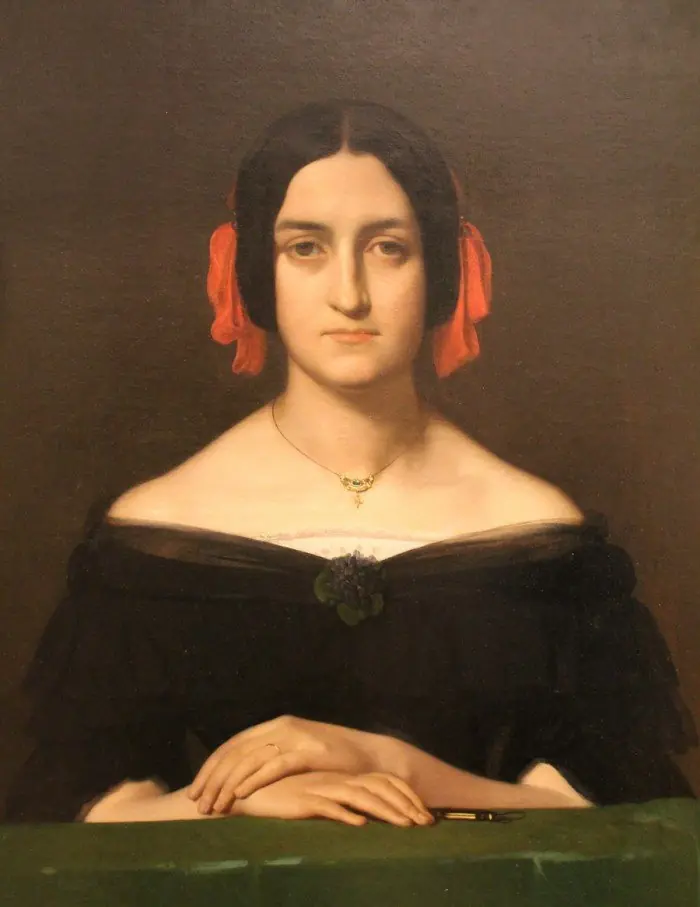 Portrait de Madame Oudiné
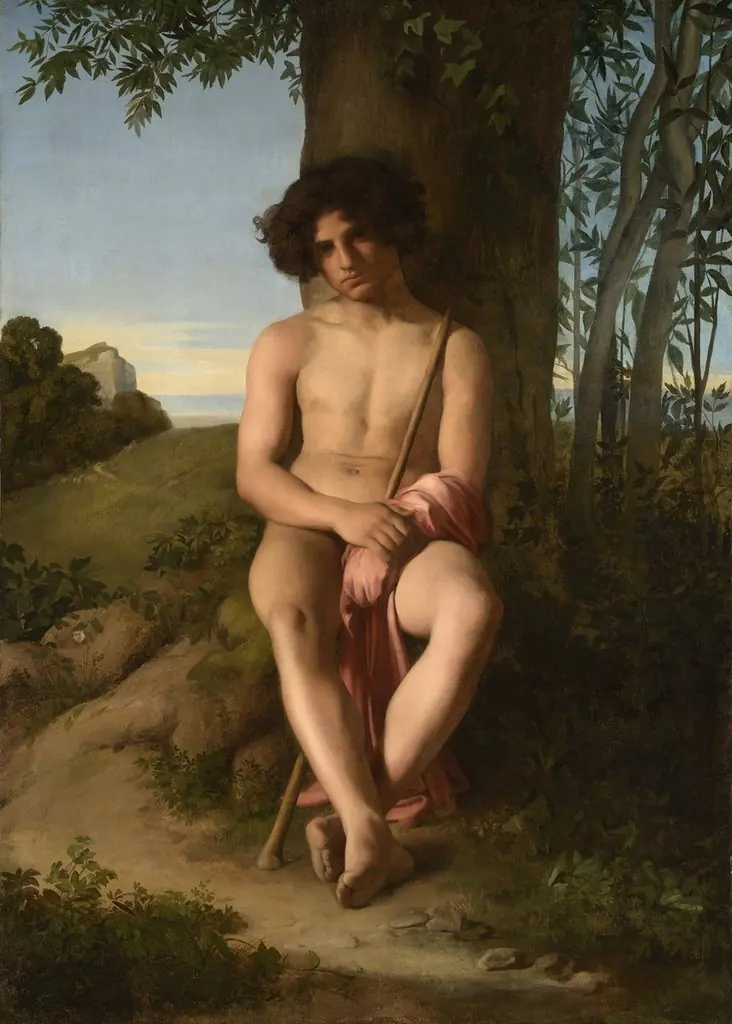 Seated Young Shepherd
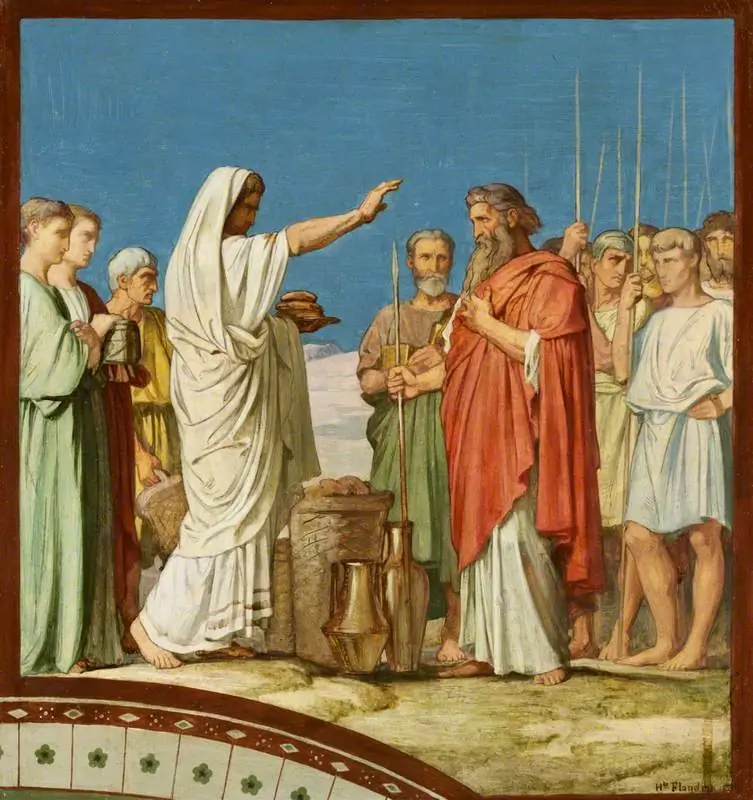 Melchisédech offrant du pain et du vin, bénit Abraham: Modello for the Fresco in the left nave of Saint-Germain-des-Prés, Paris, 1859 (Melchizedek Blesses Abraham and Offers Bread and Wine)
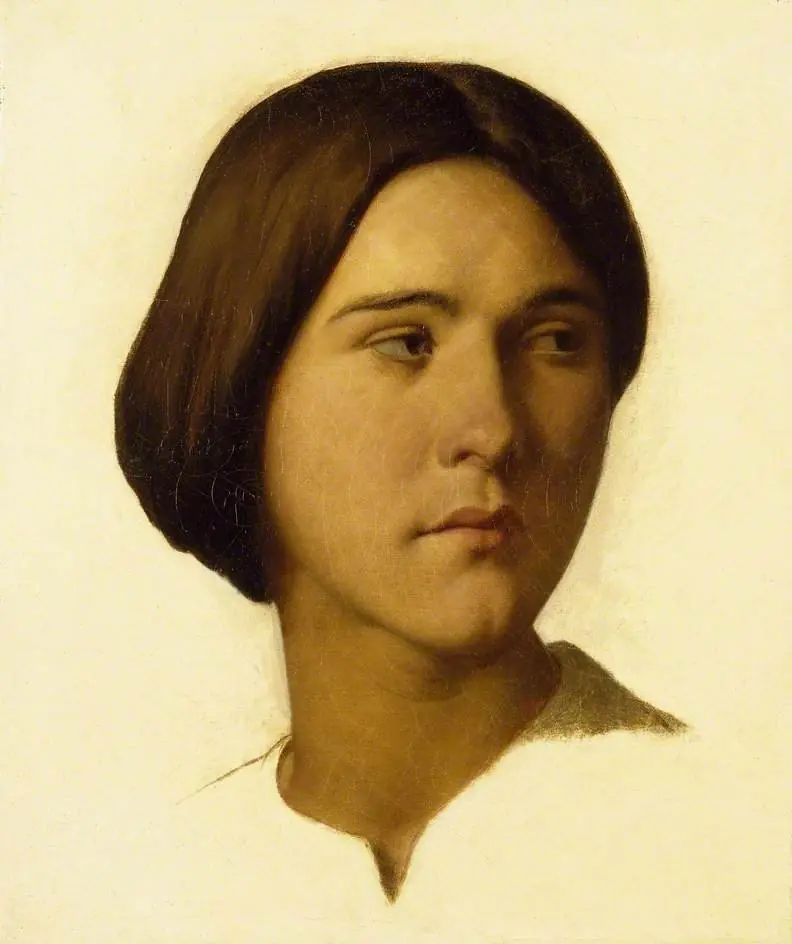 Head of a young Woman
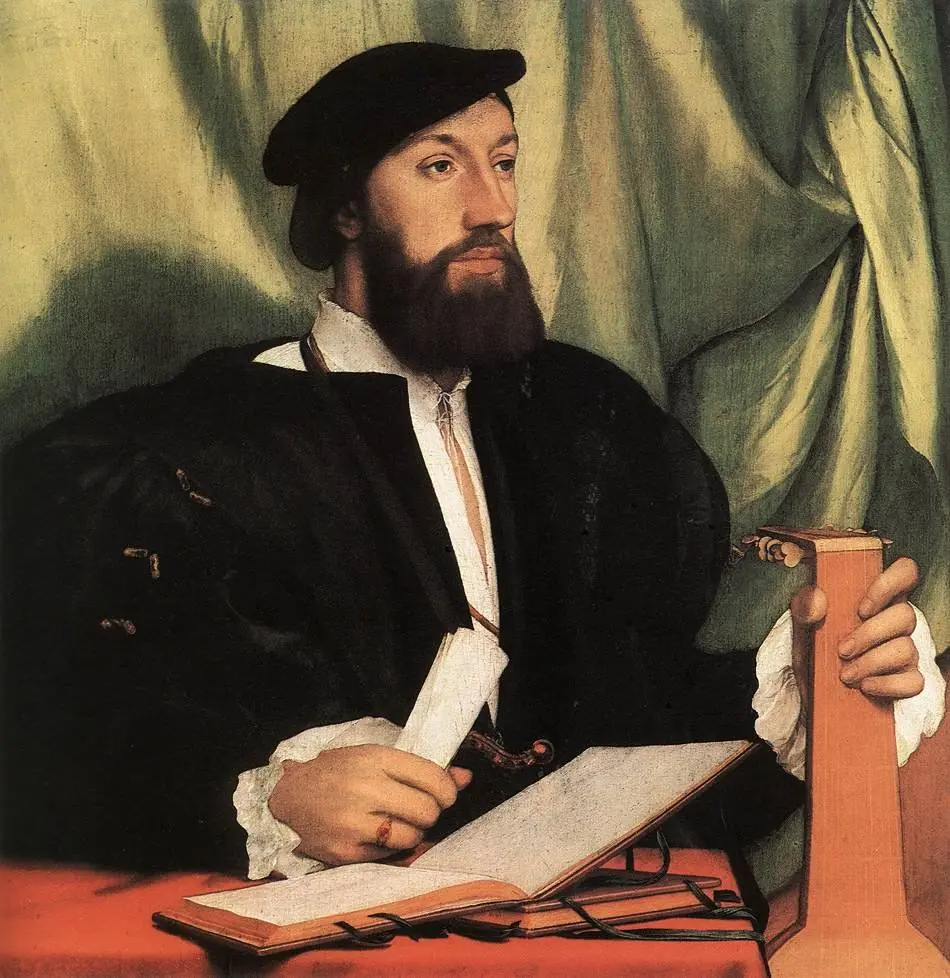 Portrait of a man with a lute
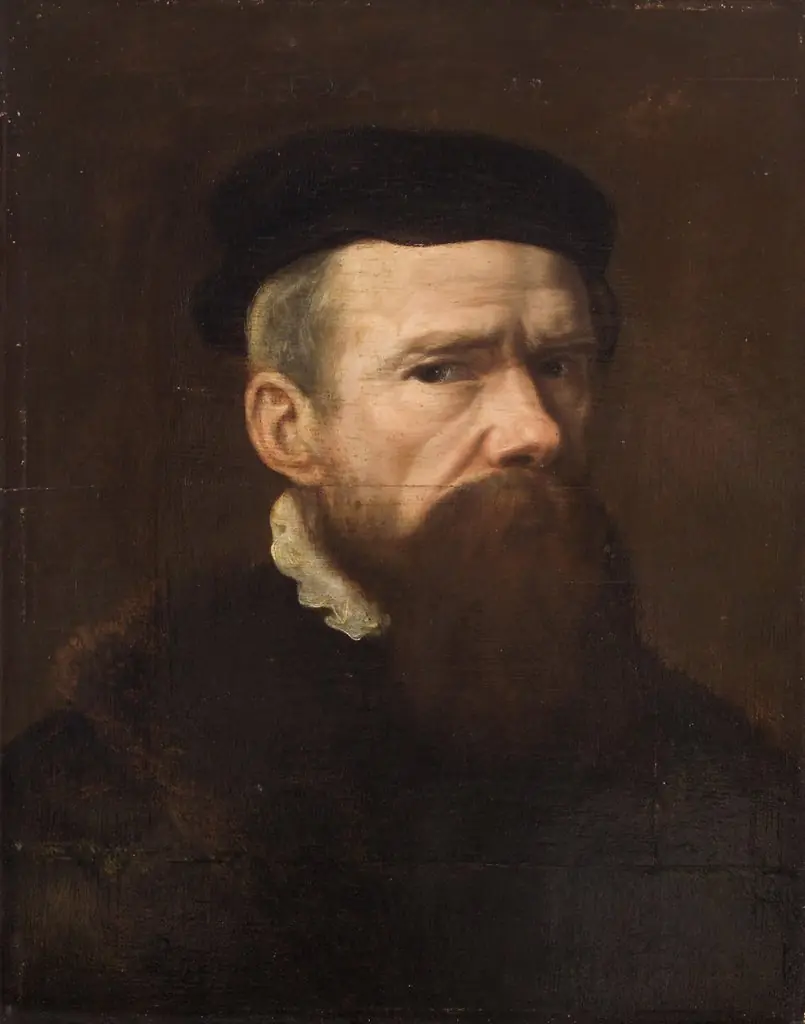 Männliches Bildnis
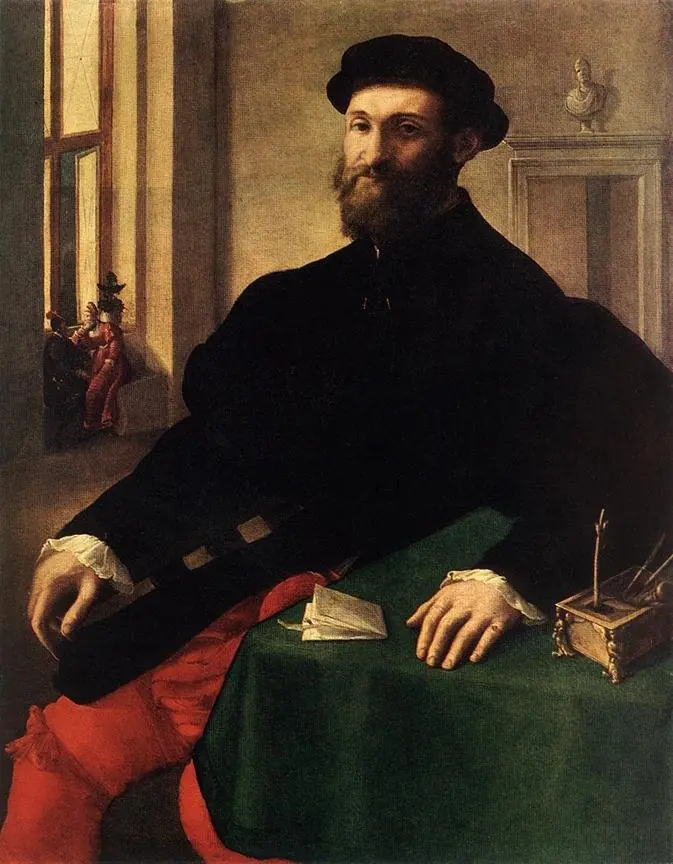 Portrait of a Man
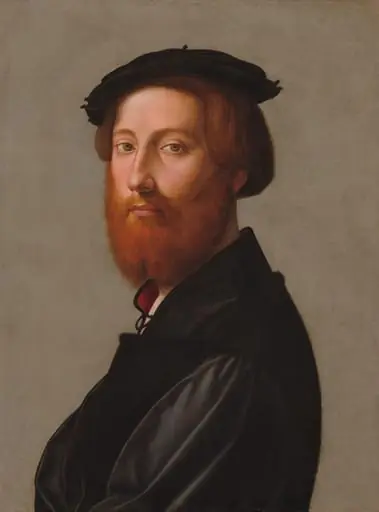 Leonardo de' Ginori
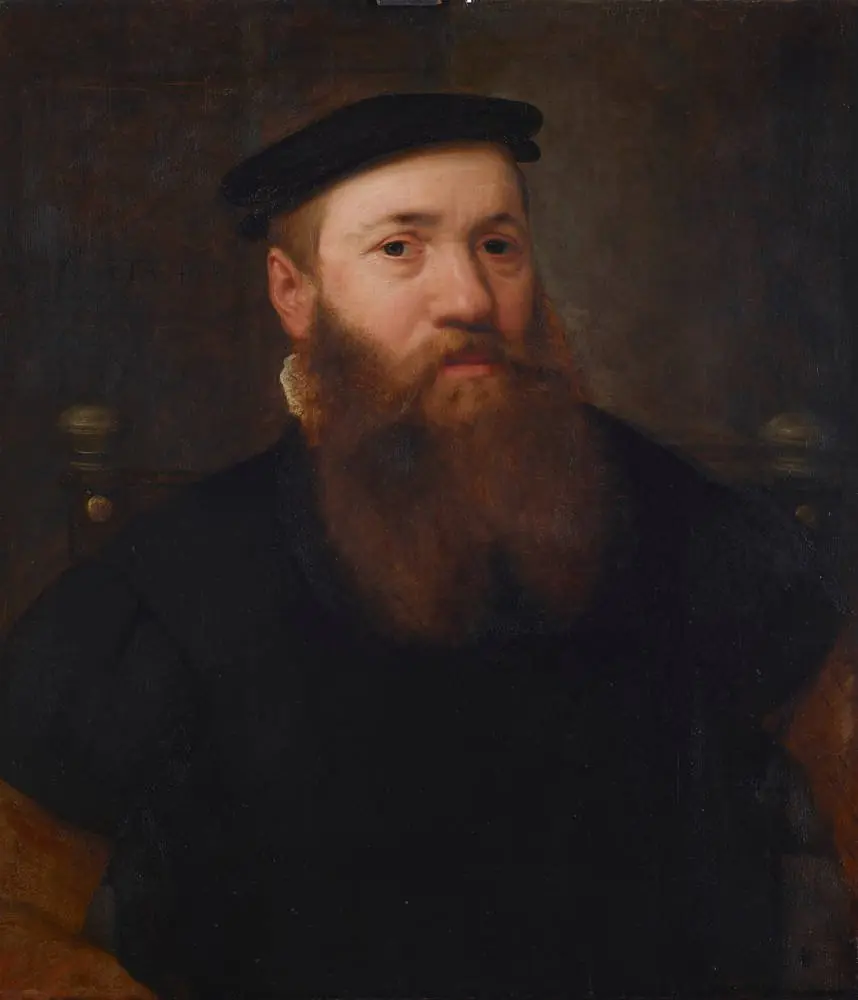 Bildnis eines Mannes mit dunkelblondem Vollbart
 Bărbat cu barbă roșcată
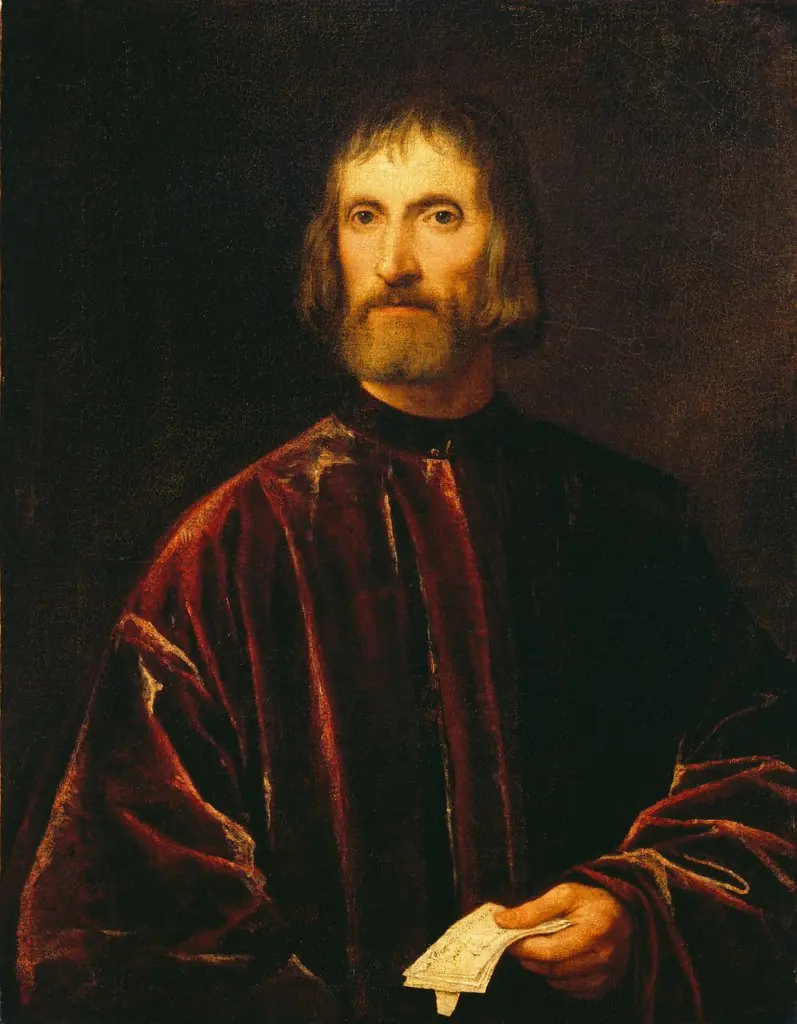 Portrait of Andrea dei Franceschi
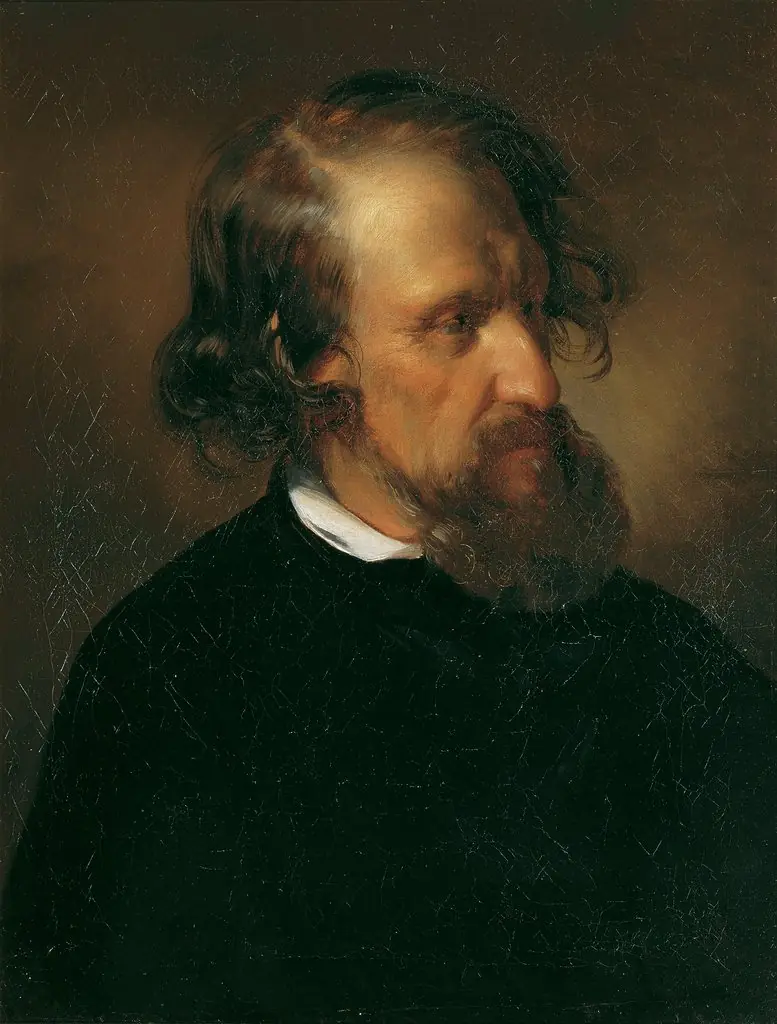 The Painter Josef Kriehuber
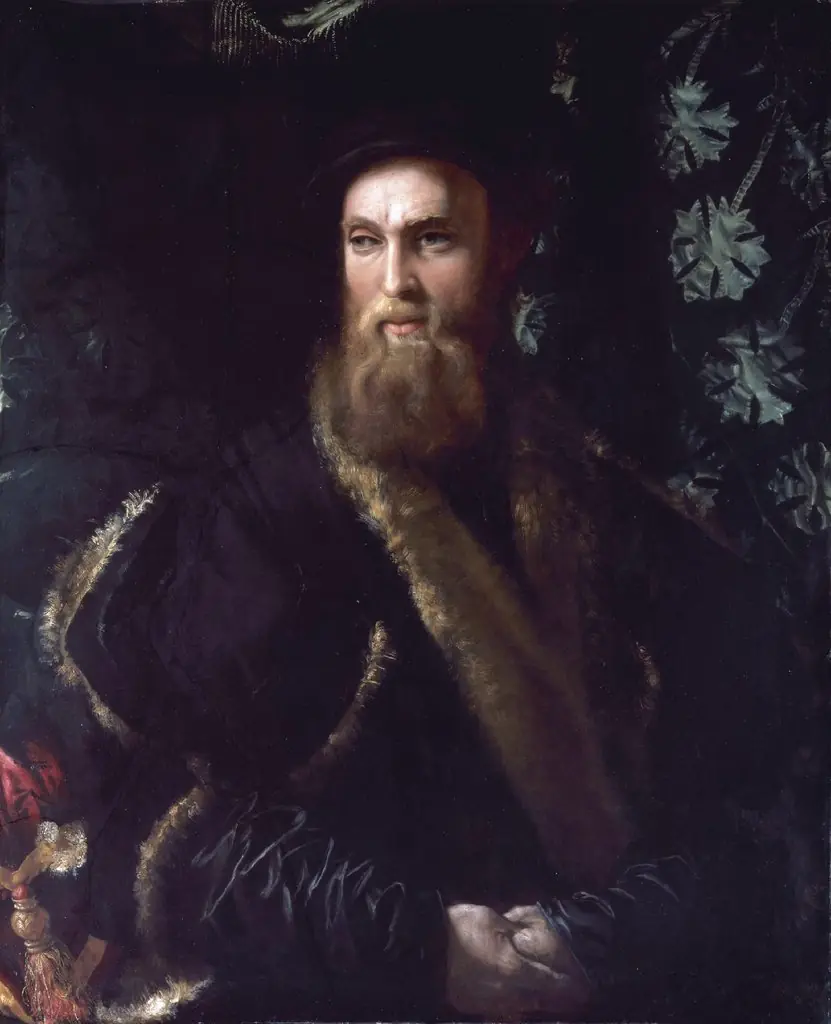 portrait of Bindo Altoviti
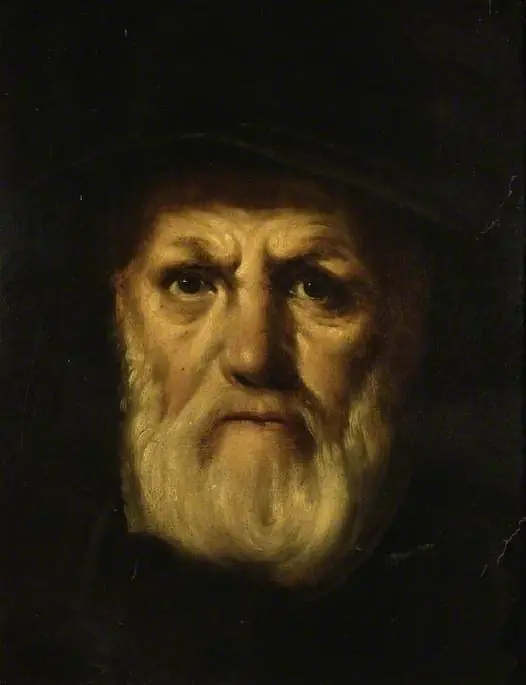 Portrait of Dirck Volckertsz. Coornhert
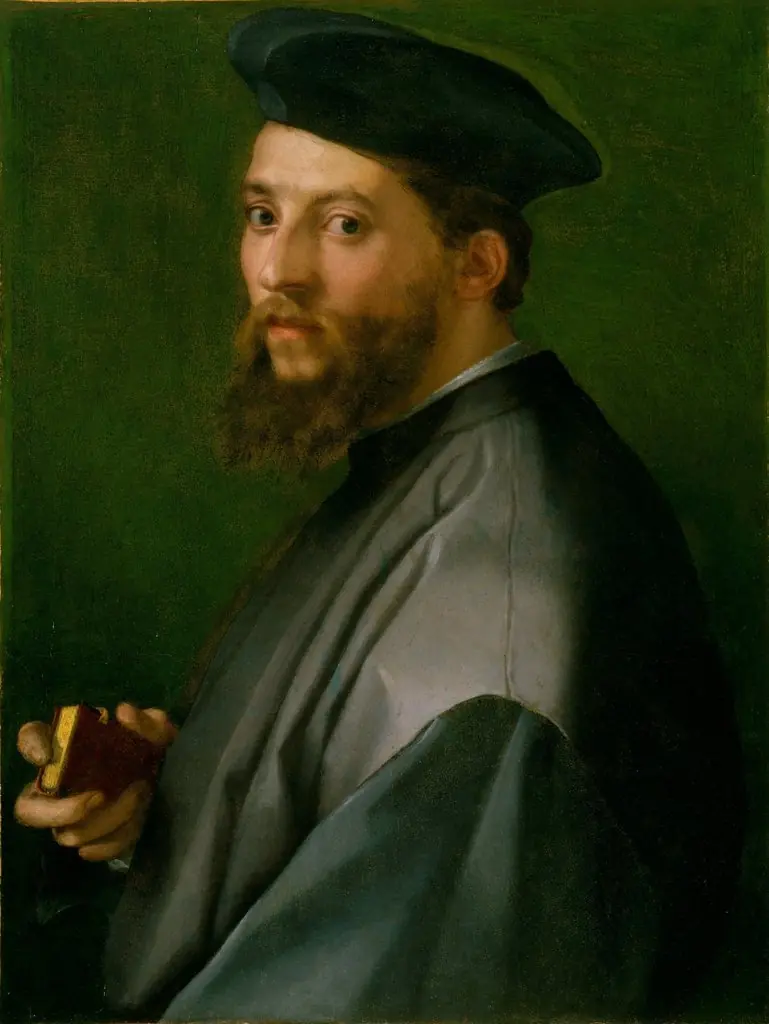 Portrait of a Man
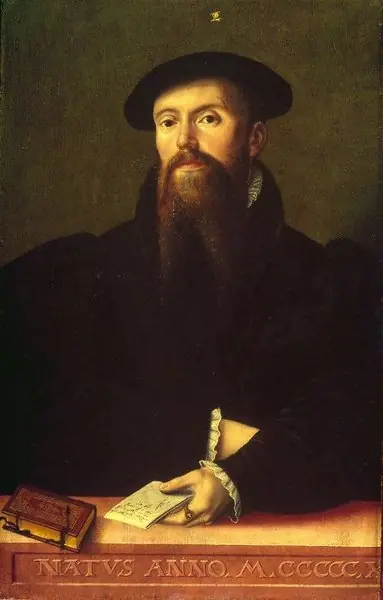 Portrait of Joest Hesset