Artwork
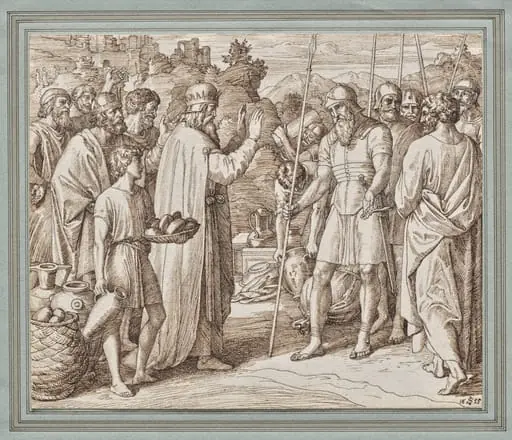
Melchisédech offrant du pain et du vin, bénit Abraham: Modello for the Fresco in the left nave of Saint-Germain-des-Prés, Paris, 1859 (Melchizedek Blesses Abraham and Offers Bread and Wine)
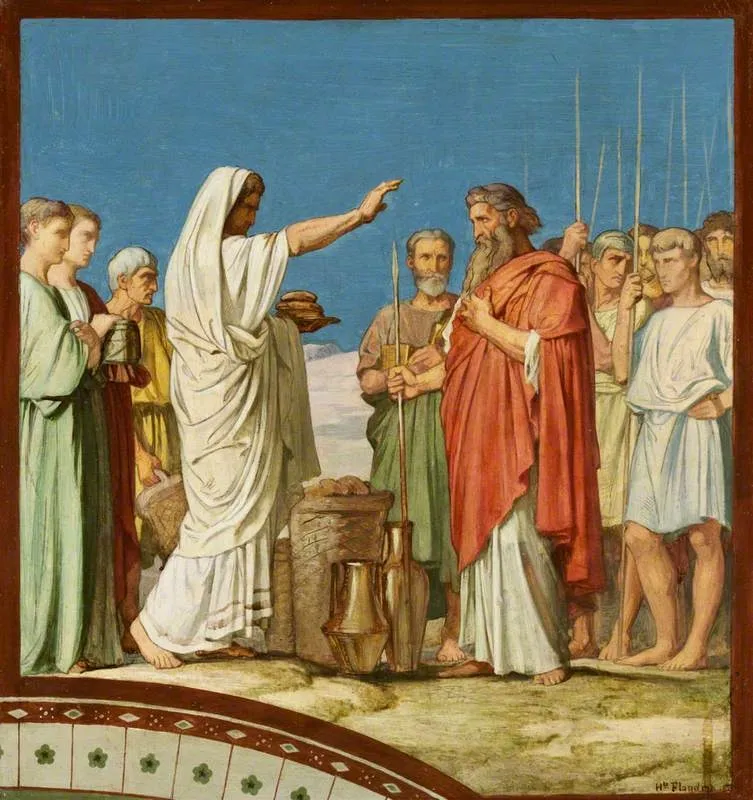
Melchisédech offrant du pain et du vin, bénit Abraham: Modello for the Fresco in the left nave of Saint-Germain-des-Prés, Paris, 1859 (Melchizedek Blesses Abraham and Offers Bread and Wine) is an oil painting by Hippolyte Flandrin. It dates from 1859 and is held in the collection of the National Galleries Scotland.
About this work
Overview
In 1859 Hippolyte Flandrin executed an oil painting that functioned as a preparatory modello for a fresco intended for the left nave of the church of Saint‑Germain‑des‑Prés in Paris. The work captures the biblical episode in which the priest‑king Melchizedek presents bread and wine to Abraham, a scene later to be rendered on the wall of the nave.
Subject & Meaning
The composition centers on Melchizedek, identifiable by his red cloak, staff, and cup, as he offers the sacramental elements. To his left a figure in white raises his right hand in a blessing gesture, underscoring the spiritual significance of the encounter. Surrounding figures in robes hold objects such as a basket and a jug, reinforcing the ritual atmosphere.
Technique & Style
Flandrin employs a restrained Neoclassical palette, contrasting the deep red of the central figure with a pale sky and distant mountains. The careful modeling of drapery and the calm, orderly arrangement of the participants reflect his academic training, while the oil medium allows for subtle chiaroscuro that anticipates the larger fresco.
History & Provenance
Created as a modello, the painting was never intended for public display but served the artist’s planning process for the fresco commission at Saint‑Germain‑des‑Prés. Flandrin, already noted for works such as the 1836 nude study now in the Louvre, used this study to refine composition and iconography before transferring the design to wall.
Context
The commission arose during a mid‑19th‑century revival of ecclesiastical decoration in Paris, when churches sought to reconnect with biblical narratives through large‑scale mural programs. Flandrin’s choice of a solemn, orderly scene aligns with contemporary expectations for didactic religious art.
Legacy
Although the modello itself remains a modest work, it illustrates Flandrin’s methodical approach to monumental frescoes and contributes to understanding the preparatory practices of French academic painters in the period.
Artist & collection
Artist
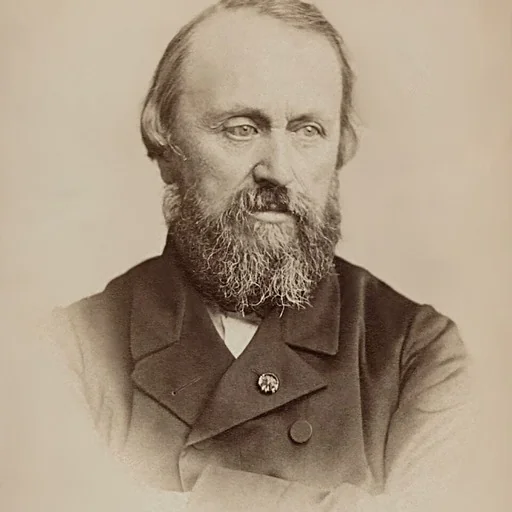
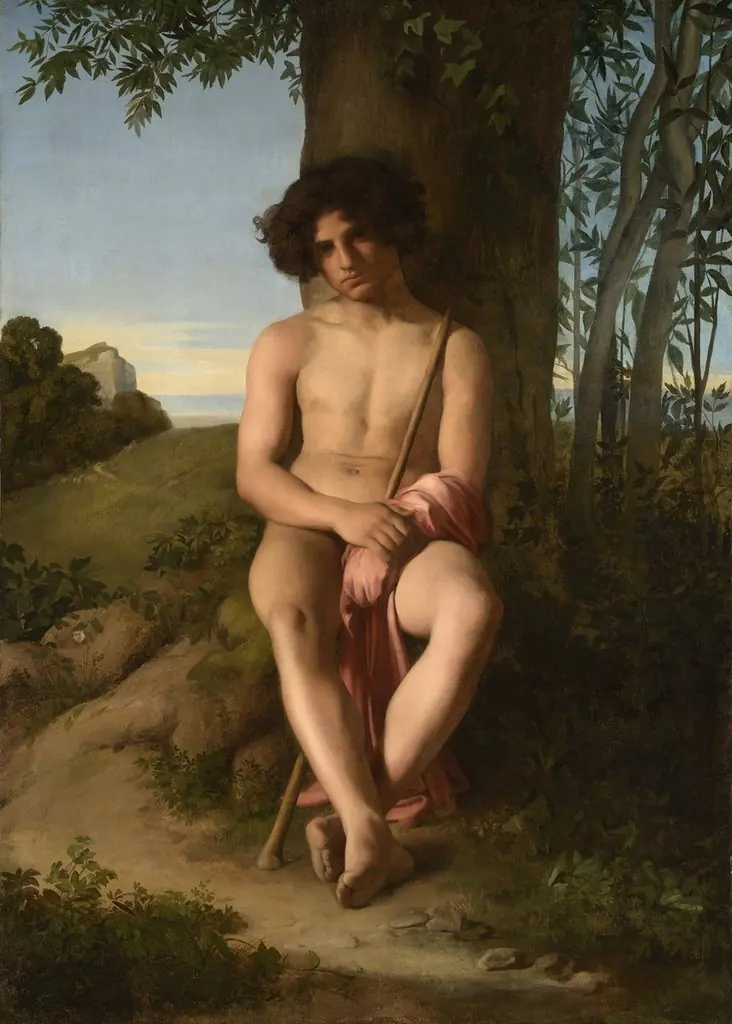
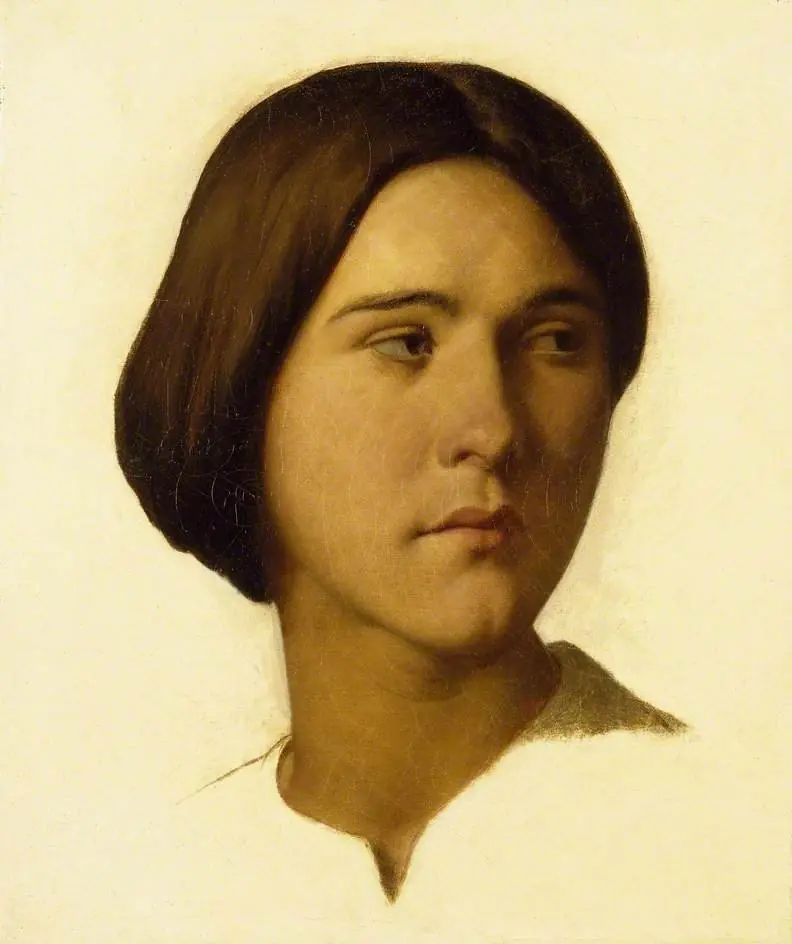
Jean-Hippolyte Flandrin (23 March 1809 – 21 March 1864) was a French Neoclassical painter. His most celebrated work, Jeune Homme Nu Assis au Bord de la Mer (1836) is held in the Louvre.

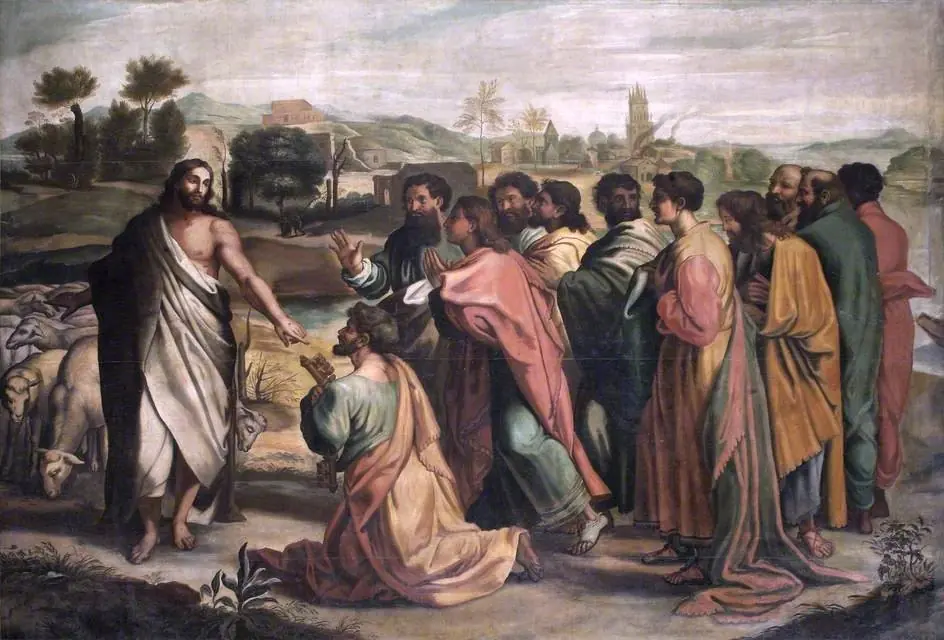 Christ's Charge to St Peter
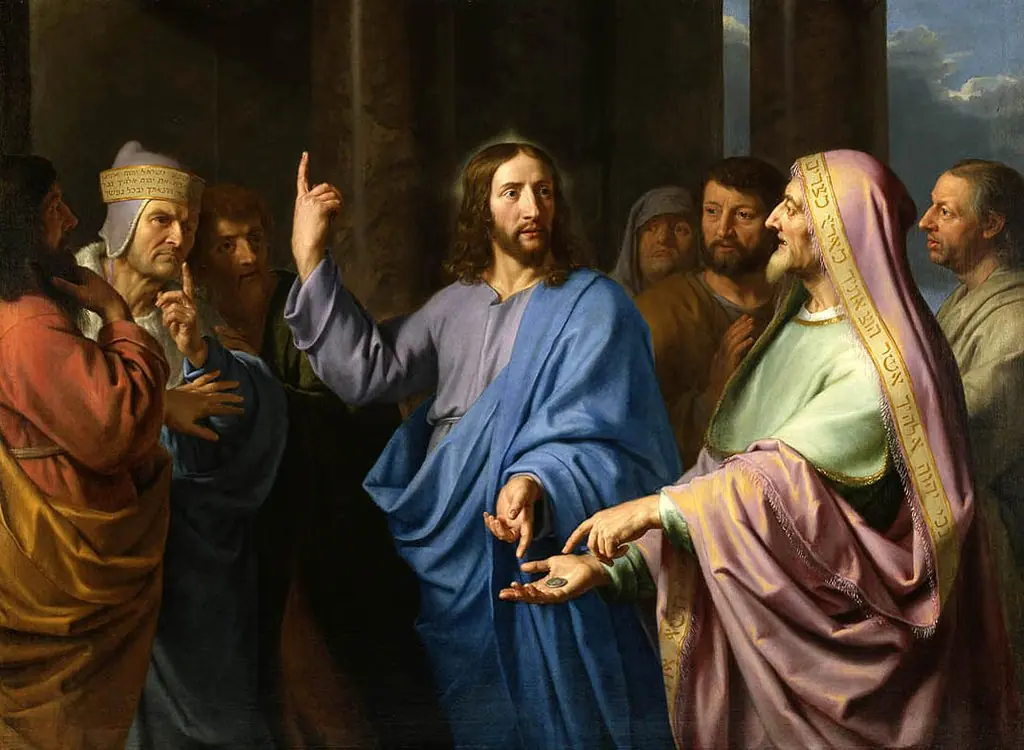 The Tribute Money
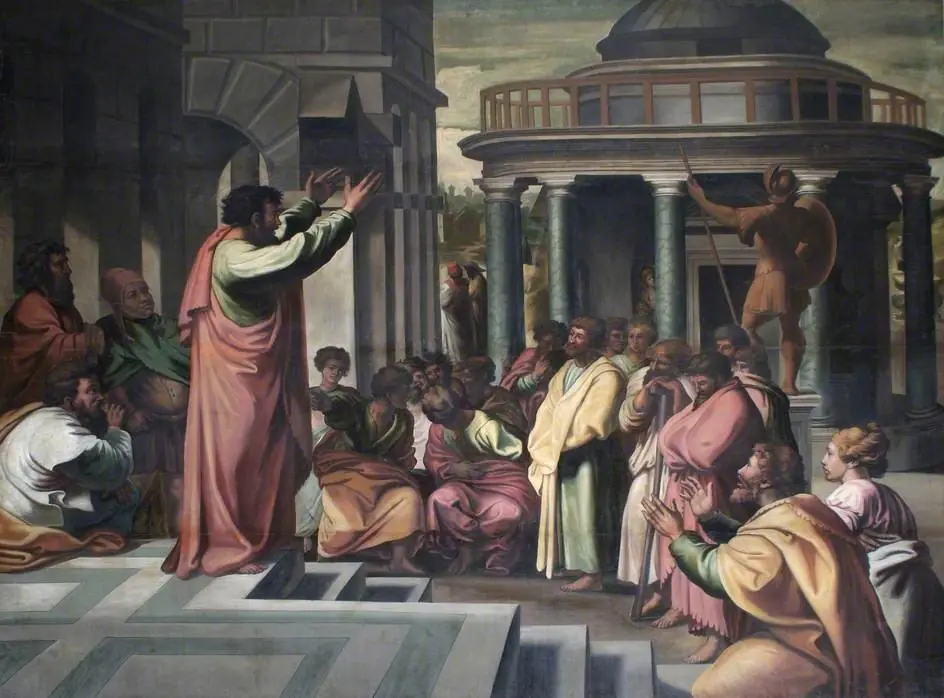 St Paul preaching at Athens
 Iisus în templu
 The Calling of the Sons of Zebedee
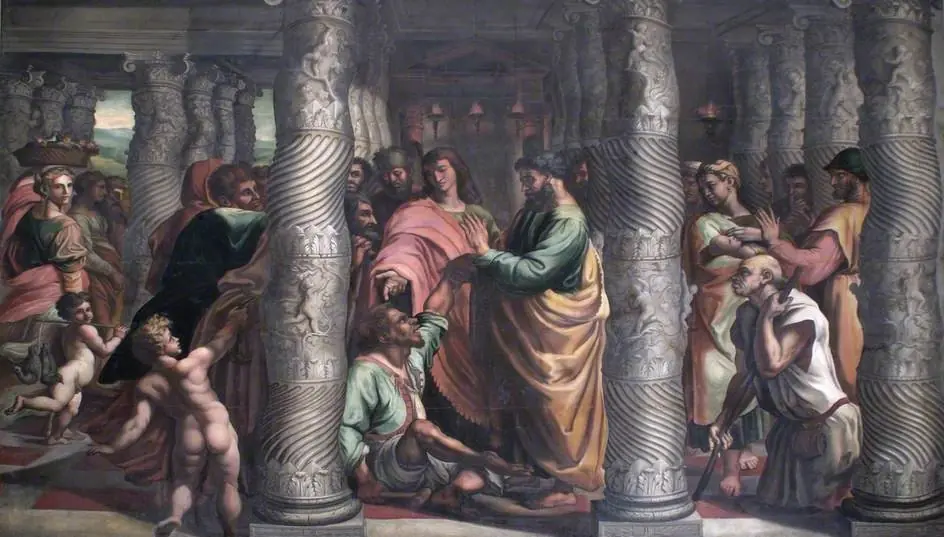 Sts Peter and John at the beautiful Gate
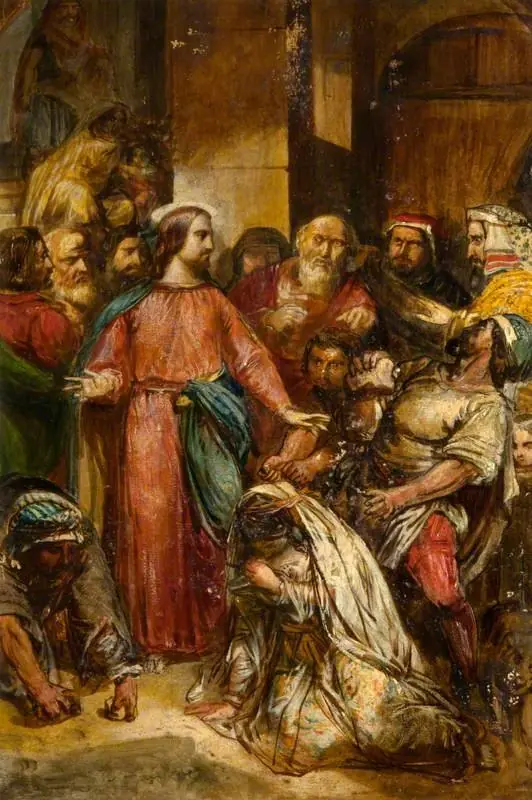 Christ and the Woman Taken in Adultery
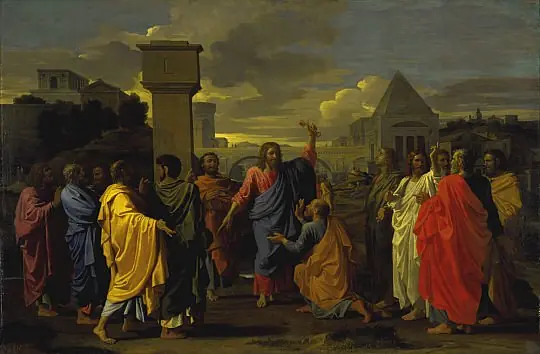 The Sacrament of Ordination
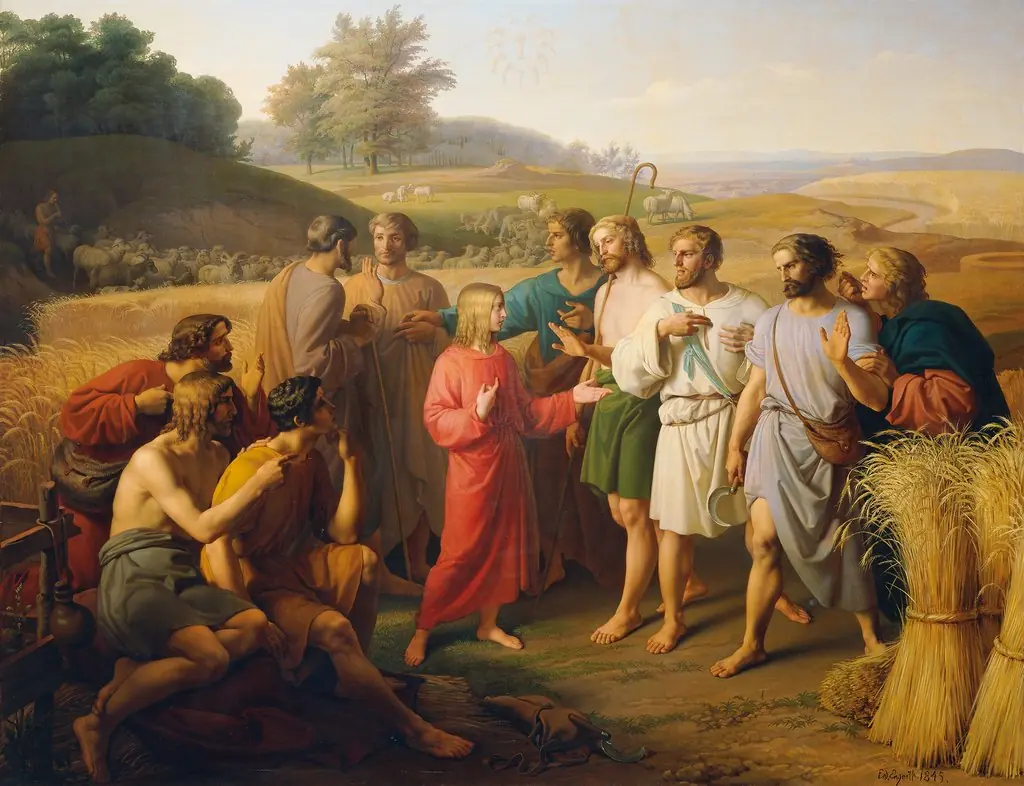 Josef erzählt seine Träume
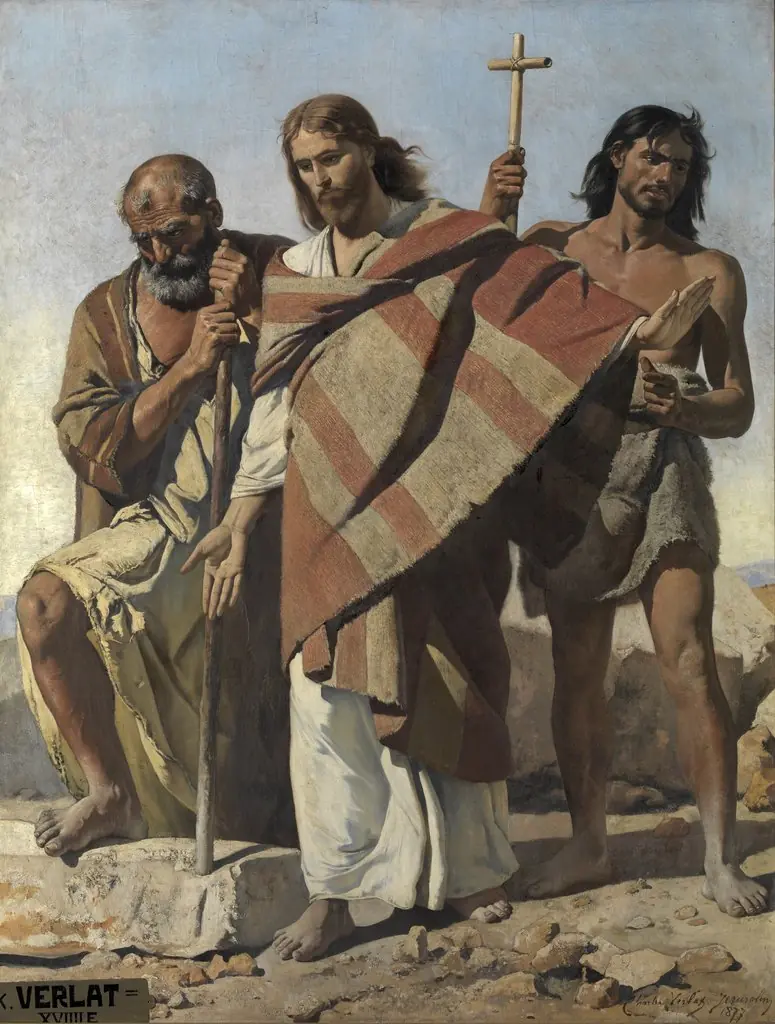 Jesus between Saint Peter and Saint John Baptist
 Christ Healing the Blind Man
 Melchizedek Blessing Abraham