Artwork
Plate 10: Nine Sharks
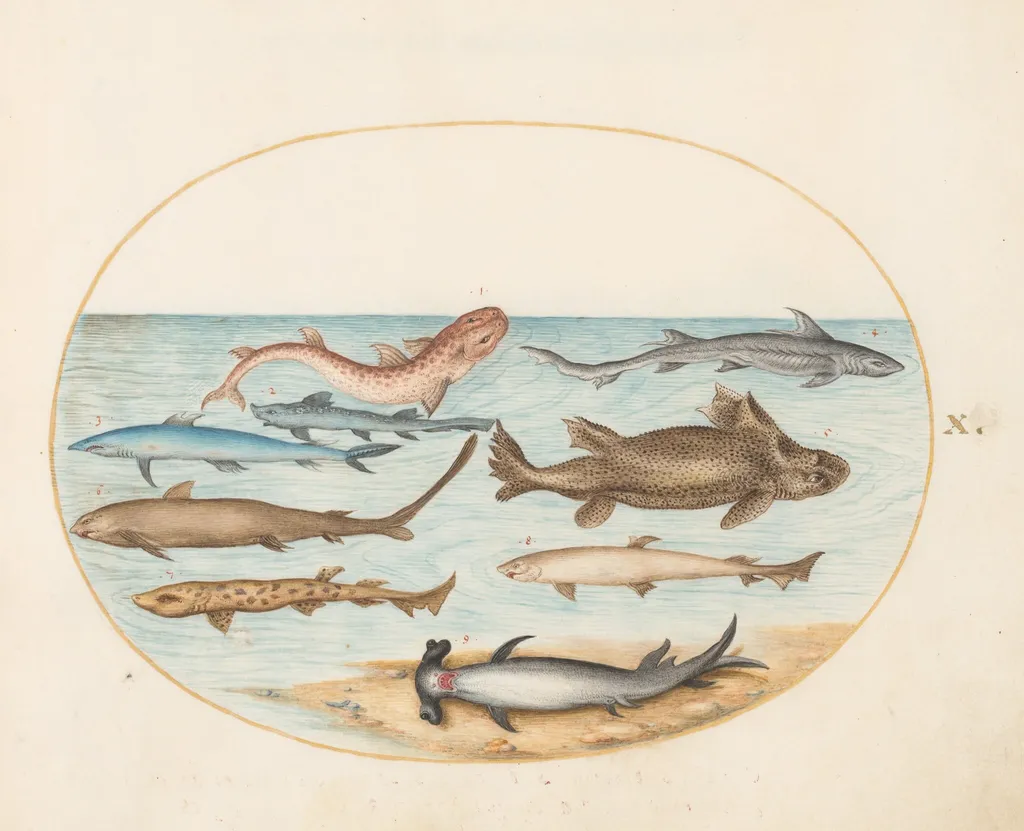
Plate 10: Nine Sharks is a gouache drawing by the Renaissance artist Joris Hoefnagel. It dates from 1594 and is held in the collection of the National Gallery of Art. Executed circa 1594, this work on parchment unites watercolor with gold pigment to form the tenth folio in a natural-history manuscript.
About this work
Overview
Executed circa 1594, this work on parchment unites watercolor with gold pigment to form the tenth folio in a natural-history manuscript.
Executed circa 1594, this work on parchment unites watercolor with gold pigment to form the tenth folio in a natural-history manuscript. Joris Hoefnagel, a Flemish artist bridging medieval illumination and early modern scientific illustration, renders nine distinct elasmobranch species with systematic precision. The sheet exemplifies the transition from devotional manuscripts to empirical catalogues of the natural world.
Subject & Meaning
The folio presents nine sharks suspended against a pale aquatic ground, each specimen isolated for comparative study. Varied skin textures—from coarse dermal denticles to smooth contours—and subtle color shifts underscore morphological diversity. A single shark’s eye rendered in red punctuates the otherwise muted palette, directing attention to anatomical specificity within a broader taxonomic exercise.
Technique & Style
Hoefnagel employs translucent watercolor washes to model volume and translucency, while gold leaf borders frame the composition in the manner of illuminated manuscripts. Fine brushwork delineates individual teeth, gill slits, and lateral lines with near-scientific exactitude. The restrained background eliminates narrative distraction, privileging descriptive clarity over allegorical embellishment.
History & Provenance
Created as part of a larger compendium of fauna, the sheet reflects late-sixteenth-century interest in global natural phenomena. Although its immediate patron remains unidentified, the work aligns with Habsburg court circles where Hoefnagel served as illuminator. Subsequent ownership traces through private collections dedicated to Renaissance naturalia before entering institutional custody in the twentieth century.
Context
The folio emerges from a period in which artists collaborated with naturalists to document newly encountered species. Hoefnagel’s sharks, likely drawn from preserved specimens or traveler accounts, participate in the era’s expanding visual archive of marine life. This shift from symbolic representation to empirical record parallels developments in taxonomy and early modern science.
Legacy
While modest in scale, the work anticipates the rise of natural-history illustration as a distinct genre. Hoefnagel’s fusion of medieval illumination techniques with empirical observation influenced later still-life and scientific painters. The folio’s emphasis on serial depiction and comparative anatomy prefigures eighteenth-century encyclopedic projects, marking a step toward modern zoological illustration.
Artist & collection

Artist
Joris Hoefnagel or Georg Hoefnagel (1542 – 24 July 1601) was a Flemish painter, printmaker, miniaturist, draftsman and merchant.

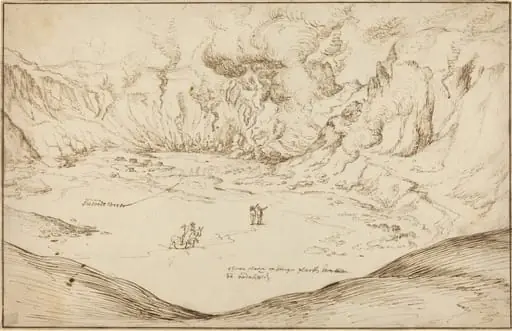 Forum Vulcani: The Hot Springs at Pozzuoli
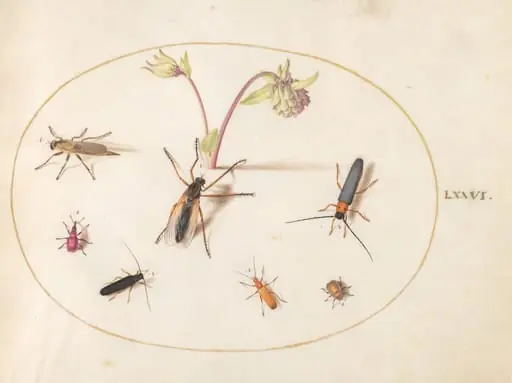 Plate 76: Insects with a Pink and Cream Columbine
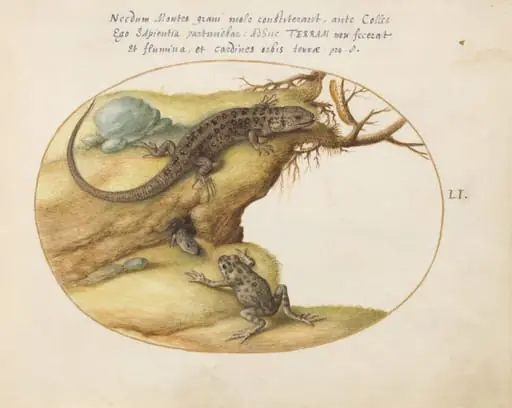 Plate 51: Two Sand Lizards, a Common Parsley Frog(?), and a Caterpillar
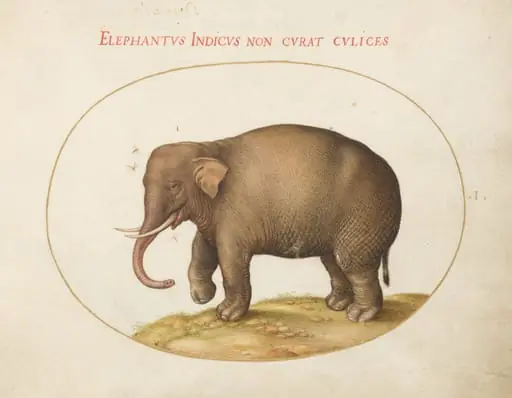 Plate 1: Elephant with Insects
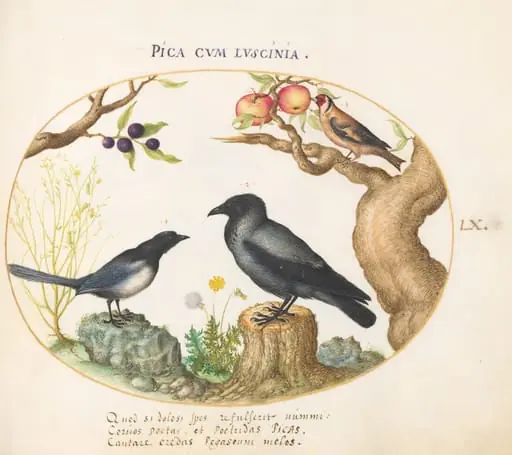 Plate 60: Magpie, Crow, and Goldfinch
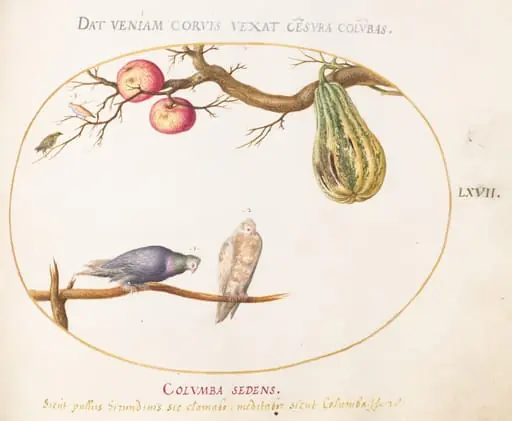 Plate 67: Two Doves beneath a Gourd and Apples
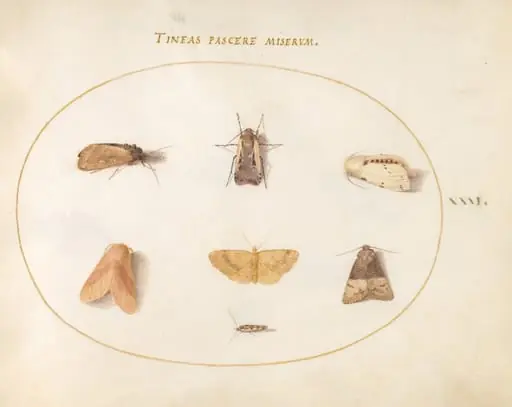 Plate 31: Seven Moths
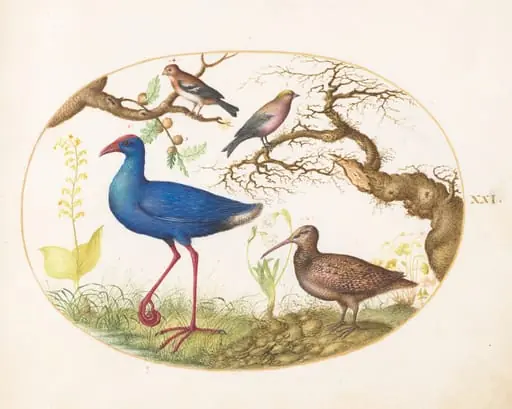 Plate 21: Swamp Hen and Woodcock with a Streaked Rosefinch, a Finch, and Oak Galls
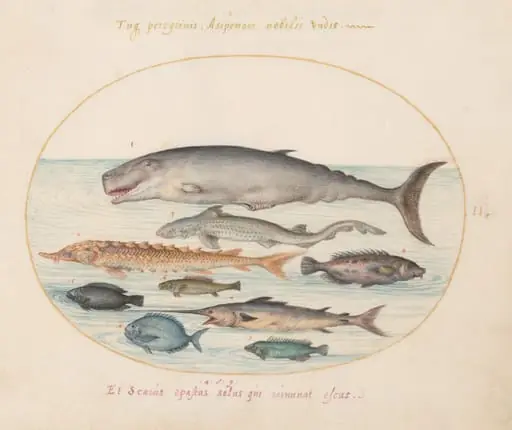 Plate 2: Sperm Whale, Sturgeon, Shark, and Other Fish
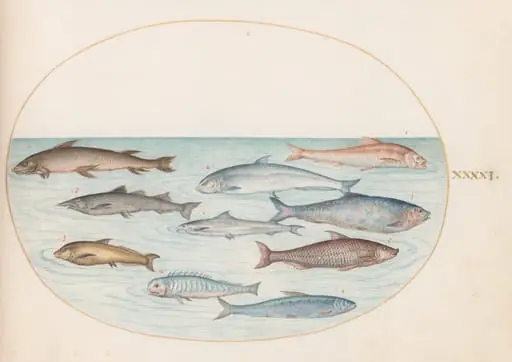 Plate 41: Whitefish(?) and Other Fish
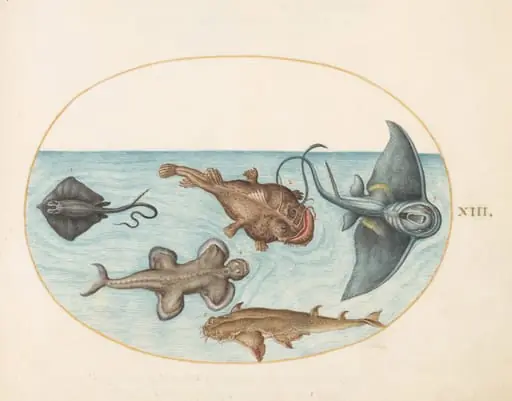 Plate 13: Two Stingrays, an Anglerfish, a Monkfish(?) and an Angel Shark
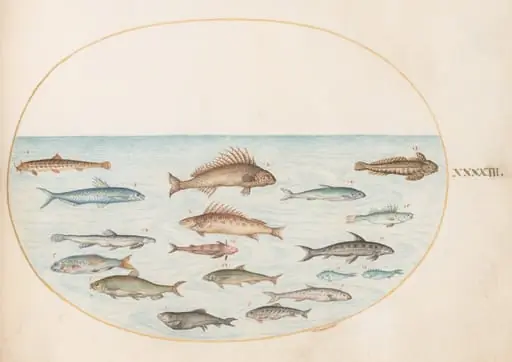 Plate 43: Fifteen Fish
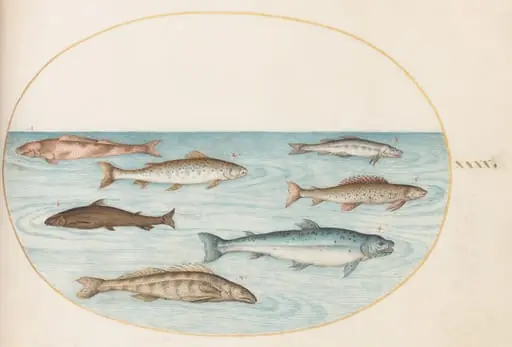 Plate 40: Salmon, Trout, and Freshwater(?) Fish
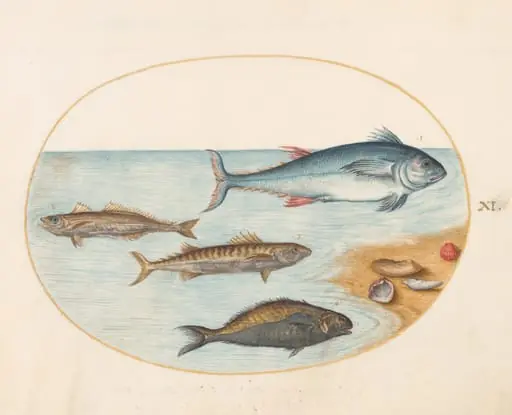 Plate 11: Four Fish and Shells
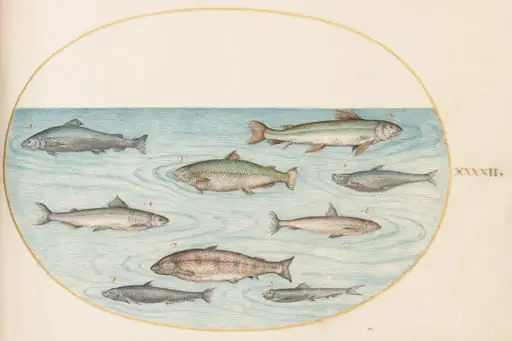 Plate 42: Nine Fish
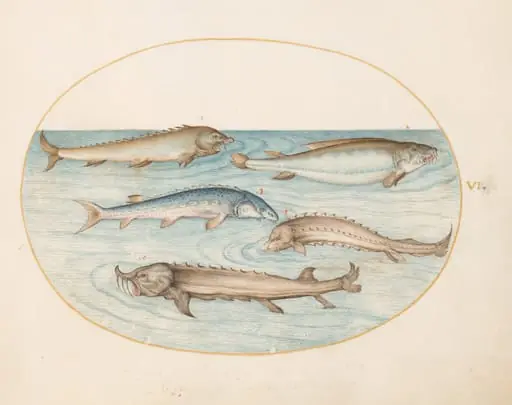 Plate 6: Five Catfish and Sturgeon(?)
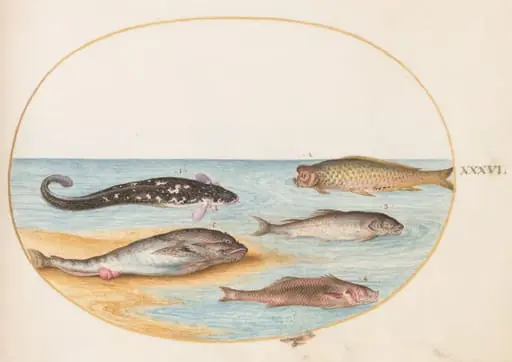 Plate 36: Five Fish, Including Carp(?)
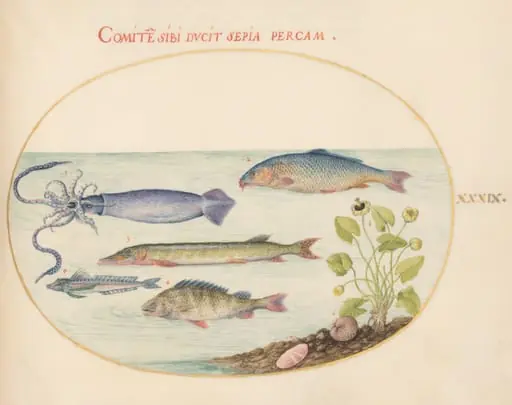 Plate 39: Squid, Gurnard, Pike, and Other Fish
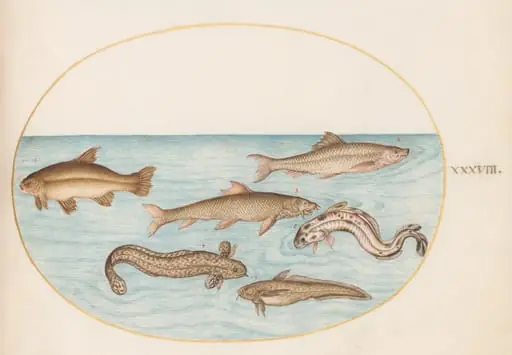 Plate 38: Burbot, Rockling, and Other Fish