Artwork
Plate 11: A Lioness with Two Lions in the Background
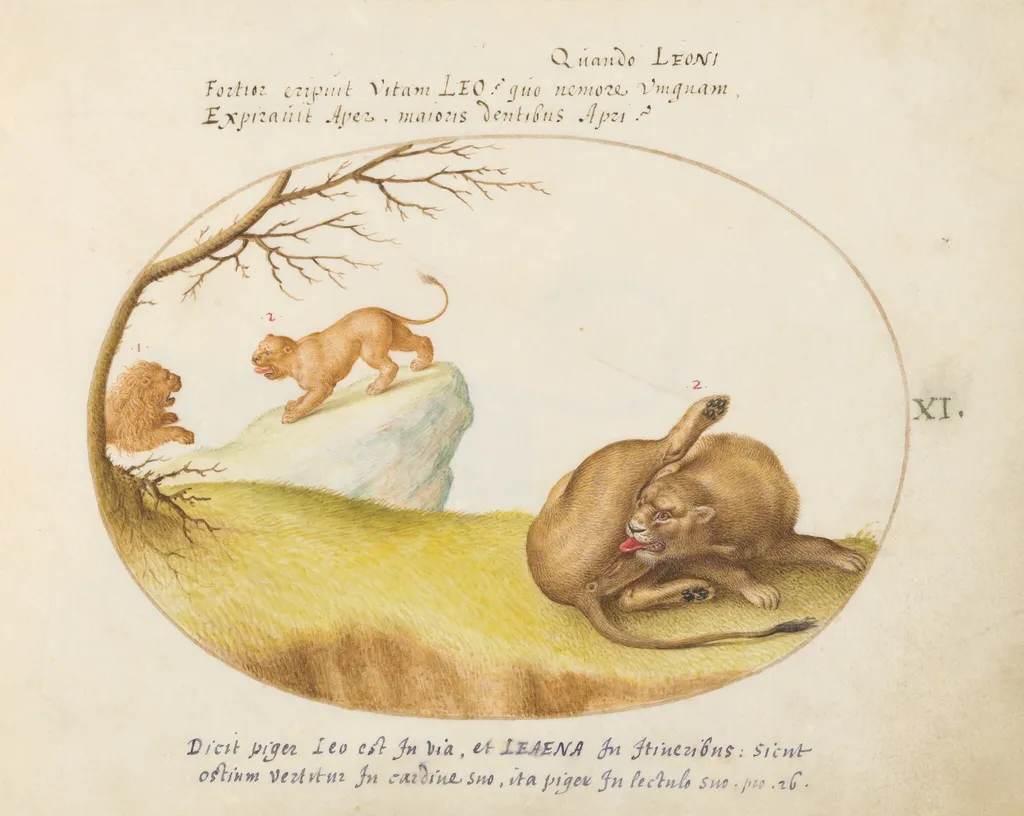
Plate 11: A Lioness with Two Lions in the Background is a gouache drawing by the Renaissance artist Joris Hoefnagel. It dates from 1594 and is held in the collection of the National Gallery of Art.
About this work
Overview
Created around 1594 by Joris Hoefnagel, this work is a watercolor and gold paint drawing on parchment, part of a larger manuscript tradition.
Created around 1594 by Joris Hoefnagel, this work is a watercolor and gold paint drawing on parchment, part of a larger manuscript tradition. Hoefnagel, a Flemish artist known for meticulous natural history studies, combined scientific observation with decorative illumination. The piece exemplifies late Renaissance manuscript art, where detailed wildlife imagery was rendered with precision and ornamental framing, bridging documentary intent and artistic refinement.
Subject & Meaning
The composition centers on a lioness reclining on a grassy slope, her posture suggesting calm or playfulness, while two smaller lions observe from a rocky outcrop—one standing, one crouched. The contrast in their demeanor implies a dynamic social interaction within the pride. A bare tree branch arches overhead, framing the scene without disrupting its naturalism. The image conveys observation rather than symbolism, reflecting Hoefnagel’s interest in animal behavior as a subject worthy of careful study.
Technique & Style
Hoefnagel employed watercolor with glazing techniques to build subtle layers of color, achieving luminous depth in the fur and foliage. Gold paint outlines the border, a traditional manuscript element that elevates the scene without overpowering it. The parchment surface enhances the delicacy of the pigments, while fine brushwork captures texture in grass, rock, and animal anatomy. His style merges the precision of scientific illustration with the elegance of illuminated book art.
History & Provenance
This plate likely originated in a codex compiled during Hoefnagel’s time in Prague, where he worked for Emperor Rudolf II’s imperial collection. Such manuscripts were curated as cabinets of natural wonders, blending art and early zoology. Though the full manuscript’s later history is fragmented, individual plates like this one were preserved as standalone works, valued for their craftsmanship and rarity in an era transitioning from manuscript to printed natural history texts.
Context
In late 16th-century Europe, natural history illustration flourished under princely patronage, particularly in the Holy Roman Empire. Hoefnagel’s work emerged alongside emerging scientific inquiry, yet remained rooted in medieval manuscript aesthetics. His depictions of animals avoided mythological tropes, favoring direct observation. This plate reflects a moment when artistic tradition and empirical study coexisted, before the rise of engraved natural history publications.
Legacy
Hoefnagel’s detailed animal studies influenced later naturalists and illustrators in northern Europe, helping to shift depictions of wildlife from symbolic to observational. His use of watercolor on parchment preserved a manuscript tradition even as print culture expanded. Though overshadowed by later scientific illustrators, his work remains a key link between medieval illumination and early modern natural history, valued for its quiet precision and enduring visual clarity.
Artist & collection

Artist
Joris Hoefnagel or Georg Hoefnagel (1542 – 24 July 1601) was a Flemish painter, printmaker, miniaturist, draftsman and merchant.

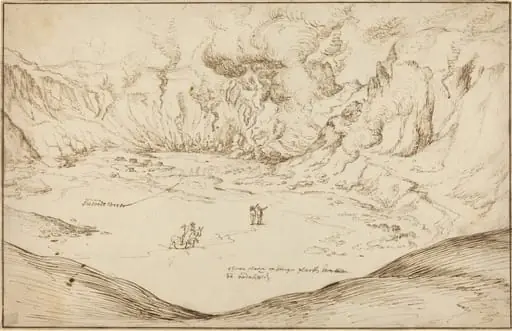 Forum Vulcani: The Hot Springs at Pozzuoli
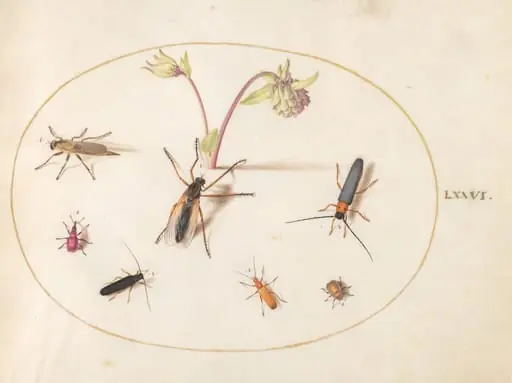 Plate 76: Insects with a Pink and Cream Columbine
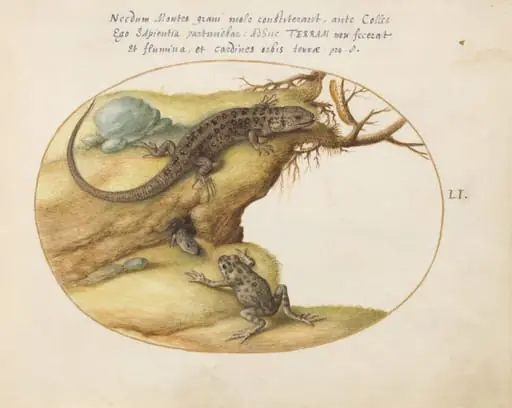 Plate 51: Two Sand Lizards, a Common Parsley Frog(?), and a Caterpillar
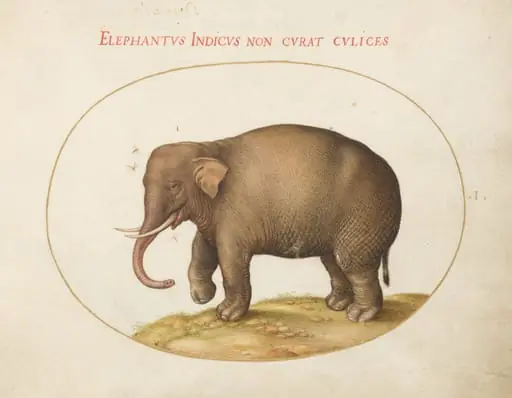 Plate 1: Elephant with Insects
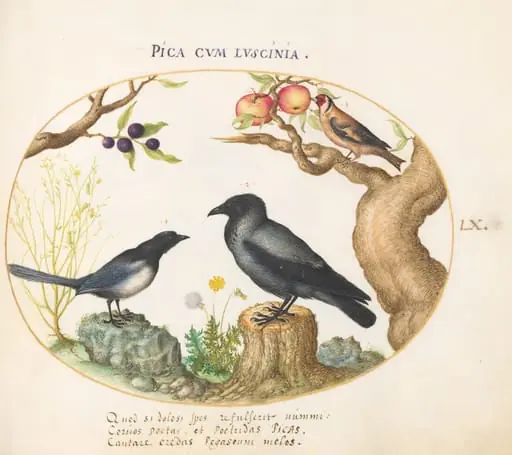 Plate 60: Magpie, Crow, and Goldfinch
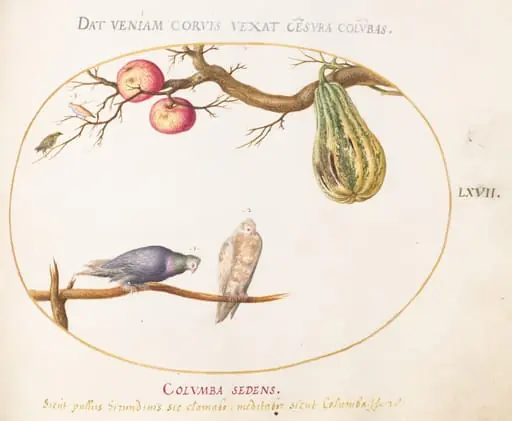 Plate 67: Two Doves beneath a Gourd and Apples
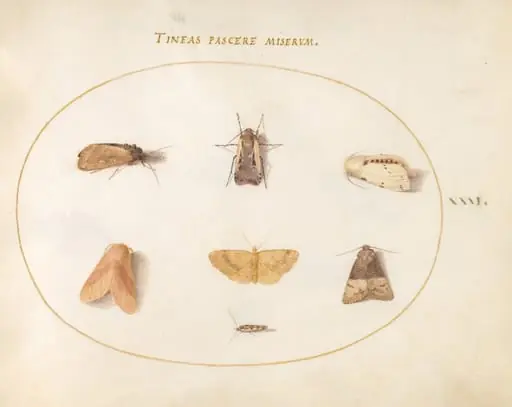 Plate 31: Seven Moths
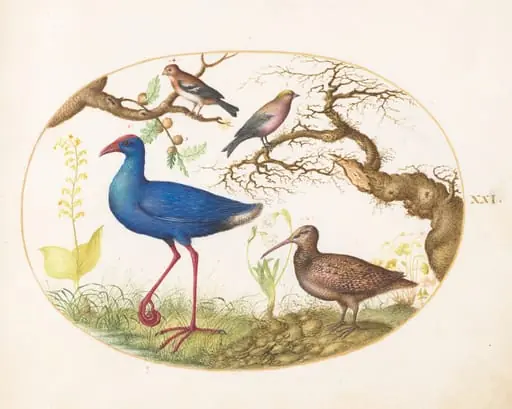 Plate 21: Swamp Hen and Woodcock with a Streaked Rosefinch, a Finch, and Oak Galls
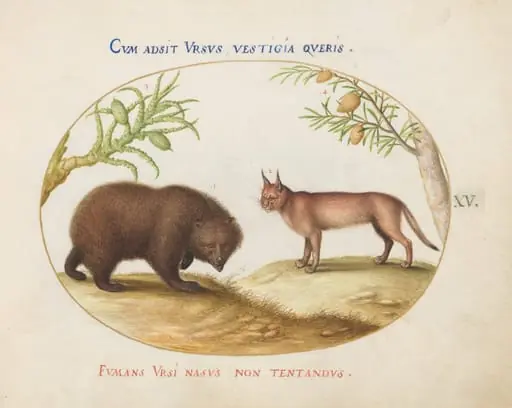 Plate 15: A Bear and a Lynx(?)
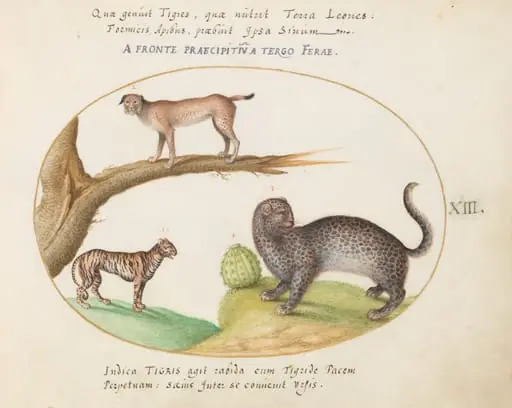 Plate 13: A Tiger, a Lynx, and a Jaguar(?)
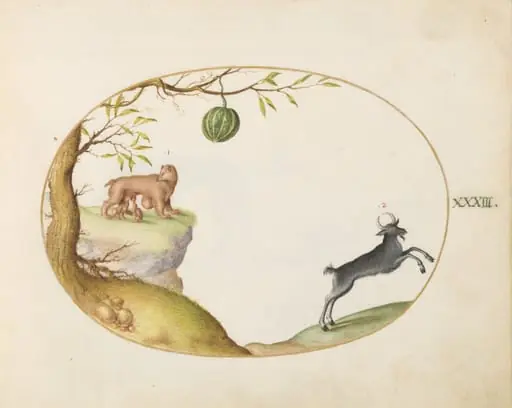 Plate 33: A "Simivulpa" (Opossum?) and an Ibex
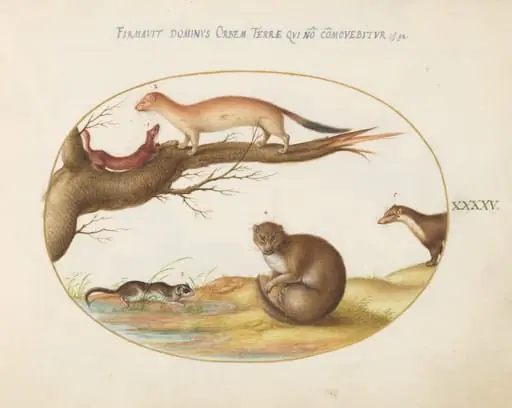 Plate 45: Weasels, a Ferret, and a "Nut Mouse"
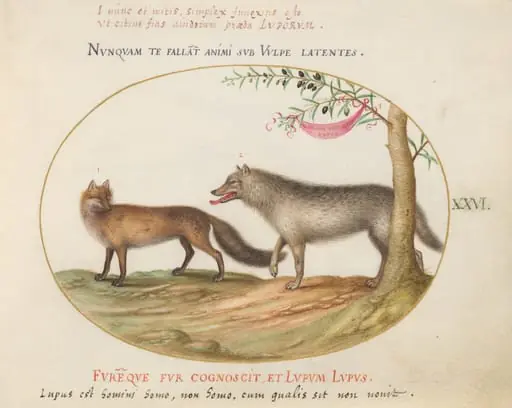 Plate 26: A Red Fox and a Wolf
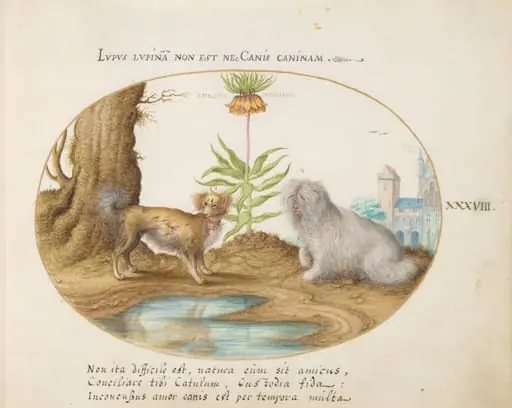 Plate 38: Two Small Dogs with a Crown Imperial
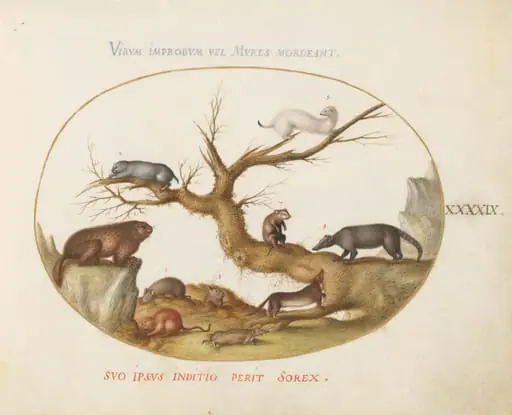 Plate 49: Marmot, Hamsters, Rat, Field Mouse, Shrew, and a Coatimundi
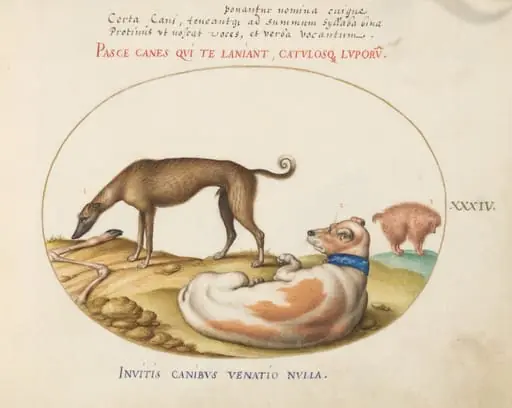 Plate 34: Three Dogs, Including a "Mimick"