Artwork
Plate 12: A Cheetah(?) and a Wild Sheep
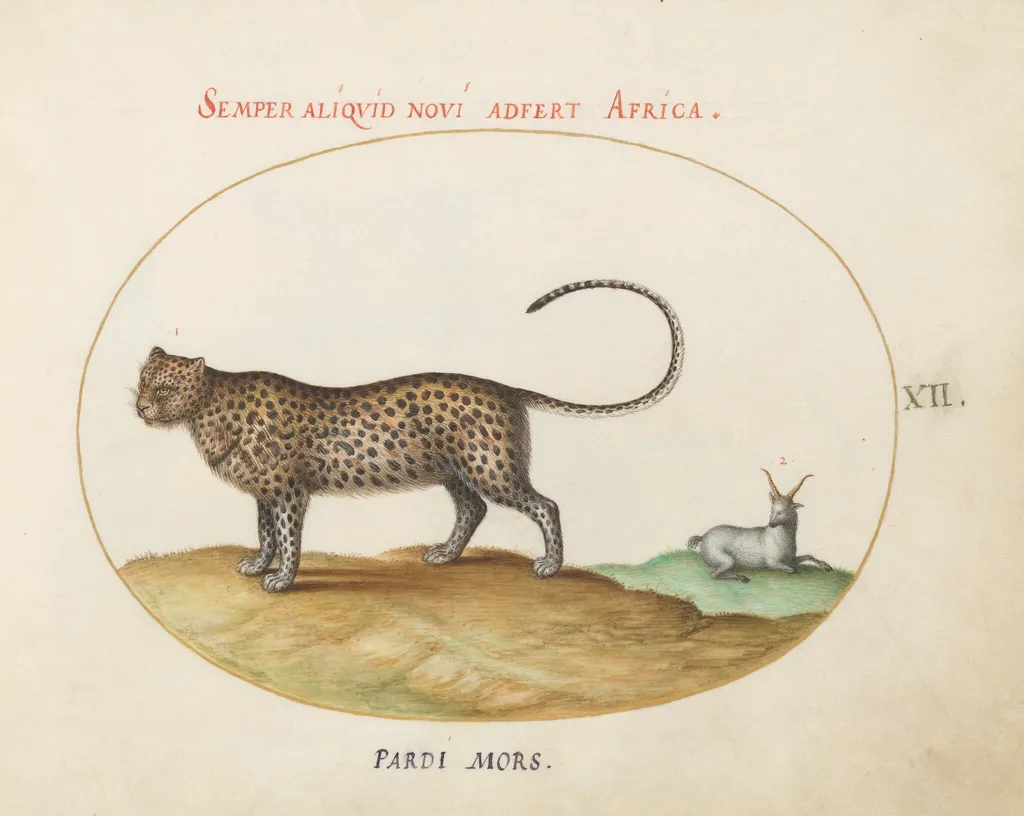
Plate 12: A Cheetah(?) and a Wild Sheep is a gouache drawing by the Renaissance artist Joris Hoefnagel. It dates from 1594 and is held in the collection of the National Gallery of Art.
About this work
Overview
Its precise depiction of fauna aligns with the period’s growing interest in empirical observation.
This work, dated circa 1594, is a meticulously rendered study on parchment by Joris Hoefnagel, a Flemish artist recognized for his contributions to natural history illustration. Executed in watercolor and gold paint, the drawing exemplifies the transition from manuscript illumination to independent still-life and animal studies in Northern European art. Its precise depiction of fauna aligns with the period’s growing interest in empirical observation.
Subject & Meaning
The composition presents a confrontation between a spotted feline—tentatively identified as a cheetah—and a curled, horned wild sheep. Latin inscriptions frame the scene, invoking classical notions of Africa’s exoticism and the predatory cycle. The phrase *“Semper aliquid novi adfert Africa”* underscores the continent’s perceived novelty, while *“Pardi mors”* alludes to the lethal encounter. The ambiguity of the cat’s identification reflects the era’s reliance on secondhand accounts of unfamiliar species.
Technique & Style
Hoefnagel’s approach combines scientific exactitude with decorative refinement. Delicate washes of watercolor define the animals’ textures, from the cat’s rosette-patterned fur to the sheep’s coiled form, while gold accents lend the work a luminous, manuscript-like quality. The circular framing device and Latin text reinforce the tradition of illuminated bestiaries, though the focus on isolated creatures anticipates later natural history illustration.
History & Provenance
Created as part of a series of animal studies, this drawing reflects Hoefnagel’s role in documenting the natural world for aristocratic patrons. Its survival as an independent work on parchment suggests it may have been intended for a collector’s album or a scholarly compendium. Little is documented about its early ownership, but its inclusion in later collections underscores its value as both artistic and scientific testimony.
Context
The late 16th century saw increased European engagement with global exploration, fueling demand for accurate representations of foreign flora and fauna. Hoefnagel’s work bridges medieval bestiaries and Renaissance naturalism, reflecting the era’s tension between allegory and empirical study. His depictions of animals, often based on specimens in menageries or travelers’ descriptions, contributed to the emerging genre of still-life painting in Northern Europe.
Legacy
Though not widely reproduced, Hoefnagel’s animal studies influenced subsequent generations of natural history illustrators. His fusion of artistic elegance with observational rigor prefigures the work of 17th-century artists like Maria Sibylla Merian. The drawing’s enduring appeal lies in its dual role as a scientific record and a testament to the Renaissance fascination with the natural world’s diversity.
Artist & collection

Artist
Joris Hoefnagel or Georg Hoefnagel (1542 – 24 July 1601) was a Flemish painter, printmaker, miniaturist, draftsman and merchant.

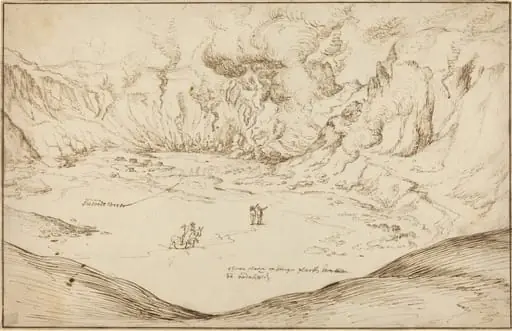 Forum Vulcani: The Hot Springs at Pozzuoli
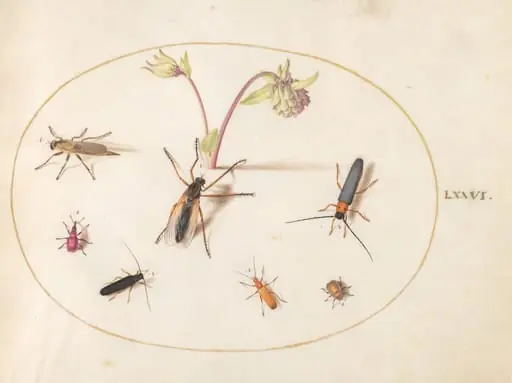 Plate 76: Insects with a Pink and Cream Columbine
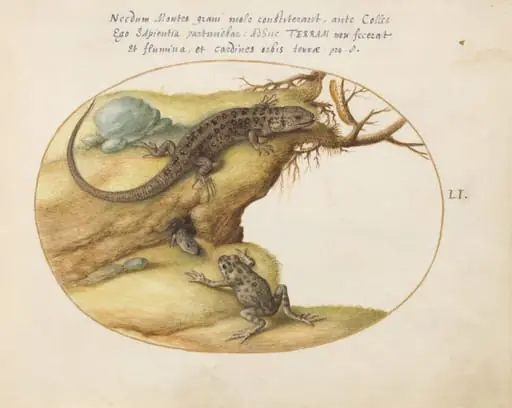 Plate 51: Two Sand Lizards, a Common Parsley Frog(?), and a Caterpillar
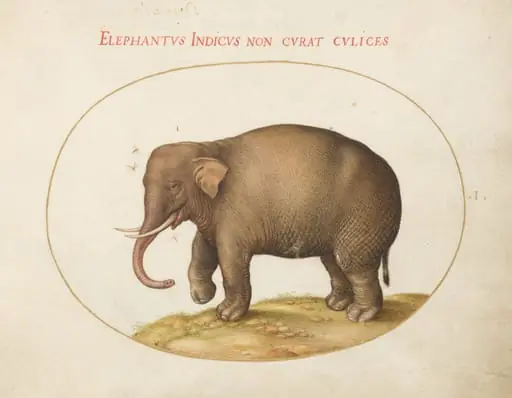 Plate 1: Elephant with Insects
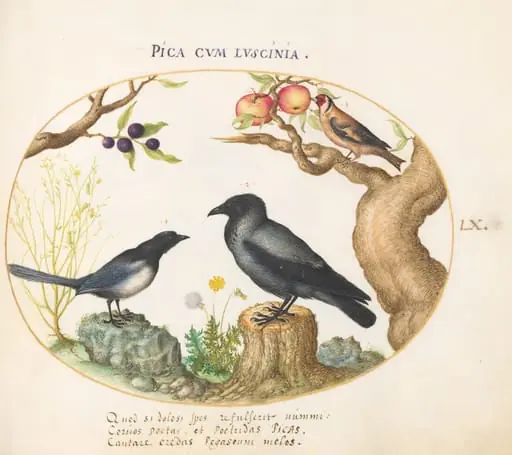 Plate 60: Magpie, Crow, and Goldfinch
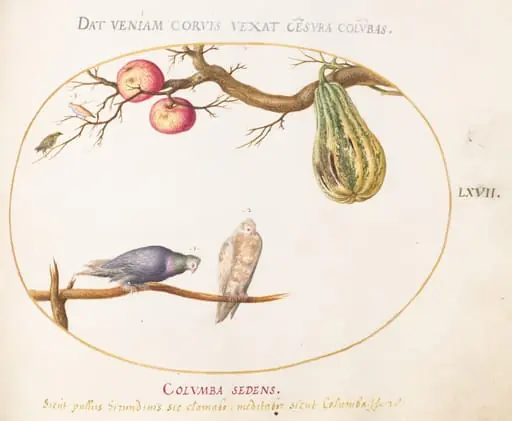 Plate 67: Two Doves beneath a Gourd and Apples
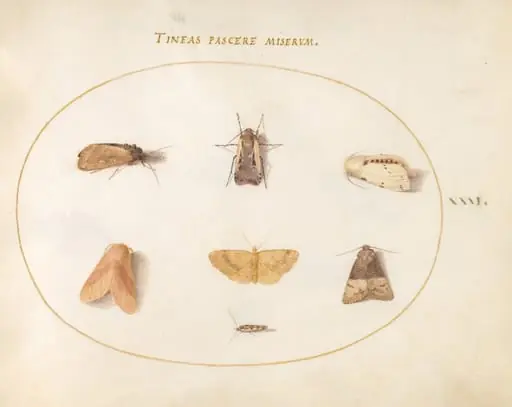 Plate 31: Seven Moths
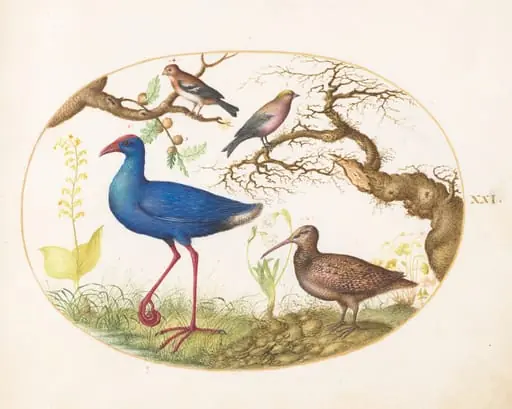 Plate 21: Swamp Hen and Woodcock with a Streaked Rosefinch, a Finch, and Oak Galls
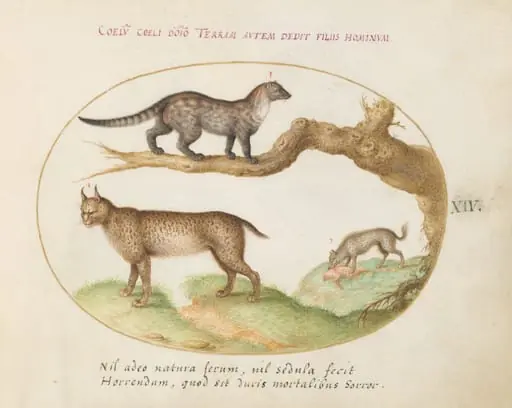 Plate 14: A Civet, a Lynx, and a Hyena Eating a Dog
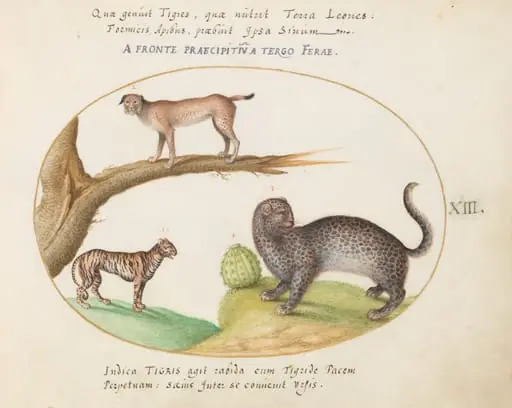 Plate 13: A Tiger, a Lynx, and a Jaguar(?)
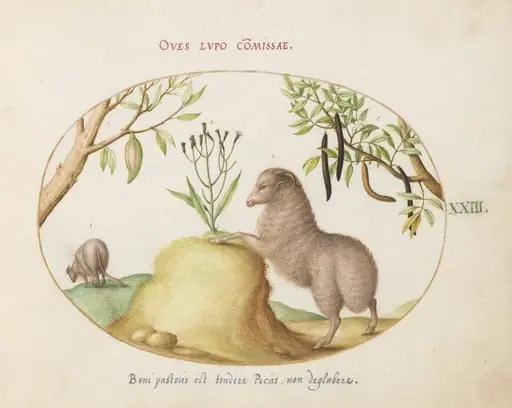 Plate 23: A Fat-Tailed Sheep, a Sheep with a Long Tail, a "Cassia purgatrix,"and Other Plants
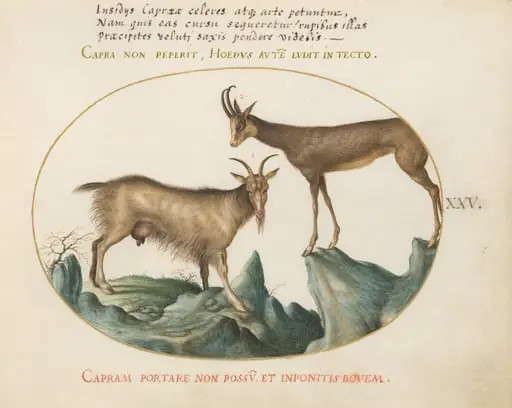 Plate 25: Two Wild Goats
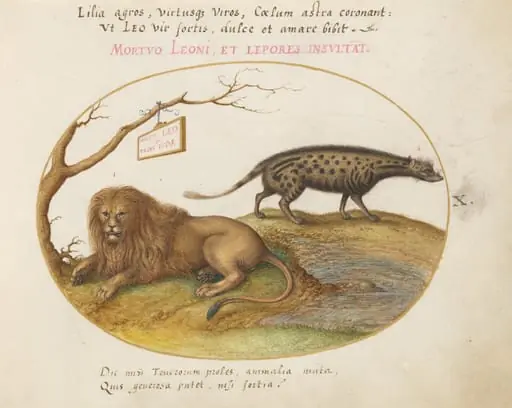 Plate 10: A Lion and a Civet Cat
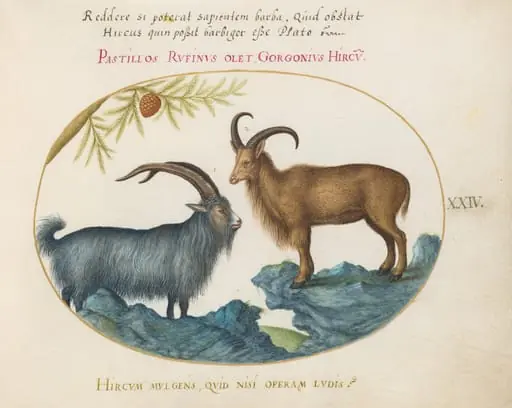 Plate 24: A Wild Goat and a Barbary Sheep(?)
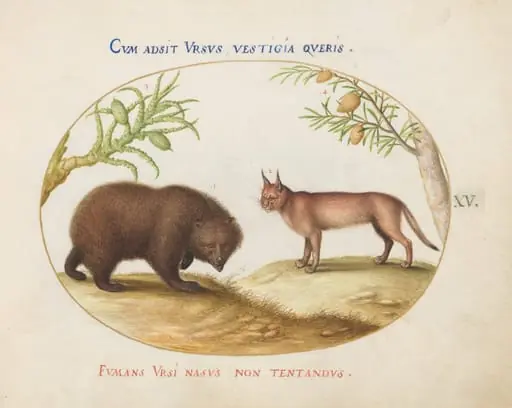 Plate 15: A Bear and a Lynx(?)
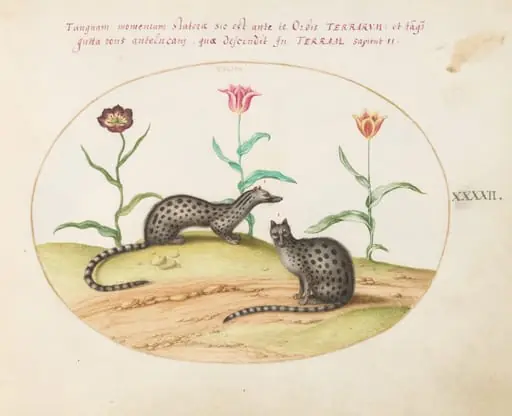 Plate 42: Two Genets or Civet Cats with Tulips
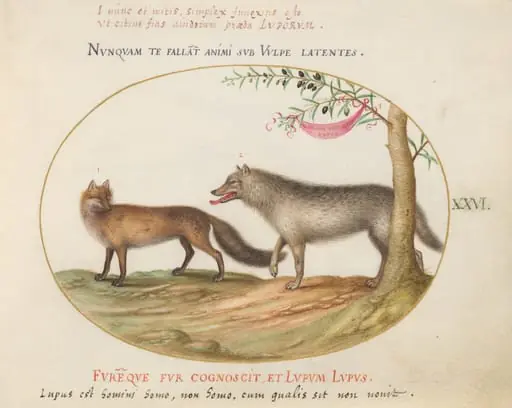 Plate 26: A Red Fox and a Wolf
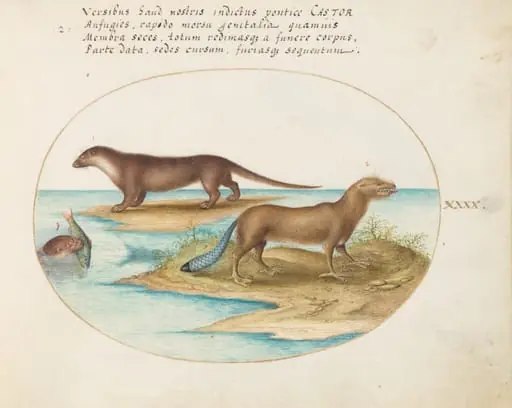 Plate 40: Two Otters and a Beaver
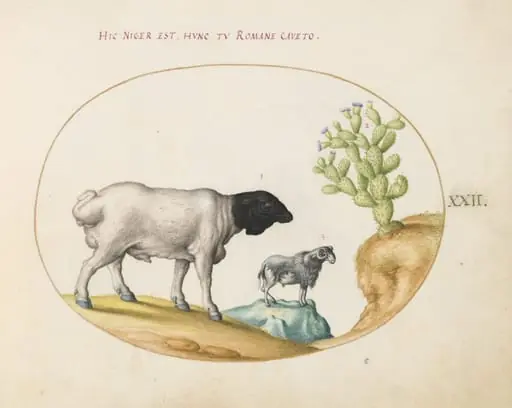 Plate 22: Blackhead Persian Sheep and a Sheep with a Long Tail, with a Cactus