Artwork
Plate 16: Eels, Pipefish, and Needlefish
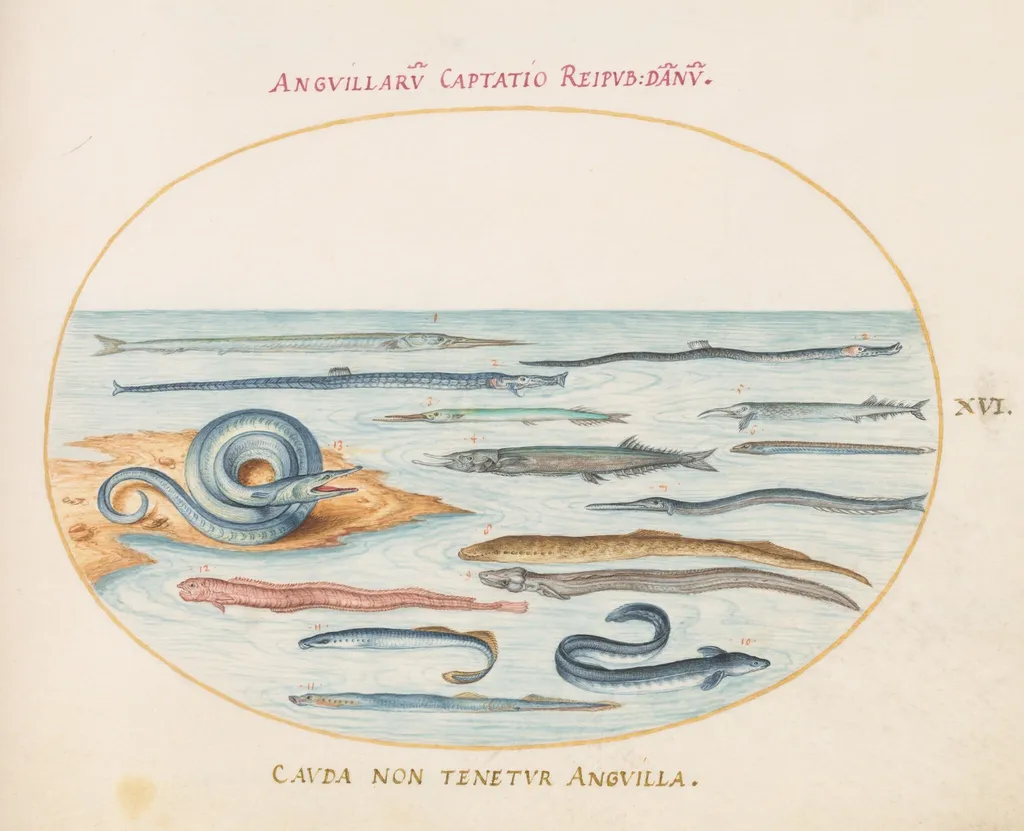
Plate 16: Eels, Pipefish, and Needlefish is a gouache drawing by the Renaissance artist Joris Hoefnagel. It dates from 1594 and is held in the collection of the National Gallery of Art.
About this work
Overview
Created circa 1594, this small panel depicts a grouping of eels, pipefish and needlefish rendered in watercolor with touches of gold on parchment. The work is attributed to Joris Hoefnagel, a Flemish artist active in the late sixteenth century who combined the traditions of manuscript illumination with emerging natural‑history illustration.
Subject & Meaning
The composition presents three distinct marine species—elongated eels, slender pipefish and sleek needlefish—arranged to emphasize their differing forms and textures. By isolating these creatures, Hoefnagel invites close observation, reflecting a scholarly interest in cataloguing the diversity of aquatic life rather than conveying narrative or allegorical content.
Technique & Style
Hoefnagel employed delicate watercolor washes to model the bodies of the fish, while fine gold lines accentuate scale patterns and highlight reflective surfaces. Executed on parchment, the medium allows a smooth, luminous ground that enhances the translucency of the water‑borne forms, illustrating the artist’s skill in both pigment control and decorative illumination.
Context
The piece exemplifies the shift in northern Europe from purely decorative manuscript work toward systematic naturalistic studies. Hoefnagel, trained as a painter, printmaker and draftsman, contributed to early modern biological illustration, bridging the ornamental legacy of illuminated books with the empirical observation that would later define scientific illustration.
Artist & collection

Artist
Joris Hoefnagel or Georg Hoefnagel (1542 – 24 July 1601) was a Flemish painter, printmaker, miniaturist, draftsman and merchant.

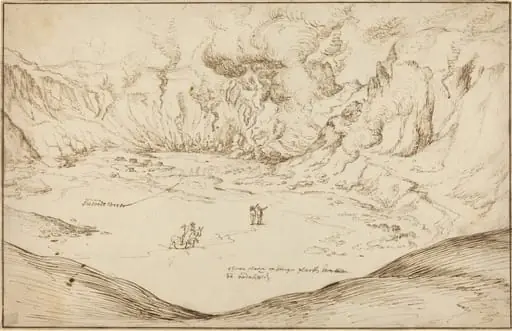 Forum Vulcani: The Hot Springs at Pozzuoli
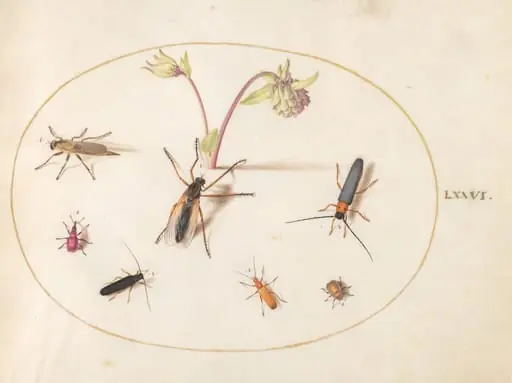 Plate 76: Insects with a Pink and Cream Columbine
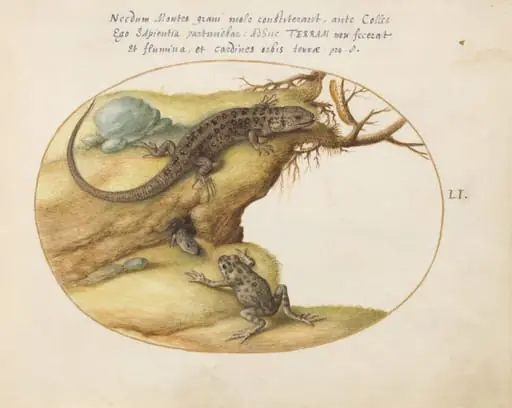 Plate 51: Two Sand Lizards, a Common Parsley Frog(?), and a Caterpillar
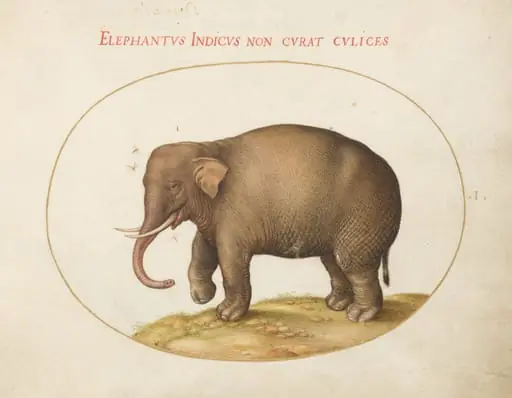 Plate 1: Elephant with Insects
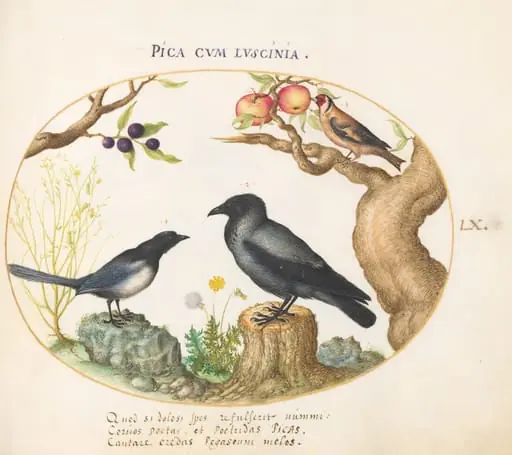 Plate 60: Magpie, Crow, and Goldfinch
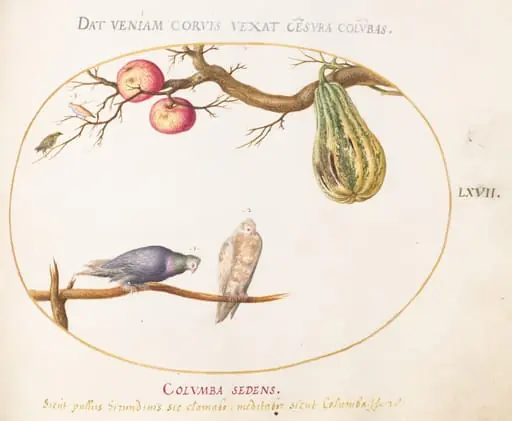 Plate 67: Two Doves beneath a Gourd and Apples
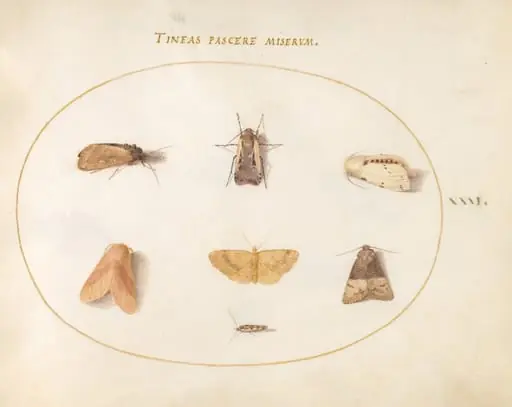 Plate 31: Seven Moths
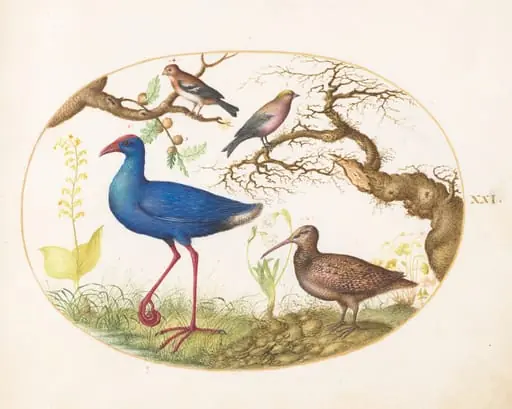 Plate 21: Swamp Hen and Woodcock with a Streaked Rosefinch, a Finch, and Oak Galls
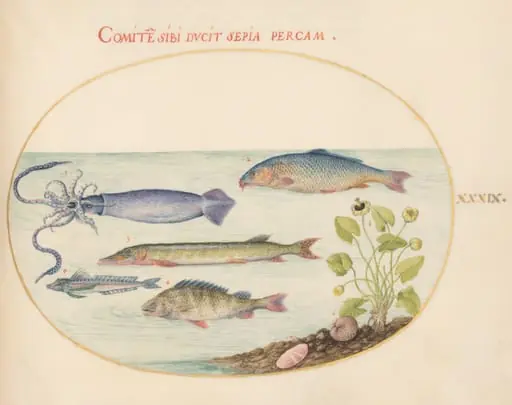 Plate 39: Squid, Gurnard, Pike, and Other Fish
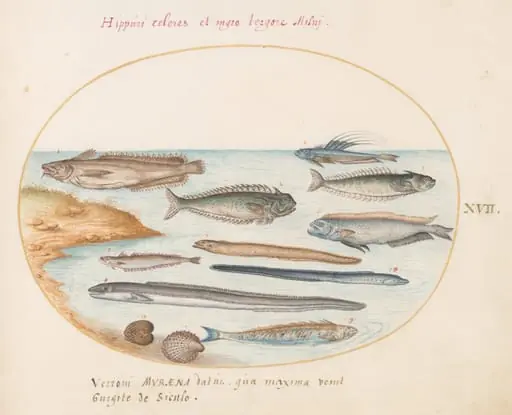 Plate 17: A Cod, Weever Fish, Eels, and Other Fish
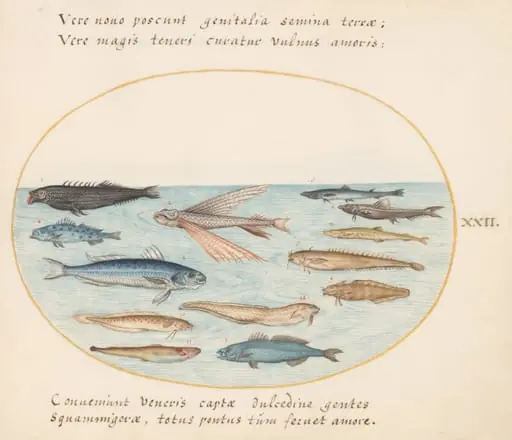 Plate 22: Mullet, Flying Fish, Eels, and Other Fish
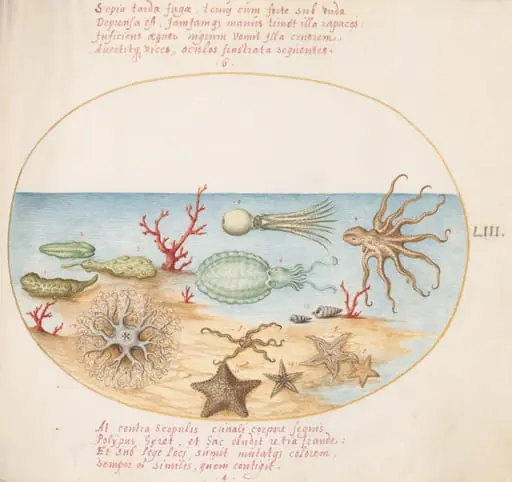 Plate 53: Sea Cucumbers, Coral, Octopus, Starfish, Squid, and Other Sea Creatures
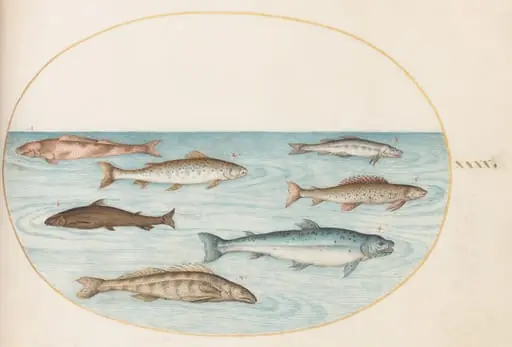 Plate 40: Salmon, Trout, and Freshwater(?) Fish
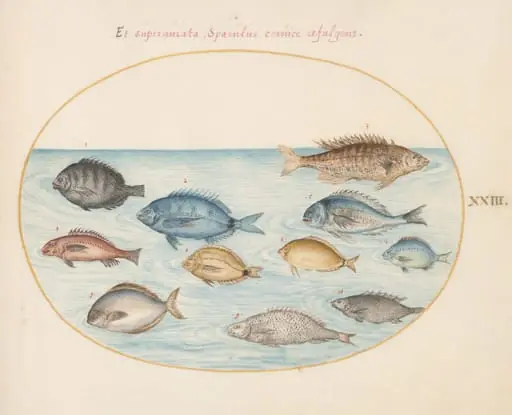 Plate 23: Bream(?) and Other Fish
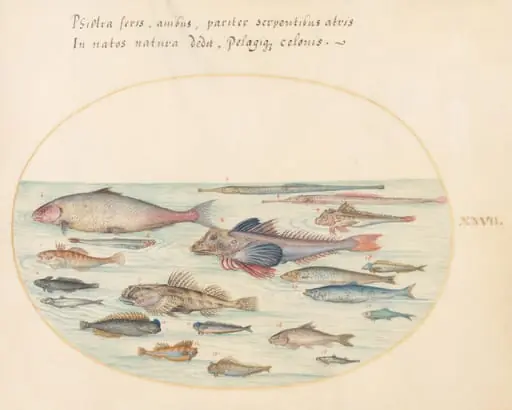 Plate 27: Blennies, Scorpion Fish, and Other Fish
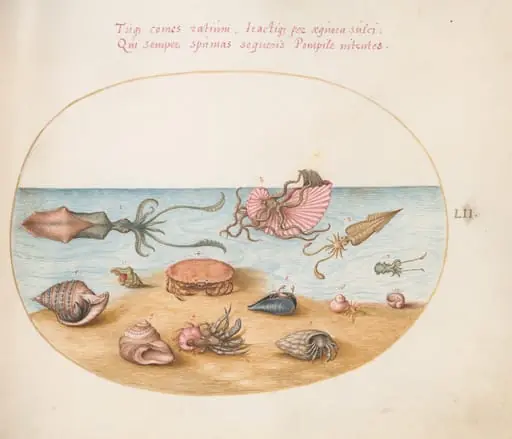 Plate 52: An Argonaut, Squid, Hermit Crabs, Shells, and a Crab
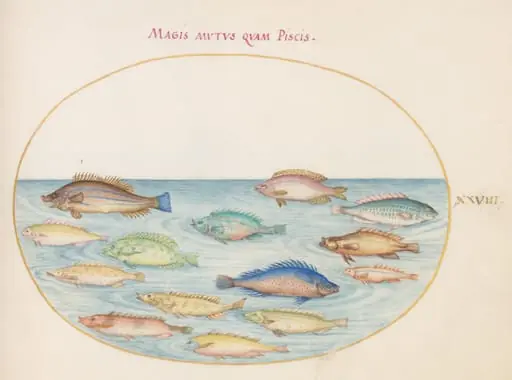 Plate 28: Sea Bream(?) and Other Fish
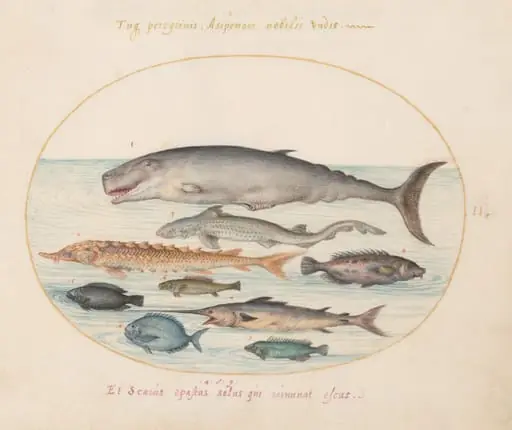 Plate 2: Sperm Whale, Sturgeon, Shark, and Other Fish
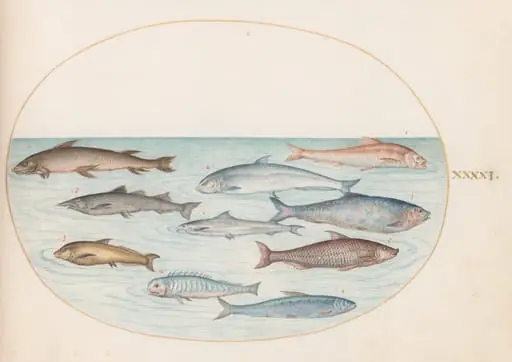 Plate 41: Whitefish(?) and Other Fish