Artwork
Plate 2: Two Giraffes with an Attendant
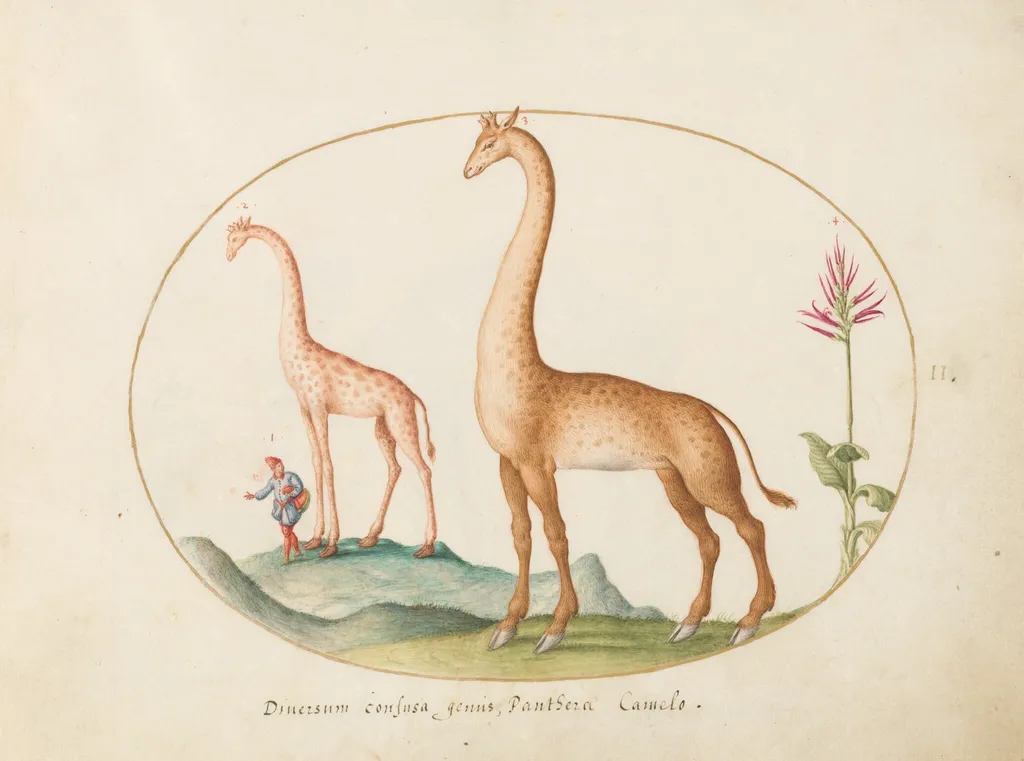
Plate 2: Two Giraffes with an Attendant is a gouache drawing by the Renaissance artist Joris Hoefnagel. It dates from 1594 and is held in the collection of the National Gallery of Art.
About this work
Overview
Created around 1594 by Joris Hoefnagel, this work is a watercolor and gold paint drawing on parchment, part of a series of natural history illustrations.
Created around 1594 by Joris Hoefnagel, this work is a watercolor and gold paint drawing on parchment, part of a series of natural history illustrations. It reflects the transition from medieval manuscript illumination to early modern scientific observation, combining meticulous detail with decorative elements typical of late Renaissance art. The use of parchment and gold highlights its origins in the tradition of illuminated books.
Subject & Meaning
The scene portrays two giraffes on a small island, accompanied by a figure in vivid attire who gestures toward one of the animals. The giraffes, rendered with attention to their distinctive markings and posture, suggest an interest in exotic wildlife, likely inspired by specimens seen in European courts. The attendant may represent a keeper or observer, emphasizing the human role in documenting and controlling the natural world.
Technique & Style
Hoefnagel applied watercolor in thin, layered glazes to achieve subtle tonal shifts in the giraffes' coats, enhancing realism. Gold paint outlines the composition within a circular frame, a nod to medieval illumination practices. The background is minimal, with a single plant on the right, directing focus to the animals. The precision of line and color reflects both artistic training and a growing emphasis on empirical observation.
History & Provenance
This plate was produced during Hoefnagel’s time in the service of Holy Roman Emperor Rudolf II, whose court in Prague was a center for natural philosophy and artistic patronage. As one of the final practitioners of manuscript illumination, Hoefnagel’s work bridged the gap between medieval codices and emerging naturalist illustration. The piece likely belonged to a larger, now-dispersed collection of animal studies.
Context
In late 16th-century Europe, exotic animals like giraffes were rare and highly symbolic, often displayed in royal menageries. Hoefnagel’s depiction aligns with a broader trend of documenting the natural world through art, influenced by travels, diplomatic gifts, and early scientific inquiry. His work contributed to the visual lexicon of natural history before the advent of printed encyclopedias.
Legacy
Hoefnagel’s detailed approach influenced later naturalists and illustrators, helping shape the visual language of zoological documentation. His fusion of artistic ornamentation with observational accuracy marked a pivotal moment in the evolution of scientific imagery. Though produced as part of a manuscript tradition, his work anticipated the precision and clarity demanded by emerging natural science.
Artist & collection

Artist
Joris Hoefnagel or Georg Hoefnagel (1542 – 24 July 1601) was a Flemish painter, printmaker, miniaturist, draftsman and merchant.

 Forum Vulcani: The Hot Springs at Pozzuoli
 Plate 76: Insects with a Pink and Cream Columbine
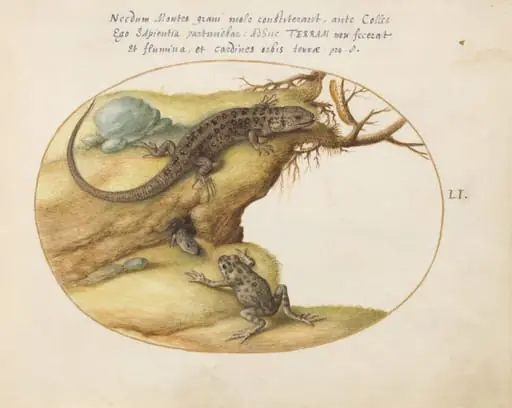 Plate 51: Two Sand Lizards, a Common Parsley Frog(?), and a Caterpillar
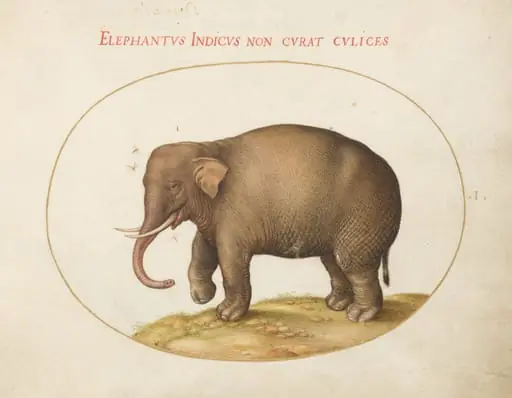 Plate 1: Elephant with Insects
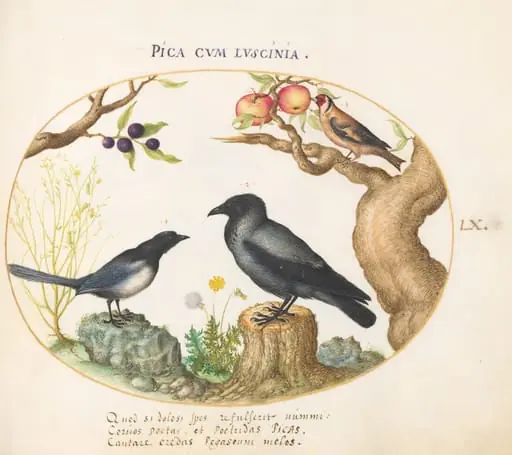 Plate 60: Magpie, Crow, and Goldfinch
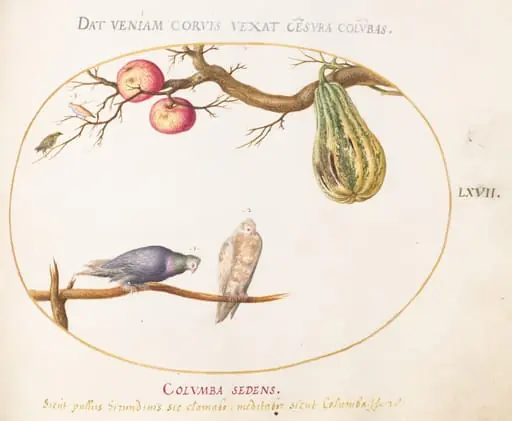 Plate 67: Two Doves beneath a Gourd and Apples
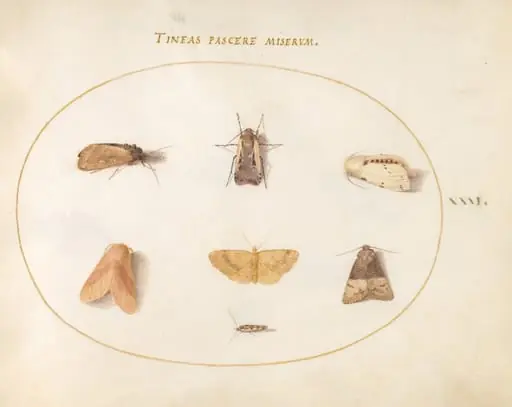 Plate 31: Seven Moths
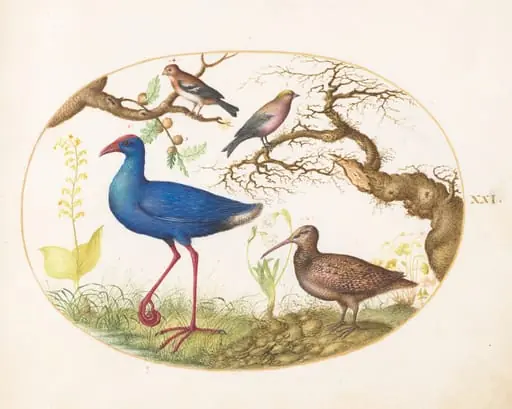 Plate 21: Swamp Hen and Woodcock with a Streaked Rosefinch, a Finch, and Oak Galls