Artwork
Plate 66: Lackey Moth Caterpillar, Figure of Eight Caterpillar, Grey Dagger Caterpillar, and Other Caterpillars
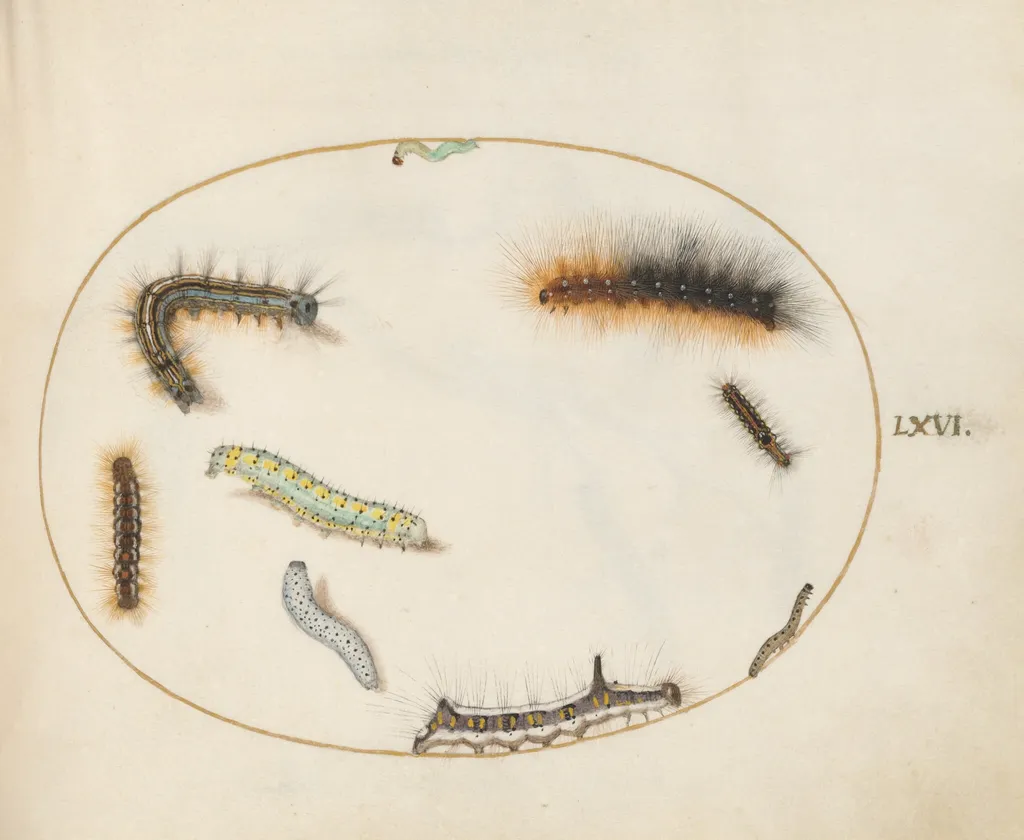
Plate 66: Lackey Moth Caterpillar, Figure of Eight Caterpillar, Grey Dagger Caterpillar, and Other Caterpillars is a gouache drawing by the Renaissance artist Joris Hoefnagel. It dates from 1594 and is held in the collection of the National Gallery of Art.
About this work
Overview
Its delicate materials and refined execution reflect the transitional moment in which natural observation began to separate from purely ornamental purposes.
Created around 1594 by Joris Hoefnagel, this watercolor and gold-painted drawing on parchment depicts six caterpillar species with meticulous precision. Executed in the tradition of manuscript illumination, the work bridges the late medieval practice of decorative book art with the emerging scientific interest in natural forms. Its delicate materials and refined execution reflect the transitional moment in which natural observation began to separate from purely ornamental purposes.
Subject & Meaning
The plate presents six caterpillars—Lackey Moth, Figure of Eight, Grey Dagger, and others—each rendered with anatomical accuracy. Their varied textures, coloration, and hairy surfaces are captured not for symbolic meaning but as observable biological specimens. Arranged in a circular composition, they invite close study, suggesting an intent to document diversity rather than to convey allegory or myth.
Technique & Style
Hoefnagel employed watercolor and gold paint on parchment to achieve both scientific clarity and visual elegance. Fine brushwork defines minute hairs and segmented bodies, while gold outlines frame the group, echoing medieval illumination practices. The light background enhances the luminosity of the pigments, emphasizing texture and form without distraction. The style merges empirical observation with decorative restraint, characteristic of his late manuscript work.
History & Provenance
This plate was likely part of a larger, unpublished natural history manuscript commissioned during Hoefnagel’s time in the Habsburg court. As one of the final practitioners of illuminated manuscript traditions, his work was preserved in private collections before entering institutional holdings. Its survival reflects the value placed on his detailed natural studies during a period when such illustrations were becoming scientific resources.
Context
In late 16th-century Europe, interest in natural history was growing alongside advances in optics and printing. Hoefnagel’s work responded to this shift, documenting flora and fauna with unprecedented detail. Though rooted in manuscript culture, his approach anticipated the illustrated naturalist texts of the 17th century, positioning him as a bridge between artistic tradition and emerging scientific illustration.
Legacy
Hoefnagel’s caterpillar studies contributed to the evolution of natural history illustration in Northern Europe. His fusion of artistic precision with biological accuracy influenced later naturalists and artists who sought to depict nature without idealization. Though not widely published in his lifetime, his manuscripts became reference points for subsequent generations interested in the visual documentation of life forms.
Artist & collection

Artist
Joris Hoefnagel or Georg Hoefnagel (1542 – 24 July 1601) was a Flemish painter, printmaker, miniaturist, draftsman and merchant.

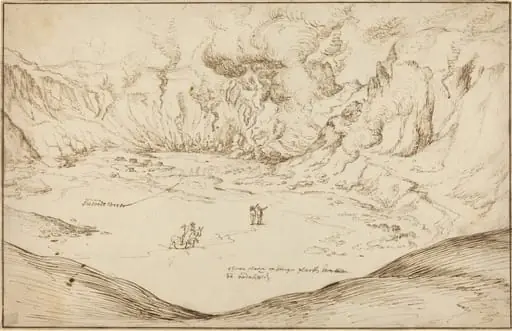 Forum Vulcani: The Hot Springs at Pozzuoli
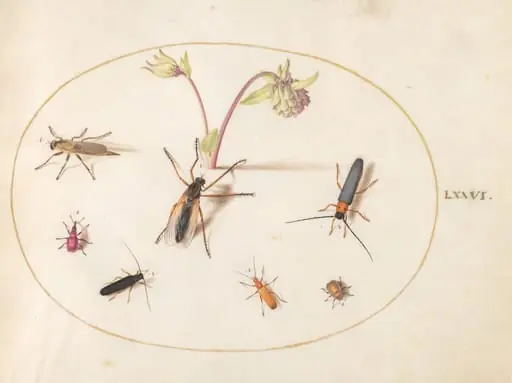 Plate 76: Insects with a Pink and Cream Columbine
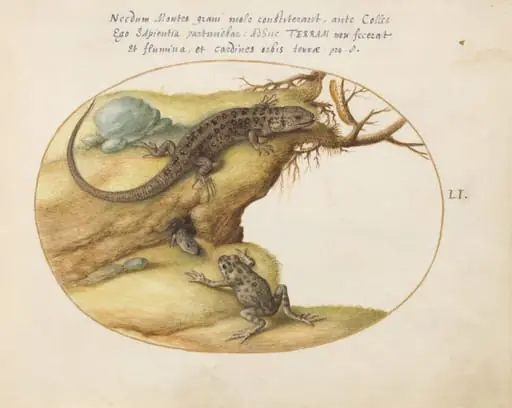 Plate 51: Two Sand Lizards, a Common Parsley Frog(?), and a Caterpillar
 Plate 1: Elephant with Insects
 Plate 60: Magpie, Crow, and Goldfinch
 Plate 67: Two Doves beneath a Gourd and Apples
 Plate 31: Seven Moths
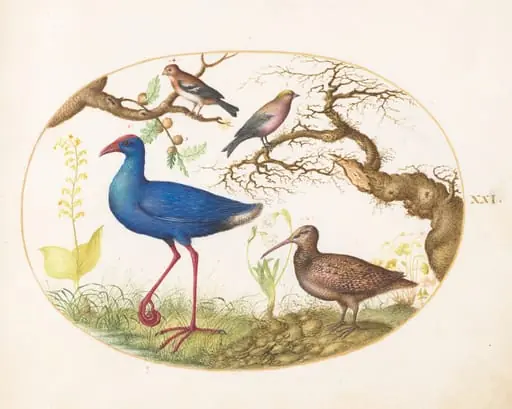 Plate 21: Swamp Hen and Woodcock with a Streaked Rosefinch, a Finch, and Oak Galls
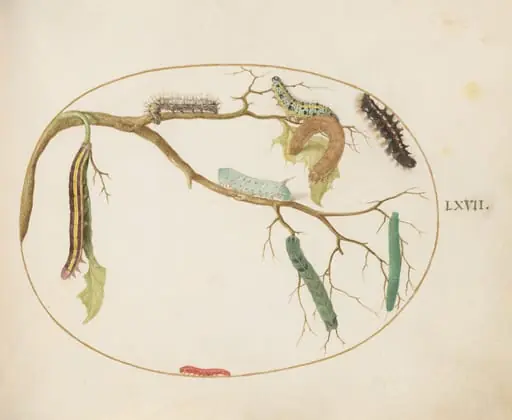 Plate 67: Large White and Small White Butterfly Caterpillars, Hornworm Caterpillar, Broom Moth Caterpillar, and Others
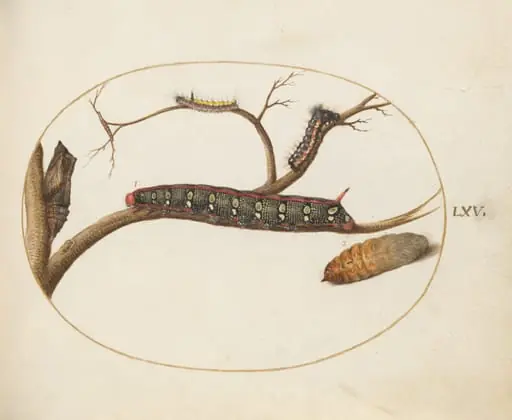 Plate 60: Leafy Spurge Hawkmoth Caterpillar, Gray Dagger Caterpillar, and Pupae
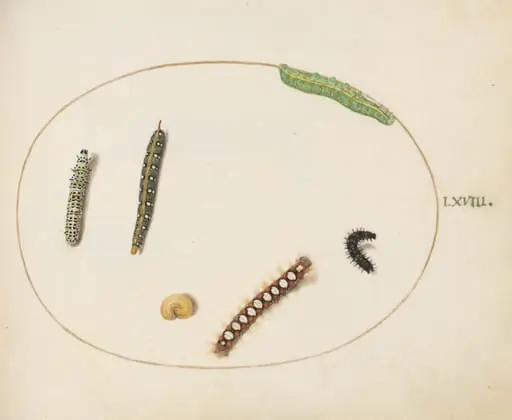 Plate 68: Leafy Spurge Hawkmoth Caterpillar, Mullein Moth Caterpillar, and Other Caterpillars
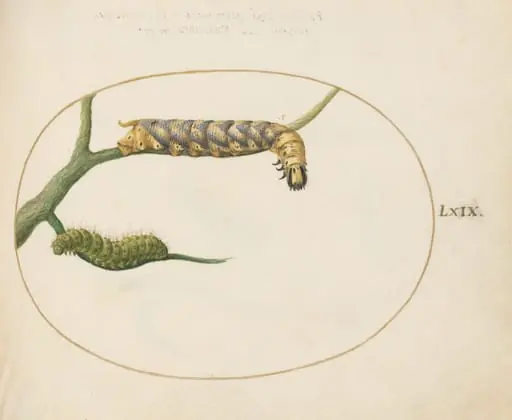 Plate 69: Emperor Moth Caterpillar with a Second Caterpillar on a Branch
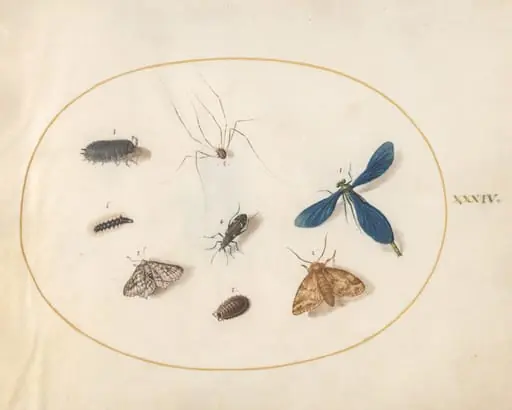 Plate 34: Two Moths with a Spider, a Caterpillar, a Damselfly, and Other Insects
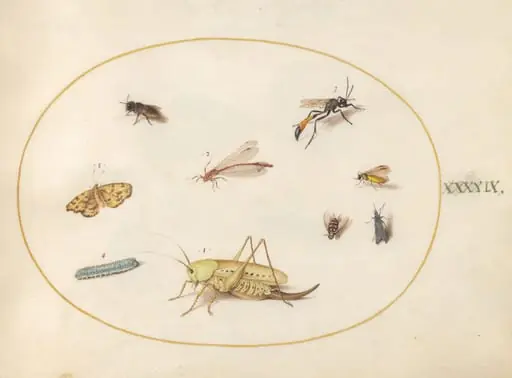 Plate 49: A Grasshopper, a Caterpillar, a Butterfly, a Moth, and Other Insects
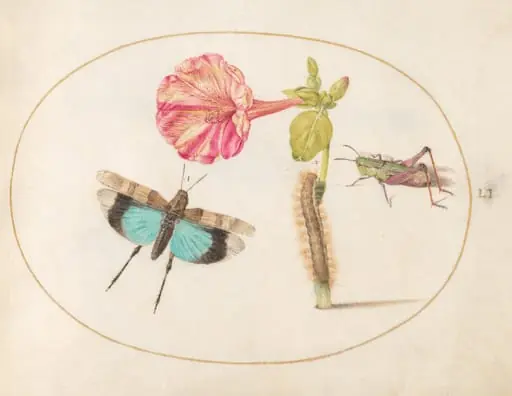 Plate 51: Grasshoppers and a Caterpillar with a Four O'Clock Flower
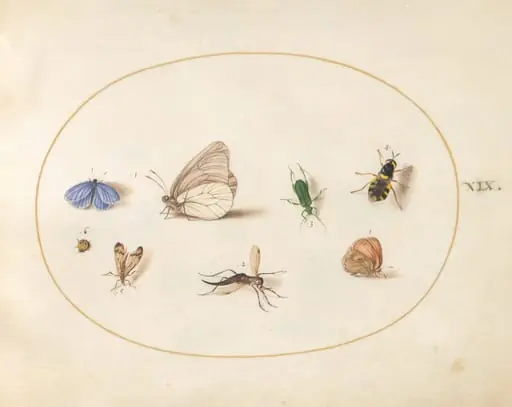 Plate 19: Two Butterflies with Five Other Insects
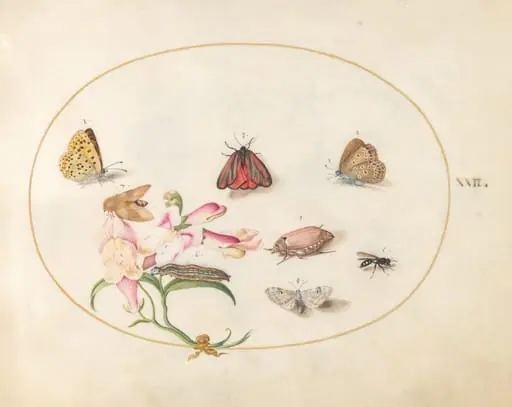 Plate 22: A Cinnabar Moth and a Cockchafer with Butterflies, other Insects, and a Snapdragon
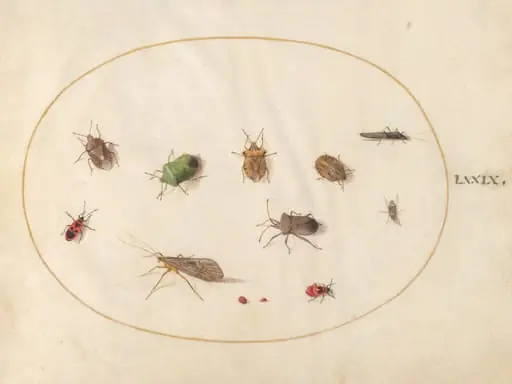 Plate 79: Twelve Insects, Including Shield Bugs
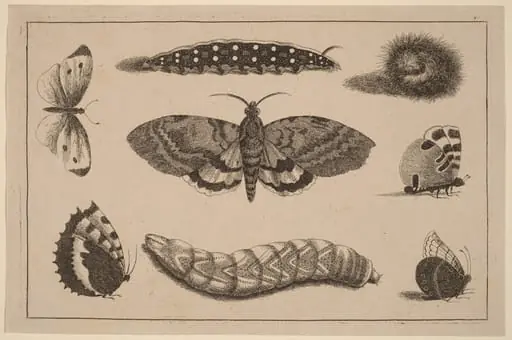 Three Caterpillars, a Moth, and Four Butterflies
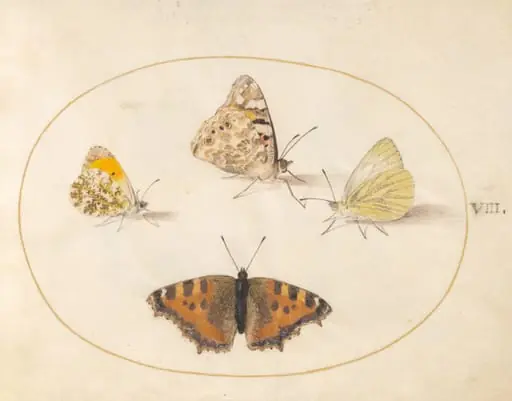 Plate 8: Orange Tip, Painted Lady, Southern Small White, and Small Tortoiseshell Butterflies