Artwork
Plate 69: Emperor Moth Caterpillar with a Second Caterpillar on a Branch
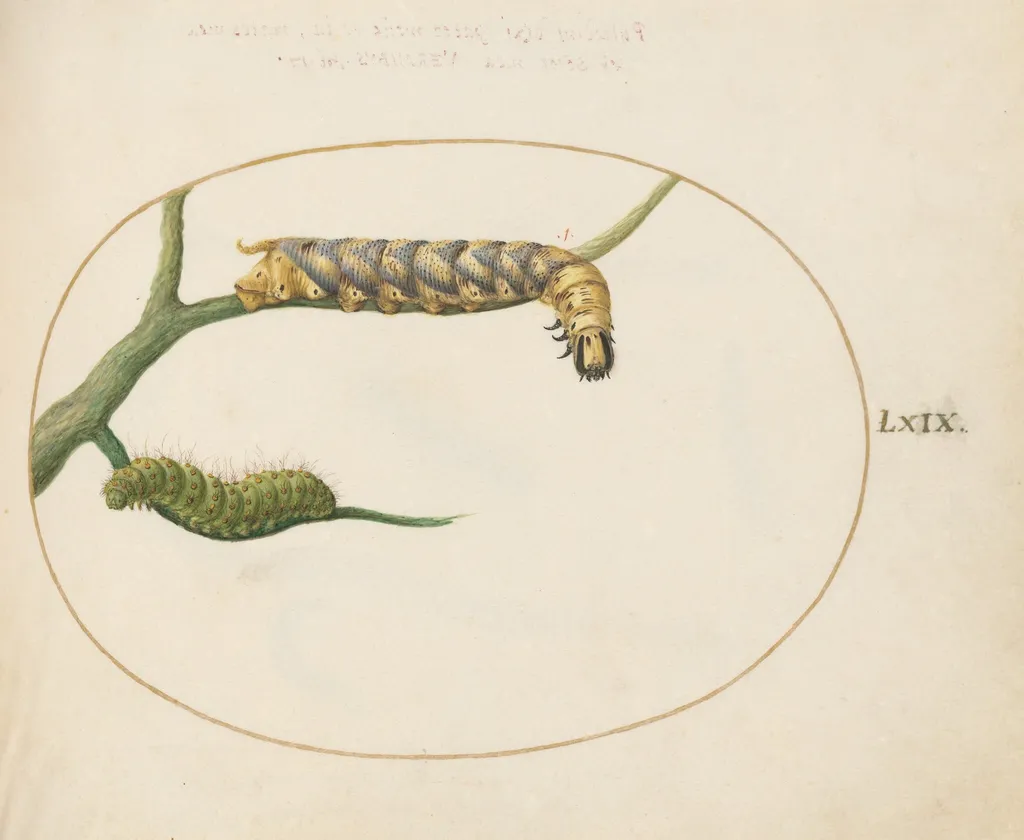
Plate 69: Emperor Moth Caterpillar with a Second Caterpillar on a Branch is a gouache drawing by the Renaissance artist Joris Hoefnagel. It dates from 1594 and is held in the collection of the National Gallery of Art. Created circa 1594, this small watercolor drawing on parchment portrays two caterpillars perched on a slender branch.
About this work
Overview
The larger specimen is a plump, fuzzy larva of the emperor moth, its body striped in yellow‑brown tones and ending in a tiny tuft.
Created circa 1594, this small watercolor drawing on parchment portrays two caterpillars perched on a slender branch. The larger specimen is a plump, fuzzy larva of the emperor moth, its body striped in yellow‑brown tones and ending in a tiny tuft. Beside it, a smaller green caterpillar marked with orange spots appears to be moving along the twig, all enclosed within a delicate gold‑lined circle against a light background.
Subject & Meaning
The work records a moment in the life cycle of the emperor moth, juxtaposing the mature larva with a younger, differently colored caterpillar. By presenting the insects in a natural pose, the image reflects the 16th‑century fascination with detailed observation of nature, serving both scientific documentation and decorative illustration.
Technique & Style
Executed with transparent watercolor washes layered to achieve subtle colour shifts, the drawing also incorporates fine gold pigment applied to the border and highlights. The artist’s handling of light and texture—particularly the fuzzy surface of the larger caterpillar—demonstrates the influence of manuscript illumination, where precise line work and luminous accents were customary.
History & Provenance
The piece is attributed to Joris Hoefnagel, a Flemish draftsman renowned for his natural‑history studies. It forms part of a larger series of illustrated plates that circulated among collectors of scientific and decorative manuscripts in the late Renaissance, reflecting Hoefnagel’s role in bridging artistic and scholarly traditions.
Context
During the late 16th century, Northern European artists began integrating detailed botanical and zoological subjects into still‑life painting. Hoefnagel’s work exemplifies this trend, merging the meticulous observation of flora and fauna with the ornamental qualities of illuminated books, thereby influencing subsequent generations of natural‑history illustrators.
Artist & collection

Artist
Joris Hoefnagel or Georg Hoefnagel (1542 – 24 July 1601) was a Flemish painter, printmaker, miniaturist, draftsman and merchant.

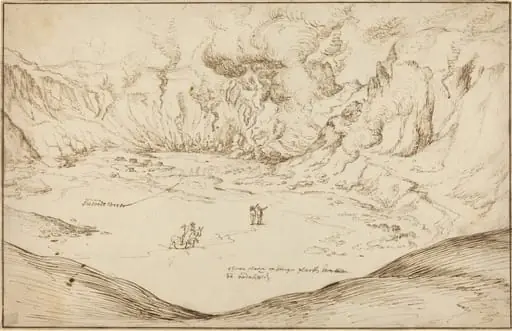 Forum Vulcani: The Hot Springs at Pozzuoli
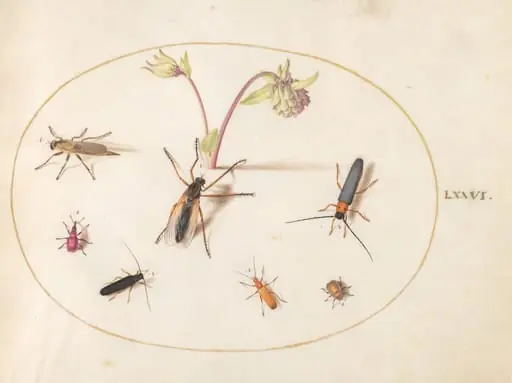 Plate 76: Insects with a Pink and Cream Columbine
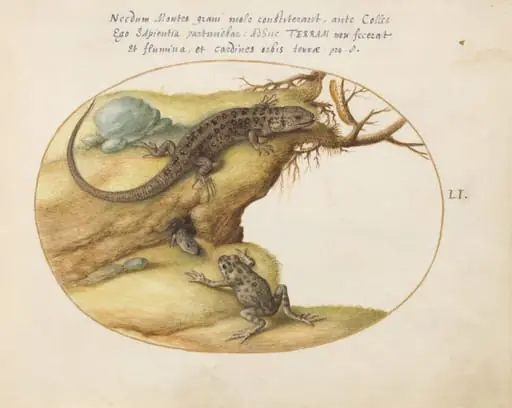 Plate 51: Two Sand Lizards, a Common Parsley Frog(?), and a Caterpillar
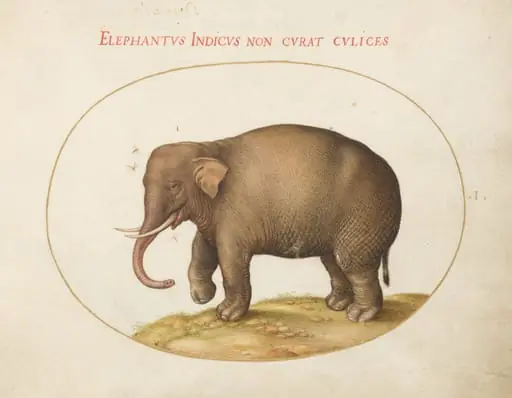 Plate 1: Elephant with Insects
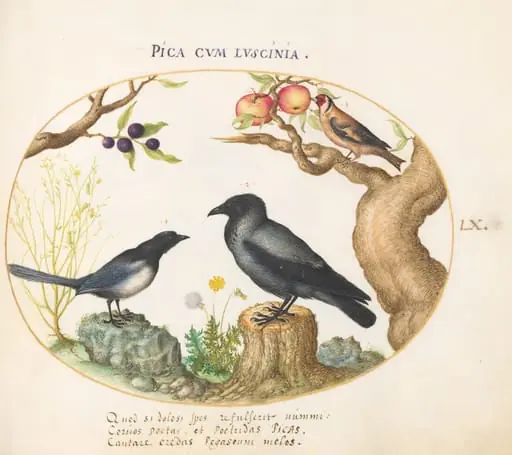 Plate 60: Magpie, Crow, and Goldfinch
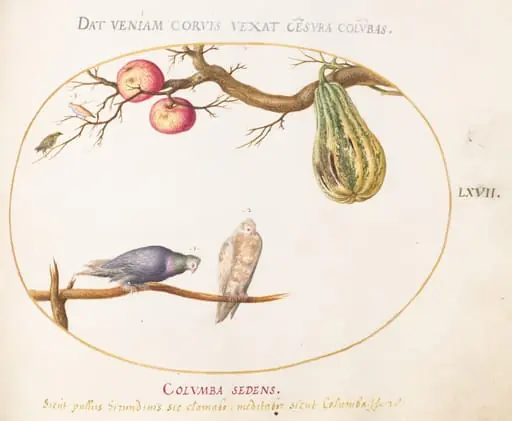 Plate 67: Two Doves beneath a Gourd and Apples
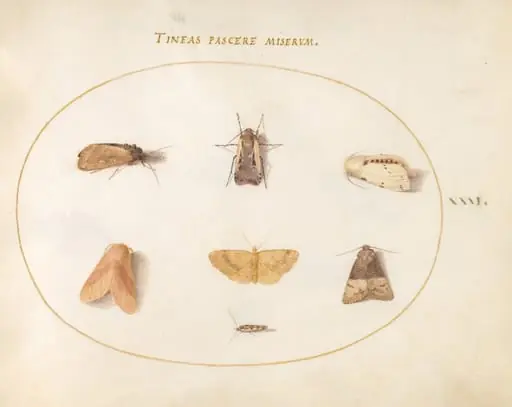 Plate 31: Seven Moths
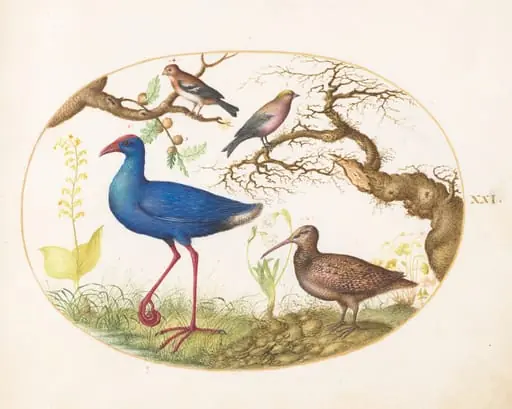 Plate 21: Swamp Hen and Woodcock with a Streaked Rosefinch, a Finch, and Oak Galls
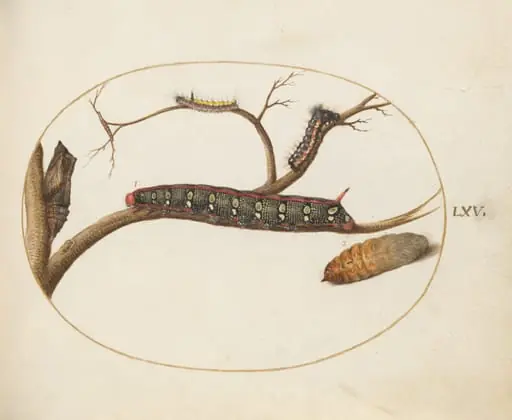 Plate 60: Leafy Spurge Hawkmoth Caterpillar, Gray Dagger Caterpillar, and Pupae
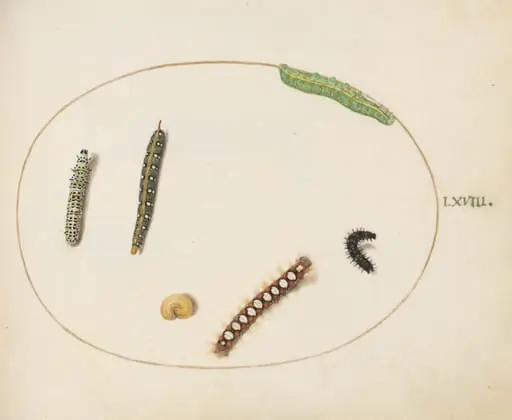 Plate 68: Leafy Spurge Hawkmoth Caterpillar, Mullein Moth Caterpillar, and Other Caterpillars
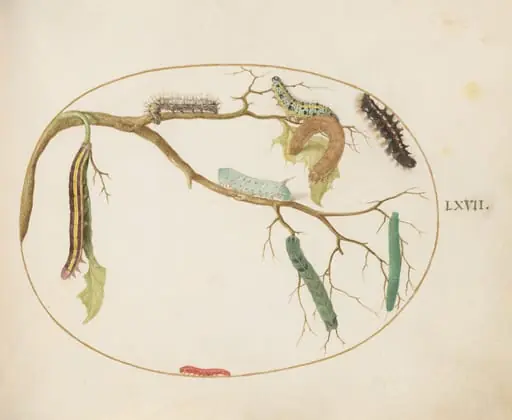 Plate 67: Large White and Small White Butterfly Caterpillars, Hornworm Caterpillar, Broom Moth Caterpillar, and Others
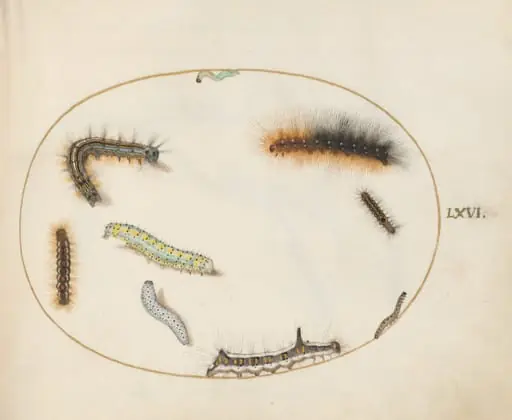 Plate 66: Lackey Moth Caterpillar, Figure of Eight Caterpillar, Grey Dagger Caterpillar, and Other Caterpillars
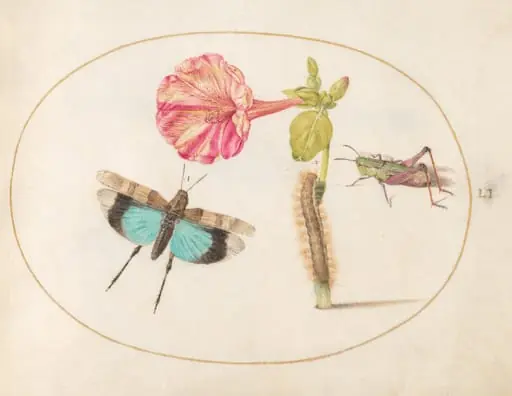 Plate 51: Grasshoppers and a Caterpillar with a Four O'Clock Flower
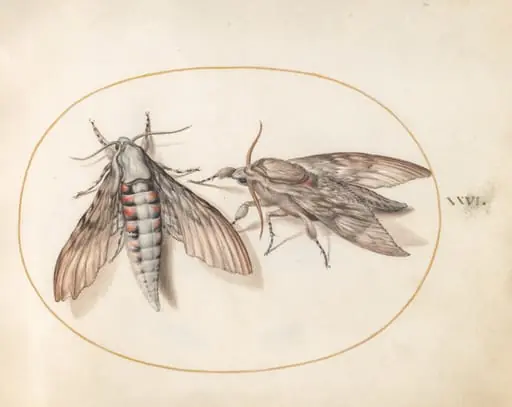 Plate 26: Two Hawk Moths
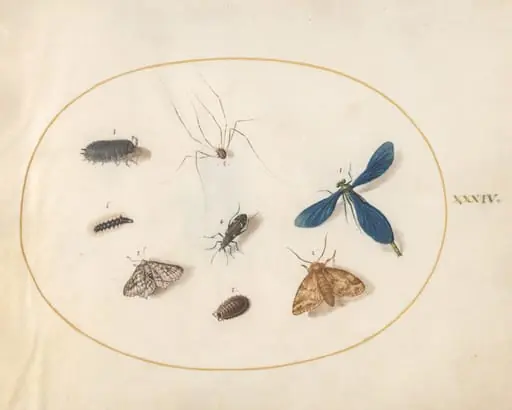 Plate 34: Two Moths with a Spider, a Caterpillar, a Damselfly, and Other Insects
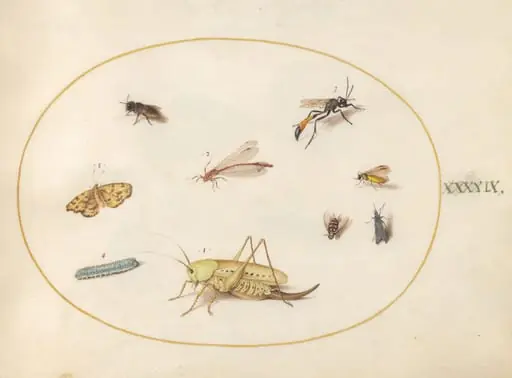 Plate 49: A Grasshopper, a Caterpillar, a Butterfly, a Moth, and Other Insects
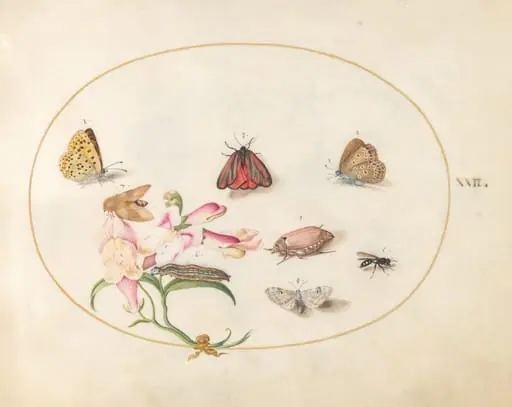 Plate 22: A Cinnabar Moth and a Cockchafer with Butterflies, other Insects, and a Snapdragon
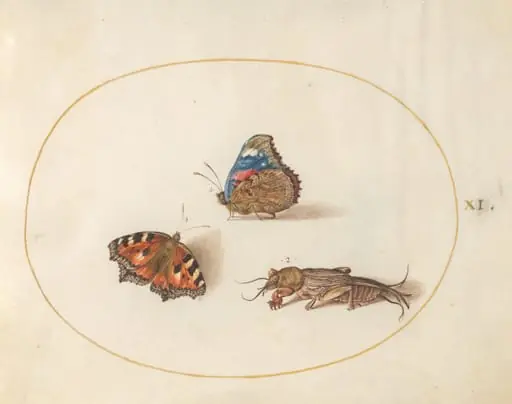 Plate 11: Small Tortoiseshell and Red Admiral Butterflies with a Mole Cricket
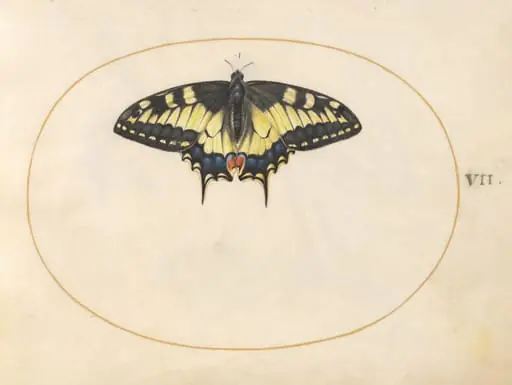 Plate 7: Swallowtail Butterfly
 Plate 19: Two Butterflies with Five Other Insects