Artwork
Ecce Homo
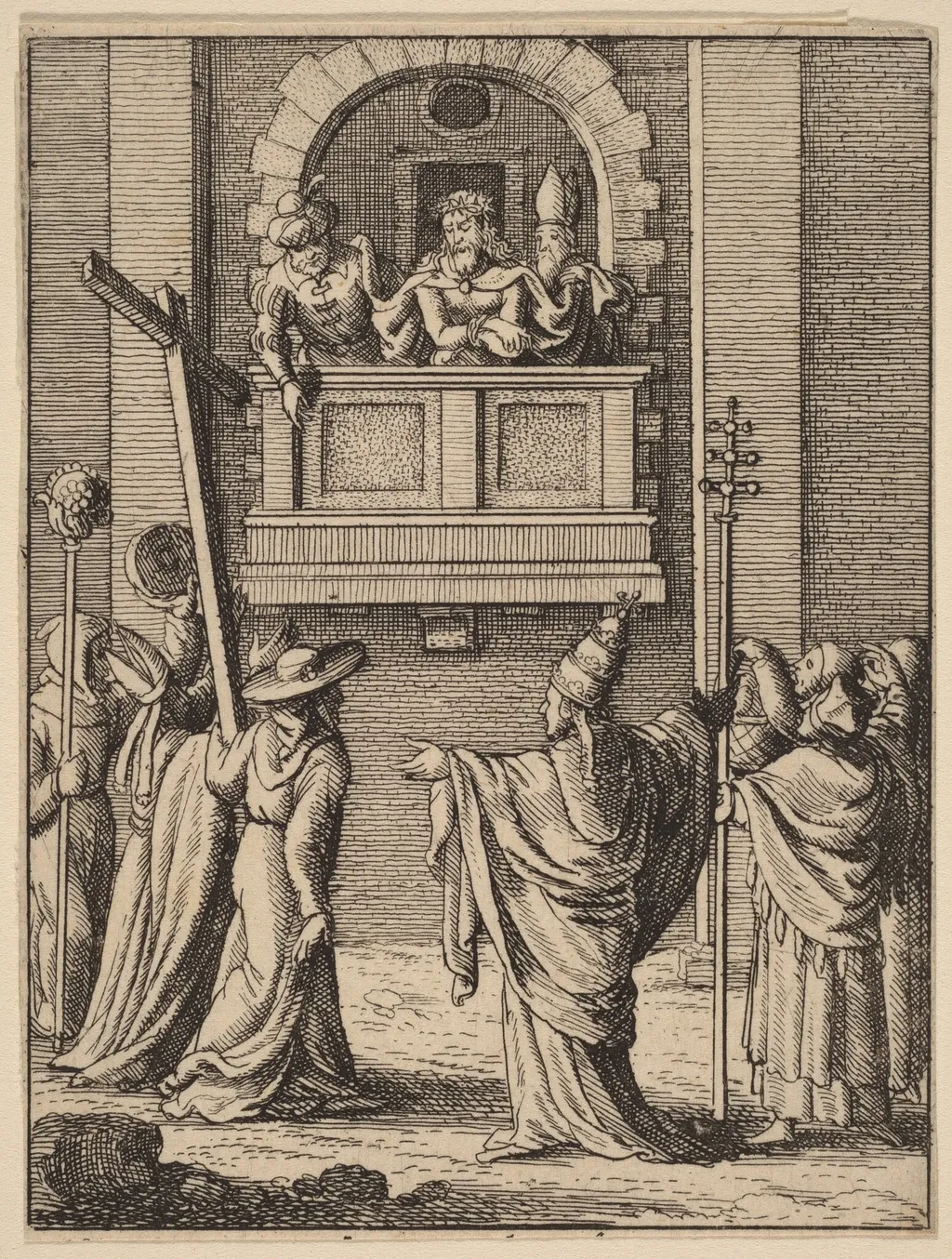
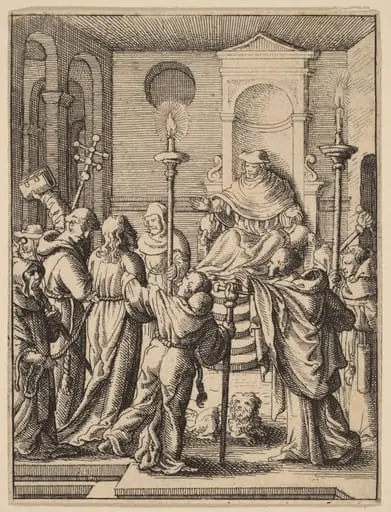
Ecce Homo is an ink print by the Baroque artist Wenceslaus Hollar. It dates from 1642 and is held in the collection of the National Gallery of Art.
About this work
Overview
Created in 1642, this etching by Wenceslaus Hollar presents a solemn gathering of robed figures surrounding a central, crown‑of‑thorns figure. The composition is framed by an arched opening and set against a textured stone wall, emphasizing the dramatic focus on the central character.
Subject & Meaning
The central figure is traditionally identified with the biblical scene of Christ presented before the crowd, a moment often titled “Ecce Homo.” The surrounding individuals, some extending gestures toward him and others holding staffs, convey a narrative of judgment and reverence within a religious context.
Technique & Style
Hollar employed the etching process, incising the design onto a copper plate with a needle and then using acid to bite the lines. The resulting print is marked by crisp, precise lines that delineate the folds of the figures’ garments and the roughness of the stone, showcasing his meticulous approach to texture and detail.
History & Provenance
A Czech native who spent most of his professional life in England, Hollar was renowned for his cityscapes and landscapes. By the early 1640s he had established a reputation as a skilled printmaker, and this work reflects the mature phase of his etching practice during his English period.
Context
The image aligns with the 17th‑century European tradition of devotional prints, which circulated widely for private contemplation. Hollar’s choice of a religious subject complements his broader oeuvre, which, while dominated by topographical scenes, also includes a range of biblical and allegorical themes.
Artist & collection
Artist
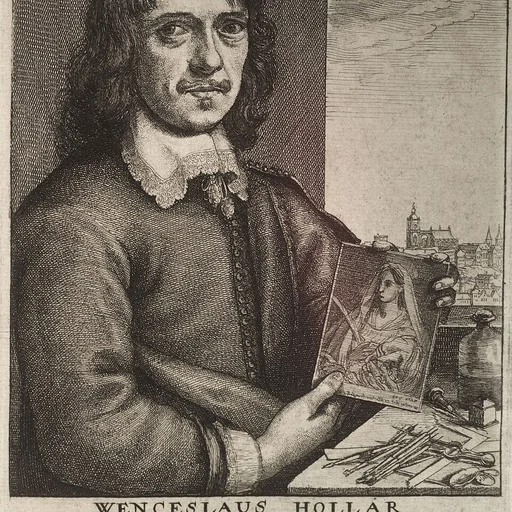
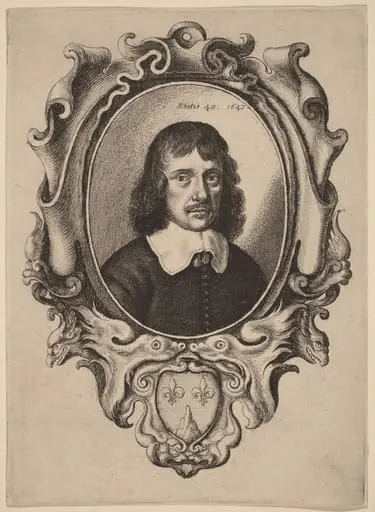
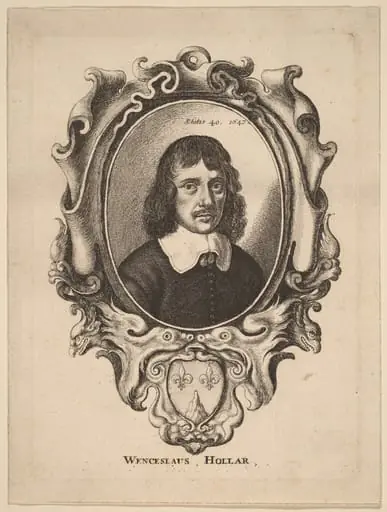
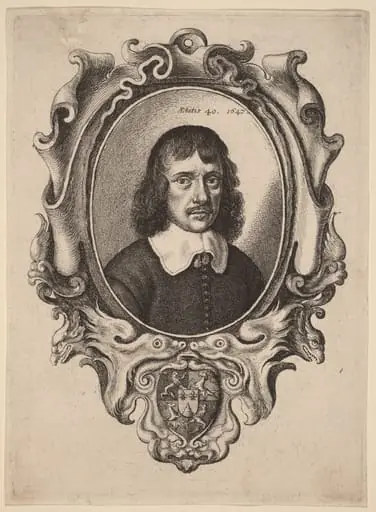
Wenceslaus Hollar (Czech: Václav Hollar (Czech pronunciation: ), German: Wenzel Hollar; 23 July 1607 – 25 March 1677) was a Czech engraver, etcher and painter.


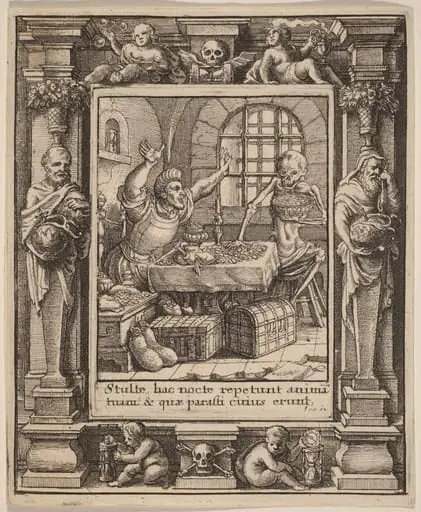
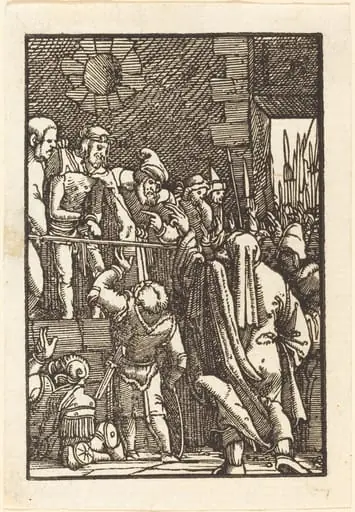 Ecce Homo
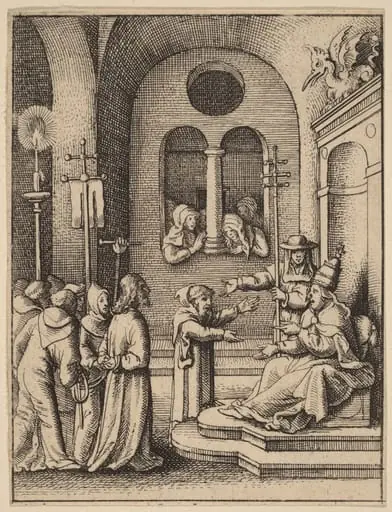 Jesus again before Caiaphas
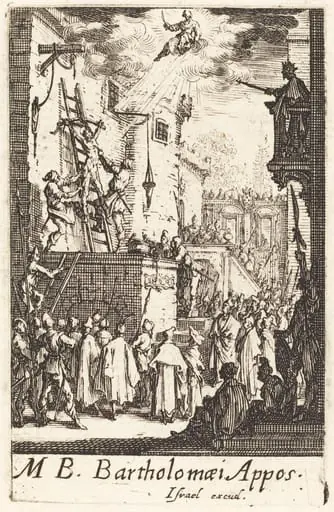 The Martyrdom of Saint Bartholomew
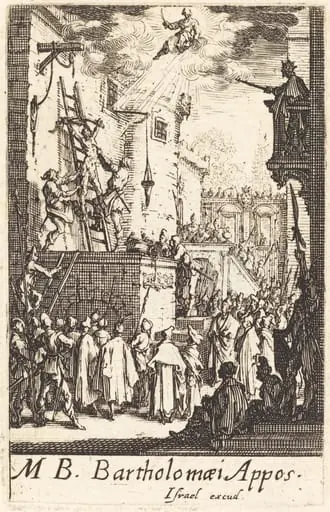 The Martyrdom of Saint Bartholomew
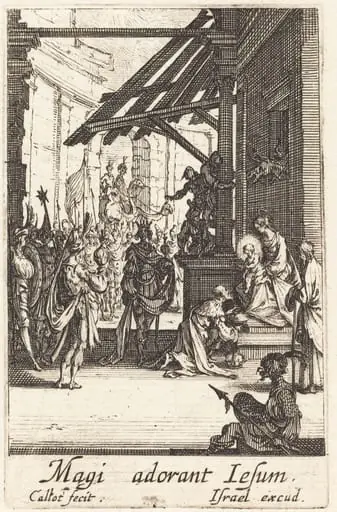 The Adoration of the Magi
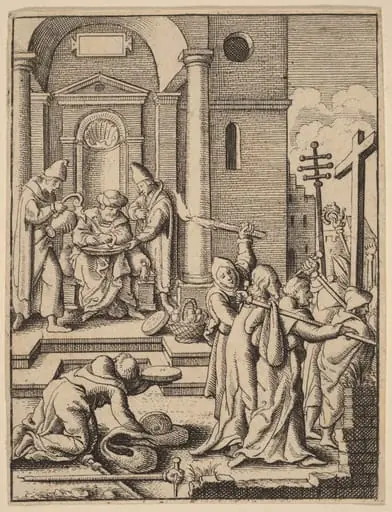 The Washing of Hands
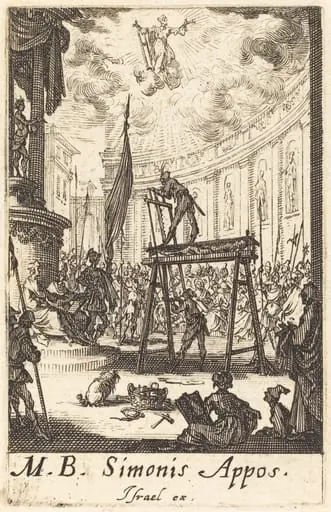 The Martyrdom of Saint Simon
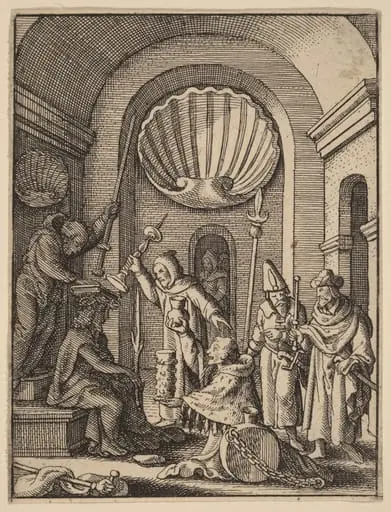 The Mocking
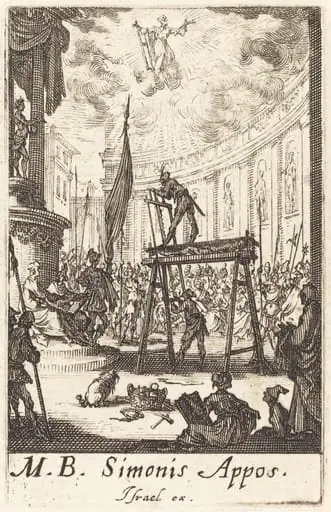 The Martyrdom of Saint Simon
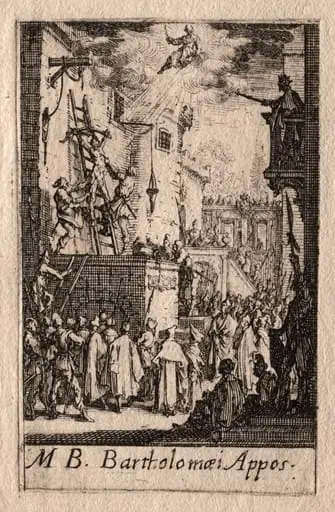 The Martyrdom of the Apostles: St. Bartholomew
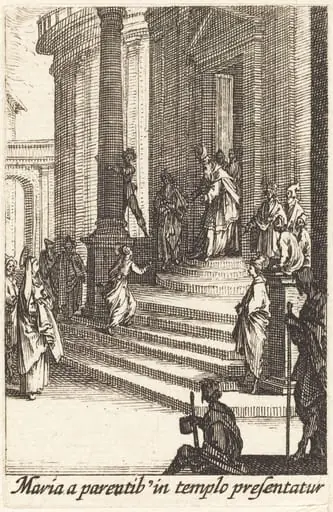 The Presentation of the Virgin
 Jesus before Annas