Artwork
Mulier Svevica vel Augustana
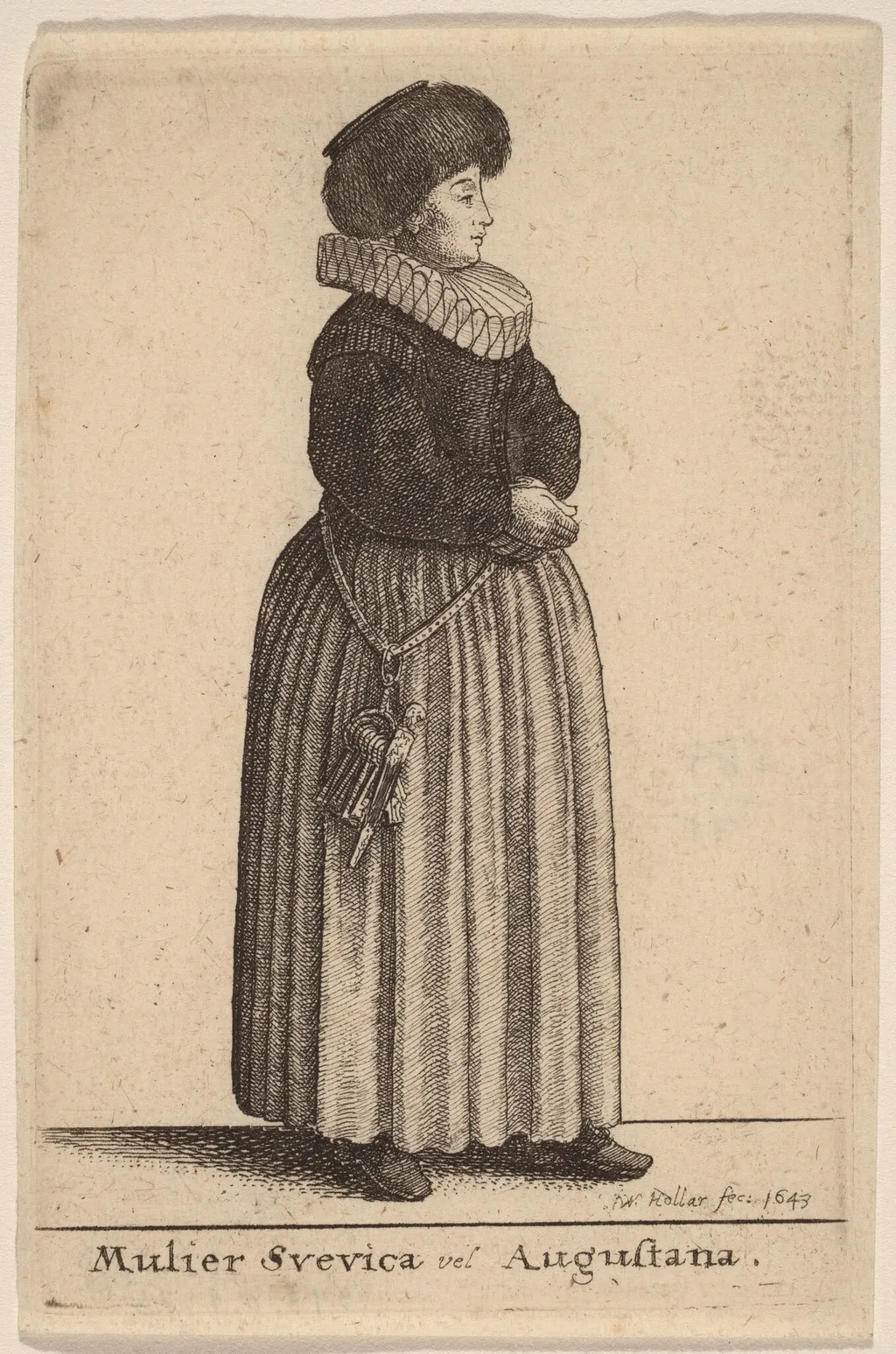
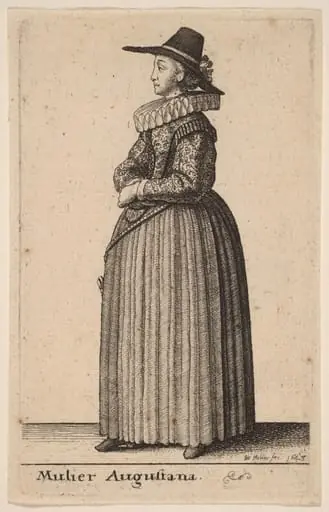
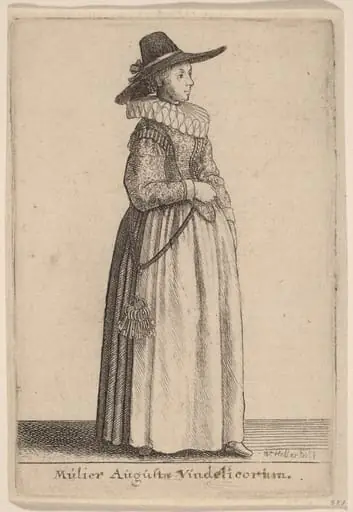
Mulier Svevica vel Augustana is an ink print by the Baroque artist Wenceslaus Hollar. It dates from 1643 and is held in the collection of the National Gallery of Art.
About this work
Overview
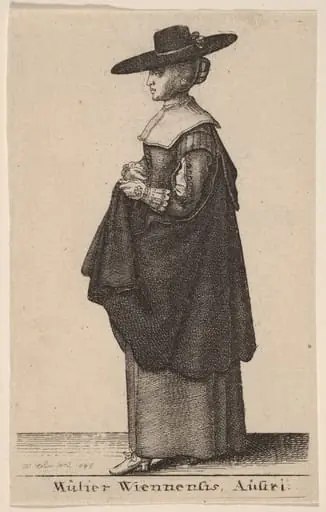
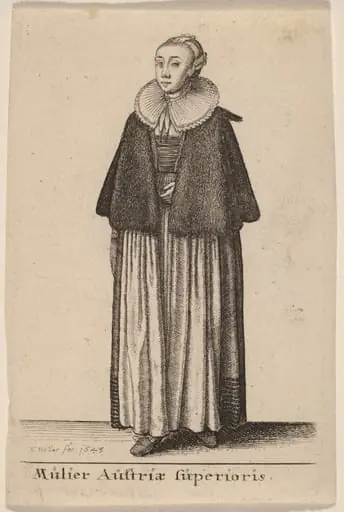
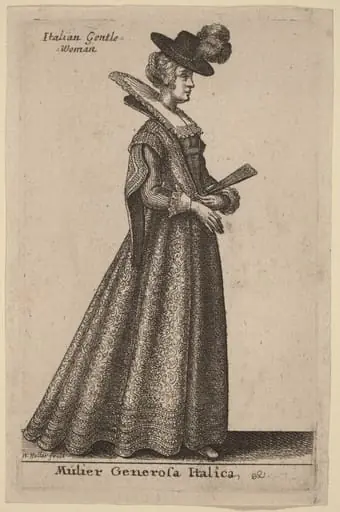
Created in 1643 by Wenceslaus Hollar, this etching portrays a woman in regional dress, likely from Swabia or Augsburg. Hollar, a Czech artist active in England, specialized in precise printmaking and often recorded everyday figures and customs. The work is part of a broader series documenting European attire, reflecting his interest in cultural detail rather than idealized portraiture.
Subject & Meaning
The figure is depicted in modest, everyday clothing: a long skirt, a high ruffled collar, and a structured hat. Her hands are gently clasped, suggesting quiet dignity rather than theatrical gesture. The absence of ornamentation or symbolic elements points to an ethnographic intent—capturing local dress as a record of social identity, not narrative or allegory.
Technique & Style
Hollar employed fine, controlled lines typical of etching to render texture in fabric, lace, and hat details. The contrast between light and shadow is subtle but deliberate, enhancing the three-dimensionality of the figure without dramatic chiaroscuro. The precision of the lines reveals his mastery of the medium and his commitment to observational accuracy over expressive flourish.
History & Provenance
Made during Hollar’s time in England, the print was likely produced for collectors interested in continental customs. It circulated among antiquarians and scholars who valued such images as documentary records. No specific early ownership is documented, but similar works by Hollar appear in major European print collections from the late 17th century onward.
Context
In mid-17th-century Europe, interest in regional dress grew alongside rising ethnographic curiosity. Hollar’s prints aligned with this trend, offering visual records of local identities amid increasing cultural exchange. Unlike Baroque painting’s grandeur, his work embraced quiet realism, serving as a quiet counterpoint to the era’s more theatrical aesthetics.
Legacy
Hollar’s etchings, including this one, became reference points for later historians studying European costume. His method of documenting ordinary people with precision influenced the development of ethnographic illustration. Though not widely exhibited today, his prints remain valuable for their unembellished depiction of daily life in early modern Europe.
Artist & collection
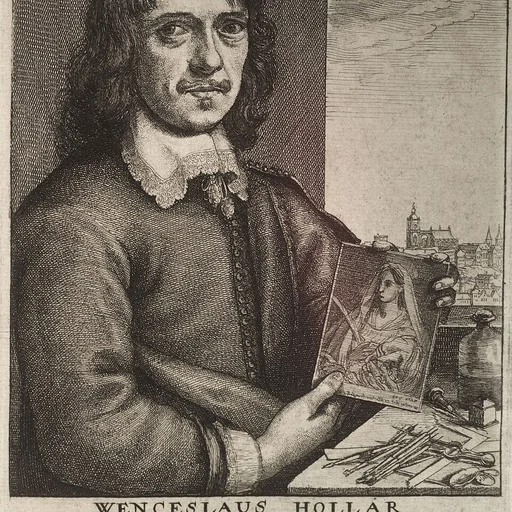
Artist
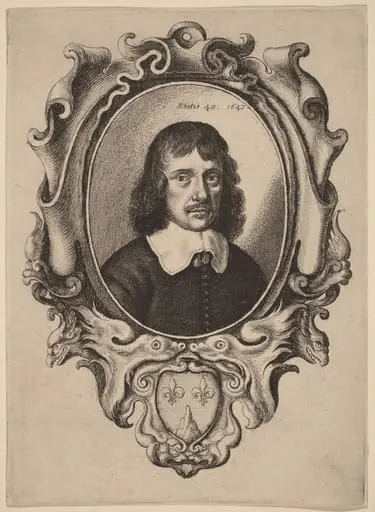
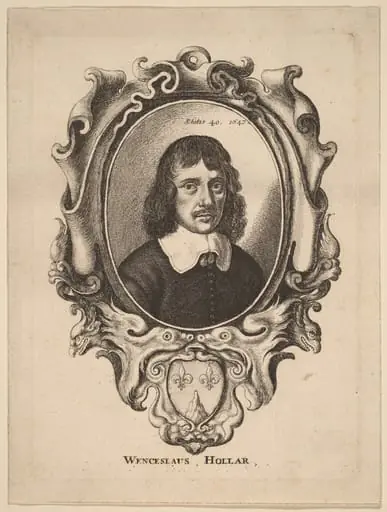
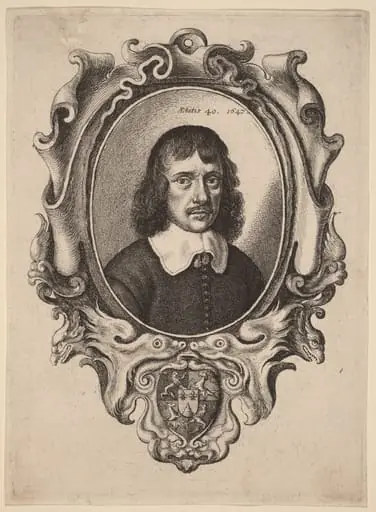
Wenceslaus Hollar (Czech: Václav Hollar (Czech pronunciation: ), German: Wenzel Hollar; 23 July 1607 – 25 March 1677) was a Czech engraver, etcher and painter.