Artwork
Mulier Wiennensis Austri
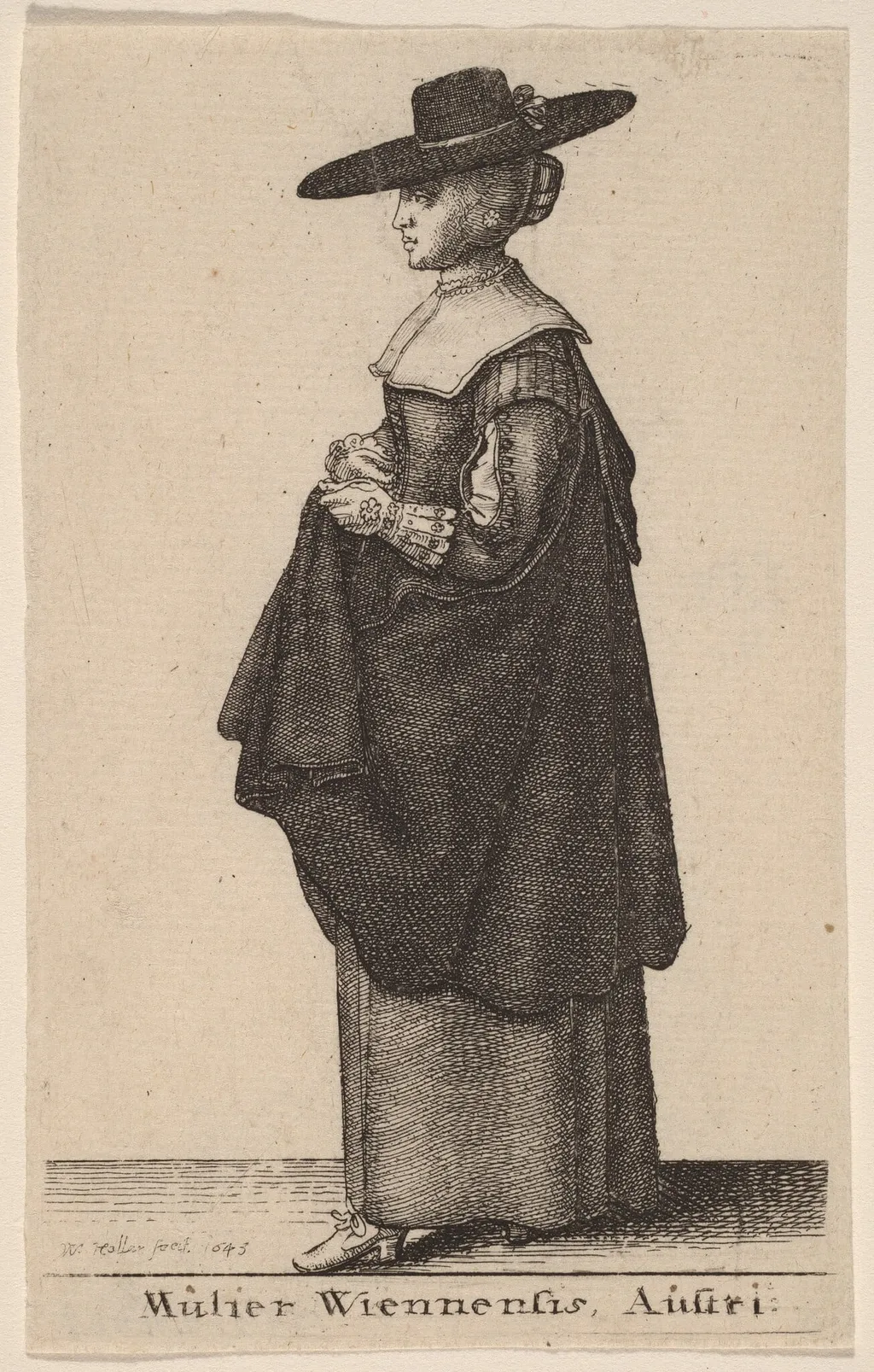
Mulier Wiennensis Austri is an ink print by the Baroque artist Wenceslaus Hollar. It dates from 1643 and is held in the collection of the National Gallery of Art.
About this work
The artist signed it in 1643, and the words at the bottom say "Mulier Wiennensis, Austri," which likely means "Woman of Vienna, Austria.
This is a black-and-white drawing of a woman standing sideways. She wears a wide-brimmed hat, a puffy collar, and a long dress with a high waist. Her hands hold what looks like a fan or a small book, and her shoes have a simple bow.
The artist signed it in 1643, and the words at the bottom say "Mulier Wiennensis, Austri," which likely means "Woman of Vienna, Austria." The drawing is made using a technique that creates fine lines and textures.
Look up etching to see how this kind of print was made.
Overview
Created in 1643 by Wenceslaus Hollar, *Mulier Wiennensis Austri* is a black-and-white etching depicting a woman in traditional Austrian attire. Hollar, a Czech artist active in England, produced this work during a period when he frequently documented regional dress and urban life. The print belongs to a series of ethnographic studies that reflect his interest in cultural detail, rendered with precision through the etching technique.
Subject & Meaning
The figure is a woman from Vienna, identified by her regional costume: a wide-brimmed hat, a full puffed collar, and a high-waisted gown. Her hands hold an object interpreted as either a fan or a small book, suggesting modest social refinement. The Latin inscription confirms her origin, framing the image not as a portrait of an individual but as a record of local identity, part of Hollar’s broader documentation of Central European customs.
Technique & Style
Hollar employed etching to achieve fine, controlled lines that define texture and form. The dress’s folds, the hat’s brim, and the delicate bow on the shoe are rendered with meticulous cross-hatching and delicate contours. The monochrome palette emphasizes tonal variation over color, allowing the structure of the costume and the figure’s posture to dominate. The composition is straightforward, with no background distractions, focusing attention entirely on the subject.
History & Provenance
Hollar produced this work during his years in London, where he lived after leaving Prague and working in continental Europe. The etching was likely made for private collectors or as part of a larger project documenting European dress. Its signature and inscription confirm its date and intent. While its early ownership is undocumented, it survives in institutional collections today as part of Hollar’s extensive graphic oeuvre.
Context
In the mid-17th century, interest in regional costumes grew among European intellectuals and artists, fueled by travel and the rise of ethnographic curiosity. Hollar’s prints contributed to this trend, offering visual records of people and places often inaccessible to most viewers. His work aligned with broader scholarly efforts to classify and preserve cultural diversity through imagery, especially during a time of political and religious upheaval.
Legacy
Hollar’s etchings, including *Mulier Wiennensis Austri*, remain valuable for their documentary precision. Though not widely exhibited today, they are studied for their technical skill and ethnographic insight. The print exemplifies how printmaking served as a medium for cultural observation, influencing later generations of artists and historians seeking to capture everyday life in pre-industrial Europe.
Artist & collection
Artist
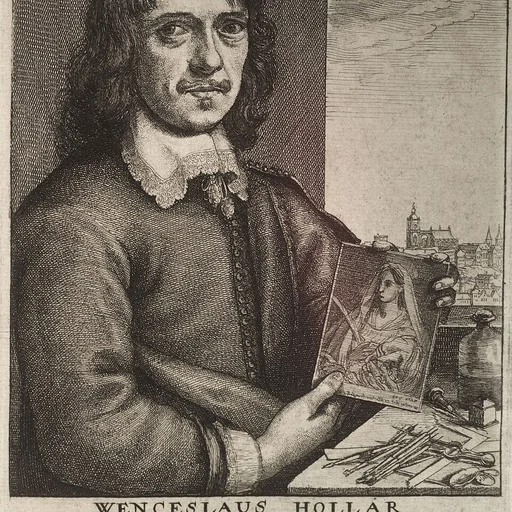
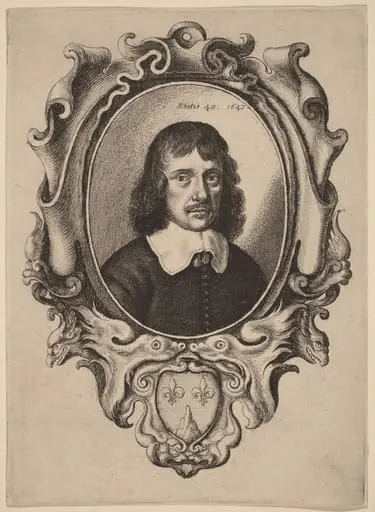
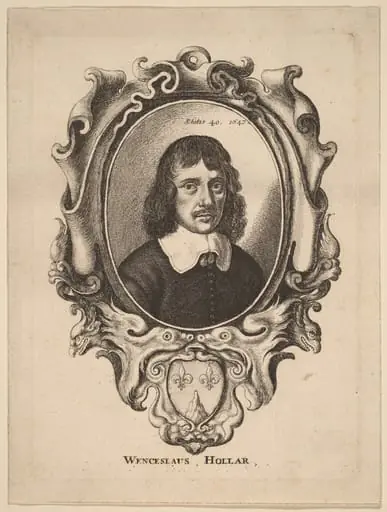
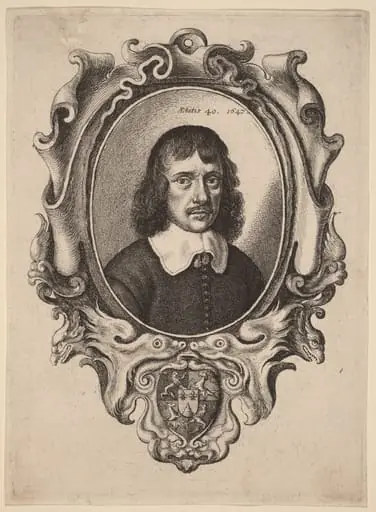
Wenceslaus Hollar (Czech: Václav Hollar (Czech pronunciation: ), German: Wenzel Hollar; 23 July 1607 – 25 March 1677) was a Czech engraver, etcher and painter.


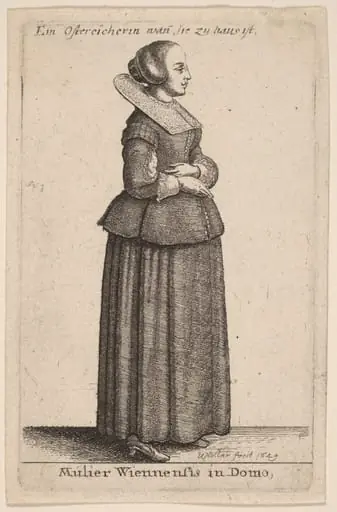 Mulier Wiennensis in Domo
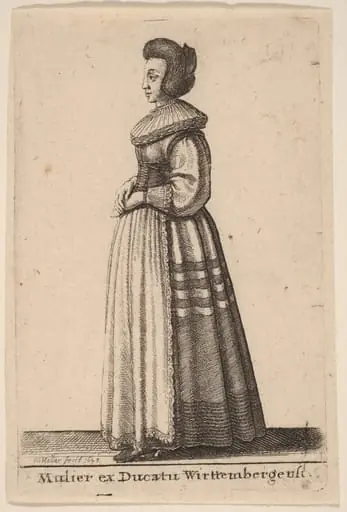 Mulier ex Ducatu Wirttembergensi
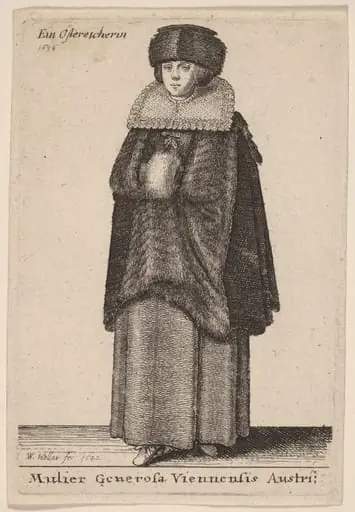 Mulier Generosa Viennensis Austri
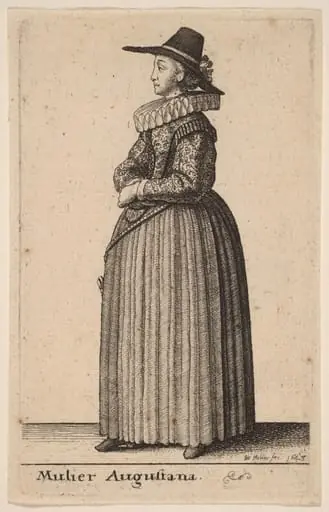 Mulier Augustana
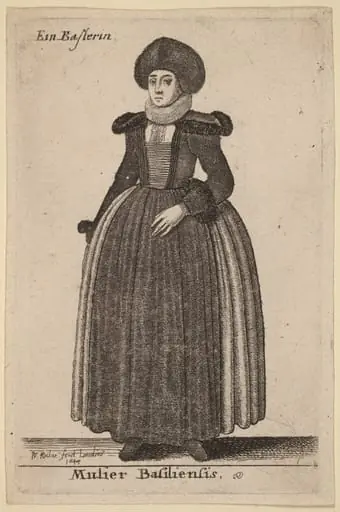 Mulier Basiliensis
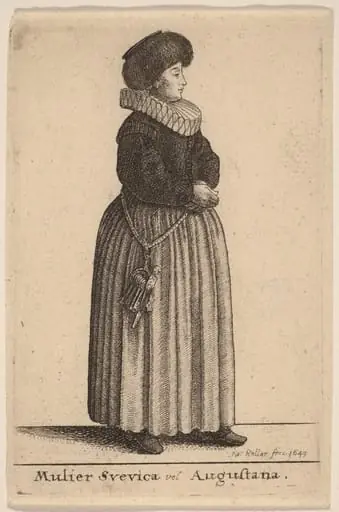 Mulier Svevica vel Augustana
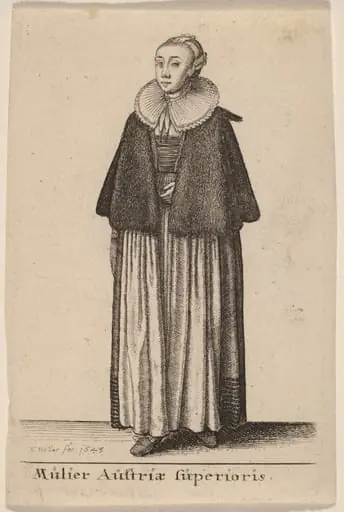 Mulier Austriae Superioris
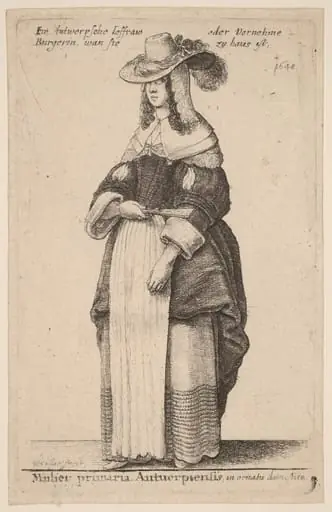 Mulier Primaria Antuerpiensis, in Ornatu Domestico
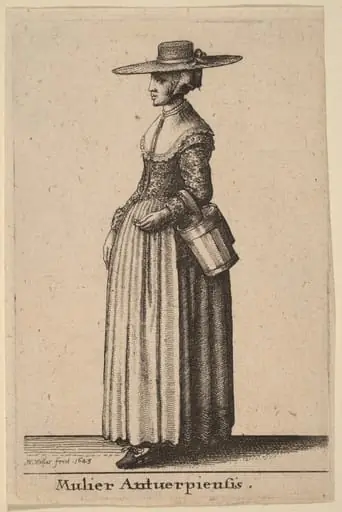 Mulier Antuerpiensis
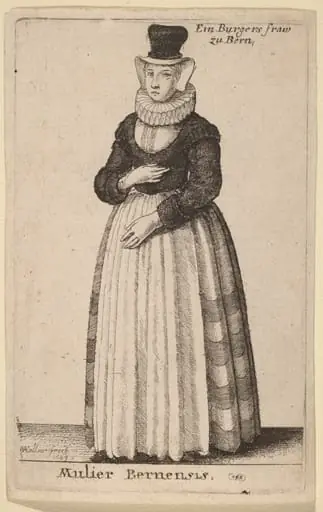 Mulier Bernensis
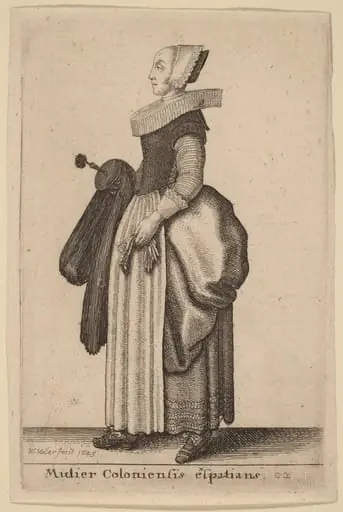 Mulier Coloniensis Exspatians
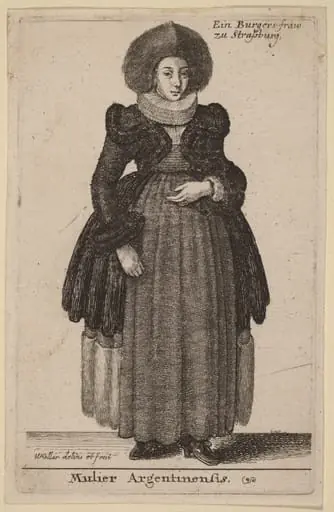 Mulier Argentinensis