Artwork
Thomas Cranmer, Archbishop of Canterbury
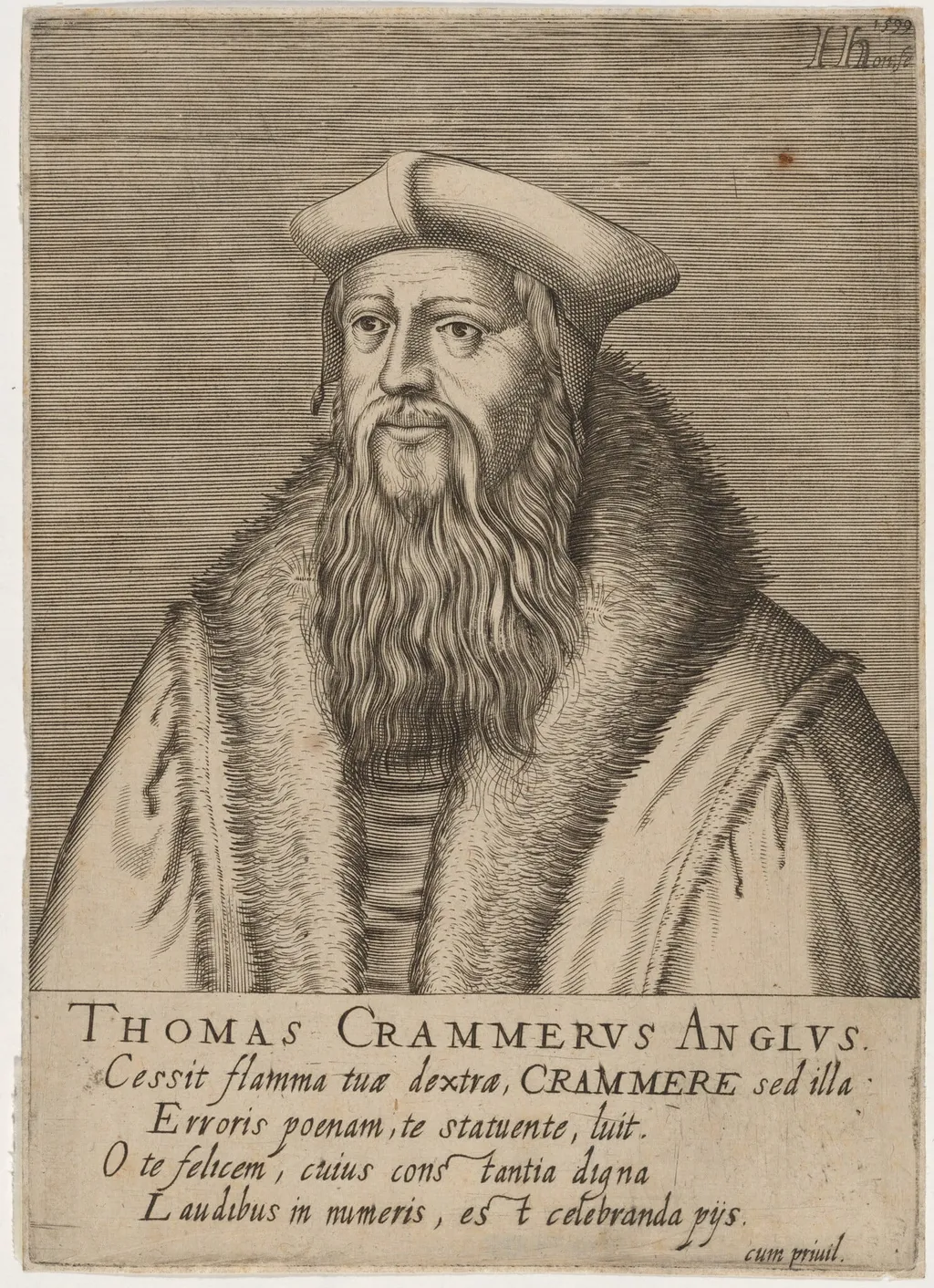
Thomas Cranmer, Archbishop of Canterbury is an ink print by the Renaissance artist Hendrik Hondius I. It dates from 1599 and is held in the collection of the National Gallery of Art.
About this work
Overview
The print exemplifies early modern portraiture in print form, intended for dissemination among scholarly and religious audiences.
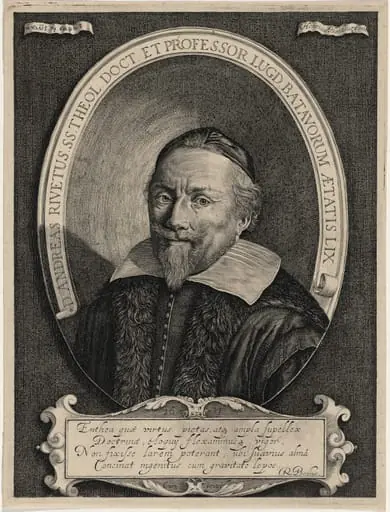
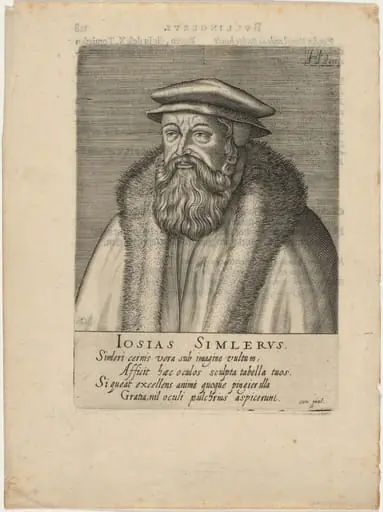
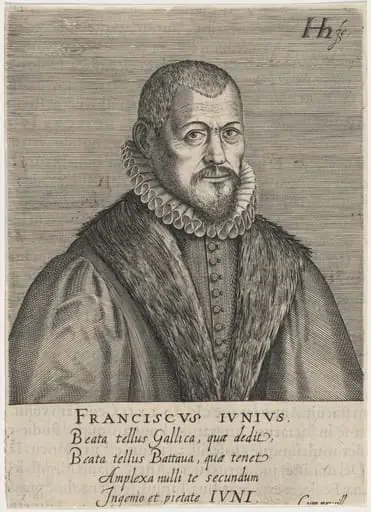
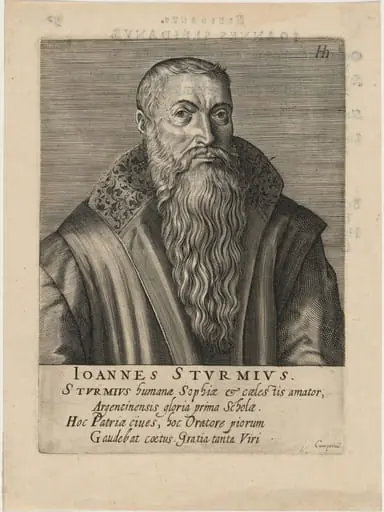
This 1599 engraving by Hendrik Hondius I depicts Thomas Cranmer, Archbishop of Canterbury, in a formal portrait. Rendered in monochrome, the image emphasizes facial detail through fine, controlled line work. The background is unadorned, directing attention to Cranmer’s likeness and the Latin inscription beneath. The print exemplifies early modern portraiture in print form, intended for dissemination among scholarly and religious audiences.
Subject & Meaning
Thomas Cranmer, a central figure in the English Reformation, is portrayed with solemnity befitting his ecclesiastical authority. His beard and pointed hat reflect contemporary clerical dress, while his expression conveys gravity and resolve. The Latin text confirms his identity and status, reinforcing the image’s function as a record of religious leadership during a period of doctrinal upheaval in England.
Technique & Style
Hondius employed engraving, a method involving incised lines on a metal plate to transfer ink onto paper. Shading and texture are achieved through dense, parallel strokes, particularly in the beard and hair, creating depth without tone. The precision of the lines reflects the technical discipline of Netherlandish printmaking traditions, prioritizing clarity and detail over expressive flourish.
History & Provenance
Created in 1599, the engraving emerged during a time when Cranmer’s legacy was being reassessed under James I. Hondius, a Flemish artist active in the Netherlands, likely based his image on earlier portraits or written descriptions. The print circulated among Protestant circles, serving as a visual reference for a figure whose influence endured despite his execution under Mary I.
Context
In late 16th-century Europe, engraved portraits of religious and political figures were widely reproduced to affirm identity and ideology. Cranmer’s image, though created decades after his death, aligned with Protestant efforts to memorialize reformers. The absence of symbolic elements—such as books or crosses—suggests a focus on personal authority rather than doctrinal narrative.
Legacy
This engraving contributed to the visual canon of Cranmer as a reformer, influencing later depictions in historical texts and ecclesiastical records. Its restrained style and factual presentation reflect the period’s preference for documentary portraiture. Though not widely known today, it remains a key example of how print media shaped religious memory in early modern England.
Artist & collection