Artwork
Philip III, King of Spain
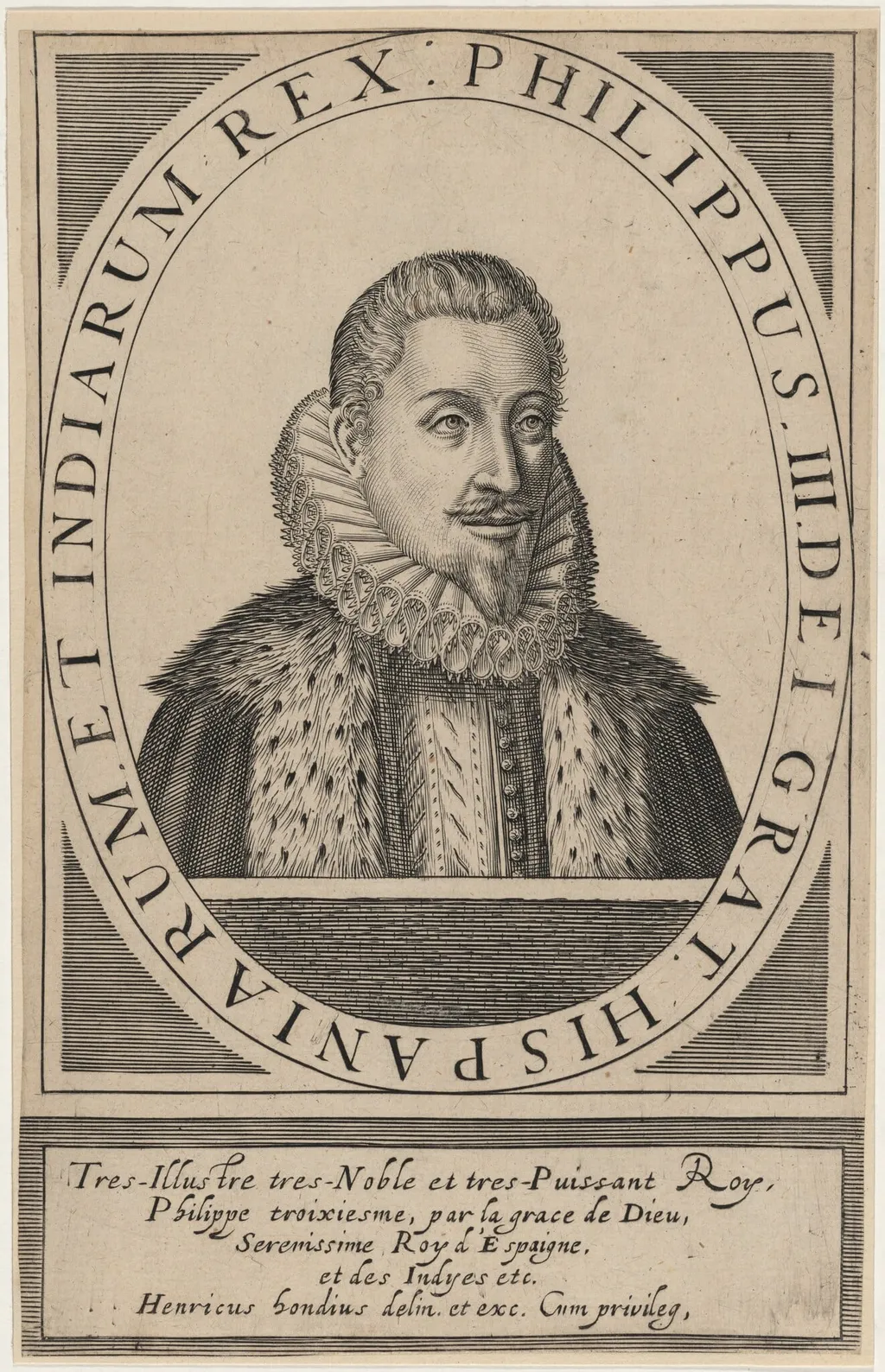
Philip III, King of Spain is an ink print by the Renaissance artist Hendrik Hondius I. It dates from 1611 and is held in the collection of the National Gallery of Art.
About this work
Overview
The composition isolates the monarch against a neutral background, directing attention to his attire and facial features.
This 1611 engraving by Hendrik Hondius I depicts Philip III of Spain in formal regalia. Executed in monochrome, the portrait emphasizes precision and restraint, typical of early 17th-century printmaking. The composition isolates the monarch against a neutral background, directing attention to his attire and facial features. A decorative border encircles the image, inscribed with Latin text identifying his title and name.
Subject & Meaning
Philip III is portrayed with the solemnity befitting a monarch, his beard and elevated collar signaling authority and tradition. The fur trim suggests wealth and status, while the Latin inscriptions reinforce his royal identity across linguistic boundaries. The image functions as a propagandistic tool, affirming his legitimacy and presence in a period when printed portraits circulated among elites and institutions.
Technique & Style
Hondius employed fine, controlled lines typical of engraving to render texture in fabric and fur, and subtle gradations in the king’s facial features. The absence of color heightens the graphic clarity, relying on line weight and cross-hatching for depth. The border’s ornamental script contrasts with the clean focus on the face, demonstrating the printmaker’s skill in balancing detail and composition.
History & Provenance
Created in 1611, the engraving was likely produced for distribution across Europe, where Spanish Habsburg influence remained strong. Hondius, a Flemish artist active in the Netherlands, specialized in portraiture and historical prints. The signature, though faint, aligns with his known mark. The work’s survival in institutional collections suggests it was valued as a record of royal imagery during its time.
Context
In the early 1600s, engraved portraits of monarchs served as both political statements and collectible objects. Philip III’s reign coincided with Spain’s gradual decline in military power, yet visual culture continued to project imperial grandeur. Hondius’s work reflects this tension—using refined technique to uphold an image of authority amid shifting geopolitical realities.
Legacy
The engraving remains a representative example of early modern royal portraiture in print. It illustrates how artists like Hondius translated painted likenesses into reproducible formats, enabling wider dissemination of monarchical imagery. Though not widely known today, it contributes to the historical record of how power was visually constructed and circulated in pre-modern Europe.
Artist & collection


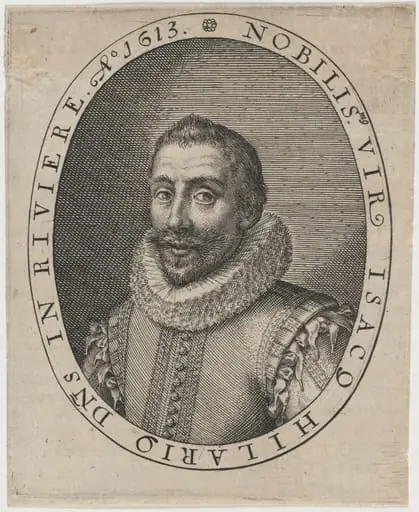 Isaac Hilary
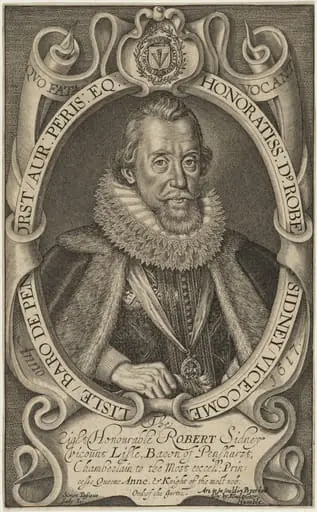 Robert Sidney, First Earl of Leicester
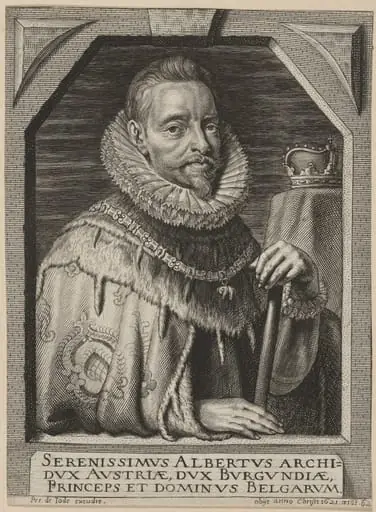 Albert VII, Archduke of Austria
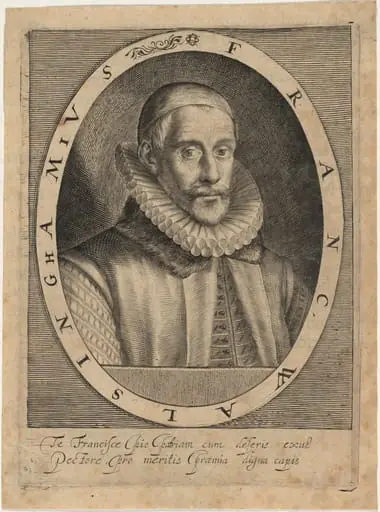 Sir Francis Walsingham
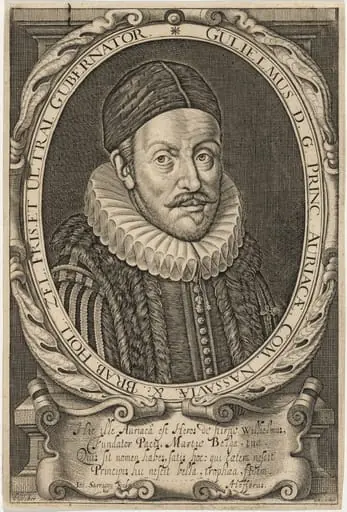 William I, Prince of Orange
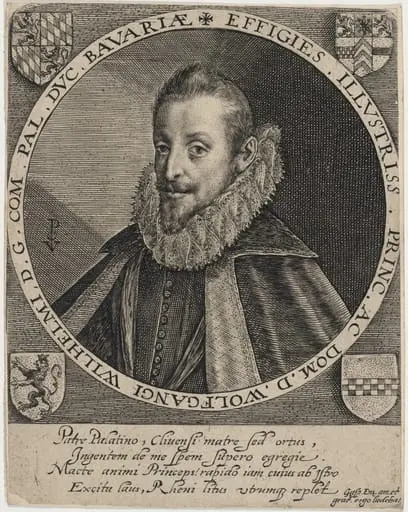 Wolfgang William, Count Palatine
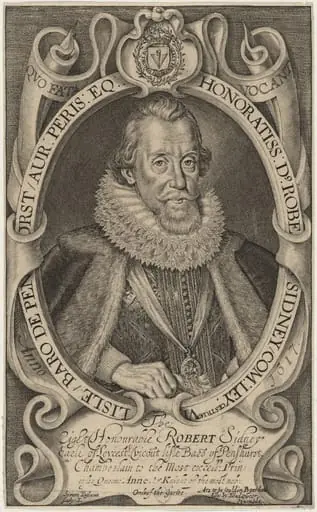 Robert Sidney, First Earl of Leicester
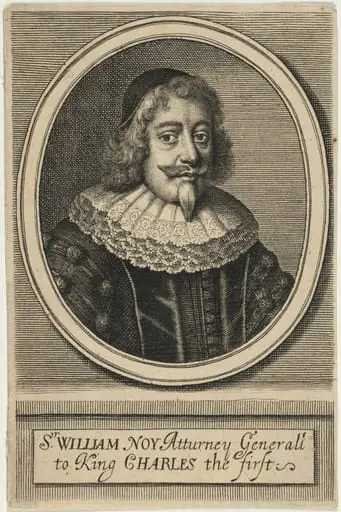 Sir William Noy
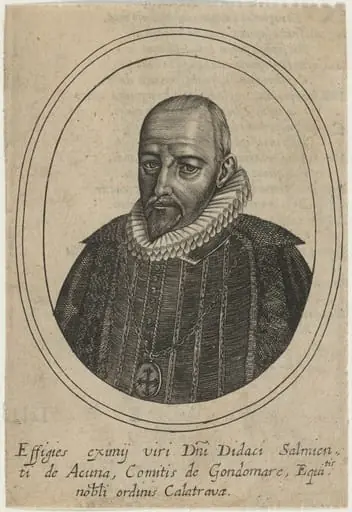 Count Gondamor
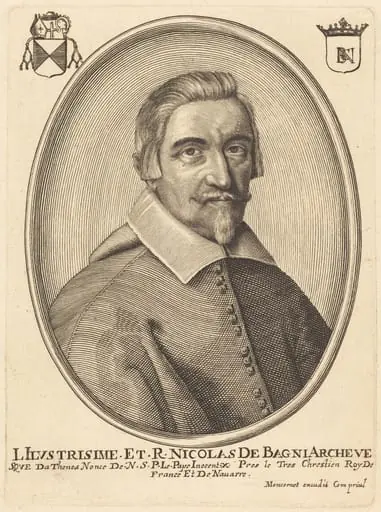 Jean-François Bagni
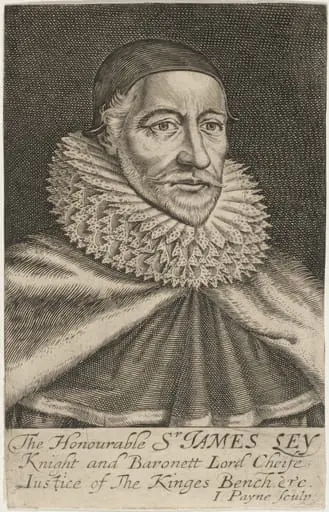 James Ley, First Earl of Marlborough
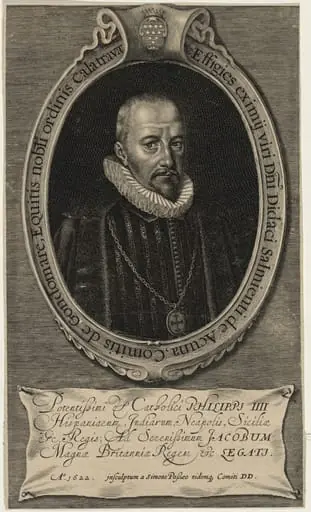 Diego Sarmiento de Acuna, Count of Gondomar