Artwork
Franz Janius
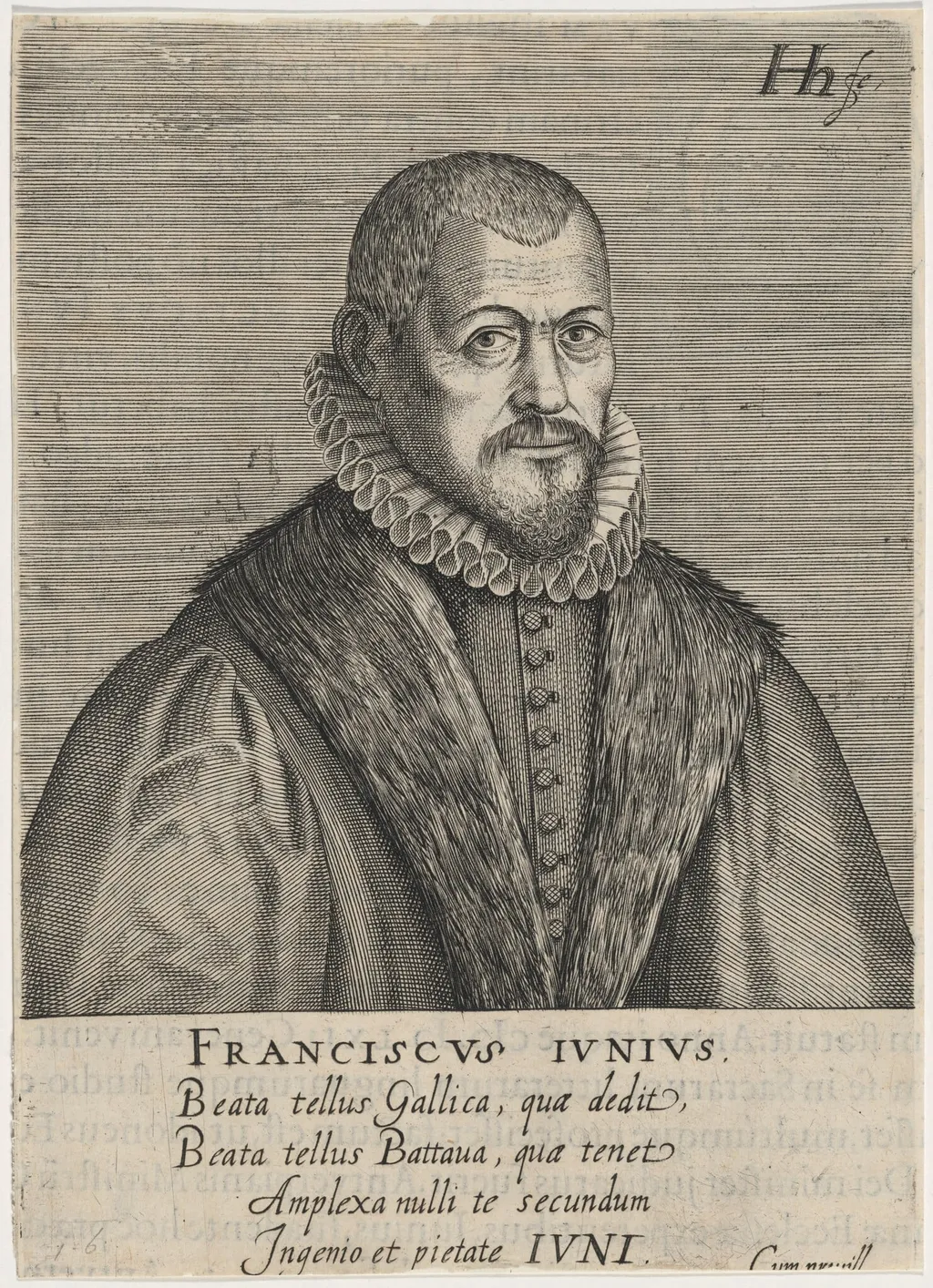
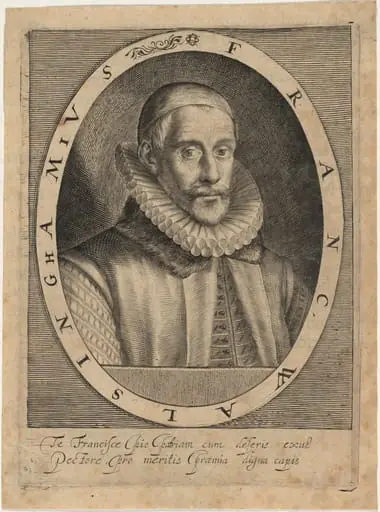
Franz Janius is an ink print by the Renaissance artist Hendrik Hondius I. It dates from 1611 and is held in the collection of the National Gallery of Art.
About this work
Overview
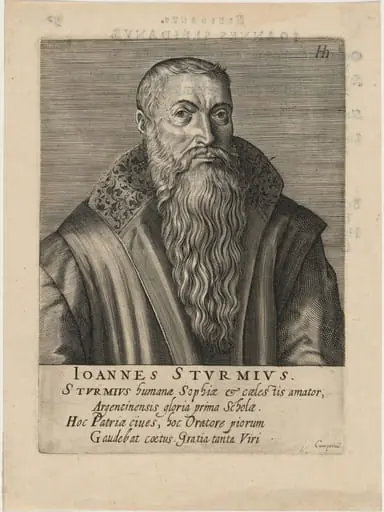
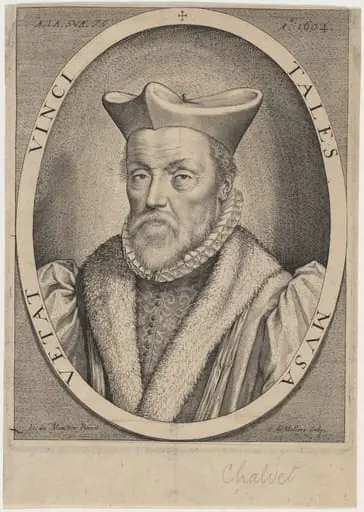
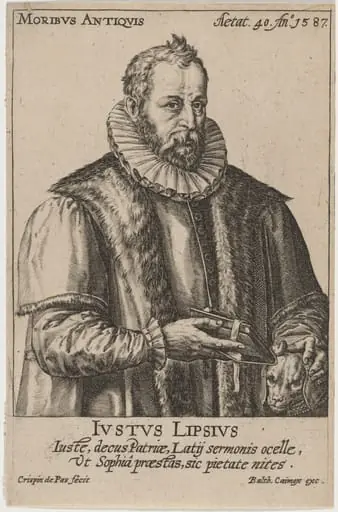
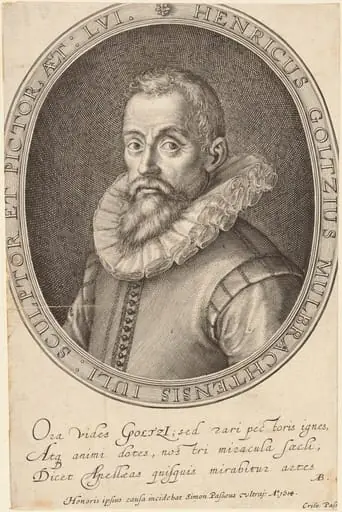
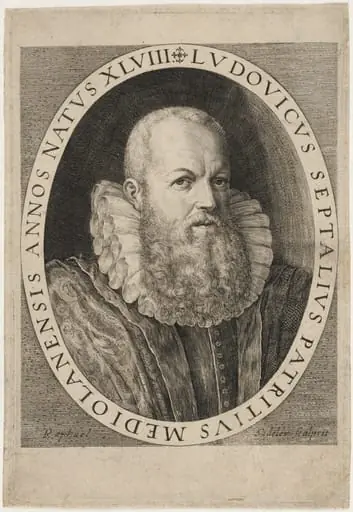
This black-and-white print, created in 1611 by Hendrik Hondius I, depicts a man identified as Franz Janius. Executed as an engraving on metal, the work belongs to the tradition of portrait prints popular in early 17th-century Europe. The composition is tightly focused on the sitter’s face and attire, with no decorative background to distract from the subject’s presence.
Subject & Meaning
Franz Janius, likely a scholar or clergyman, is portrayed with solemnity and precision. His glasses, high collar, and ruff suggest intellectual or ecclesiastical status, common markers of learned men in the period. The direct gaze and restrained expression convey dignity rather than emotion, aligning with contemporary ideals of gravitas and intellectual composure.
Technique & Style
Hondius employed fine, controlled engraving lines to render texture and volume. Cross-hatching builds subtle gradations of shadow across the face and fabric, giving the ruff and robe a tangible weight. The precision of the lines reflects the technical discipline of metal engraving, where each incision on the copper plate determined the final printed tone and detail.
History & Provenance
Created during Hondius’s active years in Amsterdam, the print was likely produced for distribution among collectors and scholars. As a reproductive printmaker, Hondius often portrayed notable figures of his time. While the original copper plate’s whereabouts are unconfirmed, the print survives in several institutional collections, attesting to its early circulation.
Context
In early 1600s Northern Europe, engraved portraits served as both personal mementos and markers of social standing. The emphasis on detailed clothing and facial expression mirrored the period’s interest in individual identity and scholarly authority. Hondius’s work contributed to a growing market for printed likenesses of intellectuals and public figures.
Legacy
This engraving exemplifies the quiet precision of Dutch printmaking at the turn of the 17th century. Though not widely known today, it remains a representative example of how portraiture was adapted to the mechanics of print, preserving the likeness of individuals beyond the reach of painted commissions.
Artist & collection