Artwork
Cotton Mather
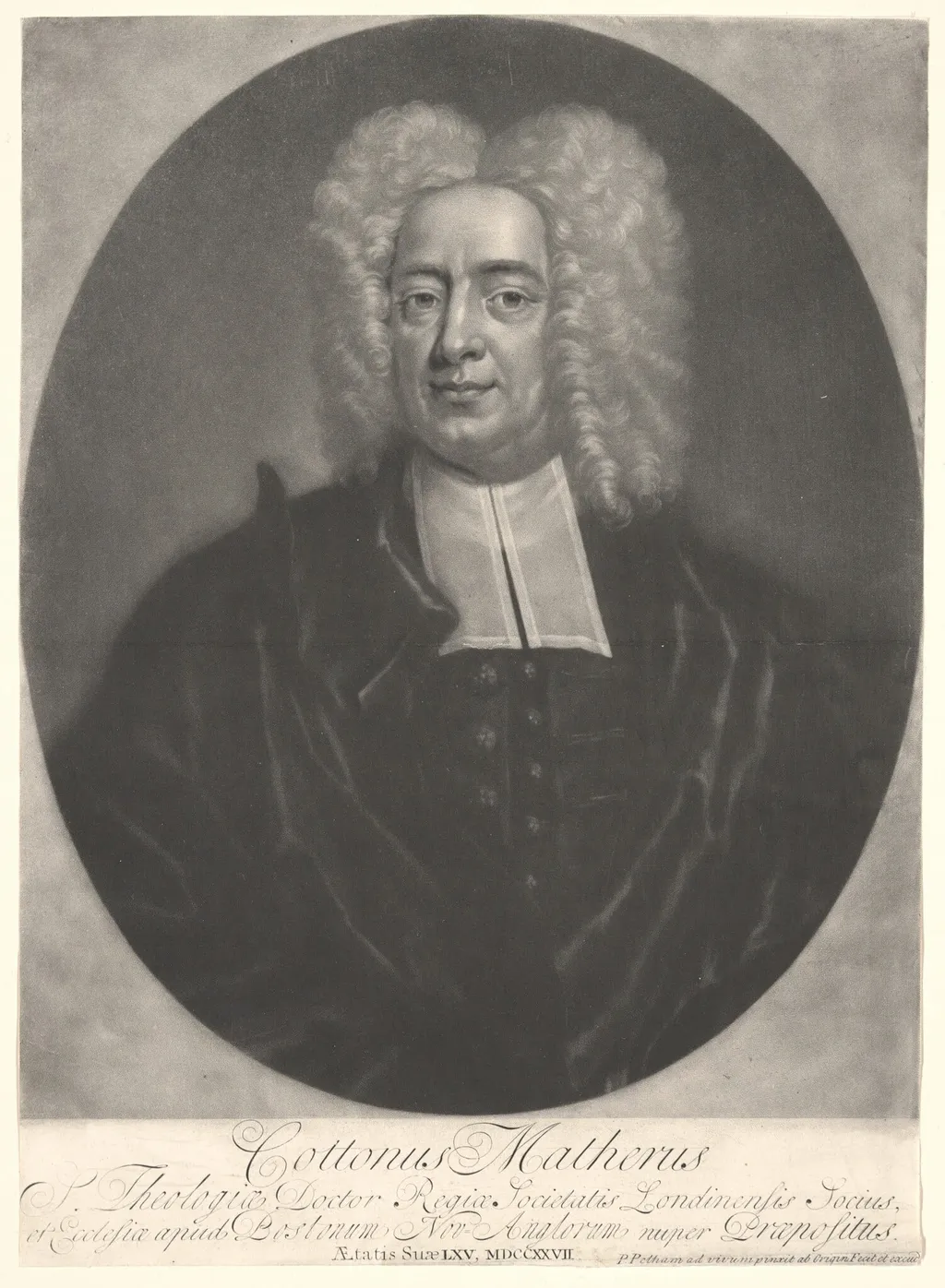
Cotton Mather is an ink print by the Baroque artist Peter Pelham. It dates from 1727 and is held in the collection of the National Gallery of Art.
About this work
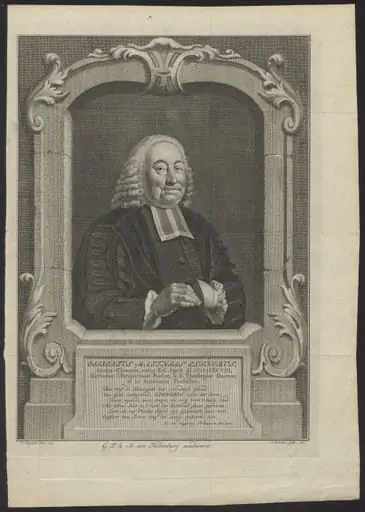
This is a black-and-white portrait of a man with a big white wig and a high collar.
This is a black-and-white portrait of a man with a big white wig and a high collar. His face is serious, and he’s wearing a dark coat with buttons down the front. The background is plain, so the focus stays on him.
The name at the bottom reads "Cotton Mather," and the date says 1727. This was made using a printmaking method that creates soft shadows.
Next, check out Pelham, Peter, the artist who made this portrait.
Overview
This 1727 mezzotint portrait depicts Cotton Mather, a prominent Puritan minister and writer. Created by Peter Pelham, it is a black-and-white print that emphasizes the subject’s formal attire and stern expression. The technique allows for subtle gradations of tone, enhancing the texture of fabric and skin without color. The plain background directs attention entirely to the figure, consistent with the portraiture conventions of early 18th-century New England.
Subject & Meaning
Cotton Mather was a leading intellectual and religious figure in colonial Massachusetts, known for his role in the Salem witch trials and his prolific writings. The portrait presents him with a rigid posture and solemn gaze, reflecting his authority and moral gravity. The elaborate white wig and high collar signify his social standing and adherence to clerical dress codes of the time, reinforcing his identity as a pillar of Puritan society.
Technique & Style
Executed in mezzotint, the print relies on a copper plate roughened to hold ink, then smoothed to create tonal variations. This method produces rich, velvety blacks and soft transitions between light and shadow, ideal for rendering the texture of lace, wool, and skin. Pelham’s handling avoids sharp lines, favoring atmospheric depth over detail, a hallmark of mezzotint portraiture in the early 1700s.
History & Provenance
Peter Pelham, an engraver and printer active in Boston, produced this portrait shortly after Mather’s death in 1728. It was likely intended for distribution among Mather’s followers and academic circles, serving both as commemoration and propaganda. The print’s survival in multiple institutional collections suggests it was widely circulated, reflecting Mather’s enduring influence in colonial religious life.
Context
In early 18th-century New England, printed portraits were rare and often reserved for figures of religious or civic importance. Mezzotint, though more common in England, was adopted by a few colonial artists to elevate the status of local leaders. This work aligns with a broader trend of using print to solidify public memory, especially for individuals whose authority was rooted in doctrine rather than political office.
Legacy
The portrait remains one of the most recognizable images of Cotton Mather, shaping later visual interpretations of the Puritan clergy. Though not artistically innovative, its clarity and emotional restraint made it a standard reference for historians and artists. Its endurance in archives underscores its role as a cultural artifact, preserving the visual identity of a controversial yet pivotal colonial figure.
Artist & collection


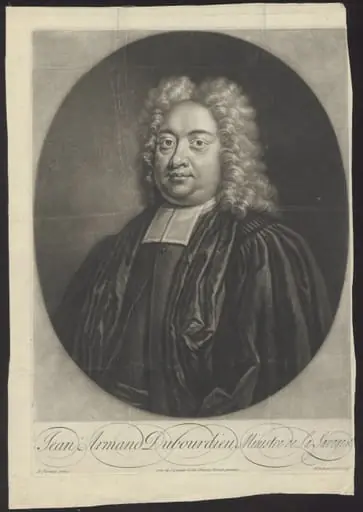 Portrait of Jean Armand Dubourdieu, Ministre de la Savoye
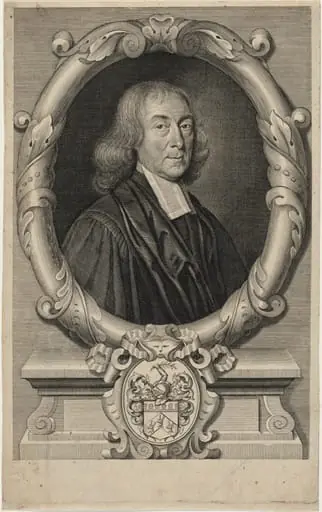 Benjamin Woodroffe, R.R.S., Canon of Christ Church, Oxford
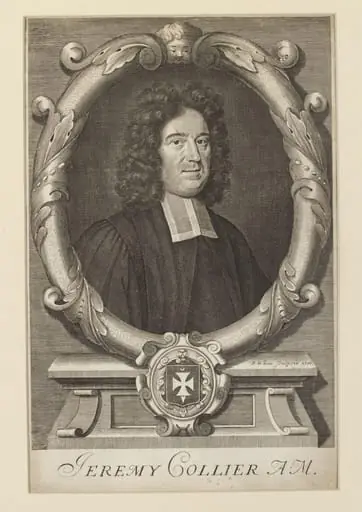 H Beard Print Collection
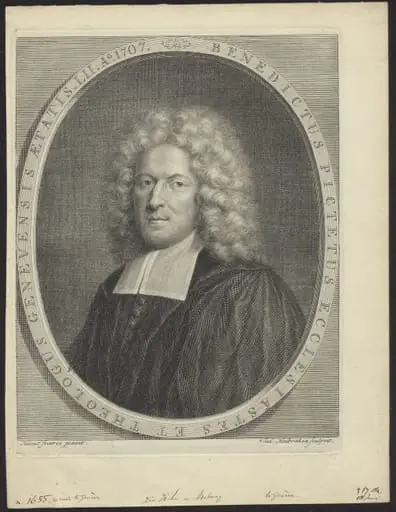 Portrait of Benedictus Pictetus, theologian from Geneva
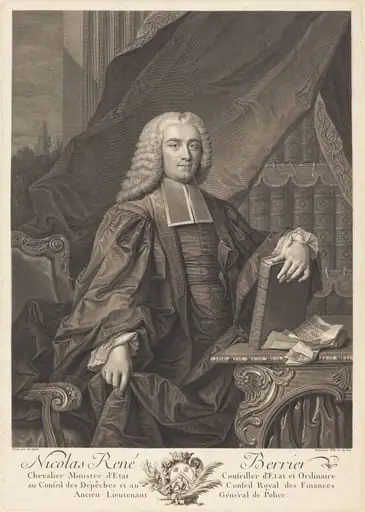 Nicolas Rene Berryer
![Portrait of J. Basnage, [Walloon minister and historian], by Unknown](https://artifactworldgallery.com/img/unknown--portrait-of-j-basnage-walloon-minister-and-historian--5c5b22a95cb99991-w320.webp) Portrait of J. Basnage, [Walloon minister and historian]
Portrait of J. Basnage, [Walloon minister and historian]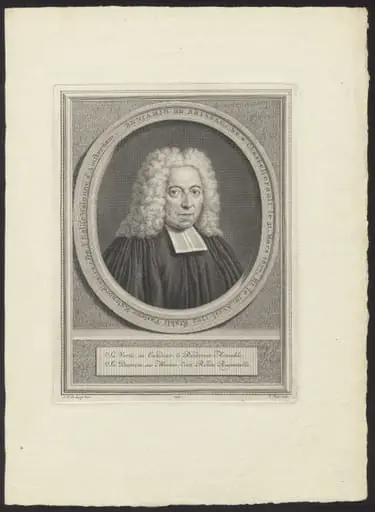 Portrait of Benjamin de Brissac, minister of the Walloon Church in Amsterdam
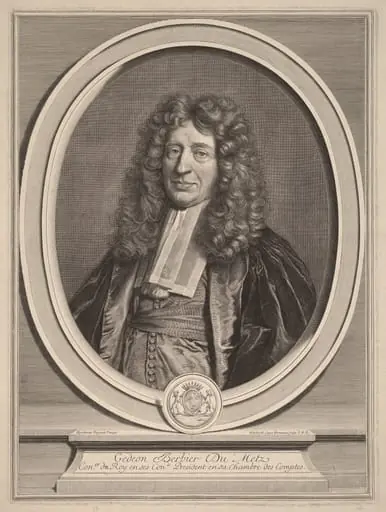 Gedeon Berbier-Du Metz
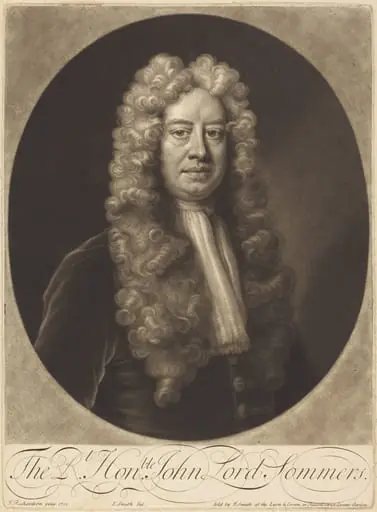 John Lord Sommers
 Portrait of Gisbertus Matthias Elsnerus