Artwork
Jacob Cornelius
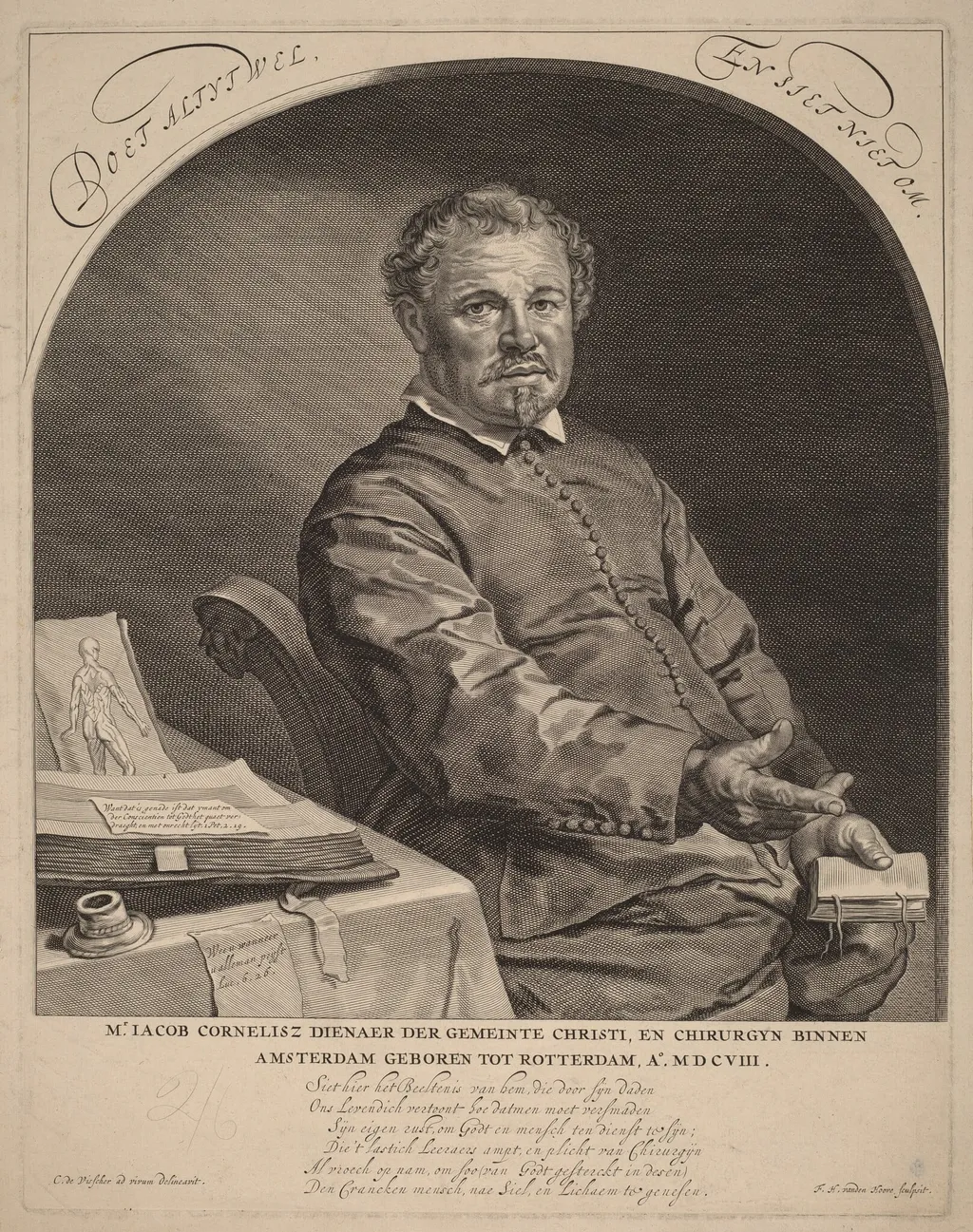
Jacob Cornelius is an ink print by the Baroque artist Frederik Hendrik van den Hove. It dates from 1663 and is held in the collection of the National Gallery of Art.
About this work
Overview
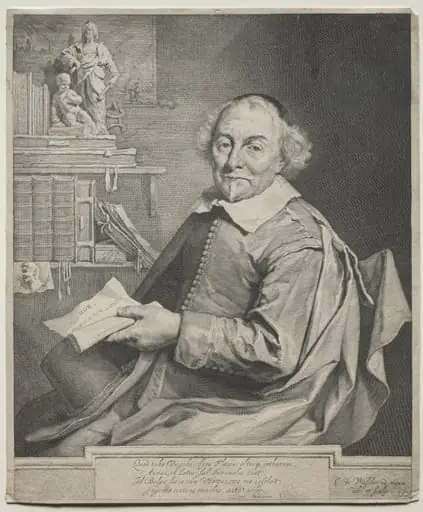
This black-and-white print, created in 1663 by Frederik Hendrik van den Hove, depicts Jacob Cornelius through the medium of engraving.
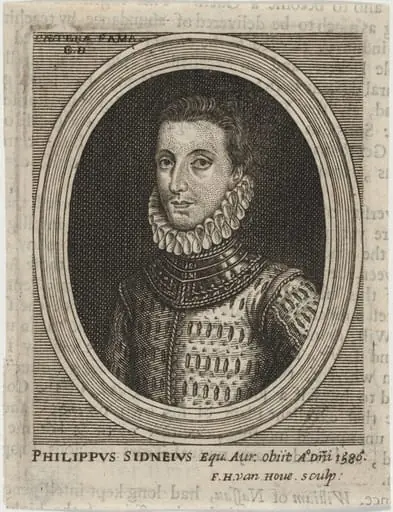
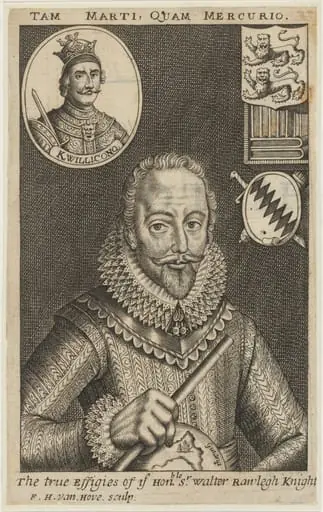
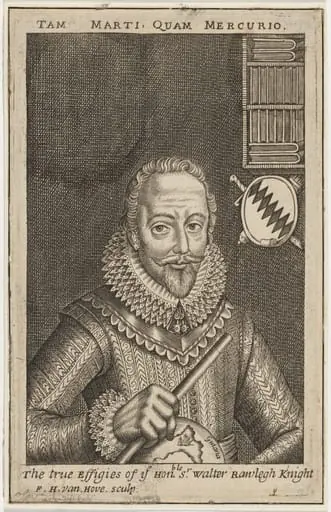
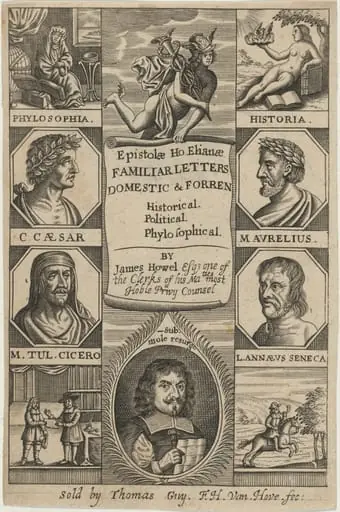
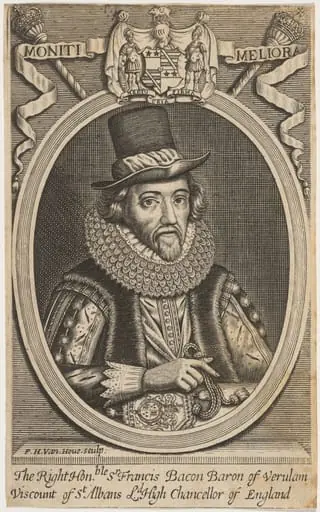
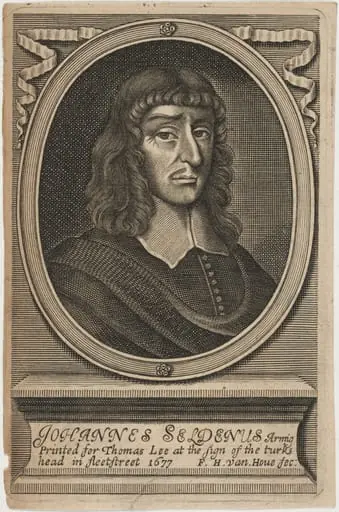
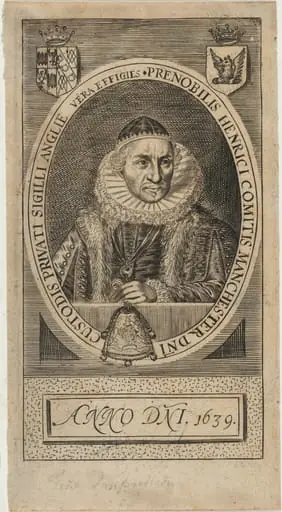
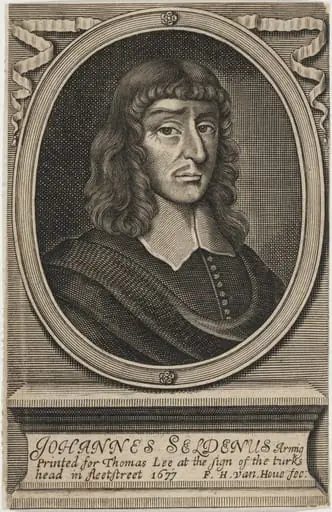
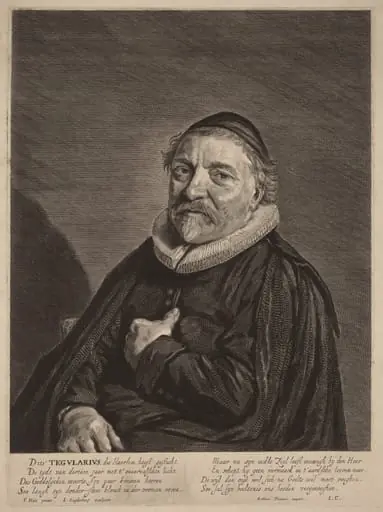
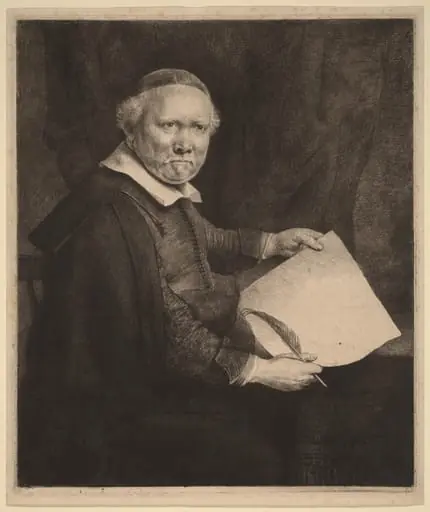
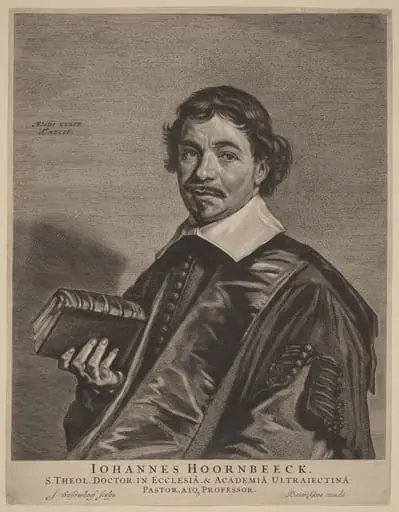
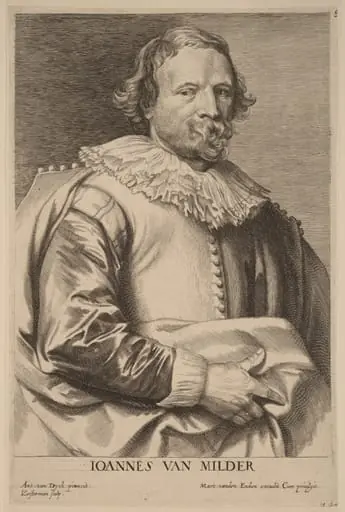
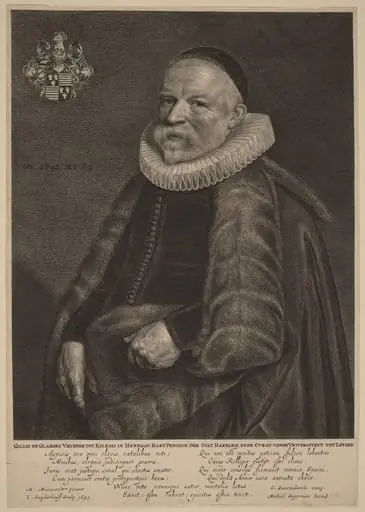
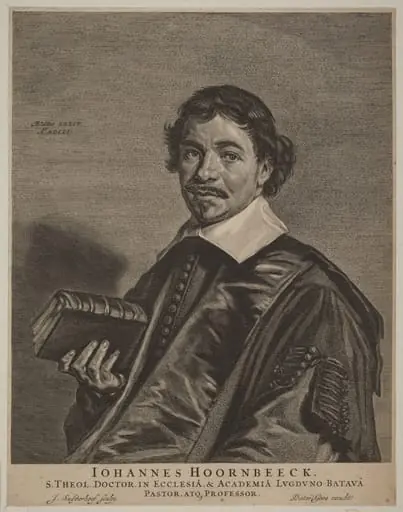
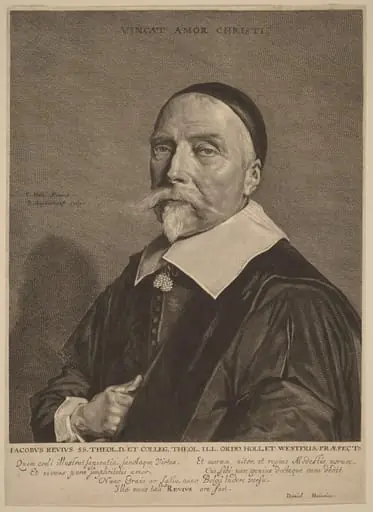
This black-and-white print, created in 1663 by Frederik Hendrik van den Hove, depicts Jacob Cornelius through the medium of engraving. The portrait presents a composed male figure in period attire, rendered with precise, fine lines that define form and texture. Surrounding the image are inscriptions in a foreign script, likely Latin or Dutch, adding a scholarly tone. The composition includes modest props—books, a hat, and a small draped figure—suggesting contemplation and intellectual pursuit.
Subject & Meaning
Jacob Cornelius is portrayed as a man of learning, his posture and possessions signaling intellectual engagement. The pipe and stack of papers imply a moment of pause amid study or correspondence. The draped figure in the background may reference classical antiquity, a common symbol of wisdom in early modern portraiture. The inclusion of books and a hat further reinforces his identity as a scholar or gentleman, not merely a likeness but a statement of character and status.
Technique & Style
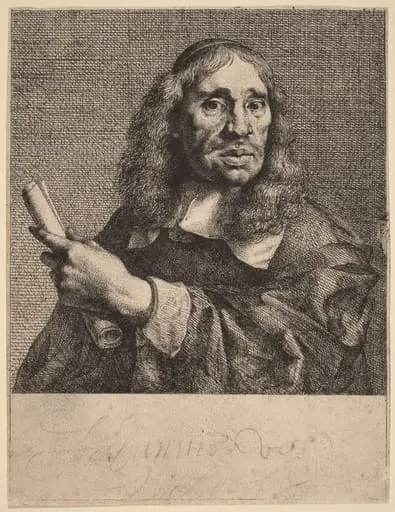
The image is executed in the engraving technique, where lines are incised into a metal plate and inked to produce a sharp, detailed print. Van den Hove employs fine, controlled strokes to model light and shadow, giving the face and fabric a tactile realism. The texture of the clothing, the grain of the papers, and the subtle gradations in the background demonstrate mastery of line density and cross-hatching, hallmarks of 17th-century Northern European printmaking.
History & Provenance
Created in 1663, the engraving likely served as a portrait for a learned individual, possibly commissioned by family or colleagues. Van den Hove, active in the Dutch Republic, was known for his reproductive engravings and portraits of intellectuals. While the original plate’s whereabouts are unrecorded, the print survives in institutional collections, reflecting its role in disseminating images of scholars during a period of rising literacy and print culture.
Context
In mid-17th-century Holland, portraiture in print flourished alongside the growth of universities and scientific societies. Engravings like this one circulated among educated circles, functioning as both personal mementos and symbols of intellectual identity. The inclusion of classical references and scholarly objects aligns with broader cultural values that linked learning with moral virtue, making such images tools of social and intellectual self-representation.
Legacy
This engraving exemplifies the quiet dignity of scholarly portraiture in the Dutch Golden Age. Though not widely reproduced today, it remains a representative work of its time—capturing the intersection of art, intellect, and print technology. Its survival underscores the value placed on preserving the likenesses of learned men, contributing to the visual record of early modern European intellectual life.
Artist & collection