Artwork
Henry Montagu, First Earl of Manchester
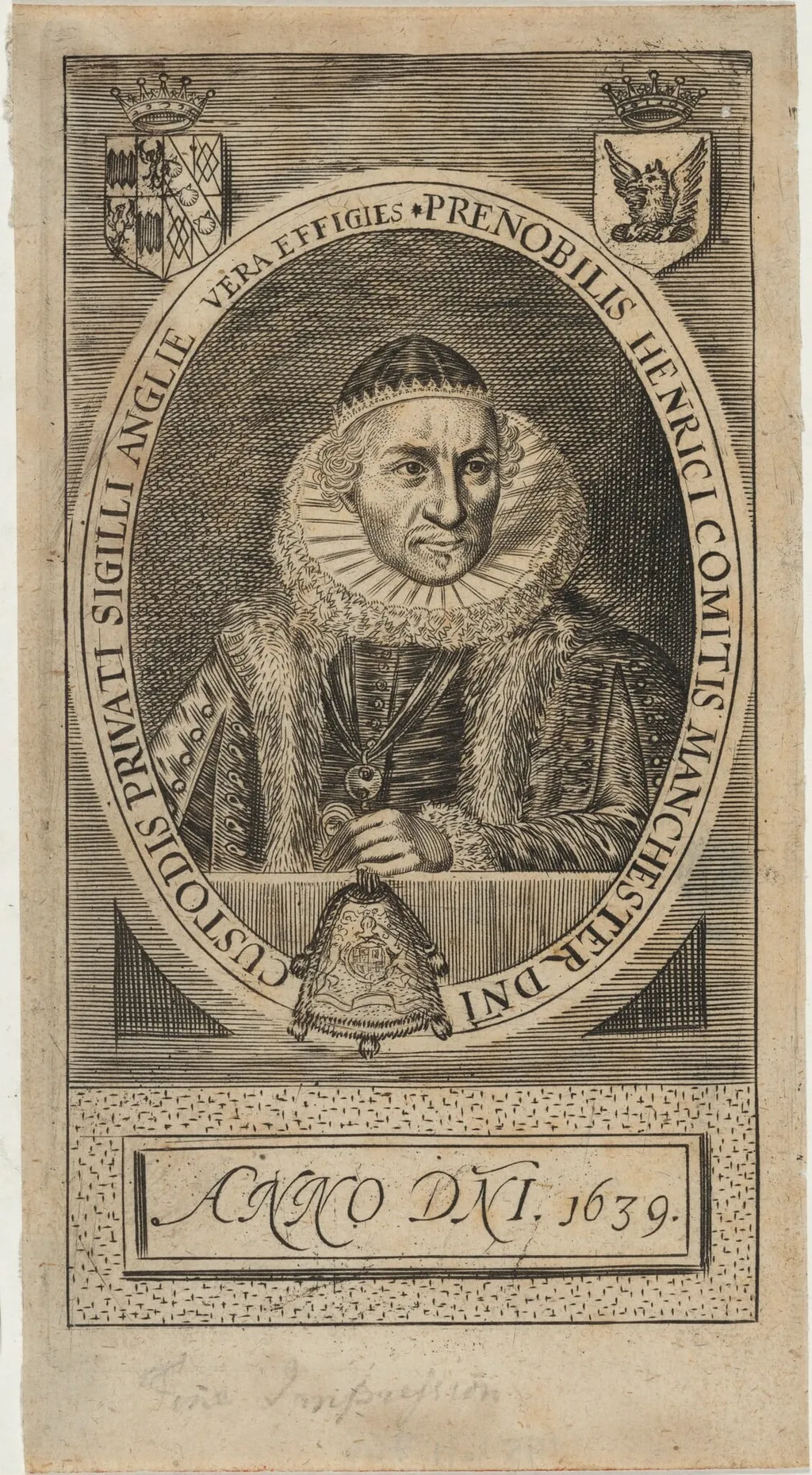
Henry Montagu, First Earl of Manchester is an ink print by the Baroque artist Frederik Hendrik van den Hove. It dates from 1639 and is held in the collection of the National Gallery of Art. This 1639 engraving depicts Henry Montagu, the First Earl of Manchester, as a nobleman of the early Stuart period.
About this work
Overview
Executed by Frederik Hendrik van den Hove, the portrait is a formal likeness intended to convey status and gravitas.
This 1639 engraving depicts Henry Montagu, the First Earl of Manchester, as a nobleman of the early Stuart period. Executed by Frederik Hendrik van den Hove, the portrait is a formal likeness intended to convey status and gravitas. The composition isolates the subject against a dark, unbroken background, emphasizing his presence through precise line work and tonal contrast typical of engraved portraiture of the era.
Subject & Meaning
Montagu is portrayed with a composed, solemn demeanor, reflecting his position as a prominent political and military figure. His attire—fur-trimmed coat and elaborate ruffled collar—signals aristocratic rank and adherence to contemporary courtly dress. The small pointed beard and mustache align with early 17th-century masculine ideals, reinforcing his identity as a man of authority and refined taste within the English elite.
Technique & Style
Van den Hove employed fine cross-hatching to model form and texture, particularly in the folds of the collar and the contours of the face. The engraving’s linear precision captures the sheen of fabric and the subtle shadows beneath the chin and eyes, creating a sense of volume without color. The dark background enhances the three-dimensionality of the figure, a hallmark of skilled reproductive printmaking in the period.
History & Provenance
The engraving was produced in 1639, likely as part of a series of noble portraits circulated among elite circles. Van den Hove, a Dutch engraver active in England, was known for translating painted portraits into print. This work may have been based on a lost oil portrait, serving to disseminate Montagu’s image beyond the confines of courtly life, though its early ownership records remain undocumented.
Context
Created on the eve of the English Civil War, the portrait reflects the visual culture of a nobility asserting its identity amid political tension. Engravings like this were tools of social representation, reinforcing lineage and status. Van den Hove’s presence in England underscores the transnational exchange of artistic practices between the Low Countries and the British Isles during the early 17th century.
Legacy
Though not widely reproduced today, the engraving remains a documented example of how aristocratic portraiture was mechanically reproduced for private and semi-public consumption. It contributes to the understanding of how visual identity was constructed and circulated among the English gentry before the rise of photography, preserving a moment in the material culture of power.
Artist & collection

 Henrici VIII Angliae, Franciae et Hiberniam Rex (King Henry VIII)
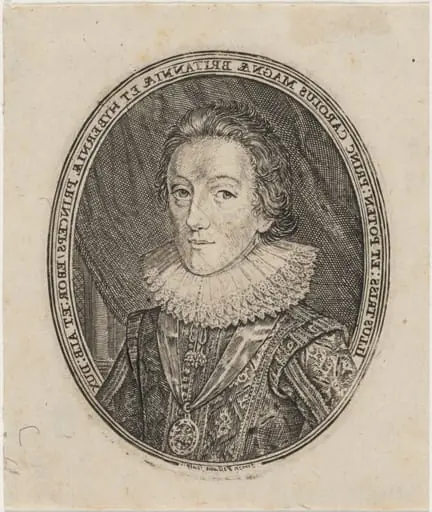 Charles I, King of England
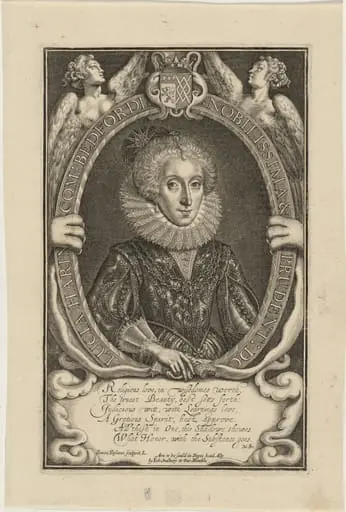 Lucia Harrington, Countess of Bedford
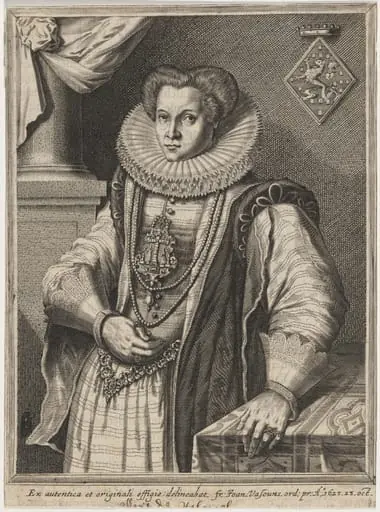 Marie de Medici (?)
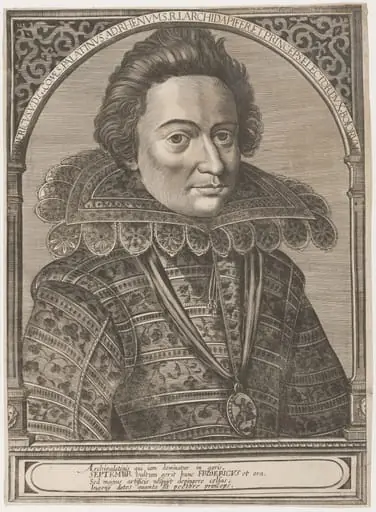 Frederick V, Count Palatine
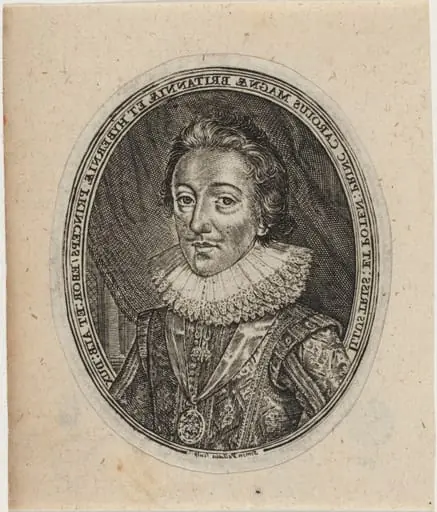 Charles I, King of England
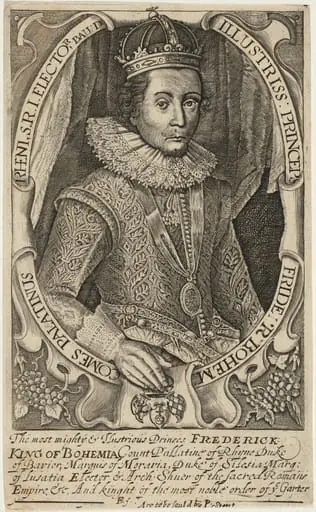 Frederick V, King of Bohemia
 Charles I, King of England
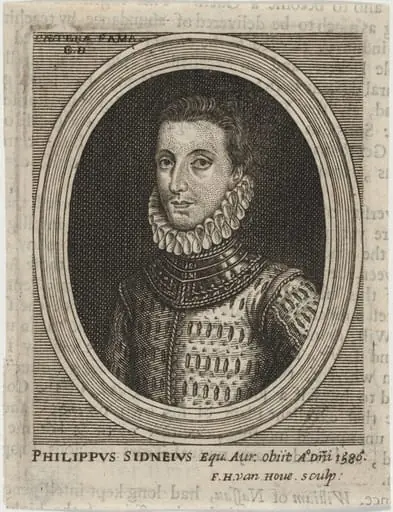
 Sir Philip Sidney, Soldier and Poet
 Queen Elizabeth