Artwork
Title Page to Epistolae Hoephanae, by James Howel
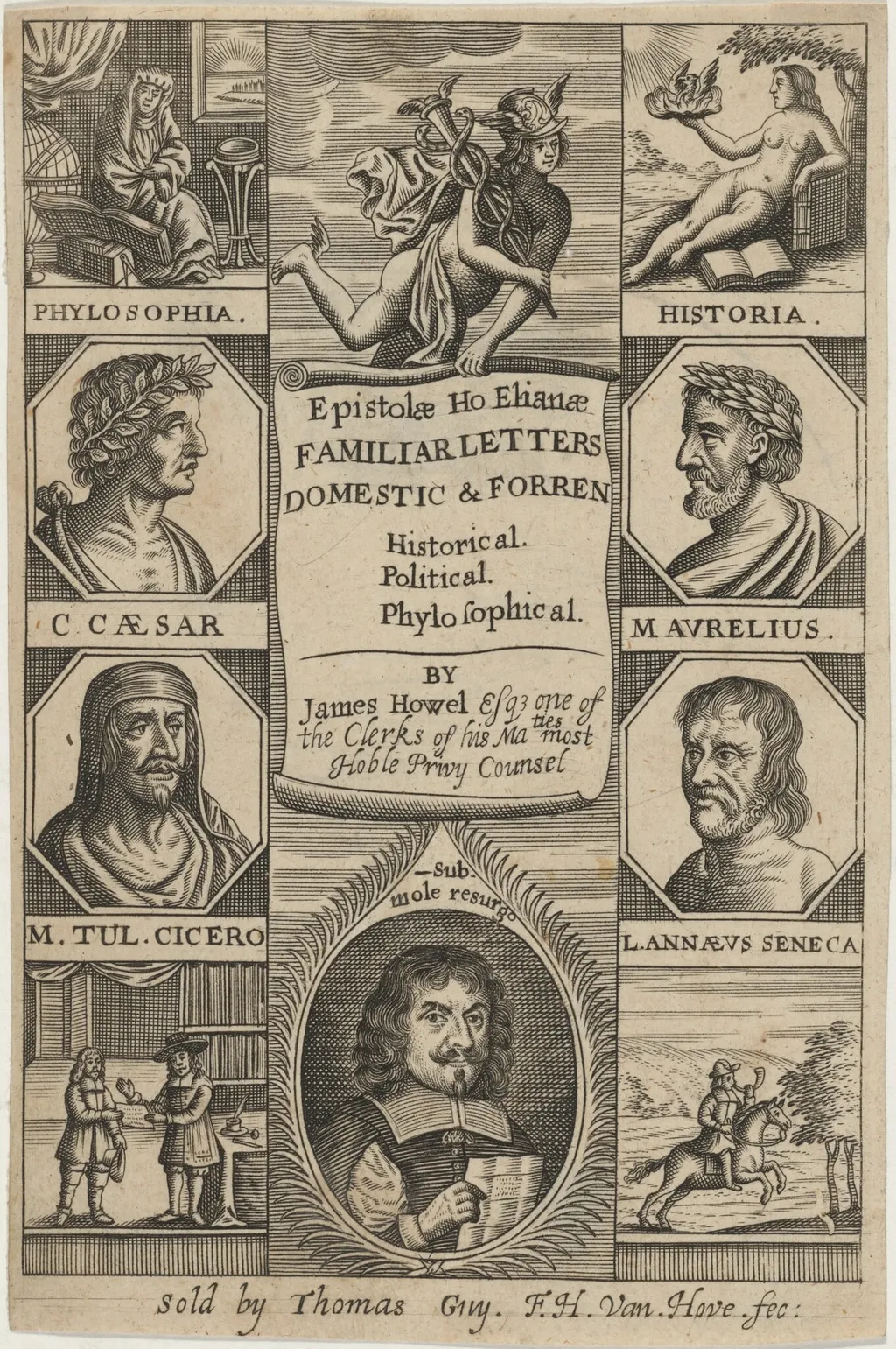
Title Page to Epistolae Hoephanae, by James Howel is an ink print by the Baroque artist Frederik Hendrik van den Hove. It dates from 1678 and is held in the collection of the National Gallery of Art.
About this work
Overview
The composition is organized into six framed miniature scenes set in two horizontal rows, with a larger central portrait anchoring the design.
The title page for *Epistolae Hoephanae* is an engraved print produced in 1678 by the Dutch artist Frederik Hendrik van den Hove. The composition is organized into six framed miniature scenes set in two horizontal rows, with a larger central portrait anchoring the design. The work functions as a decorative frontispiece for the collected letters of James Howel, indicating the scholarly nature of the volume.
Subject & Meaning
The six small vignettes present a variety of allegorical and portrait subjects: a woman illuminated by candlelight while reading, a rider mounted on a winged horse, a nude female figure bearing a shield, and three male portraits—two bearded scholars, one crowned with laurel, and a central figure with a mustache holding a book. These images evoke themes of learning, classical virtue, and the intellectual pursuits outlined in the accompanying text, which references history, politics, and philosophy.
Technique & Style
Executed as a copper engraving, the print displays fine line work and careful hatching to render light, texture, and the intricate details of clothing, hair, and architectural frames. Van den Hove’s handling of chiaroscuro in the candlelit scene and the delicate rendering of the winged horse demonstrate the artist’s command of the medium, typical of late‑17th‑century Dutch printmaking.
History & Provenance
Created in 1678, the frontispiece was likely commissioned for the first edition of James Howel’s letters, a collection intended for an educated readership. The artist’s signature appears at the bottom of the plate, confirming authorship. Surviving copies of the volume are held in several European libraries, where the engraving remains the primary visual identifier of the work.
Context
During the late 1600s, printed frontispieces served both decorative and informative functions, introducing readers to the intellectual scope of a text. Van den Hove’s work aligns with contemporary Dutch practices that combined portraiture, allegory, and emblematic imagery to signal the scholarly content of a publication.
Artist & collection

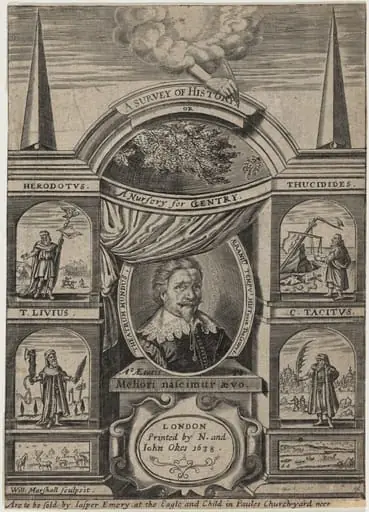 Title page to R. Brathwait, A Survey of History
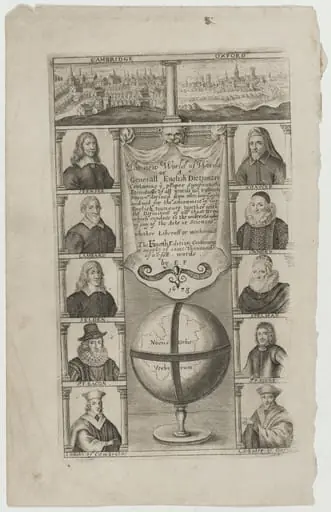 Title Page to The New World of Words or A General English Dictionary
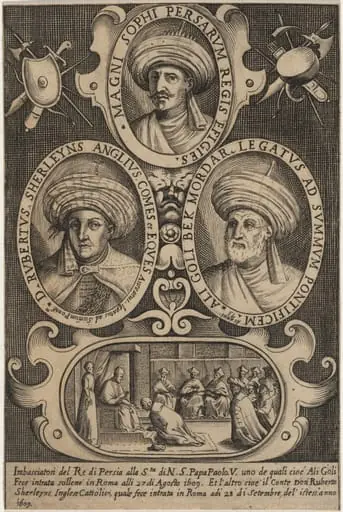 Sir Robert Shirley, With the Shah of Persian and the Papal Legat
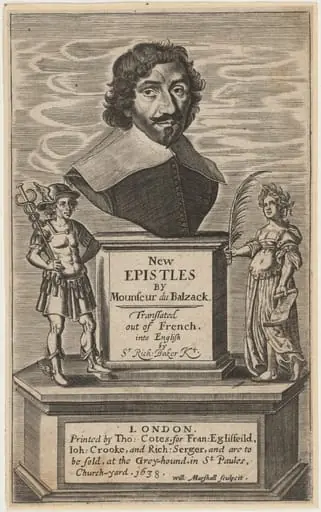 Title page to J.L. Guez, Sieur du Balzack, New Epistles
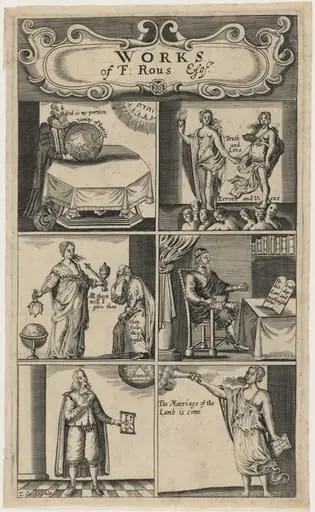 Title Page to F. Rous' Works
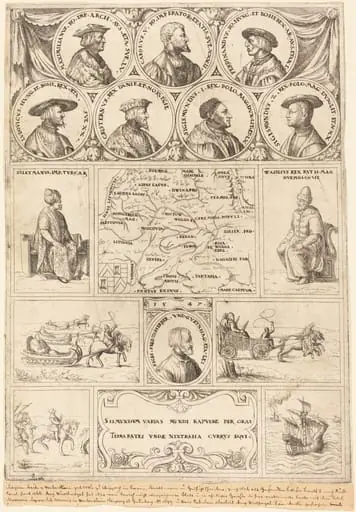 Map of Eastern Europe with portraits of Sigismund von Herberstein, Emperor Charles V, Emperor Maximilian I, Ferdinand of Hungary, Ludwig II of Hungary, Sigismund I of Poland, Sigismund II of Poland, Christian II of Denmark, Suleiman the Magnificent and Vasili III, Grand Prince of Moscow, and vignettes showing four journeys made by Herberstein
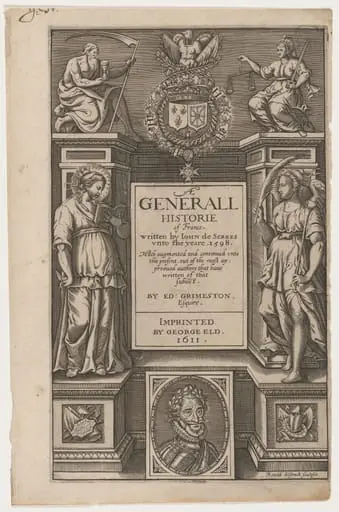 Title Page. Jean de Serres, Generall Historie of France
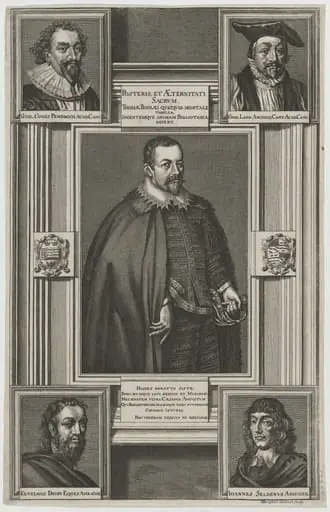 Thomas Bodley
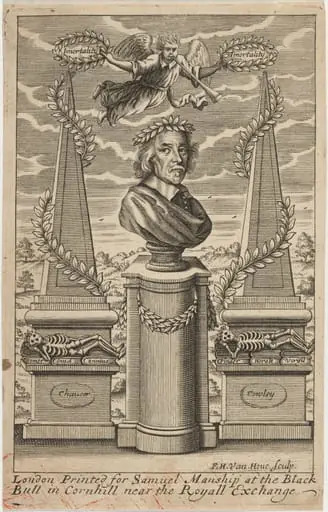 William Winstanley, Poet and Compiler
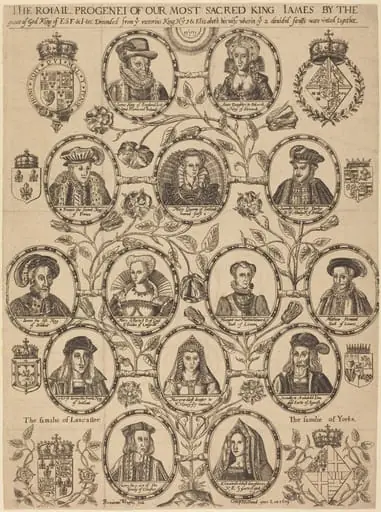 Royal Progeny of King James
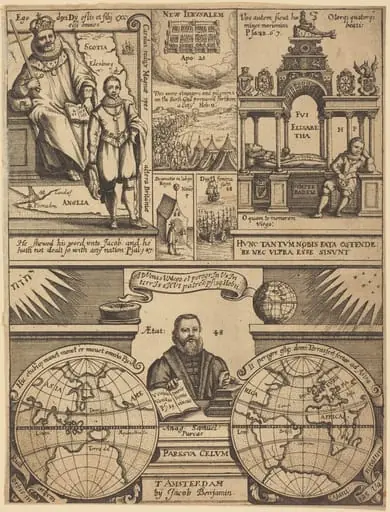 Frontispiece
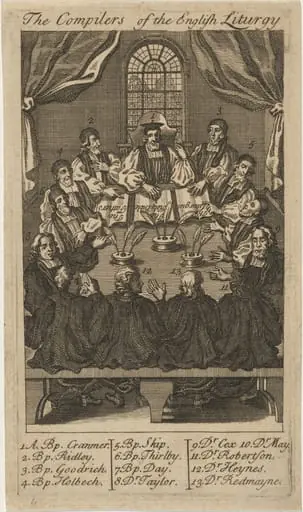 The Compilers of the English Liturgy