Artwork
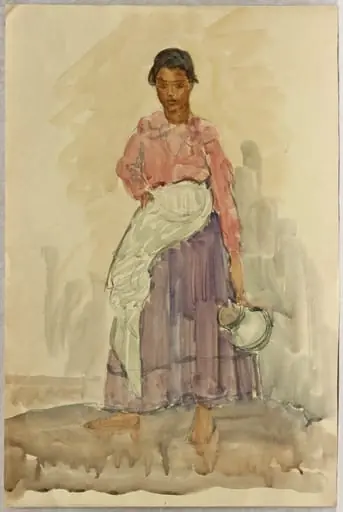
Femeie cu ulcior
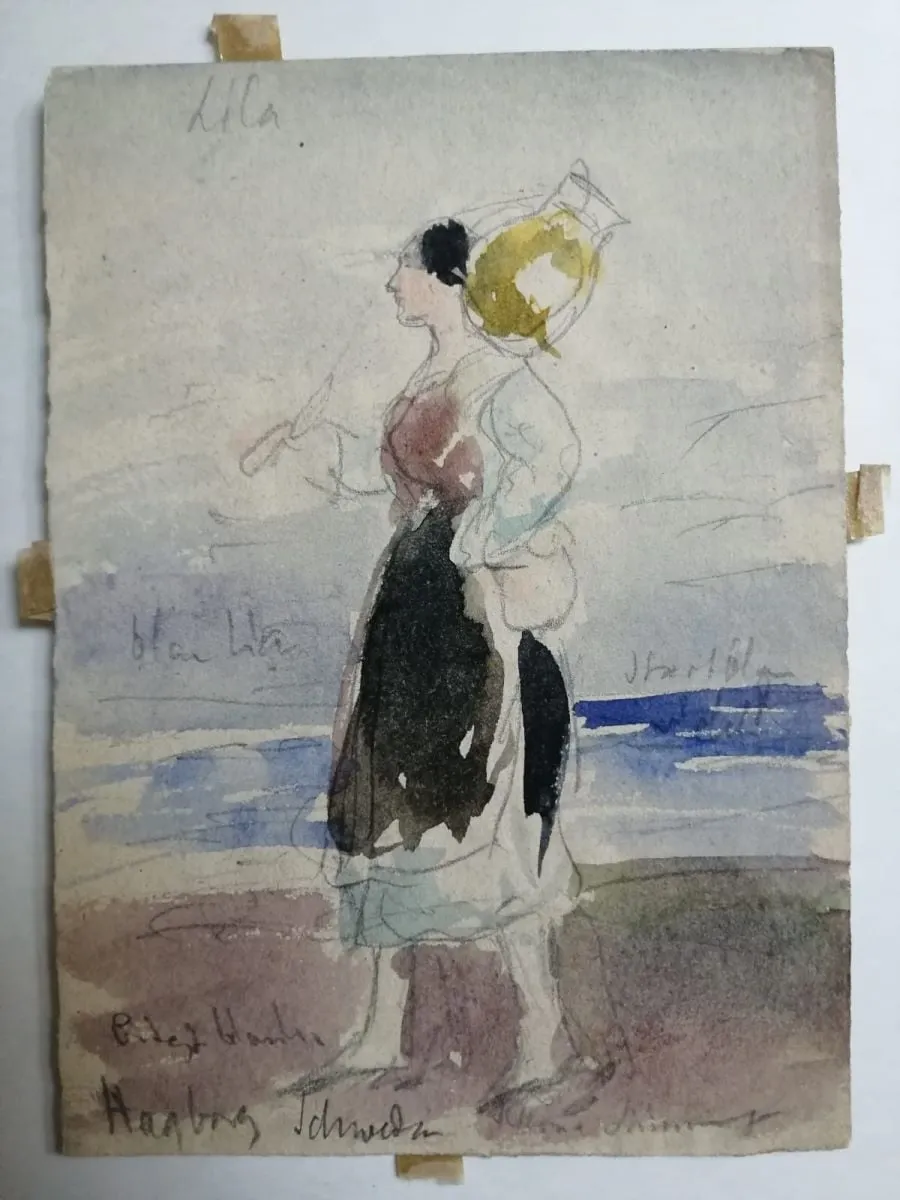
Femeie cu ulcior is an unspecified painting by Carol Szathmari. It dates from 1850 and is held in the collection of the Bucharest Municipality Museum.
About this work
Overview
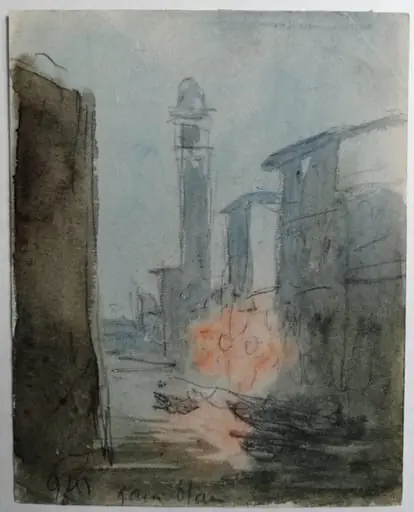
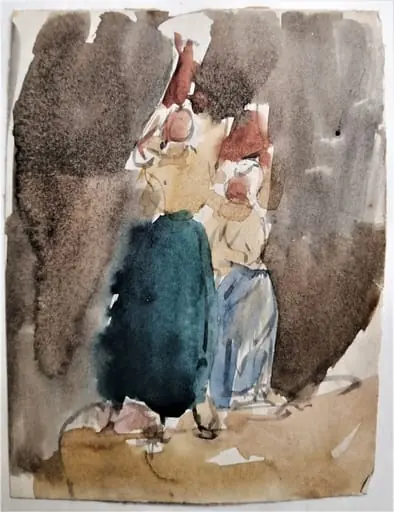
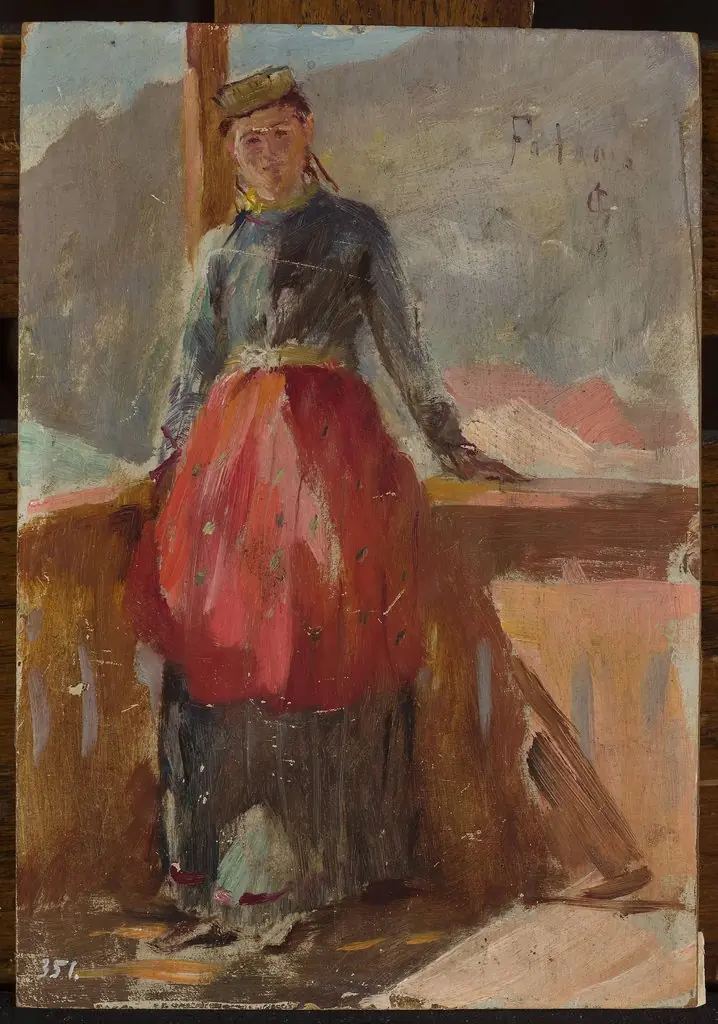
Created around 1850, “Femeie cu ulcior” is a modestly sized drawing by the Hungarian‑Romanian photographer and painter Carol Szathmari. The work is part of the collection of the Museum of Ethnography, where it is displayed as an example of mid‑nineteenth‑century visual documentation of everyday life.
Subject & Meaning
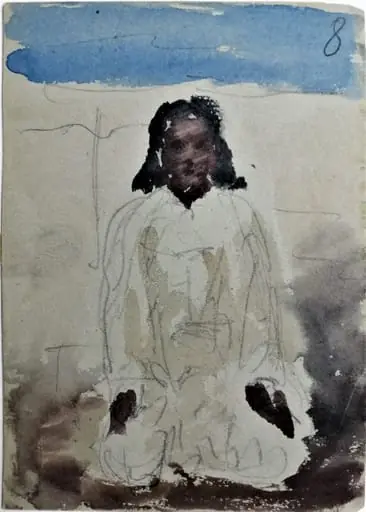
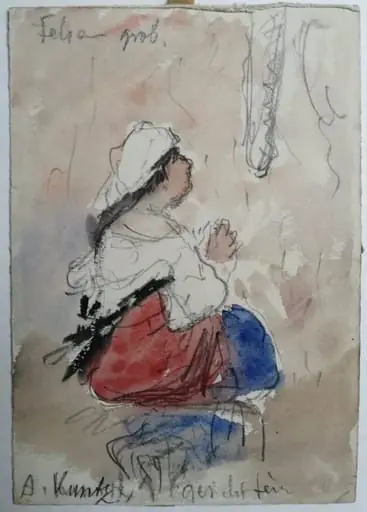
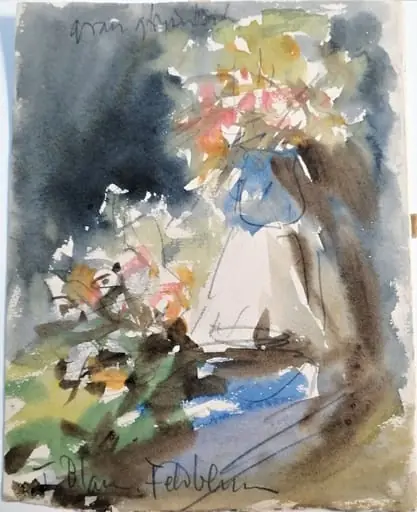
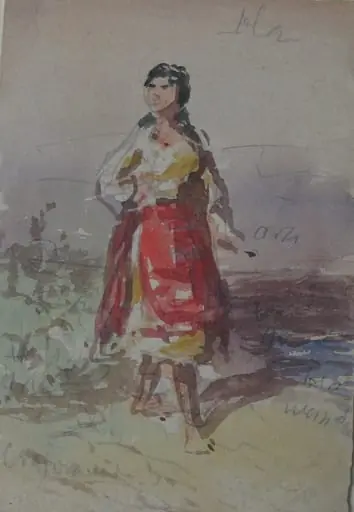
The image depicts a solitary woman standing beside water, dressed in a dark, ankle‑length skirt and a light‑colored blouse. Her hair is gathered back, and she holds an object—presumably a water‑carrying vessel—in her left hand, suggesting a moment of domestic labor or a pause during a routine chore.
Technique & Style
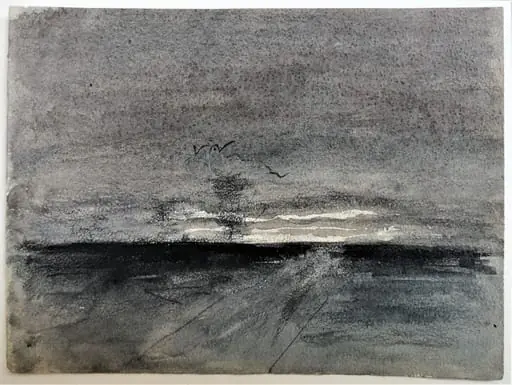
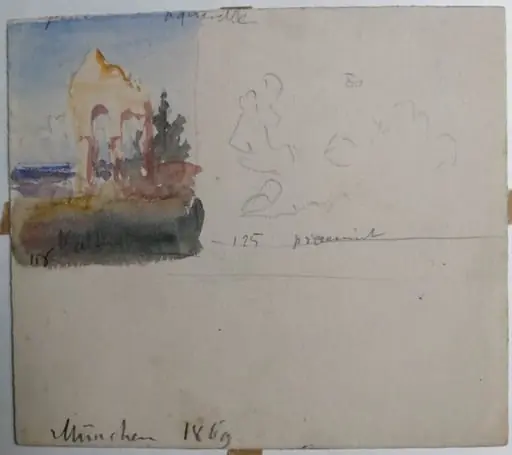
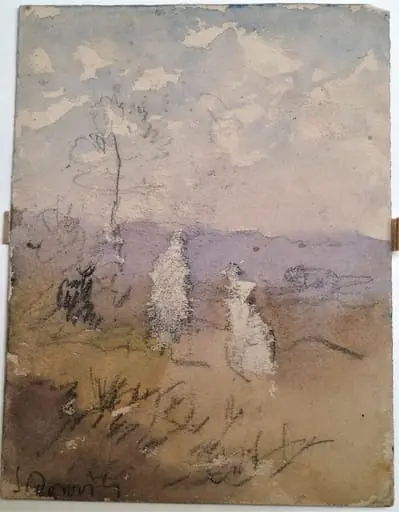
Executed with a combination of watercolor wash and pencil, the drawing is rendered quickly and loosely. Broad blue‑gray washes suggest distant water or shoreline, while the figure is defined by swift pencil strokes. Handwritten marginal notes, including the name “Ila” and a place reference, indicate a personal or field‑note quality to the work.
History & Provenance
The piece entered the Museum of Ethnography’s holdings sometime after its creation, though the exact acquisition date is not recorded. Its presence in an ethnographic collection underscores its value as a visual record of regional customs rather than as a purely artistic object.
Context
Szathmari, active in the mid‑1800s, is known for documenting the social fabric of the Danubian Principalities. This drawing aligns with his broader practice of capturing ordinary scenes, providing contemporary viewers with insight into the attire, labor, and environment of the period.
Artist & collection
Artist
Carol Szathmari made paintings and one sculpture in the mid-1800s, mostly portraits and scenes from everyday life.