Artwork
La poalele dealului
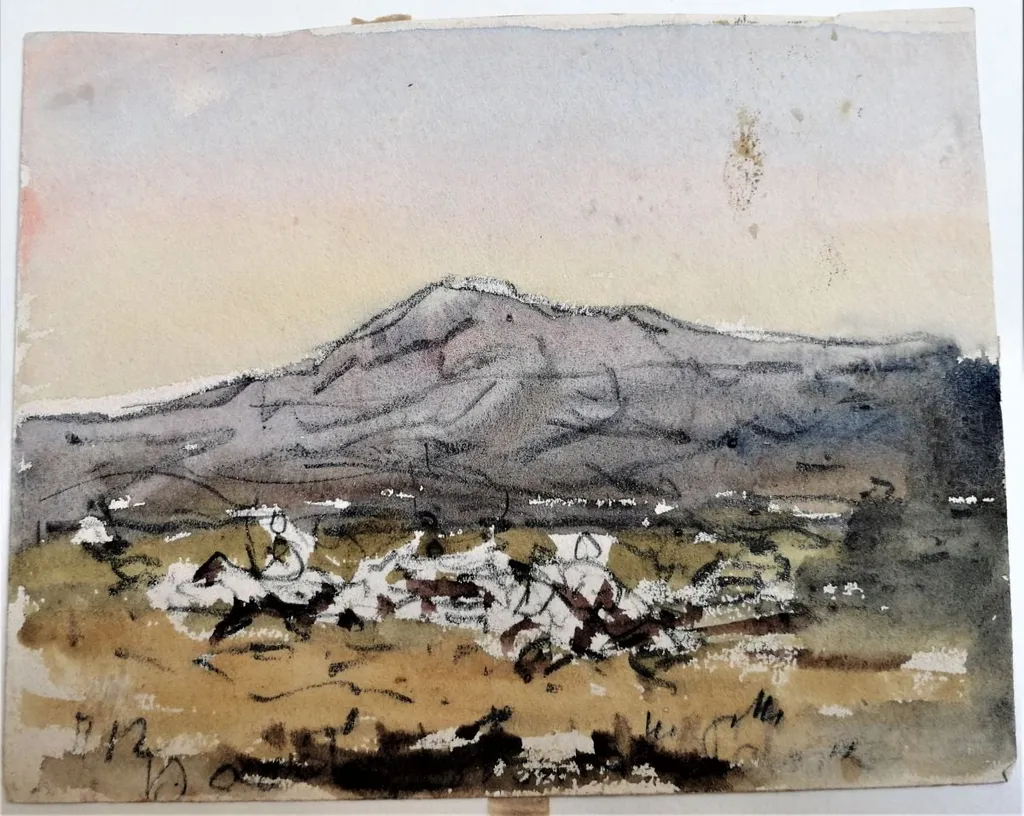
La poalele dealului is an unspecified painting by Carol Szathmari. It dates from 1874 and is held in the collection of the Bucharest Municipality Museum.
About this work
Overview
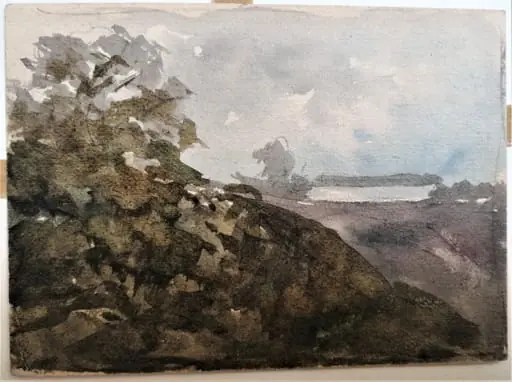
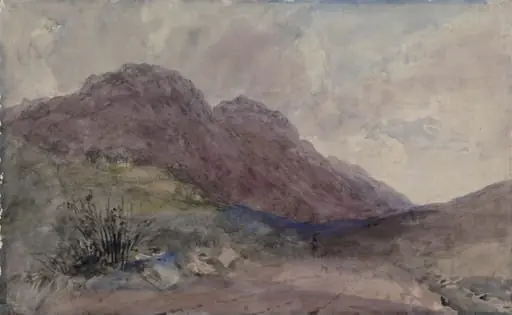
Created around 1874, *La poalele dealului* is an oil painting by the Hungarian‑Romanian photographer and painter Carol Szathmari. The work is part of the collection of the Museum of Ethnography, where it is displayed as an example of 19th‑century landscape studies. Its title, translated as “At the foot of the hill,” directly references the scene depicted.
Subject & Meaning
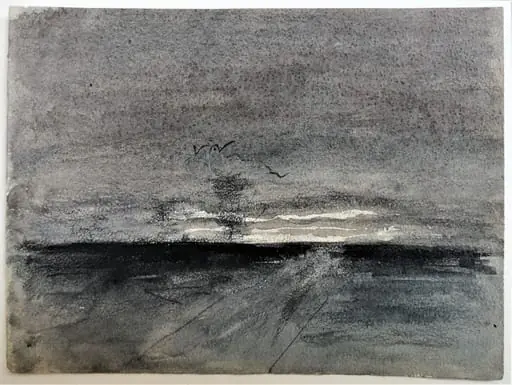
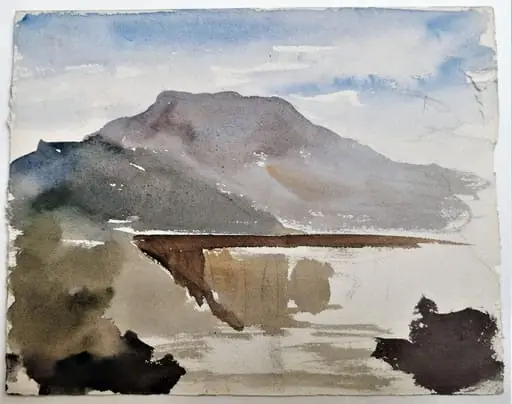
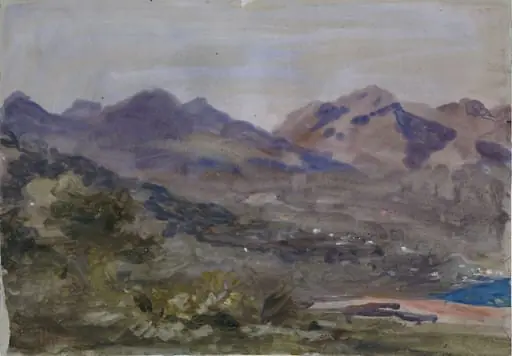
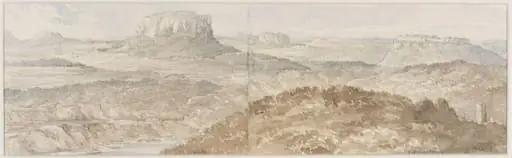
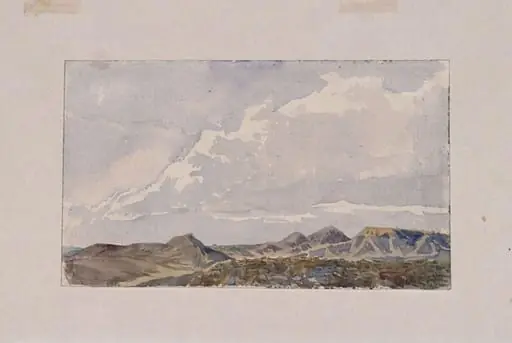
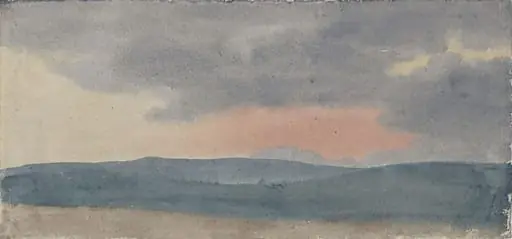
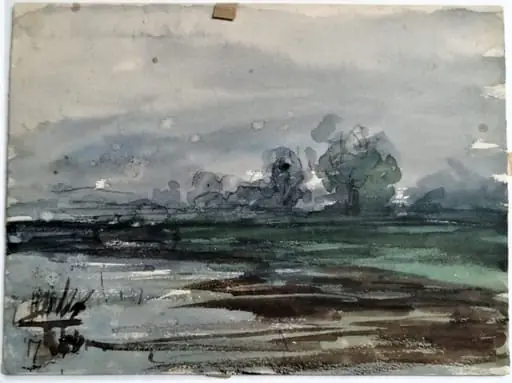
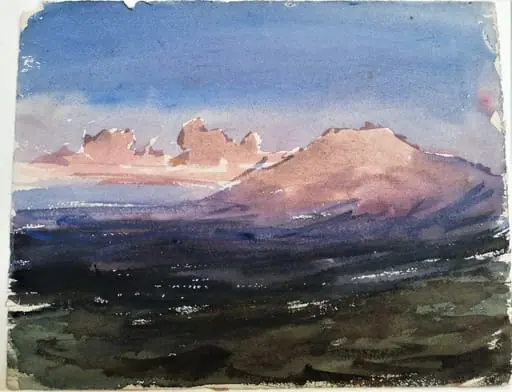
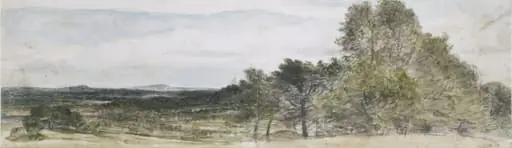
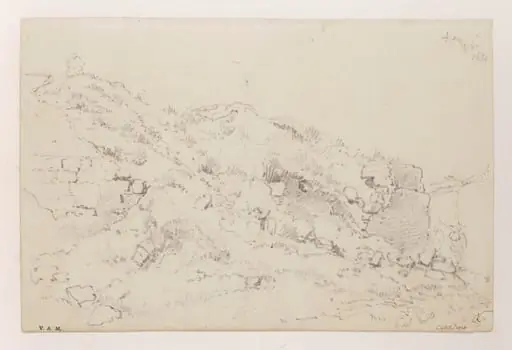
The canvas presents a rugged, undulating terrain dominated by jagged peaks and uneven ground. Muted earth tones—browns, grays and whites—convey a sense of atmospheric austerity, while darker shadows near the lower edge suggest depth and the play of light on the slope. The composition invites contemplation of the natural landscape’s raw character rather than a romanticized view.
Technique & Style
Szathmari’s handling of paint is loose and rapid, with visible, brisk brushstrokes that give the image a sketch‑like quality. The palette is restrained, emphasizing tonal variation over vivid color. This approach suggests an on‑site study, possibly executed outdoors, where speed and immediacy were prioritized over meticulous finish.
History & Provenance
The painting entered the Museum of Ethnography’s holdings sometime after its creation, though the exact acquisition date is not recorded in public sources. Its presence in an ethnographic institution reflects the 19th‑century interest in documenting regional landscapes as part of cultural heritage.
Context
Carol Szathmari (1827‑1896) is better known for his pioneering photography of the Crimean War, yet he also produced a modest body of landscape paintings. *La poarele dealului* aligns with his broader practice of recording places quickly, bridging his photographic eye with traditional painting techniques during a period when artists were exploring plein‑air methods.
Artist & collection
Artist
Carol Szathmari made paintings and one sculpture in the mid-1800s, mostly portraits and scenes from everyday life.