Artwork
Joannes Angelus Braschi
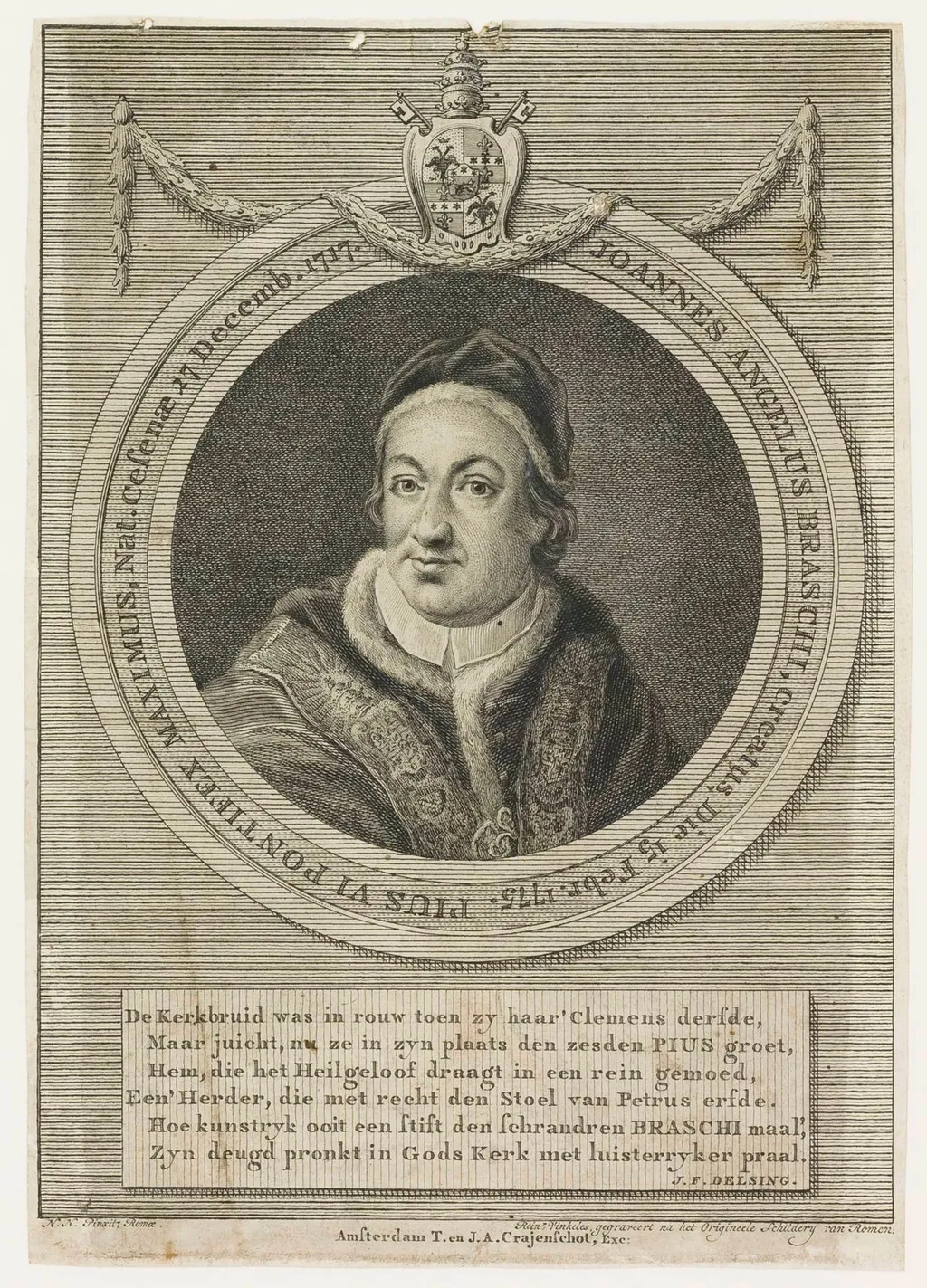
Joannes Angelus Braschi is a drawing by Reinier Vinkeles. It dates from 1799 and is held in the collection of the Catholic University of Leuven.
About this work
This drawing shows a portrait of Joannes Angelus Braschi in a round frame with the papal coat of arms.
This drawing shows a portrait of Joannes Angelus Braschi in a round frame with the papal coat of arms.
The portrait has a lot of details, including inscriptions that tell us about the person. It says he was created on February 15, 1775, and was born on December 27, 1717. These details help us understand who he was and what he did.
You can learn more about this style of drawing by looking into the technique of cross-hatching.
Overview
The work is an engraved portrait of Joannes Angelus Braschi, presented within a circular frame that bears the papal coat of arms topped by a tiara. The image reproduces an earlier, unidentified painting, as indicated by the notation N.N. (nomen nescio). The engraving includes a series of Latin and Italian inscriptions that provide biographical and commemorative information about Braschi and his relationship to Pope Pius VI.
Subject & Meaning
The central figure is Joannes Angelus Braschi, whose birthdate (27 December 1717) and the date of his creation or perhaps a significant appointment (15 February 1775) are recorded in the surrounding text. The surrounding verses praise Braschi’s virtue and his service to the Church, likening him to a shepherd who inherits the Chair of Peter and celebrating his role under Pope VI.
Technique & Style
Executed by the Amsterdam engraver Rein Vinkeles, the image employs fine cross‑hatching to render the likeness and the intricate heraldic elements of the papal insignia. The engraving is signed “Rein Vinkeles, engraved after the original painting of Rome,” indicating a faithful translation of the painted source into a print medium, typical of 18th‑century reproductive engraving.
History & Provenance
The original painting, attributed to an unknown artist (noted as N.N. pinxit, Romæ), was likely created in Rome before being sent to the Netherlands for engraving. The print bears the imprint of the Amsterdam publishers T. and J.A. Crajenschot, suggesting it was produced for a European market interested in ecclesiastical portraiture.
Context
Braschi’s portrait reflects the close ties between high clerical officials and the papacy during the late Baroque period, when papal imagery and personal heraldry were commonly used to affirm loyalty and status. The inclusion of poetic verses and the papal coat of arms underscores the propagandistic function of such portraits in reinforcing ecclesiastical hierarchy.
Legacy
While the original painting remains unidentified, Vinkeles’s engraving preserves Braschi’s likeness and the associated iconography for posterity. The print serves as a visual document of 18th‑century papal patronage and the network of artists and engravers who disseminated official portraiture across Europe.
Artist & collection
Artist
Dutch printmaker Reinier Vinkeles worked in the late 1700s, turning portraits into finely etched lines.
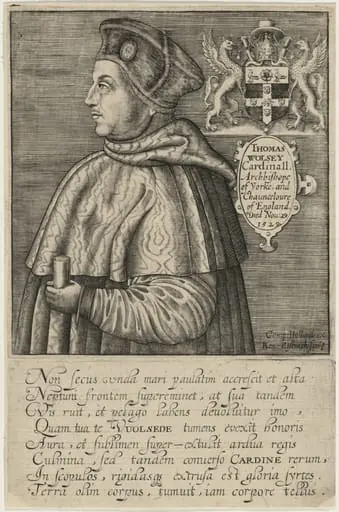 Thomas Wolsey, Cardinal
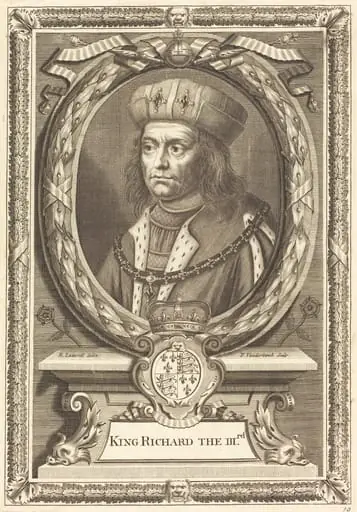 King Richard III
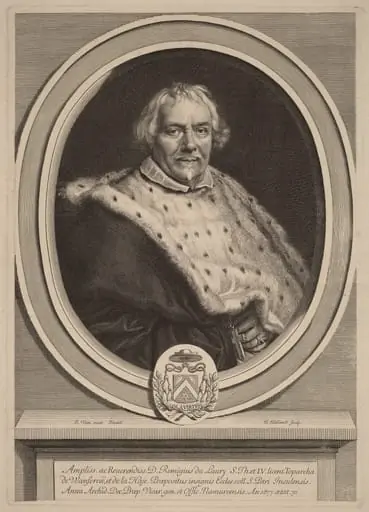 Remi Du Laury
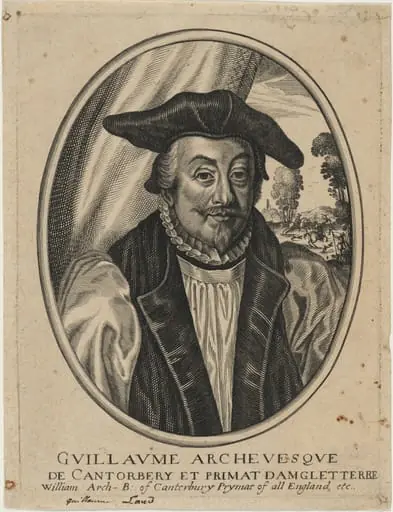 William Laud, Archbishop of Canterbury
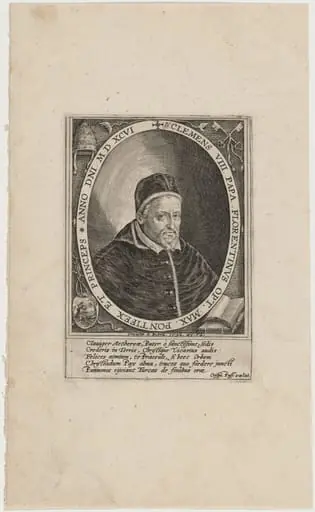 Pope Clement VIII
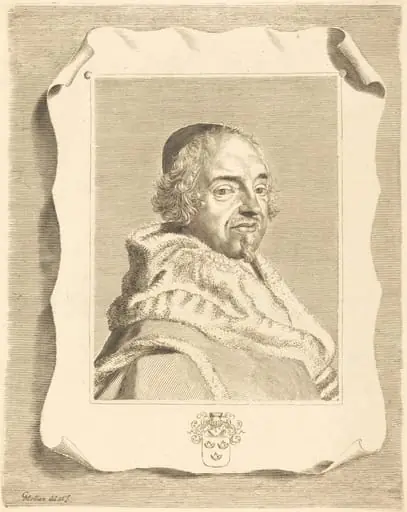 François-Théodore de Nesmond
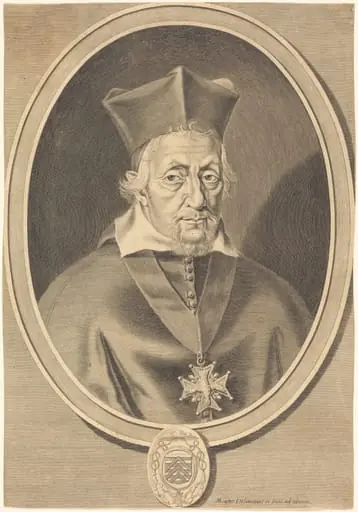 François La Rochefoucauld
 Albert of Austria, Archduke
 Nicolas de Blampignon
 Thomas Wolsey, Cardinal, Lord Chancellor, Archbishop of York
 Robert Eglesfield, Founder of Queen's College, Oxford
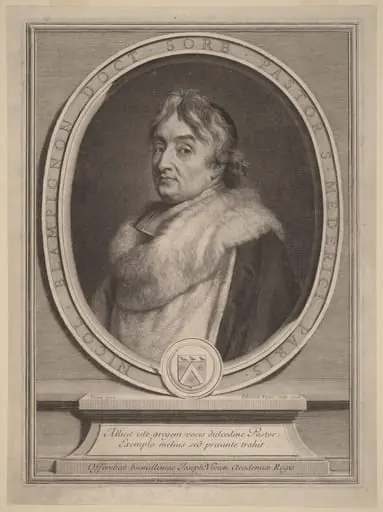 Nicolas de Blampignon