Artwork
Cap de fetiță
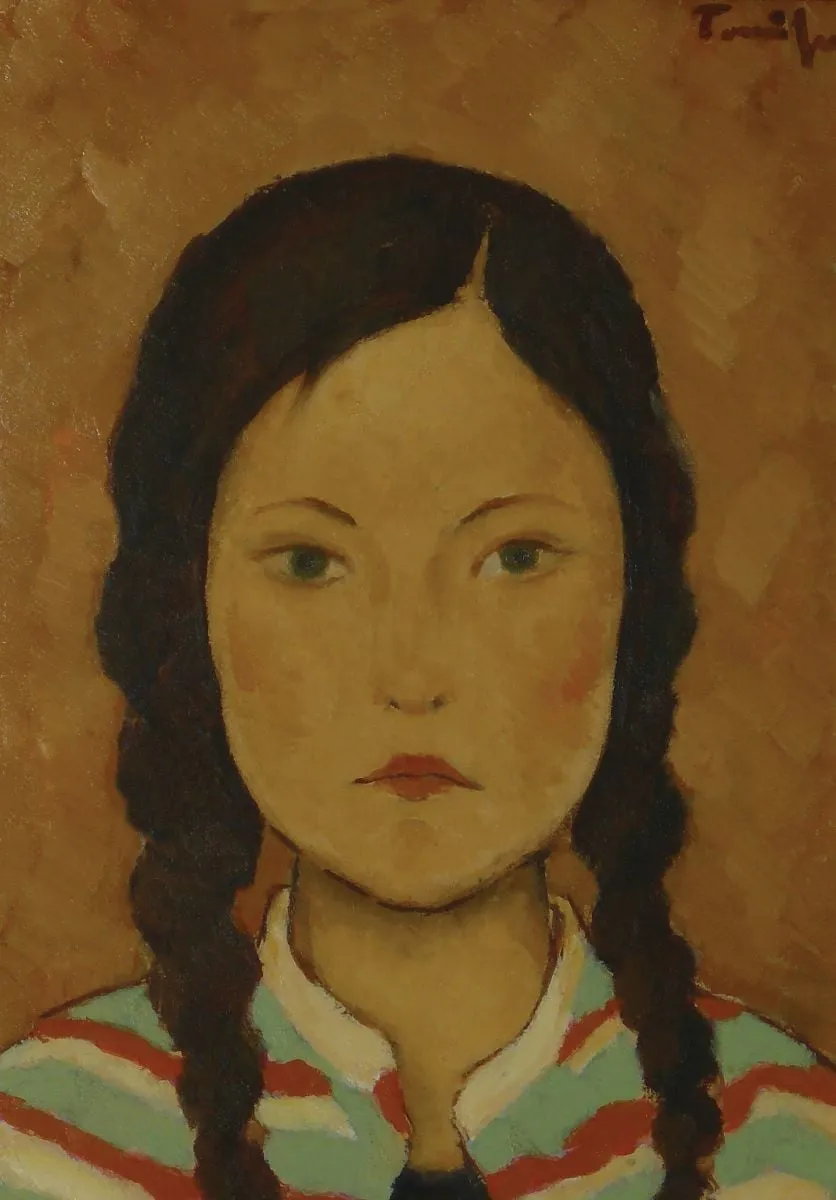
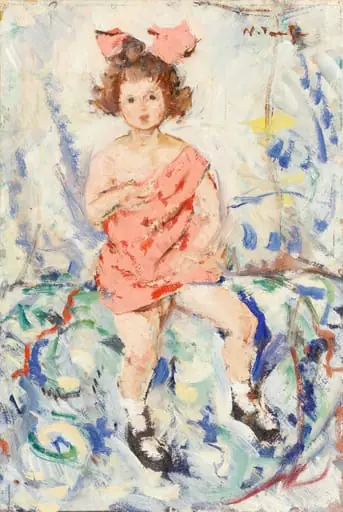
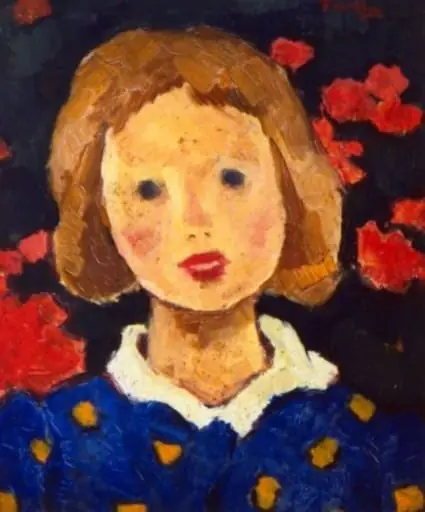
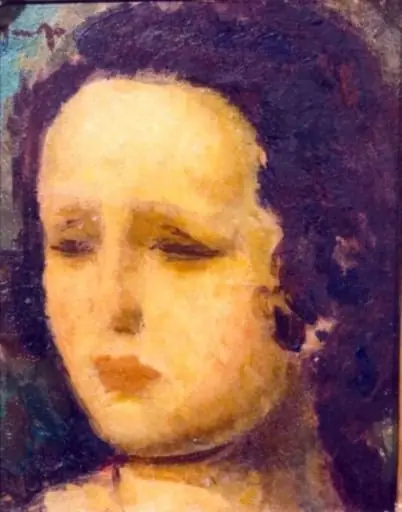
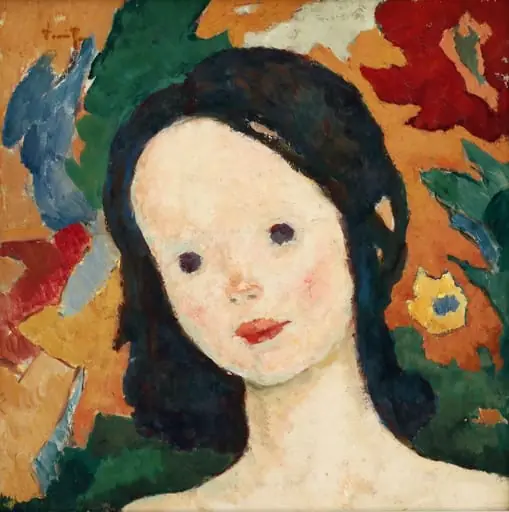
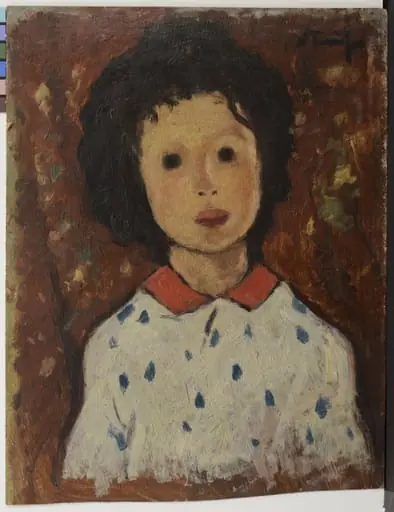
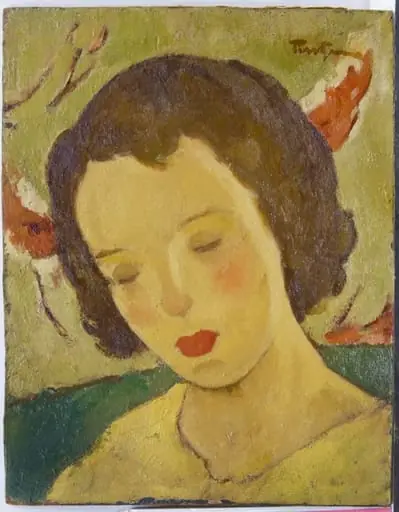
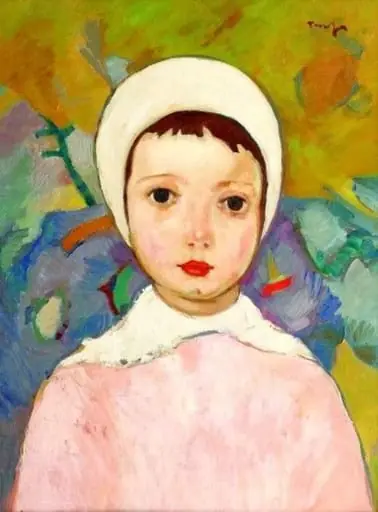
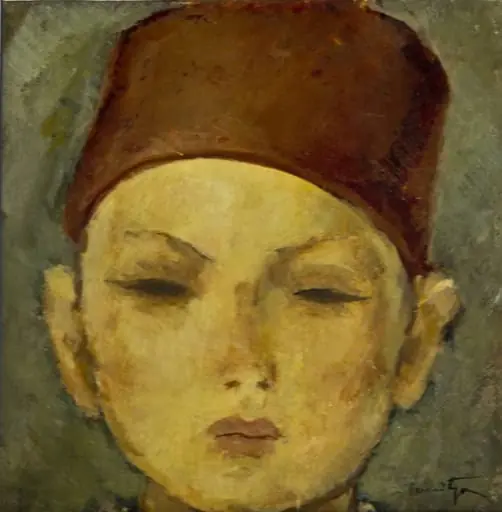
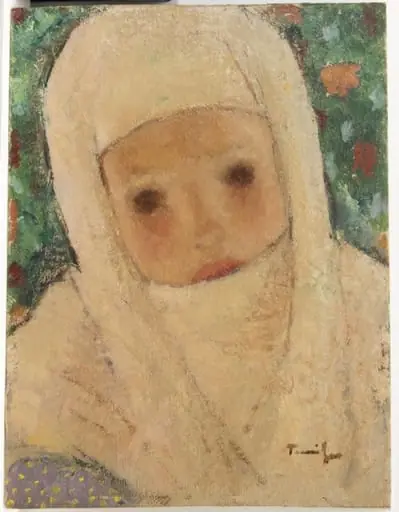
Cap de fetiță is an unspecified painting by Nicolae Tonitza. It is held in the collection of the Art museum of Craiova. This portrait depicts a young person with dark, braided hair pulled tightly back, wearing a striped shirt in green, white, and red.
About this work
Overview
The artist applied paint thickly, particularly along the hair and fabric, creating a tactile surface that emphasizes form over detail.
This portrait depicts a young person with dark, braided hair pulled tightly back, wearing a striped shirt in green, white, and red. The background is a muted earth tone, allowing the figure to stand out with minimal distraction. The artist applied paint thickly, particularly along the hair and fabric, creating a tactile surface that emphasizes form over detail. The overall effect is direct and unadorned, focusing attention on the subject’s presence.
Subject & Meaning
The subject’s identity remains unspecified, but their calm, serious expression suggests introspection rather than performance. The absence of context or symbolic elements shifts focus to the individual’s quiet dignity. The striped shirt may reference common clothing of the time, grounding the figure in everyday life rather than idealized portraiture. The neutrality of the gaze invites contemplation without narrative imposition.
Technique & Style
Thick, deliberate brushstrokes define the hair and clothing, employing impasto to build texture and volume. Facial features are rendered with simplified, bold lines, avoiding fine detail in favor of structural clarity. The palette is restrained, limited to the shirt’s primary colors and the warm brown background. This approach prioritizes physical presence over realism, aligning with a modernist tendency to reduce form to its essential elements.
History & Provenance
The painting’s origin and early ownership are undocumented. It is cataloged as an image without a known artist or date, suggesting it may have been created outside established academic traditions. Its survival as a standalone work implies it was preserved for personal or local reasons rather than institutional acclaim. No exhibition history or collector records are available to trace its path.
Context
The use of bold brushwork and simplified form aligns with early 20th-century shifts away from academic realism, particularly in regional or non-institutional art practices. The striped shirt reflects common attire in rural or working-class communities, hinting at the subject’s social environment. The lack of background detail and symbolic elements reflects a move toward psychological immediacy over narrative convention.
Legacy
Though not widely exhibited or studied, the work contributes to a broader corpus of unattributed portraits that capture everyday subjects with emotional restraint. Its technique anticipates later modernist experiments in materiality and form. As a preserved fragment of anonymous artistic practice, it offers insight into how portraiture functioned beyond official art circles.
Artist & collection
Artist
Nicolae Tonitza painted quiet still lifes and village scenes, often showing colorful vegetables on a table or blooming flowers in simple pots.