Artwork
Herodiada (Salomea cu capul lui Ioan Botezătorul)
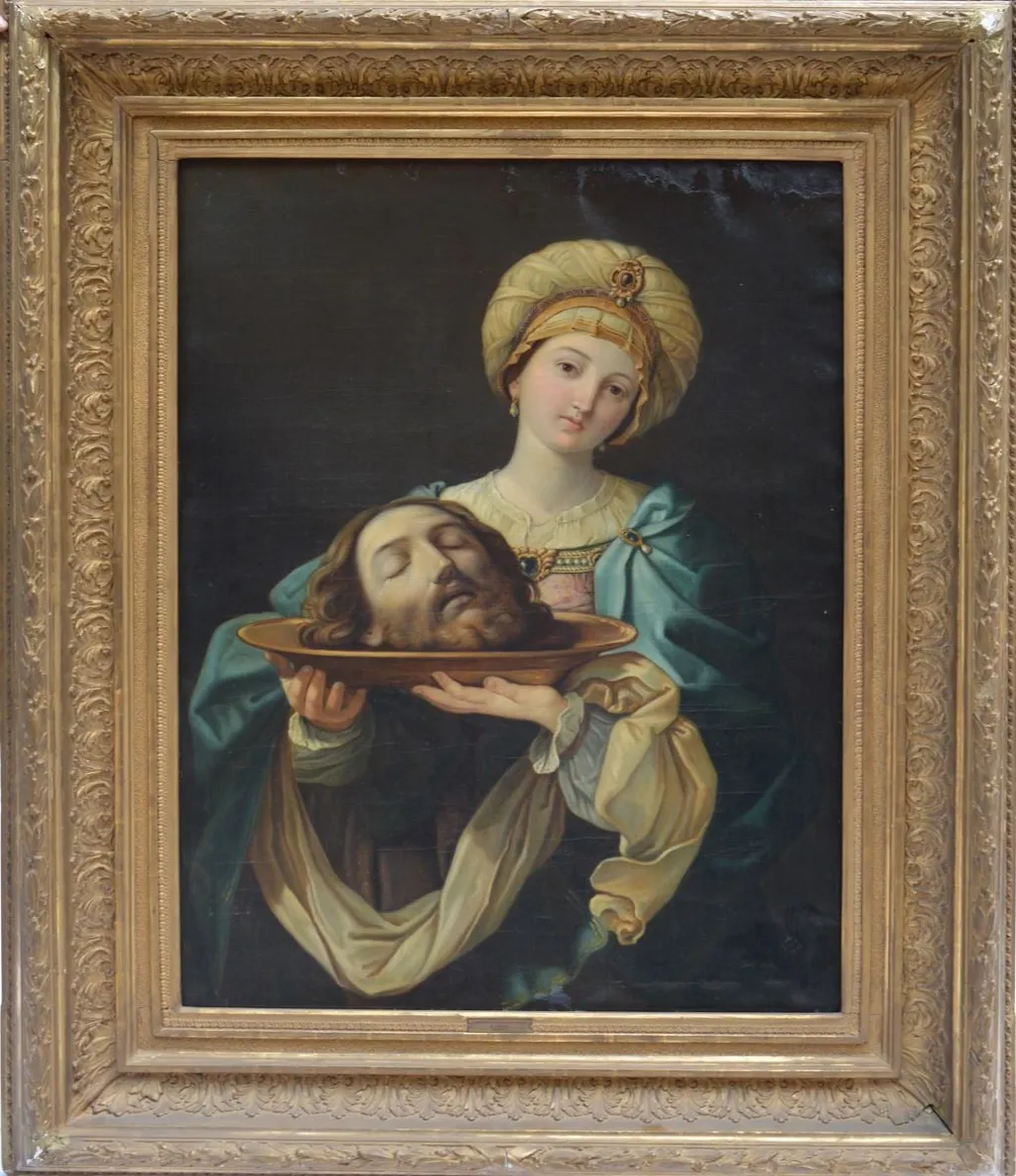
Herodiada (Salomea cu capul lui Ioan Botezătorul) is an unspecified painting by the Baroque artist Constantin Lecca. It dates from 1850 and is held in the collection of the Bucharest Municipality Museum.
About this work
Overview
Constantin Lecca’s oil painting, titled Herodiada (Salomea cu capul lui Ioan Botezătorul), dates from around 1850 and is part of the collection of the Museum of Ethnography. The work depicts a solitary female figure in an elaborate blue‑gold costume, holding a metal tray that bears a severed head. The composition is set against a dark, undefined background that isolates the central figures.
Subject & Meaning
The scene illustrates the biblical episode in which Salome presents the head of John the Baptist to Herod. Lecca portrays Salome with a composed, almost detached expression, emphasizing the ritualistic aspect of the act rather than overt emotional drama. The calm demeanor may suggest a commentary on the interplay of power, obedience, and the ceremonial nature of the event.
Technique & Style
Lecca employs a pronounced chiaroscuro, using strong contrasts of light and shadow to model the figure’s drapery and the metallic tray.
Lecca employs a pronounced chiaroscuro, using strong contrasts of light and shadow to model the figure’s drapery and the metallic tray. The luminous blues and golds of the dress are rendered with fine brushwork, while the dark backdrop absorbs ambient light, heightening the visual impact of the illuminated elements. The pose is formal, reminiscent of portrait conventions of the mid‑nineteenth century.
History & Provenance
Created circa 1850, the painting entered the Museum of Ethnography’s holdings at an unspecified date, where it remains on display. Its attribution to Lecca is based on stylistic analysis and archival records linking the artist to religious and historical subjects during this period of Romanian art.
Context
Lecca worked during a time when Romanian artists were integrating Western academic techniques with local narrative themes. Herodiada reflects the broader 19th‑century interest in biblical and historical subjects, serving both as a moral illustration and as a vehicle for showcasing technical skill within the emerging national artistic identity.
Artist & collection
Artist
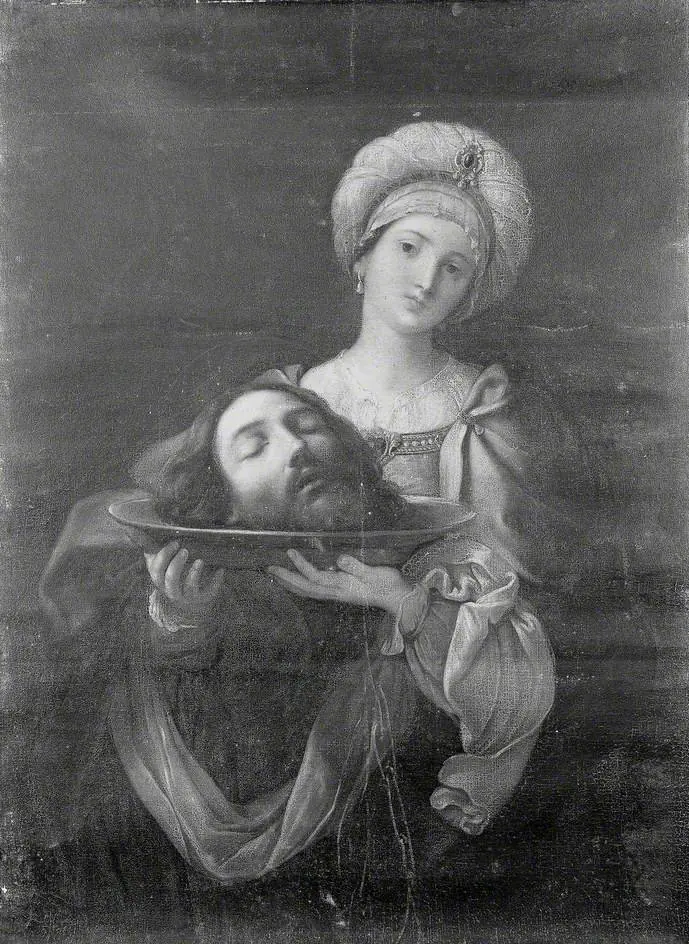 Salome with the Head of St John the Baptist
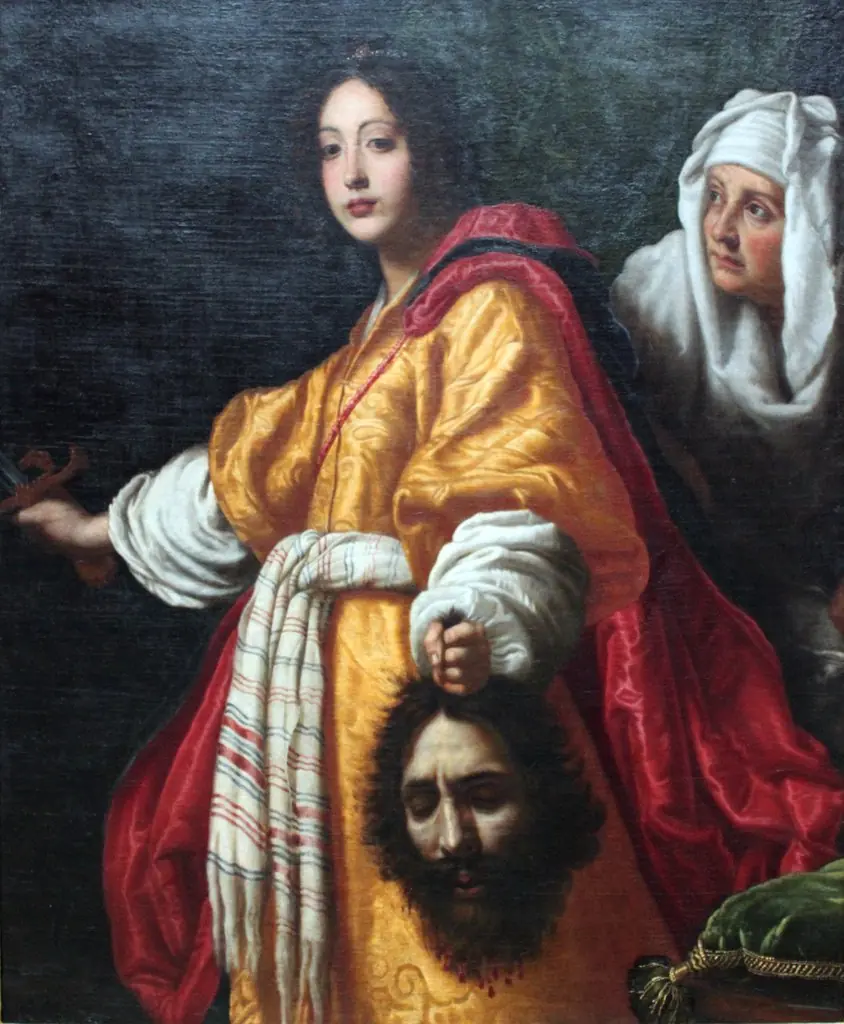 Judith with the Head of Holophernes
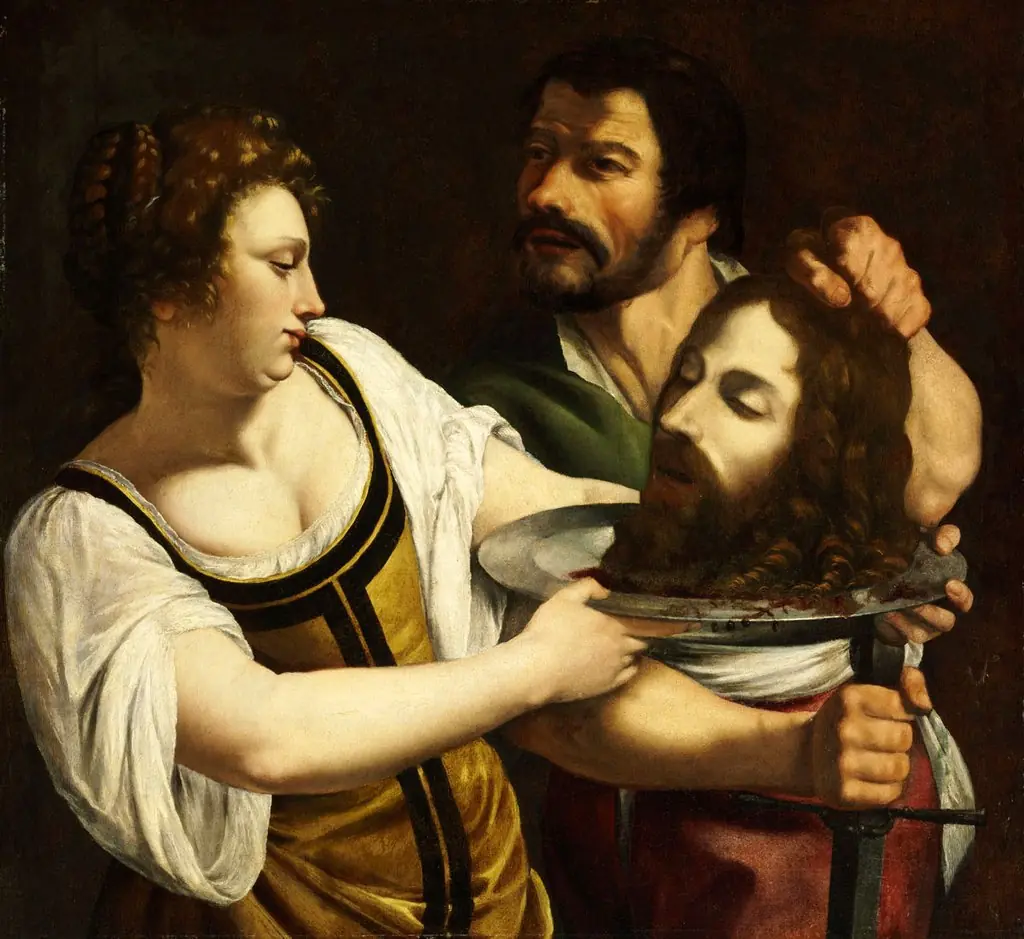 Salome with the Head of Saint John the Baptist
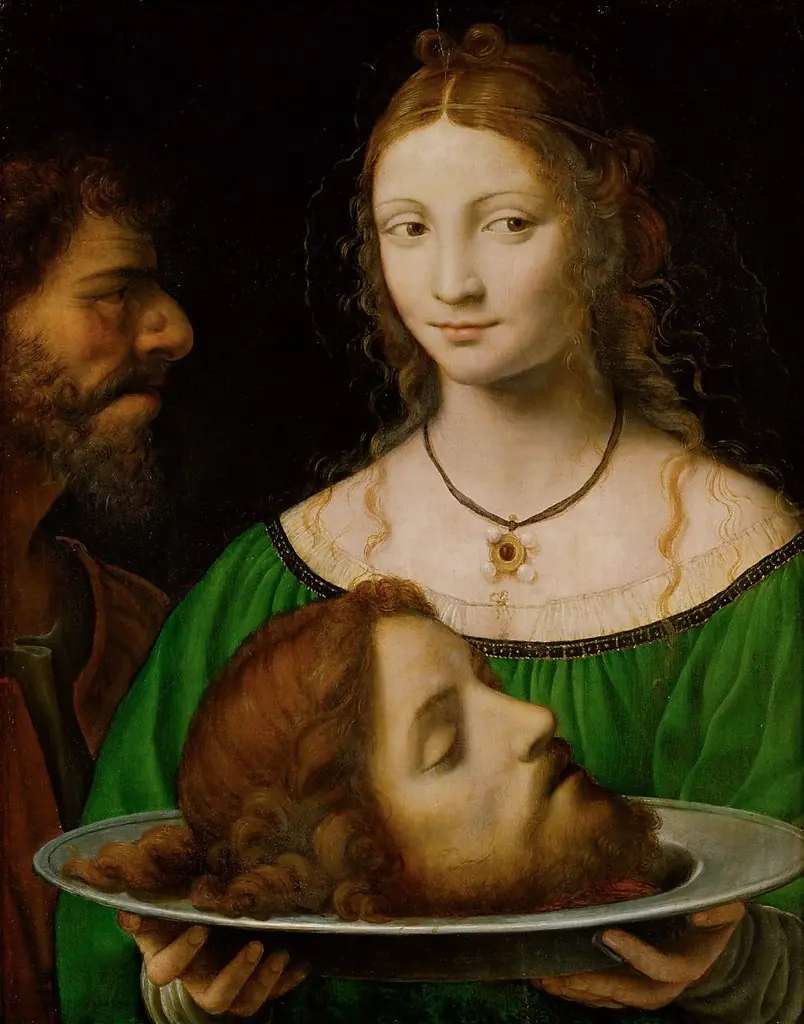 Salome with the Head of John the Baptist
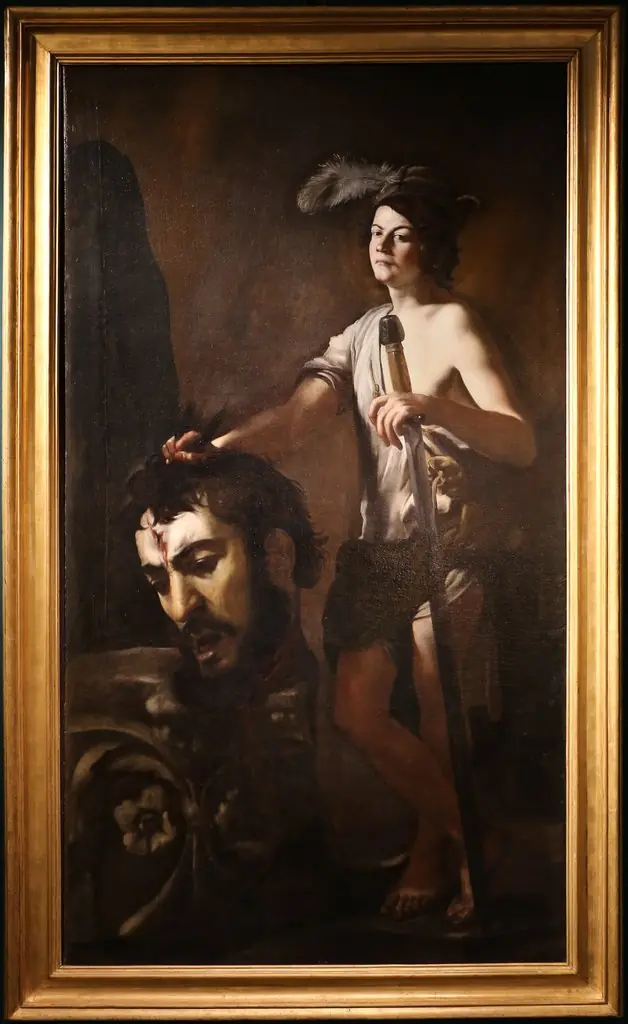 David with Goliath's head
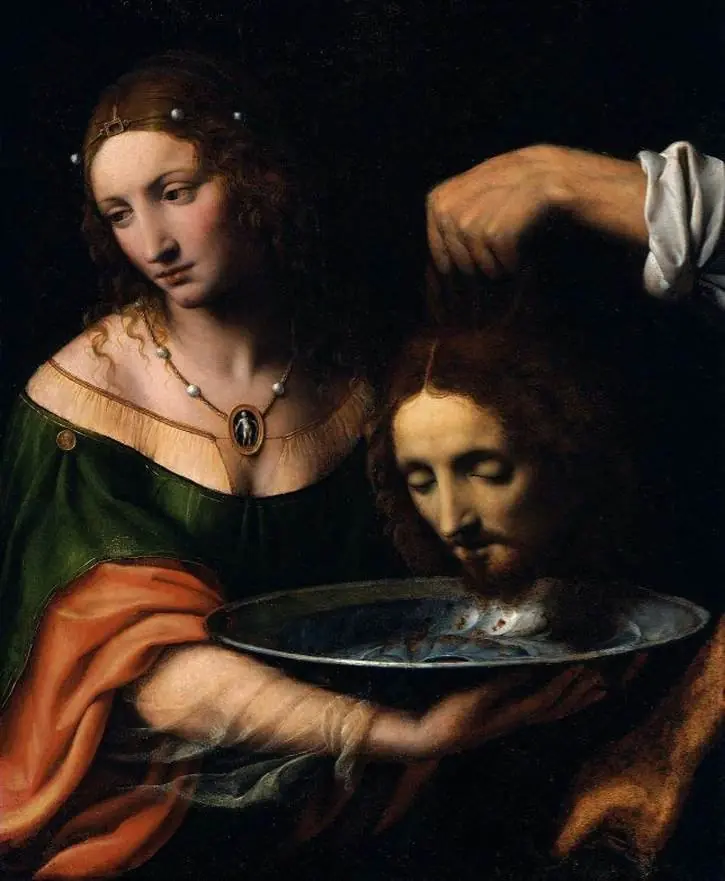 Salome with the Head of Saint John the Baptist
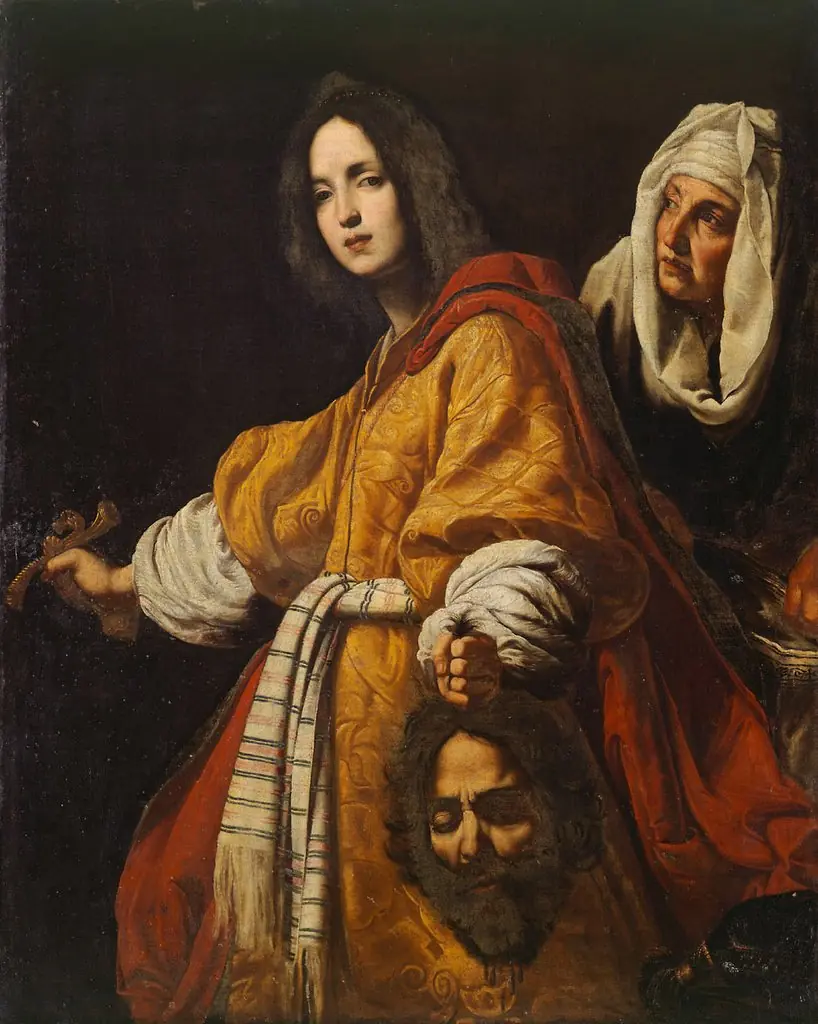 Judith with the head of Holofernes
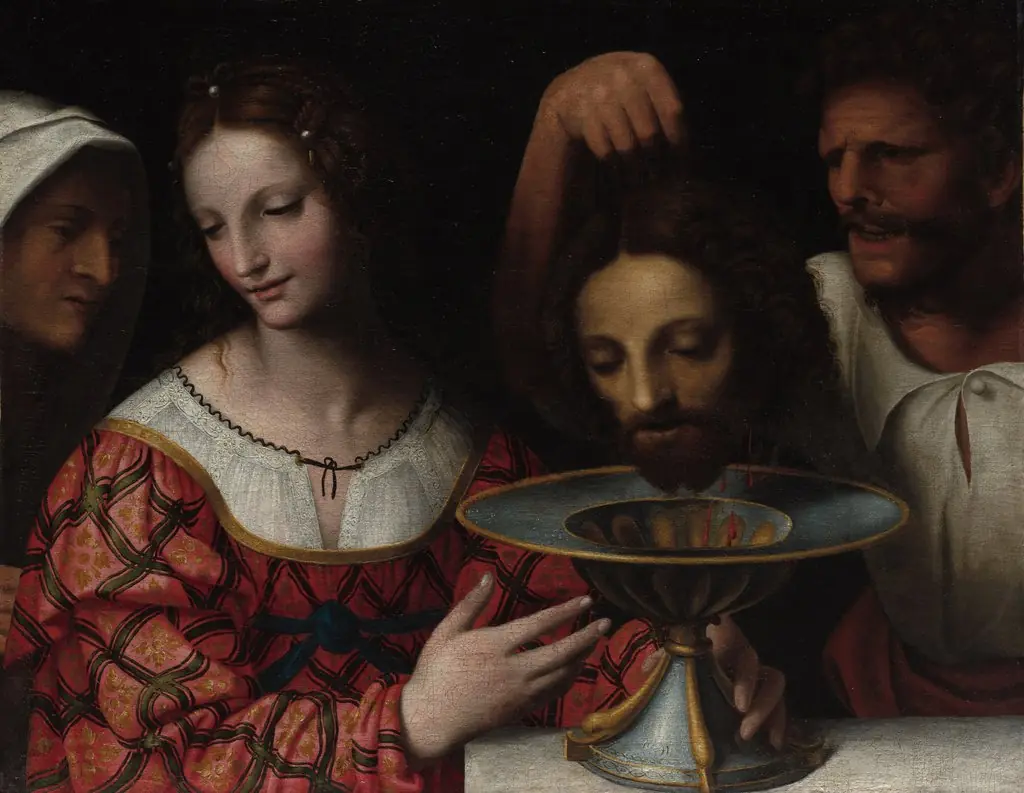 Salome with the Head of Saint John the Baptist
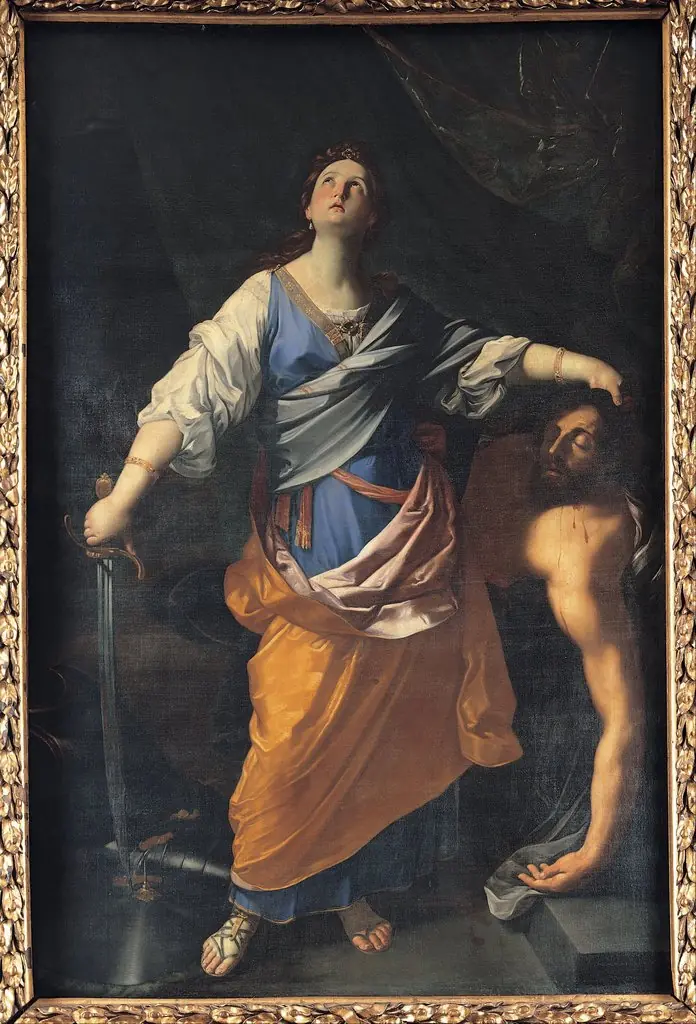 Judith
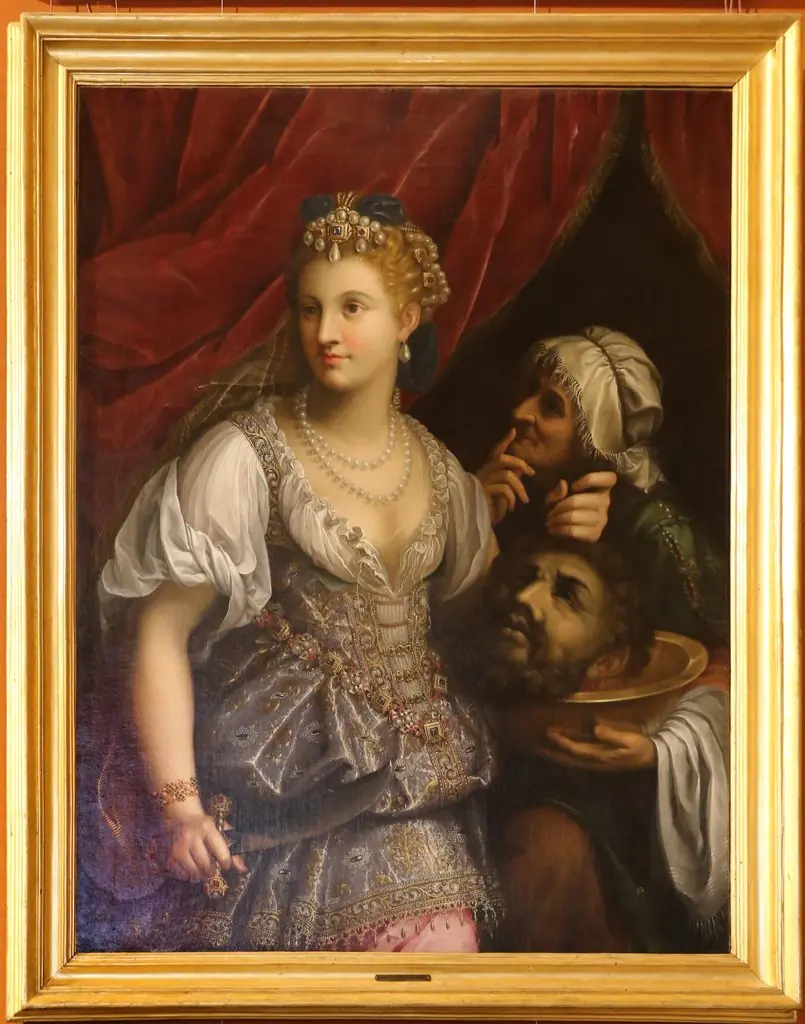 Judith with the Head of Holofernes
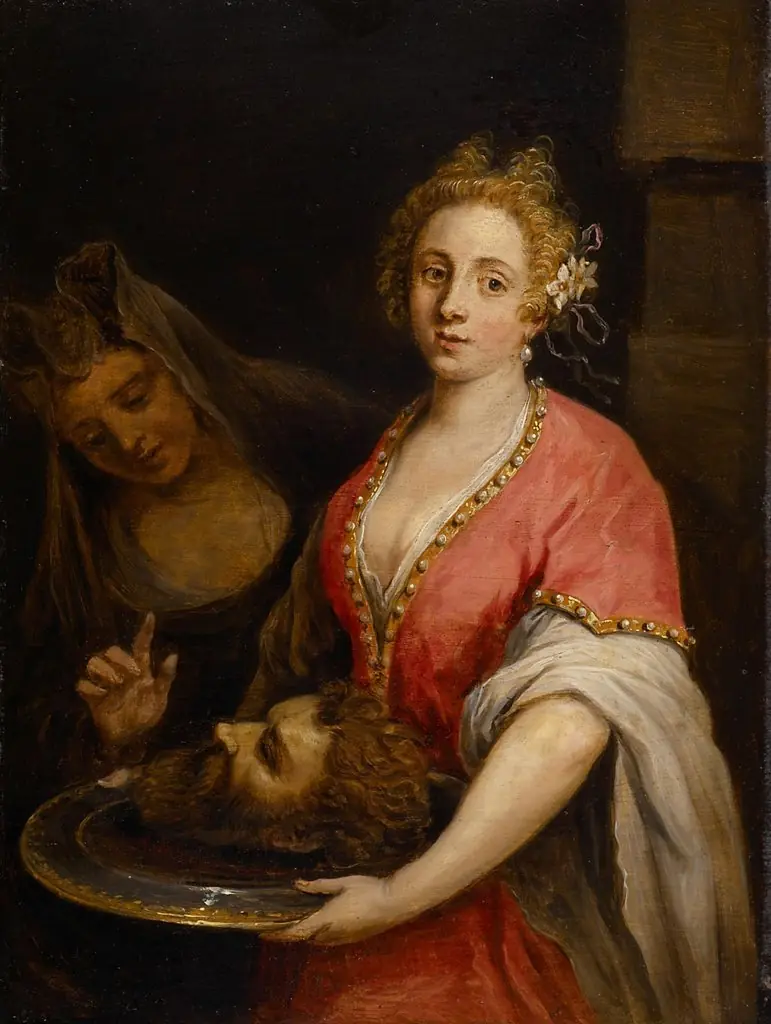 Salome with the Head of John the Baptist
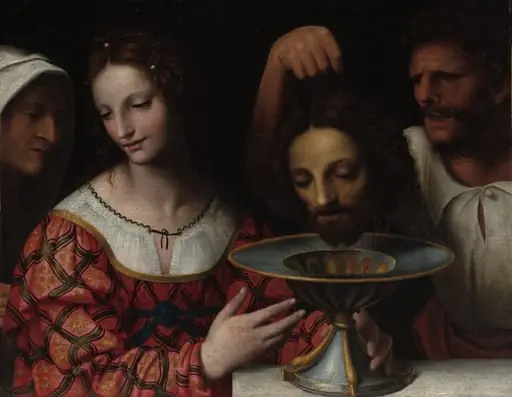 Salome with the Head of Saint John the Baptist