Artwork
Panahida de la Războieni
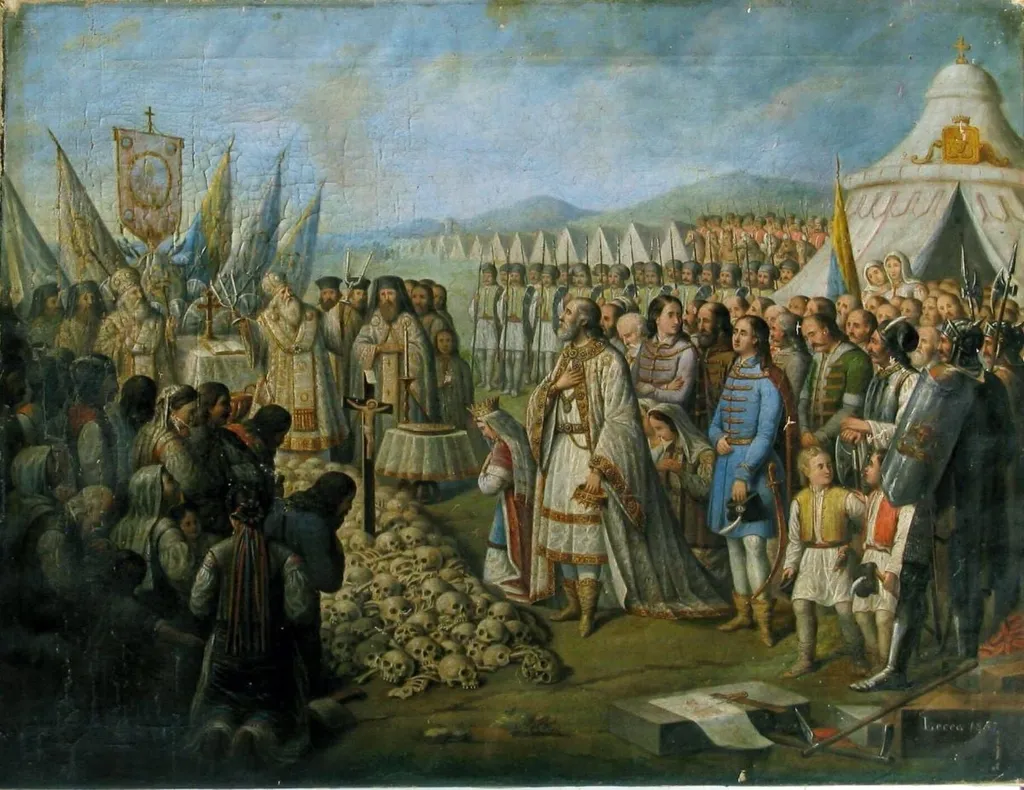
Panahida de la Războieni is an unspecified painting by the Byzantine icon painting artist Constantin Lecca. It dates from 1857 and is held in the collection of the Moldova National Museum Complex.
About this work
Overview
Constantin Lecca’s 1857 canvas titled “Panahida de la Războieni” portrays a solemn outdoor assembly. A diverse crowd of men, women and children stands beneath a blue sky, the distant mountains framing the scene. Central to the composition is a group gathered around a heap of skulls and bones, while a figure in a white robe raises a staff toward the heavens.
Subject & Meaning
The work juxtaposes life and death, using the skeletal pile as a stark reminder of mortality amid a communal gathering. The white‑robed man, elevated by his staff, suggests a ritual or prayerful gesture, perhaps invoking protection or remembrance for those lost, while the surrounding figures in traditional dress underscore a collective cultural identity.
Technique & Style
Lecca employs a realistic rendering of figures and landscape, with careful attention to the textures of clothing and the stark contrast between the pale bones and the vivid colors of the crowd’s garments. The composition balances foreground detail with a receding background, using a cool sky and muted mountain tones to reinforce the painting’s somber mood.
History & Provenance
Created in the mid‑nineteenth century, the painting entered the collection of the Museum of Ethnography, where it remains on display. Its acquisition reflects the institution’s focus on works that document Romanian folk customs and historical narratives.
Context
The piece emerges from a period of heightened national consciousness in Romania, when artists often depicted traditional attire and communal rites. Lecca’s choice of a funerary motif aligns with contemporary interests in memorializing past conflicts and the resilience of rural communities.
Artist & collection
Artist
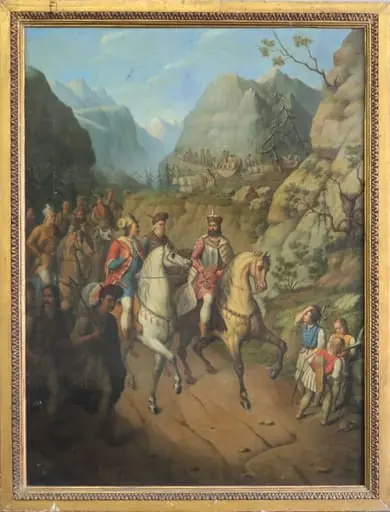
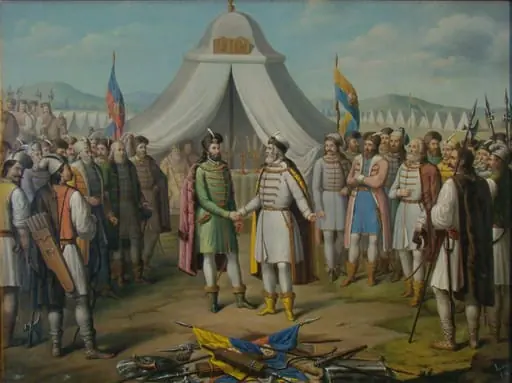 Întâlnirea dintre Bogdan Cel Orb și Radu Cel Mare
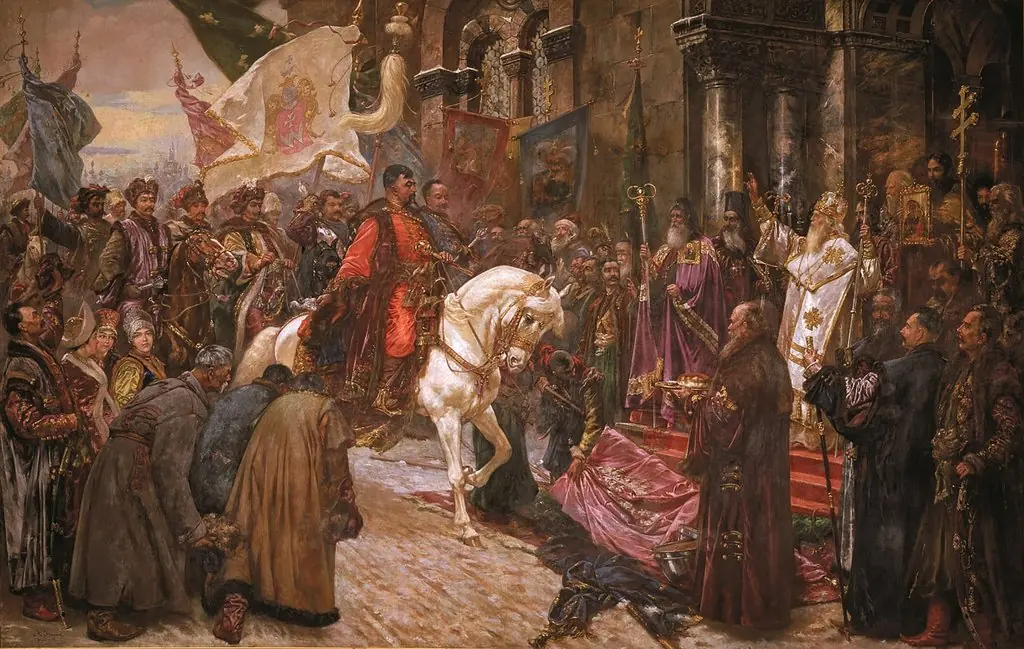 В'їзд Богдана Хмельницького до Києва 1649 року
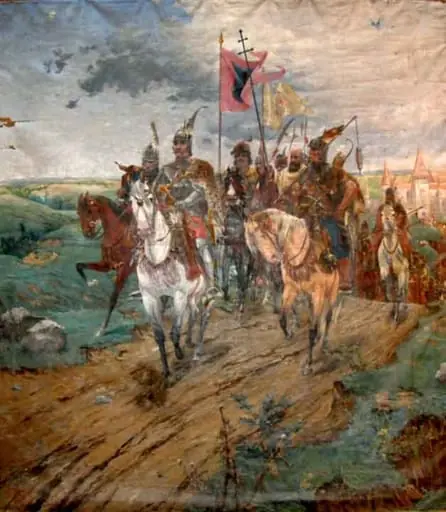 Iancu de Hunedoara
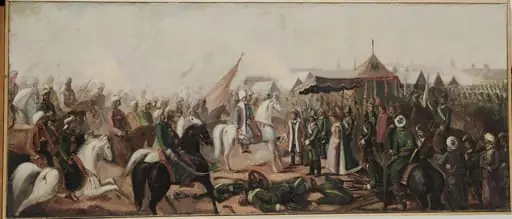 Συνθηκολόγηση Ρώσων και Τουρκών στον Ποταμό Προύθο το 1771
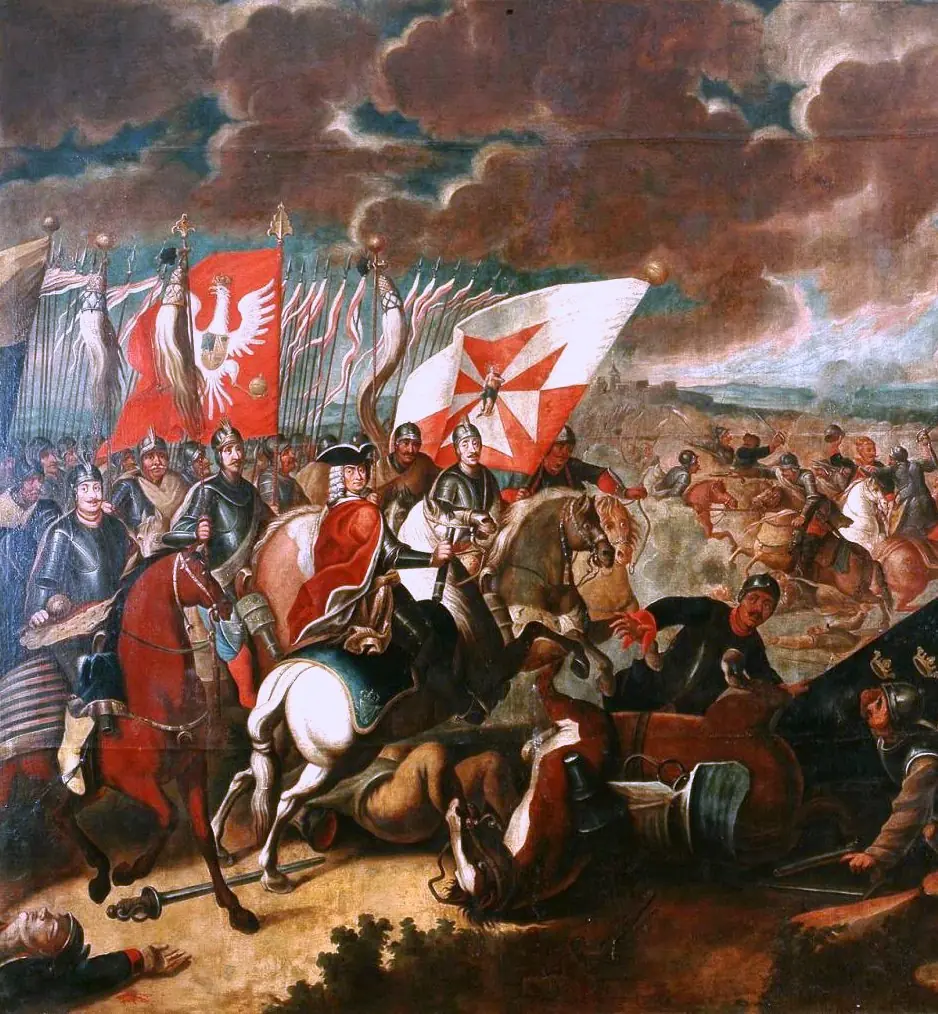 Battle of Kalisz
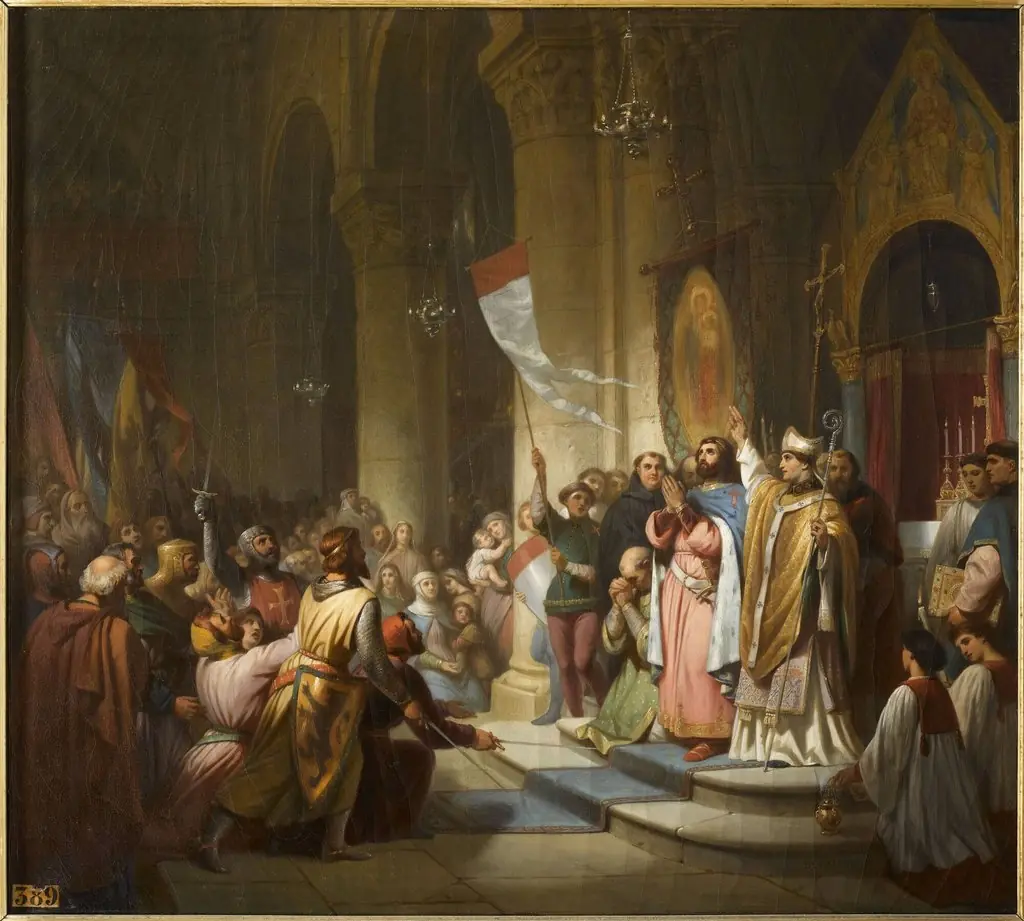 Election of Boniface of Montferrat as leader of the Fourth Crusade.
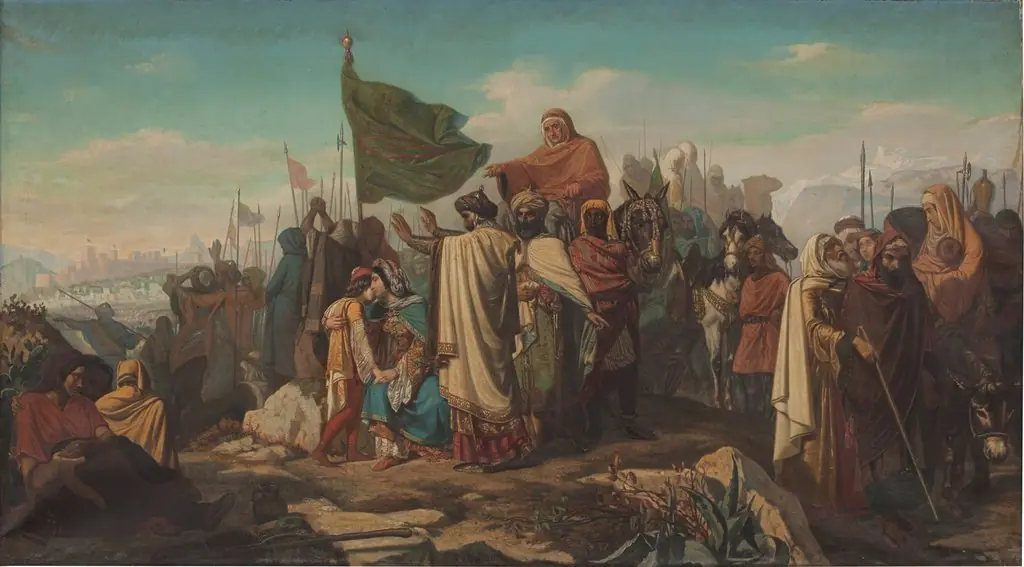 The sigh of the Moor
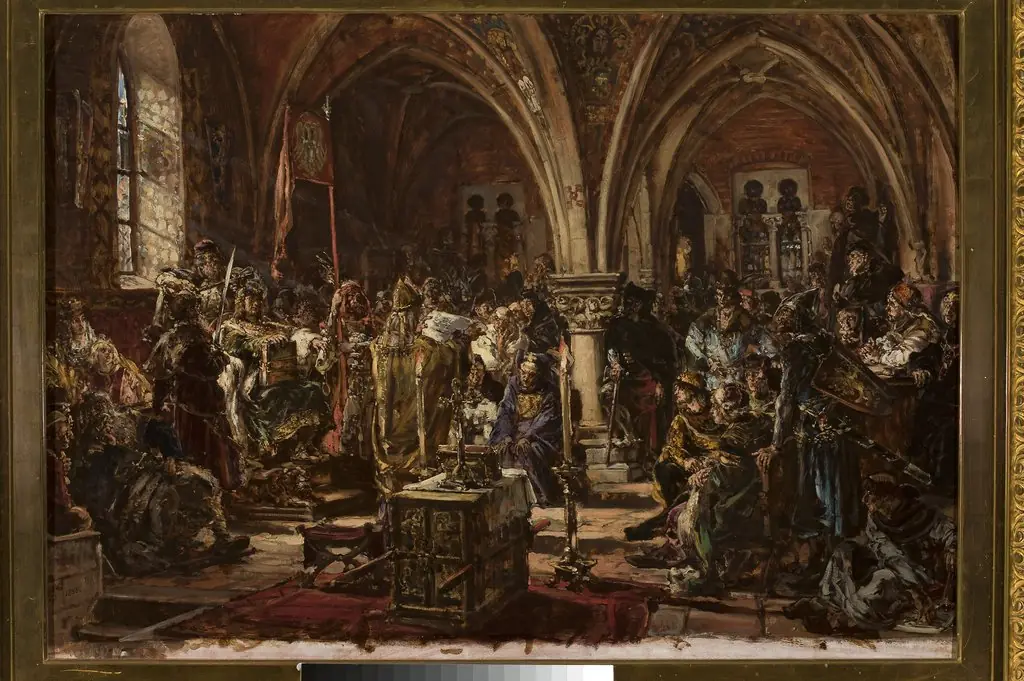 The First Parliament in Łęczyca, from the series “History of Civilization in Poland”
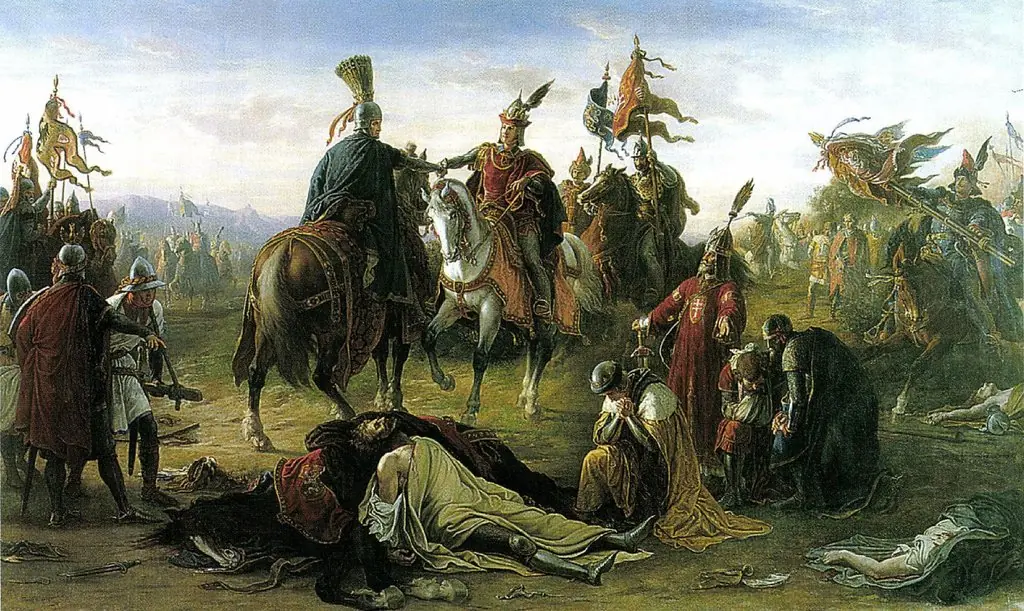 The Meeting of King Ladislas IV and Rudolph of Habsburg on the Battlefield of Marchfeld
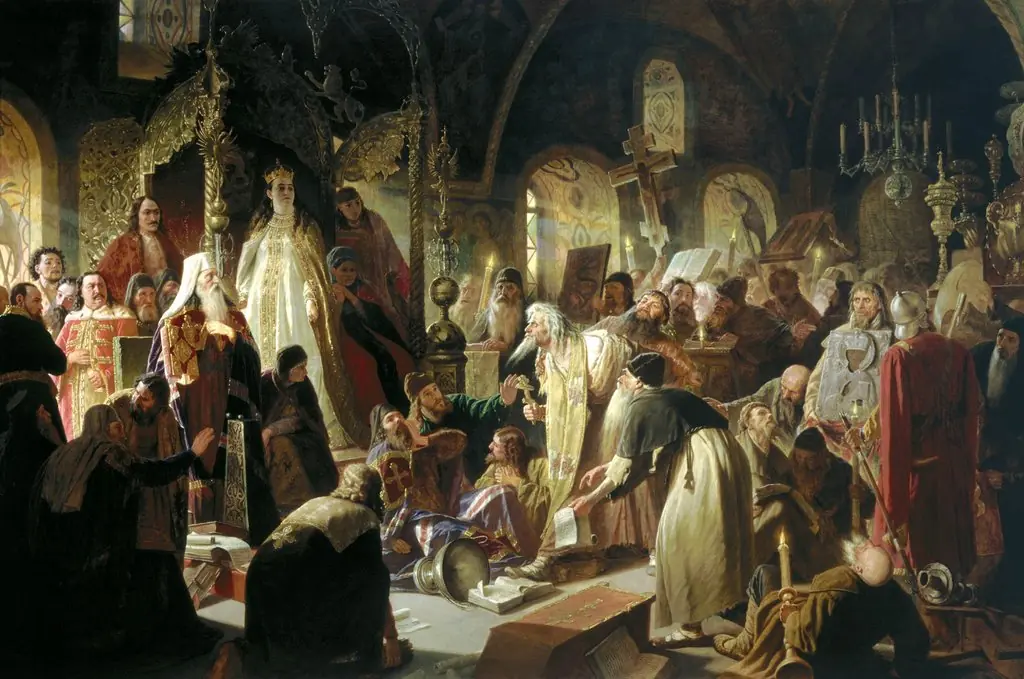 Nikita Pustosvyat. Debate about faith
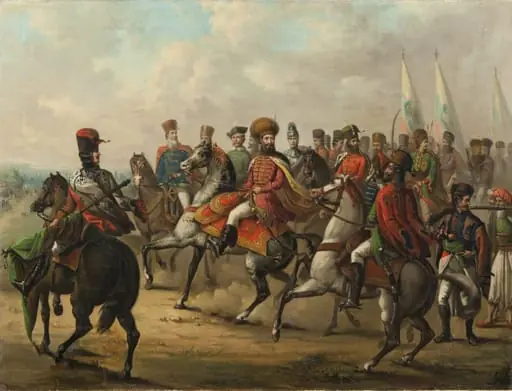 Mihai Viteazul la Călugăreni
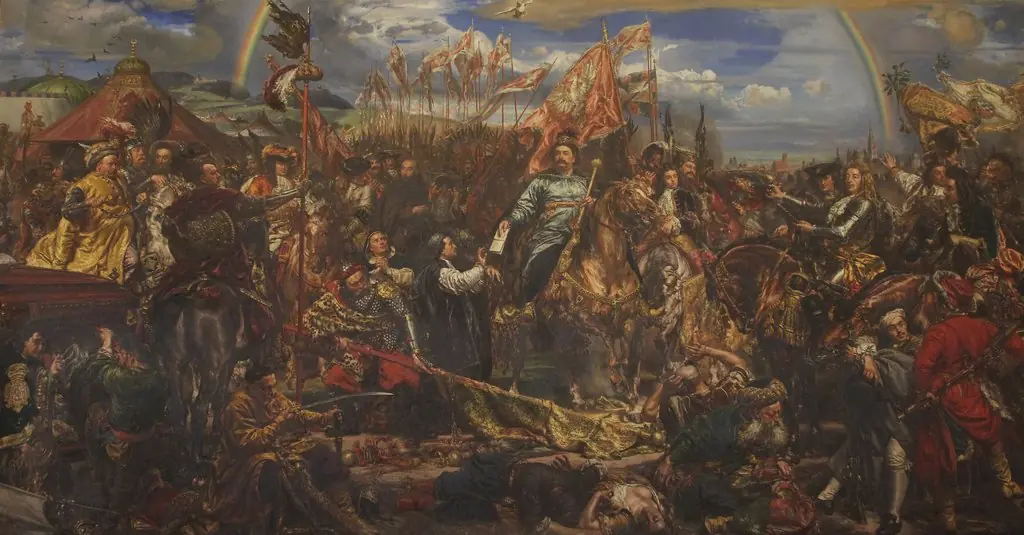 Jan Sobieski at Vienna