Artwork
28 Οκτωβρίου 1940
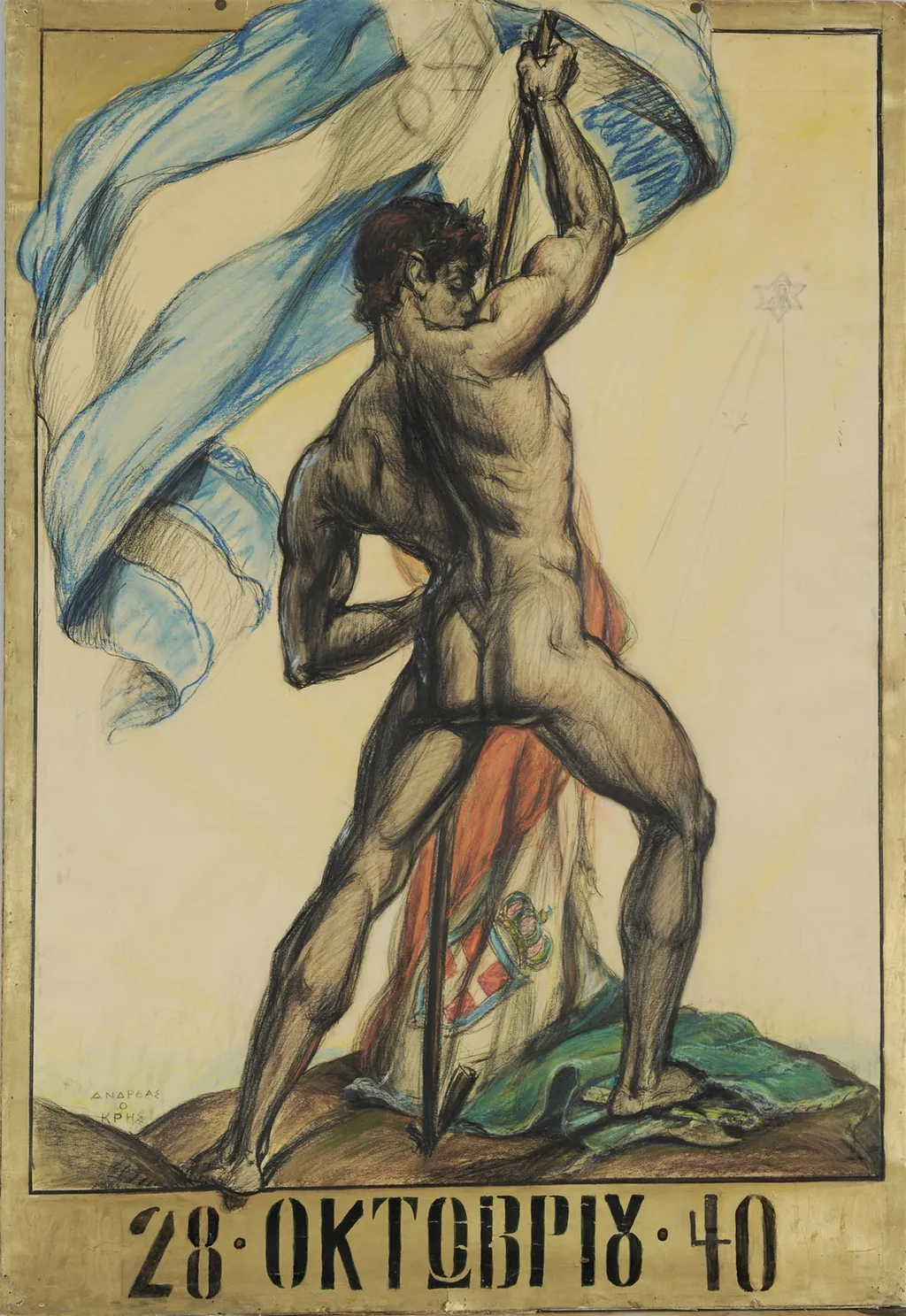
28 Οκτωβρίου 1940 is an unspecified painting by Georgiadis Andreas, o Kris. It is held in the collection of the Historical & Ethnological Society of Greece.
About this work
This painting shows a muscular man standing on a rocky surface, holding a flagpole with a flag that looks like it’s blowing in the wind.
This painting shows a muscular man standing on a rocky surface, holding a flagpole with a flag that looks like it’s blowing in the wind. His body is turned slightly, and he’s wearing a cloth wrapped around his waist. The colors are mostly browns, blues, and reds, with quick, sketchy brushstrokes.
The date "28 Οκτωβρίου 1940" is written at the bottom, which translates to October 28, 1940.
If you like this style, check out the Museum of Ethnography for more works like this.
Overview
28 Οκτωβρίου 1940 is a painting depicting a muscular, partially clad figure standing on a rocky outcrop, holding a flagpole with a billowing flag. Characterized by earthy tones (browns, blues, reds) and expressive, rapid brushwork.
Subject & Meaning
The subject, a strong male figure with a wrapped waist cloth, embodies a sense of resilience or defiance, heightened by the waving flag. The specific meaning is tied to the date in the title, suggesting a reference to a historical event on October 28, 1940.
Technique & Style
The painting features quick, sketchy brushstrokes, indicating a possibly spontaneous or expressive creative process. The color palette is predominantly earthy with accents of blue and red, contributing to a sense of dynamism and simplicity.
History & Provenance
The painting is dated to October 28, 1940, as explicitly stated in the work. However, the artist, the painting's history of ownership, and any notable exhibitions are not provided.
Context
Given the date, the painting may allude to the beginning of the Greco-Italian War (October 28, 1940), potentially symbolizing Greek resistance or national spirit. The thematic and stylistic context suggests an artwork responsive to contemporary political events.
Legacy
Information on the painting's influence, its current location, or its reception over time is not provided, limiting insight into its broader artistic or cultural impact.
Artist & collection
Artist
Museum
Historical & Ethnological Society of Greece
Continue through works from the same source collection.
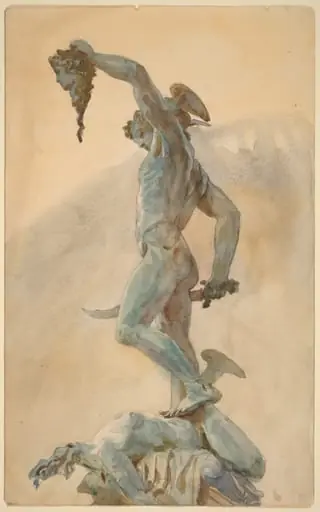 Sketch of Cellini's "Perseus"
 An Ancient Roman Warrior in Battle
![The Archer [L'Arciere], by Adolfo De Carolis](https://artifactworldgallery.com/img/adolfo-de-carolis--the-archer-l-arciere--b650690ed1f11c5e-w320.webp) The Archer [L'Arciere]
The Archer [L'Arciere] Study of Orpheus for "Classic and Romantic Art"
 Mercury
 Untitled
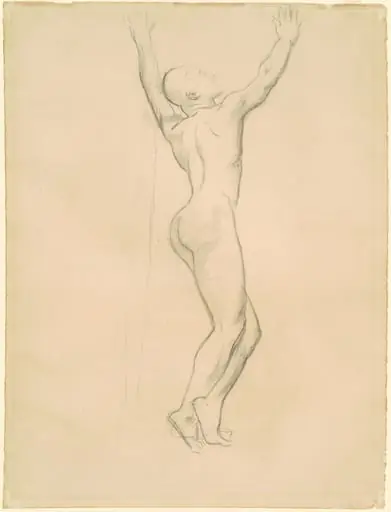 Study for "Apollo and Daphne"
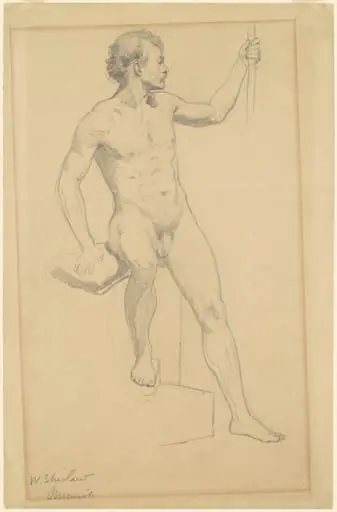 Male Nude
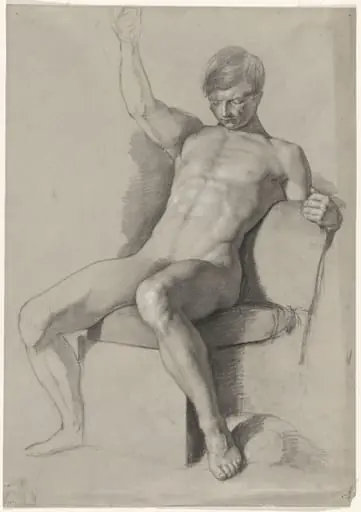 Seated Male Nude with Raised Right Hand
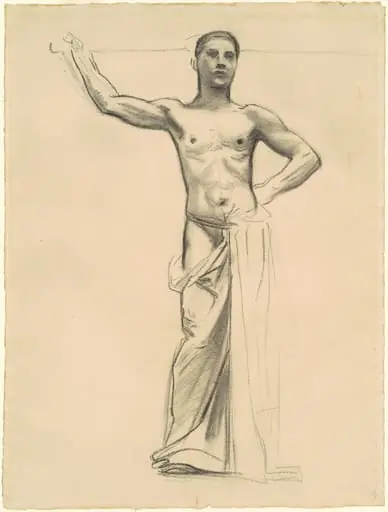 Study of Apollo for "Apollo and the Muses"
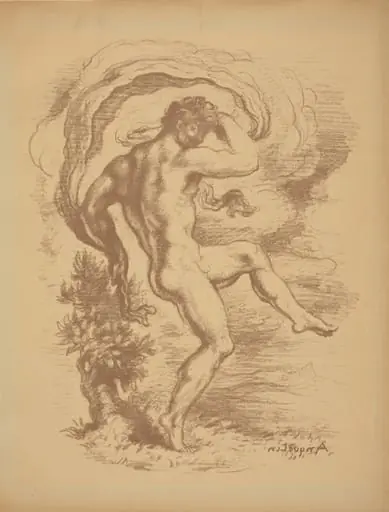 Dancing Nude
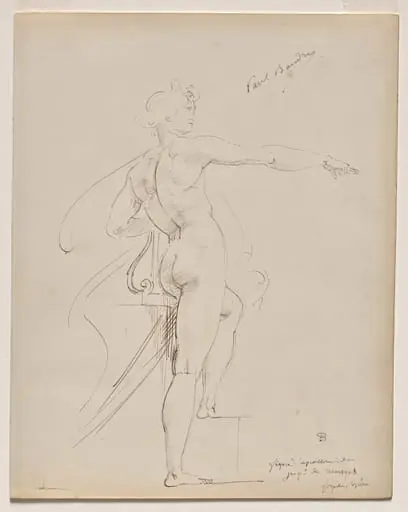 Study of Apollo for Marsyas (recto)