Artwork
Tubéreuse
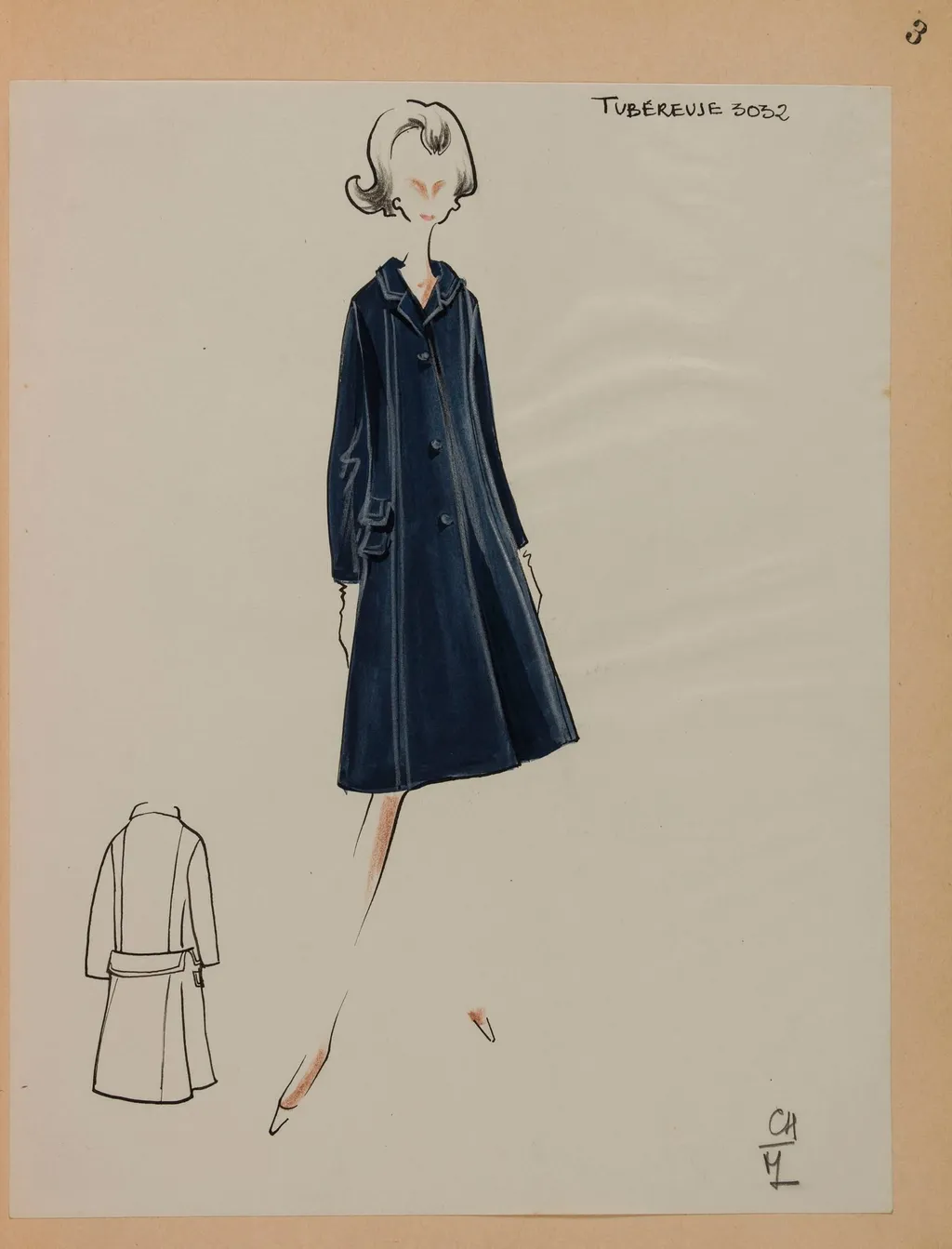
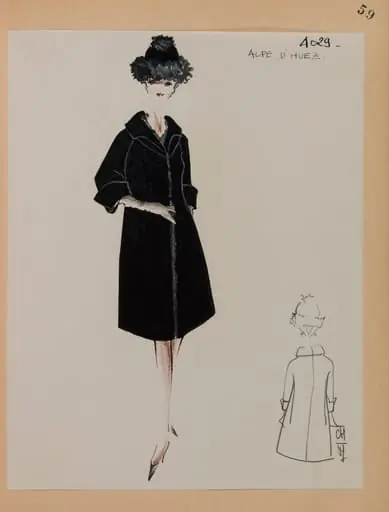
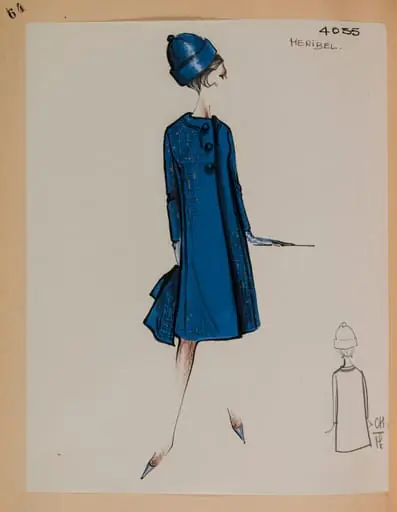
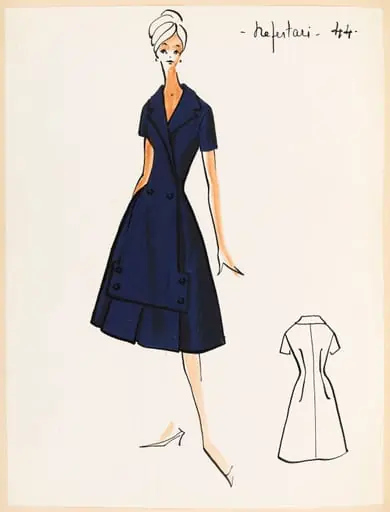
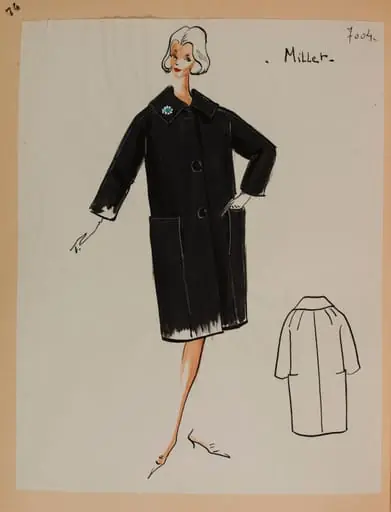
Tubéreuse is a drawing by Marie-Louise Carven. It dates from 1963 and is held in the collection of the Palais Galliera - Musée de la Mode de la Ville de Paris.
About this work
Overview
The work reflects her interest in wearable, understated elegance and was later acquired by the Museum of Ethnography as part of its design archive.
Created around 1963, *Tubéreuse* is a pencil drawing by French designer Marie-Louise Carven. It belongs to a series of fashion sketches produced during her tenure as founder of the Carven label, established in 1945. The work reflects her interest in wearable, understated elegance and was later acquired by the Museum of Ethnography as part of its design archive. The piece is signed with the initials 'Ch,' a known shorthand Carven used on her drawings.
Subject & Meaning
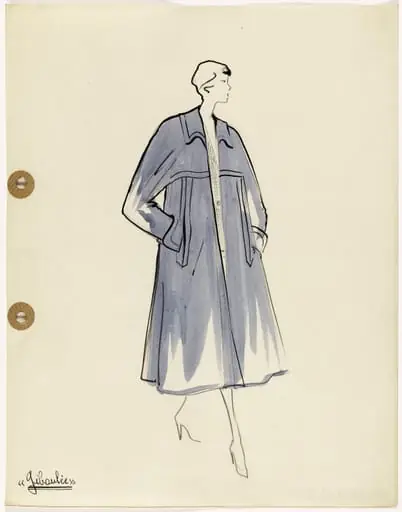
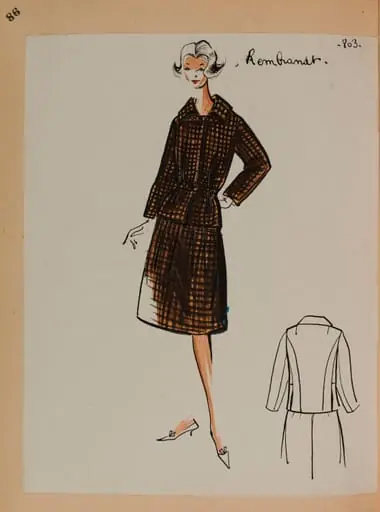
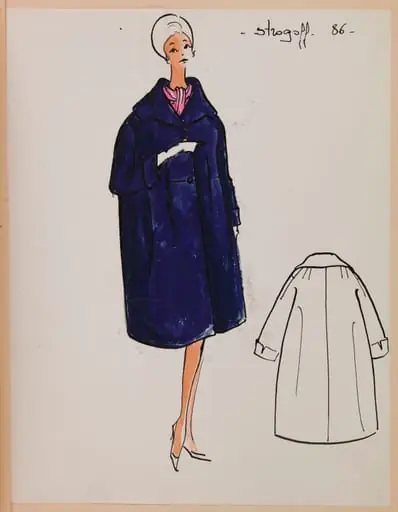
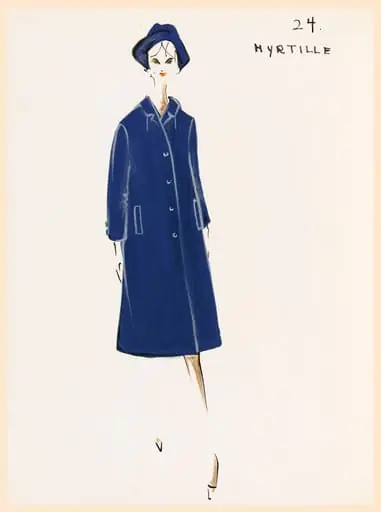
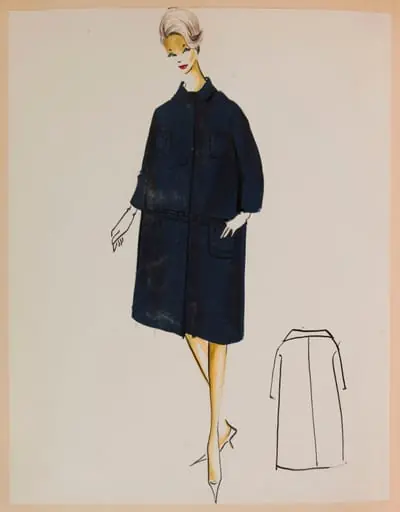
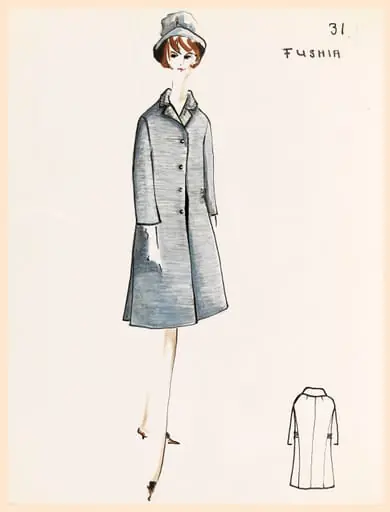
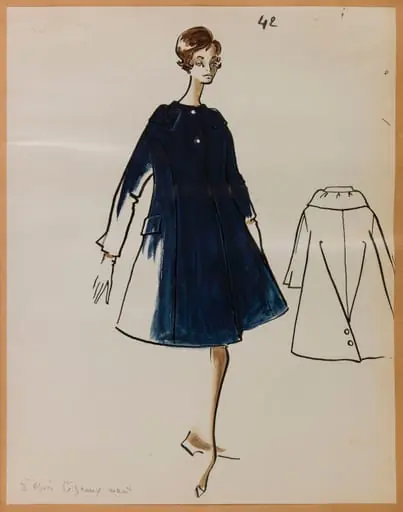
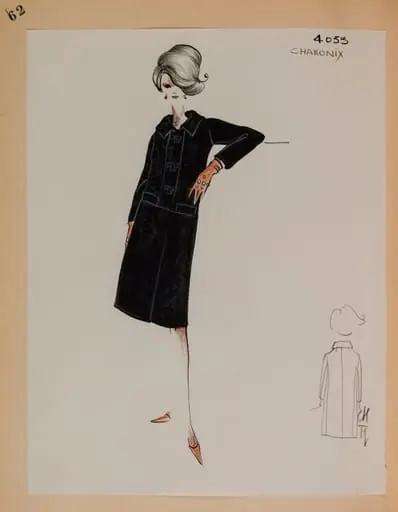
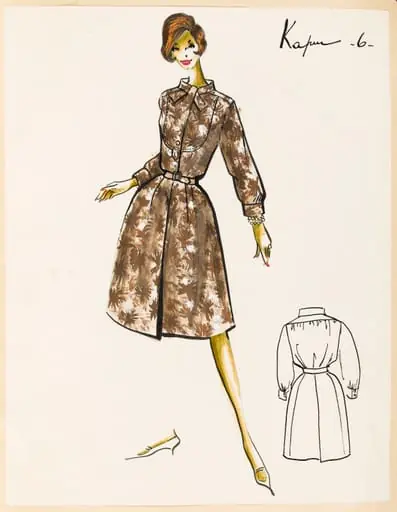
The drawing portrays a woman in a tailored, floor-length coat with pronounced pockets and a defined waistline. The figure stands against a neutral background, emphasizing form over ornamentation. A secondary sketch of the coat’s rear view appears in the corner, suggesting a focus on functional construction. The title, referencing the tuberose flower, may allude to quiet fragrance and subtlety—qualities Carven associated with her designs for the modern, active woman.
Technique & Style
Carven rendered the figure and garment in precise, economical pencil lines, avoiding excessive detail to prioritize silhouette and structure. The coat’s flared hem and angular pockets are defined with clean contours, reflecting her preference for clean lines and practicality. The inclusion of a back-view sketch demonstrates a designer’s analytical approach, treating the garment as both aesthetic object and functional construct. The minimal background directs attention entirely to the clothing’s form.
History & Provenance
The drawing entered the collection of the Museum of Ethnography following Carven’s active years in fashion, likely as part of a broader effort to document mid-century French design. Carven, one of the first Parisian couturiers to launch a ready-to-wear line, produced numerous sketches like this to communicate her vision to ateliers. The work’s preservation underscores its value as a record of postwar French fashion’s shift toward accessibility and everyday wear.
Context
In the early 1960s, Parisian fashion was transitioning from haute couture exclusivity toward more democratic styles. Carven’s designs catered to petite figures and emphasized ease of movement, aligning with changing social norms for women. *Tubéreuse* reflects this moment: its practical coat, devoid of embellishment, speaks to a growing demand for clothing that balanced sophistication with utility, distinct from the more theatrical trends of the era.
Legacy
Though Carven’s name is less prominent today than some contemporaries, her sketches like *Tubéreuse* remain important artifacts of mid-century design philosophy. They illustrate how functionality and restraint could define elegance without relying on luxury materials. The drawing’s presence in a museum of ethnography signals its recognition as a cultural object, documenting not just fashion but the everyday lives of women in postwar Europe.
Artist & collection
Artist
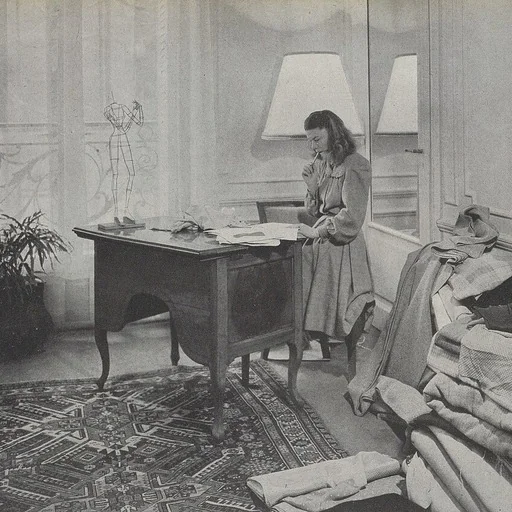
Marie-Louise Carven (31 August 1909 – 8 June 2015), born Carmen de Tommaso, was a French fashion designer who founded the house of Carven in 1945.
Museum
Palais Galliera - Musée de la Mode de la Ville de Paris
Continue through works from the same source collection.
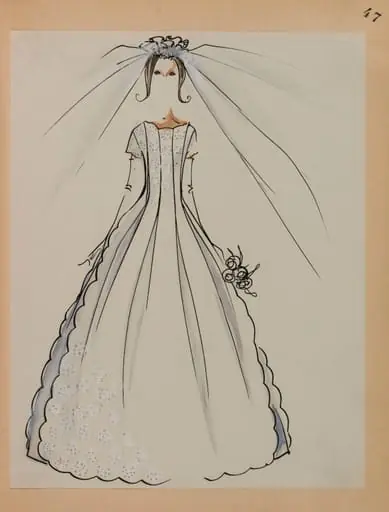 Robe de mariée festonnée et son voile
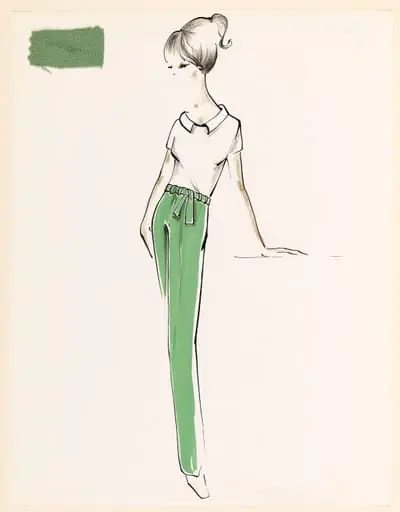 Haut blanc à manches courtes et pantalon vert à ceinture nouée
 Kapur
Kapur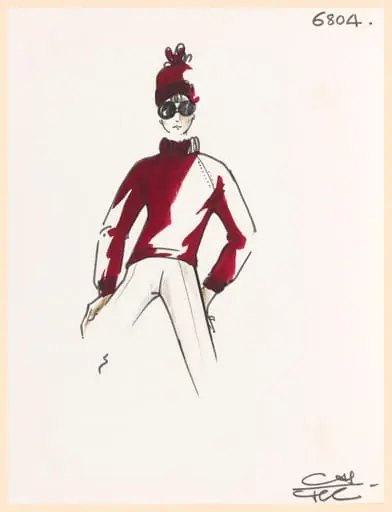 Pull-over à manches longues pourpre, bonnet assorti, pantalon et lunettes de soleil
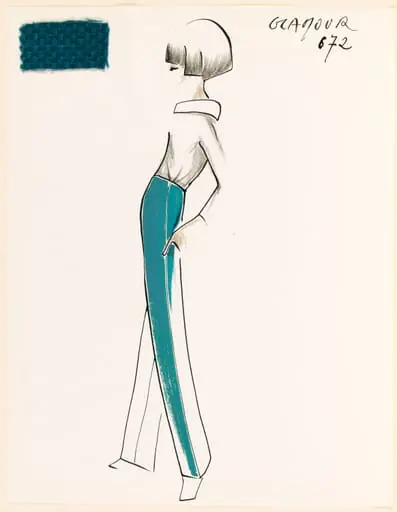 GLAMOUR
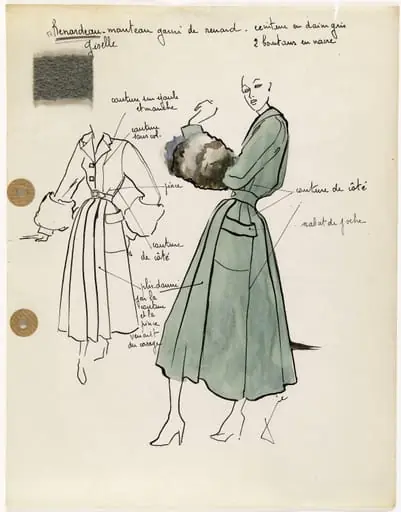 'Renardeau'
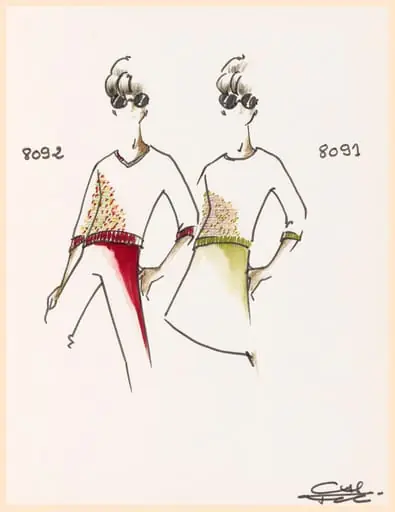 Pull-over à manches trois quarts et à encolure V à motifs multicolores, pantalon cerise et lunettes de soleil
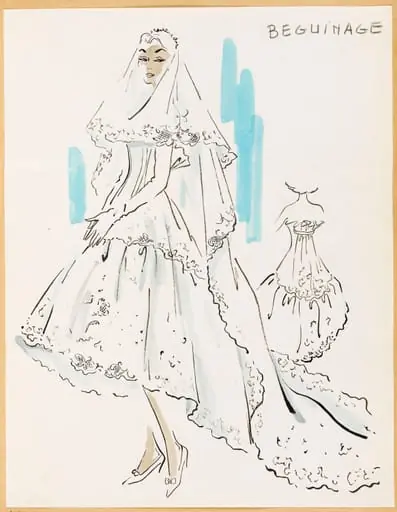 Béguinage