Artwork
Page from Tales of a Parrot (Tuti-nama): text page
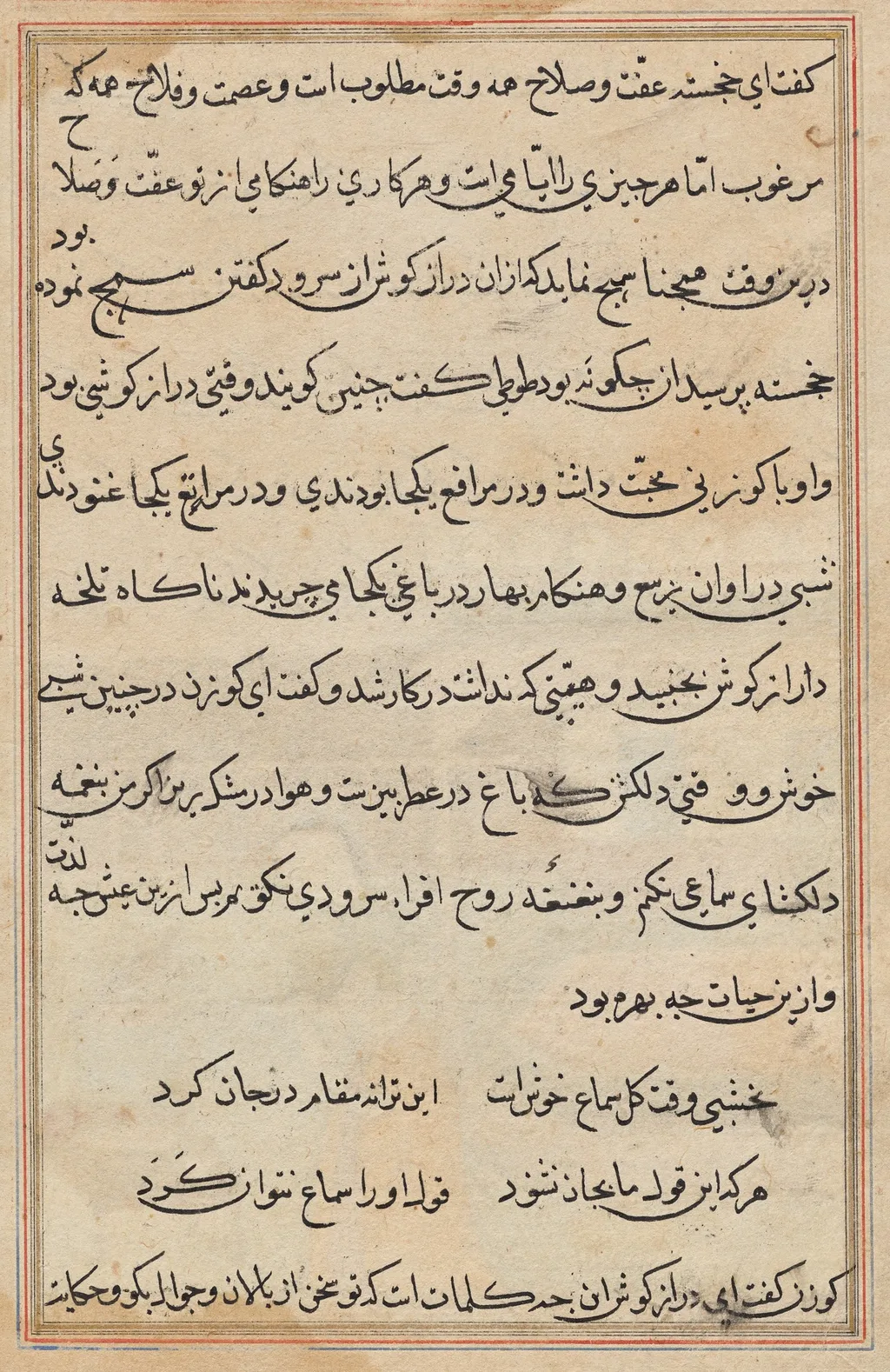
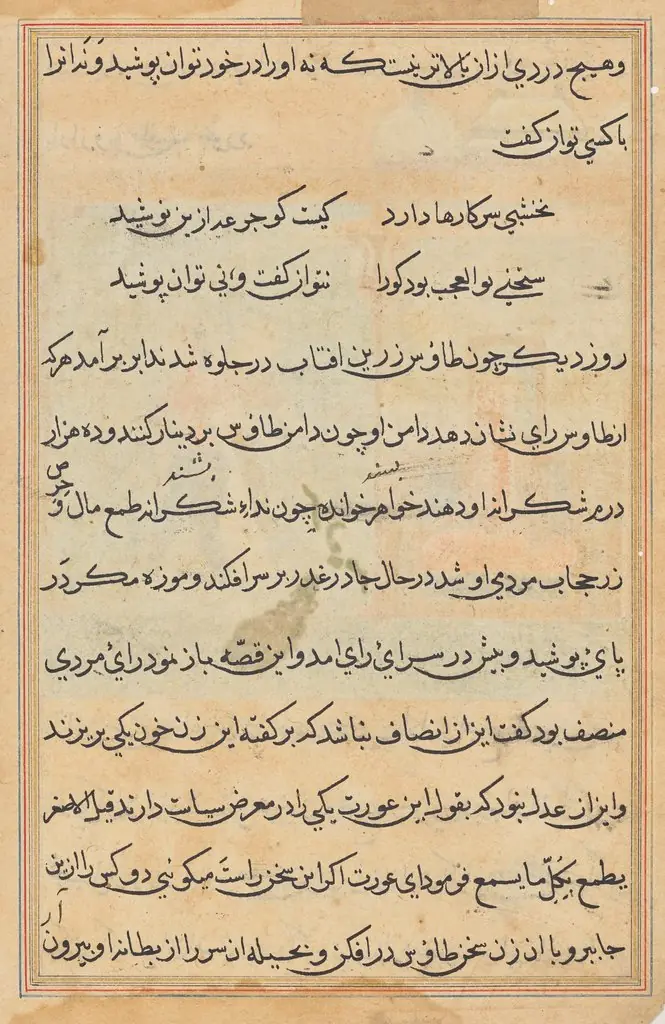
Page from Tales of a Parrot (Tuti-nama): text page is an unspecified painting. It dates from 1560 and is held in the collection of the Cleveland Museum of Art. This object is a single folio from the illustrated manuscript known as *Tales of a Parrot* (Tuti‑nama).
About this work
Overview
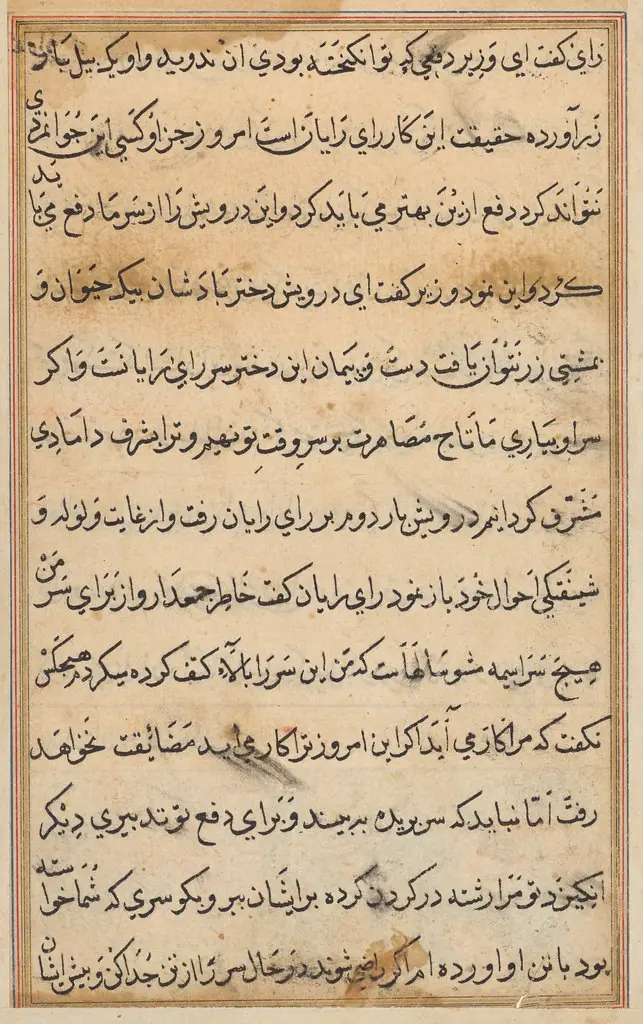
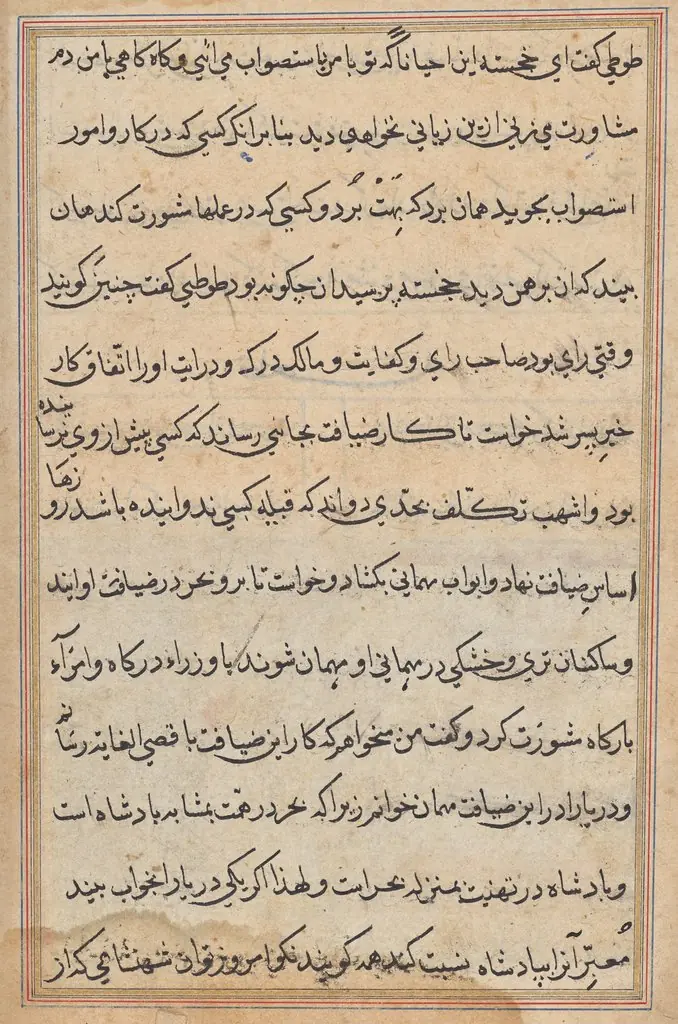
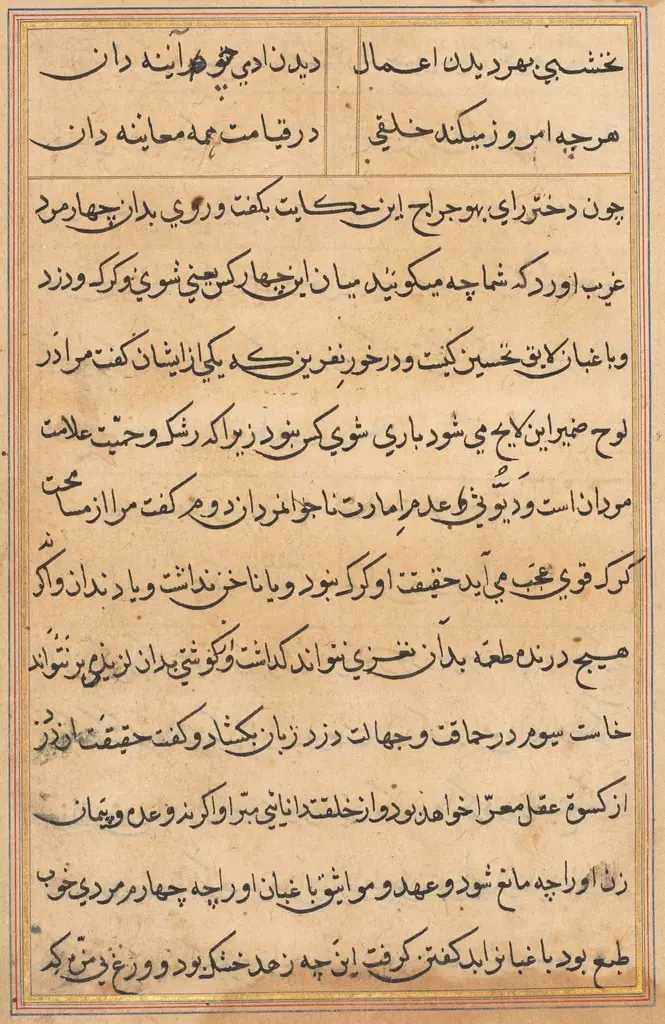
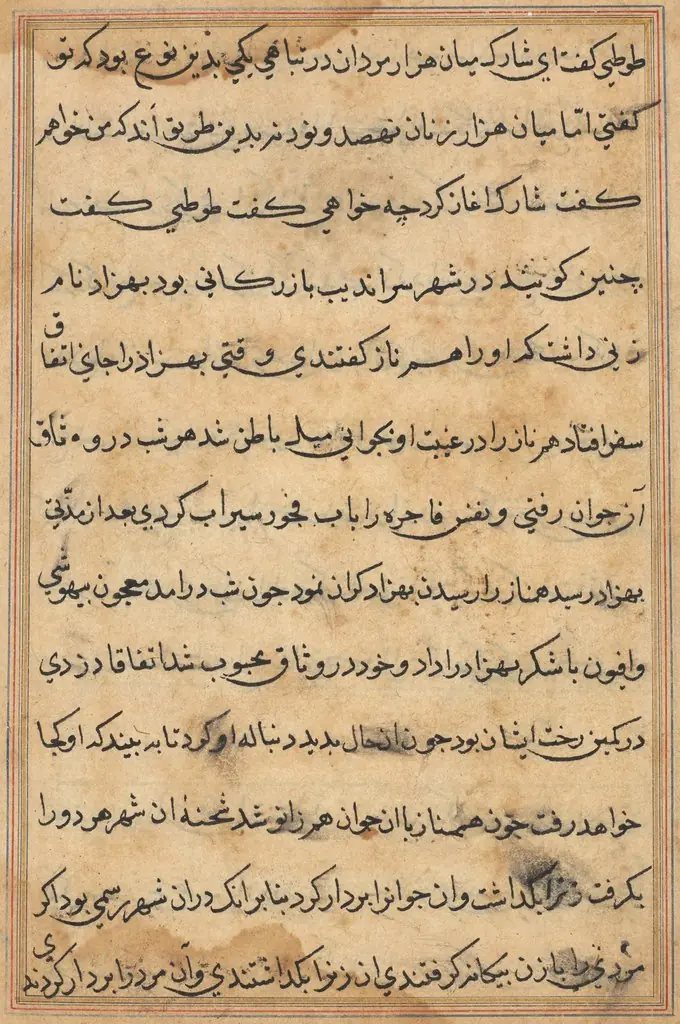
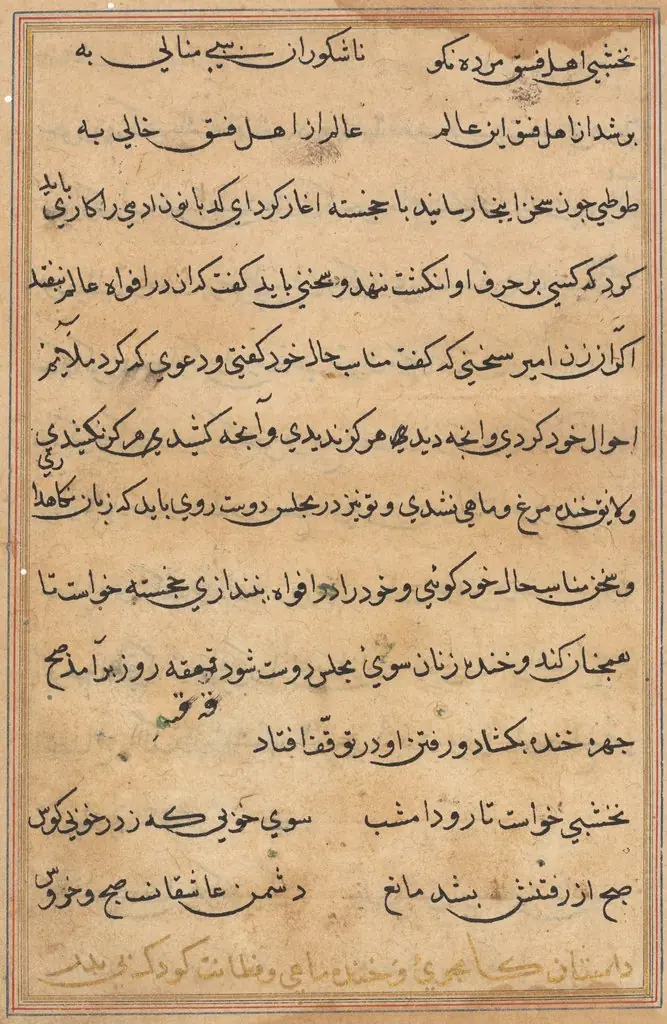
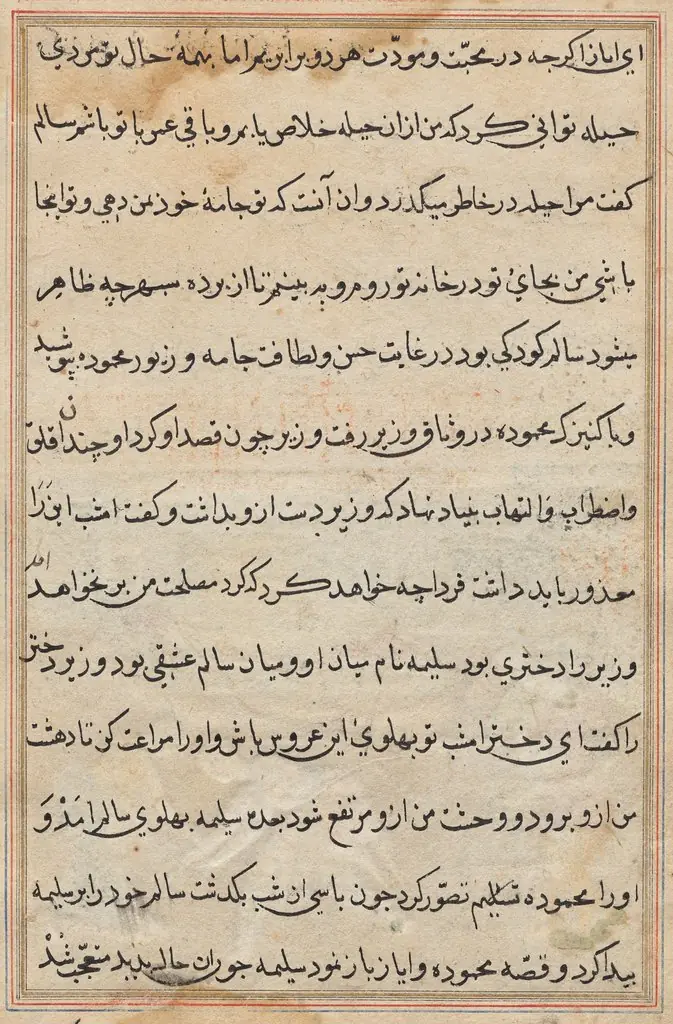
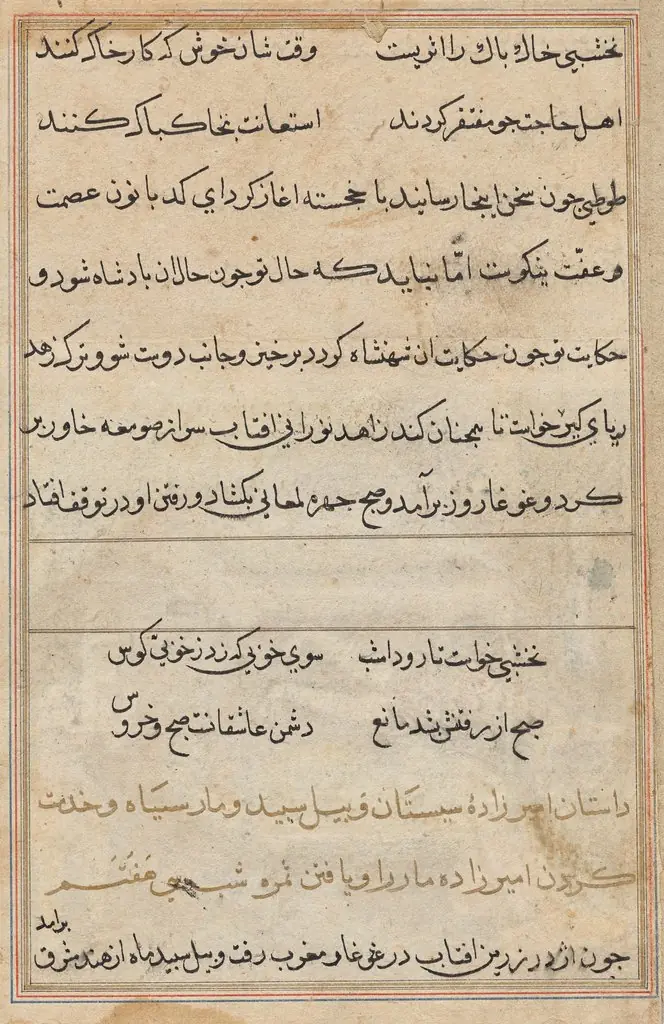
This object is a single folio from the illustrated manuscript known as *Tales of a Parrot* (Tuti‑nama). Executed as a painted page, it consists entirely of calligraphic text rendered in flowing black ink, framed by a narrow red margin. No figurative imagery accompanies the script, emphasizing the visual rhythm of the letters themselves.
Subject & Meaning
The page contains a passage of narrative prose addressed to Prince Salim, a patron whose identity is recorded in the colophon of the manuscript. While the specific story fragment is not illustrated, the elegant, curved script suggests a literary work intended for private reading or courtly instruction.
Technique & Style
The calligrapher employed a single‑brush technique, varying line weight to create contrast and a sense of movement within the text. The ink is uniformly black, while a thin red border delineates the page’s limits, a common decorative device in Persian manuscript production that both frames and highlights the script.
History & Provenance
Created for Prince Salim, the page reflects the patronage practices of the Mughal court, where royal figures commissioned luxurious books. The folio now resides in the collection of the Cleveland Museum of Art, having entered the museum through acquisition in the late 20th century.
Context
*Tuti‑nama* belongs to a tradition of Persian prose collections that blend moral instruction with entertainment. Such manuscripts were often lavishly produced, combining literary content with high‑quality calligraphy and illumination, serving both educational and aesthetic functions within elite circles.
Artist & collection

 Page from Tales of a Parrot (Tuti-nama): text page
 Page from Tales of a Parrot (Tuti-nama): text page
 Page from Tales of a Parrot (Tuti-nama): text page
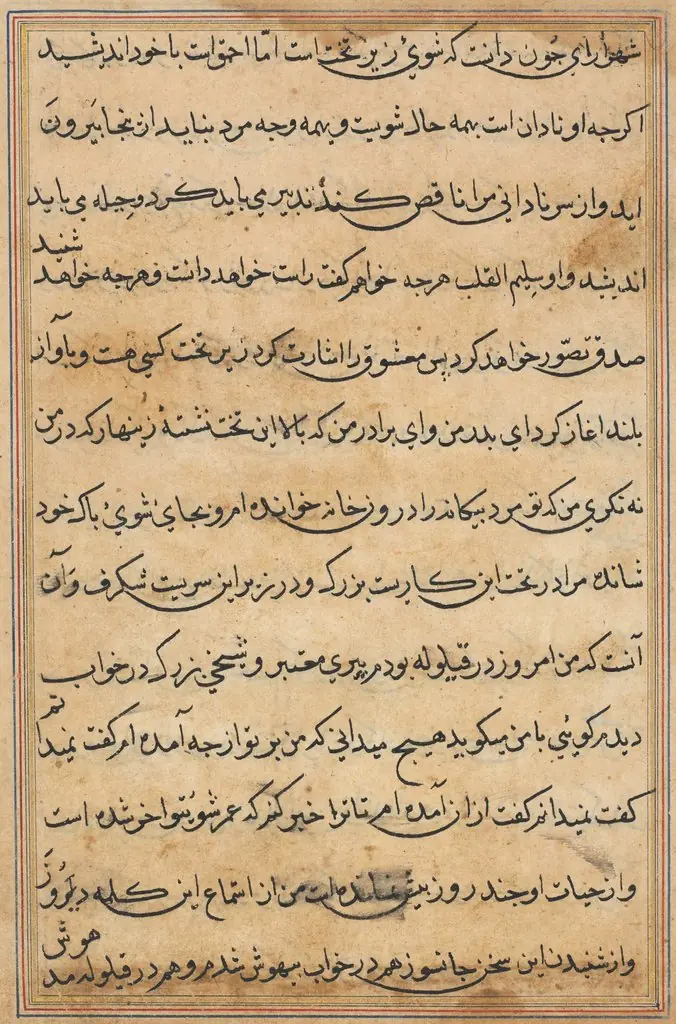 Page from Tales of a Parrot (Tuti-nama): text page
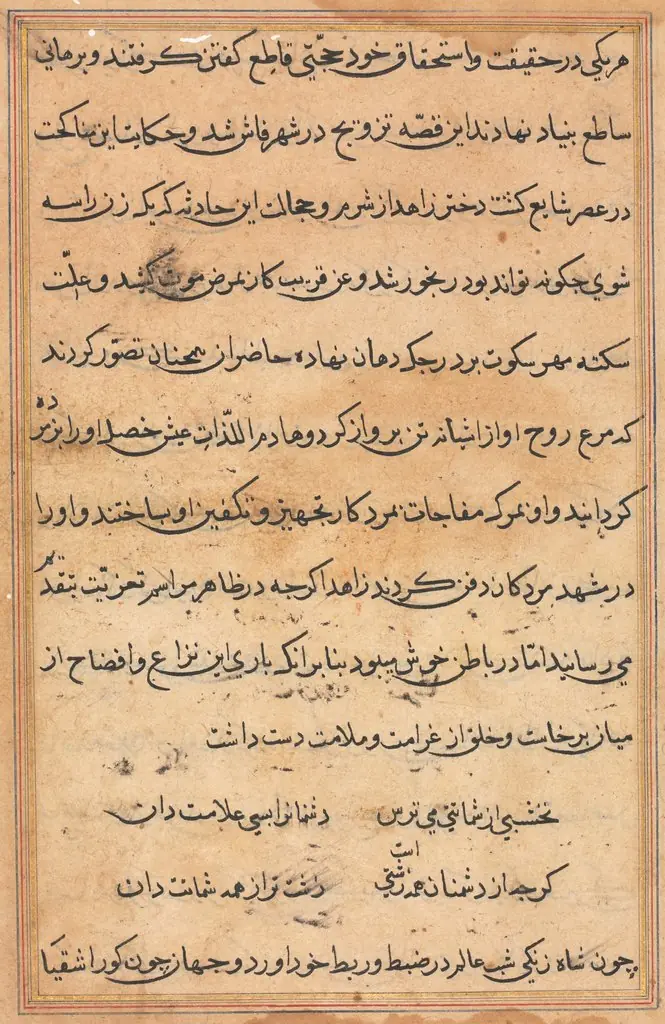 Page from Tales of a Parrot (Tuti-nama): text page
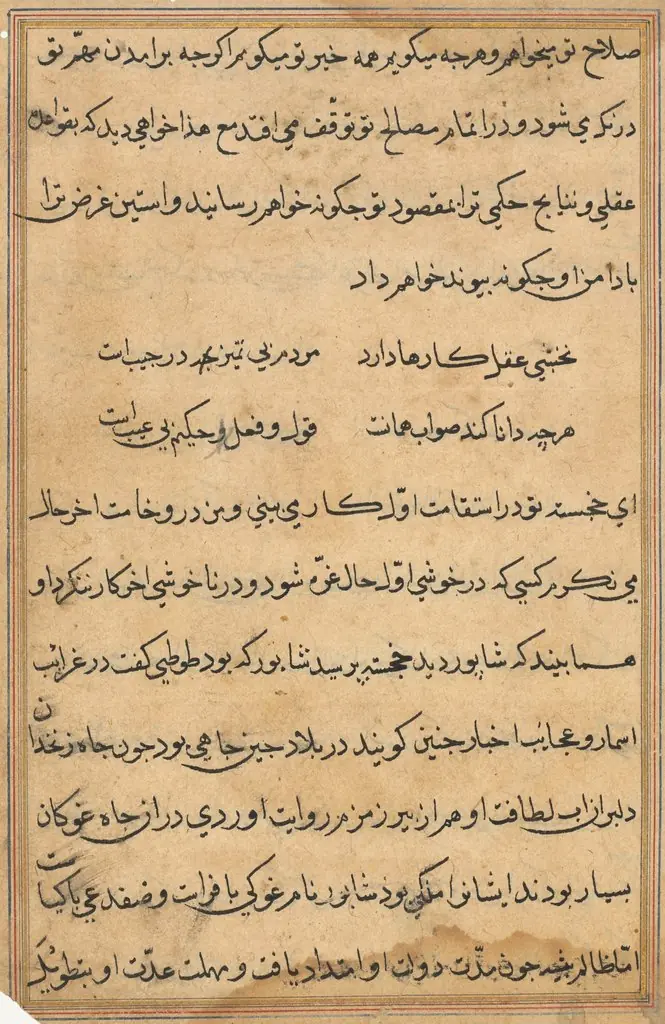 Page from Tales of a Parrot (Tuti-nama): text page
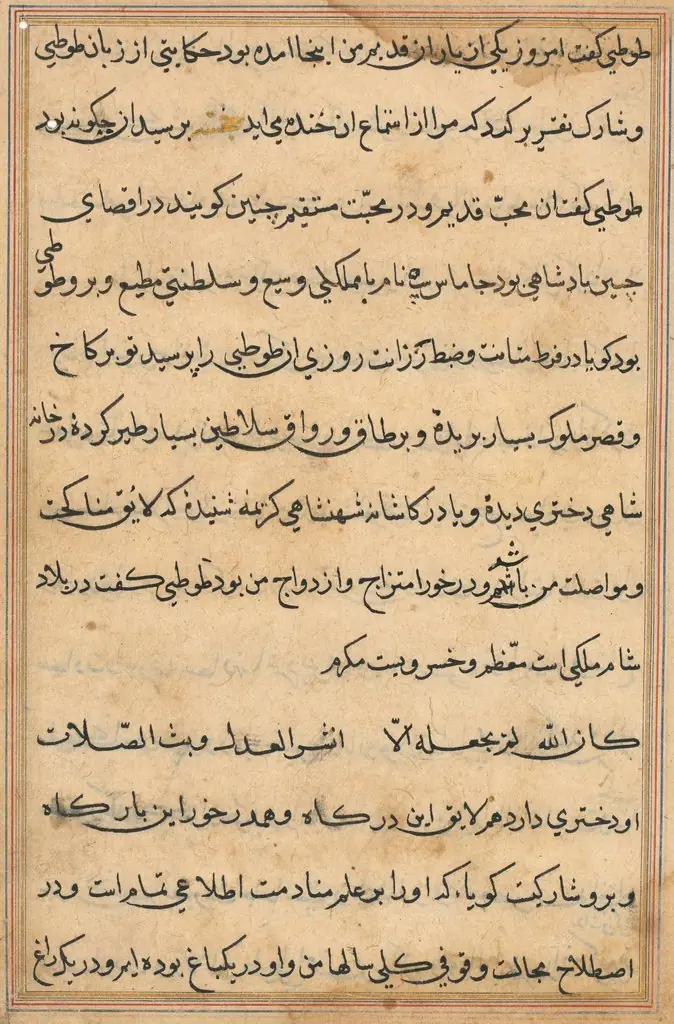 Page from Tales of a Parrot (Tuti-nama): text page
 Page from Tales of a Parrot (Tuti-nama): text page
 Page from Tales of a Parrot (Tuti-nama): text page
 Page from Tales of a Parrot (Tuti-nama): text page
 Page from Tales of a Parrot (Tuti-nama): text page
 Page from Tales of a Parrot (Tuti-nama): text page