Artwork
Page from Tales of a Parrot (Tuti-nama): text page
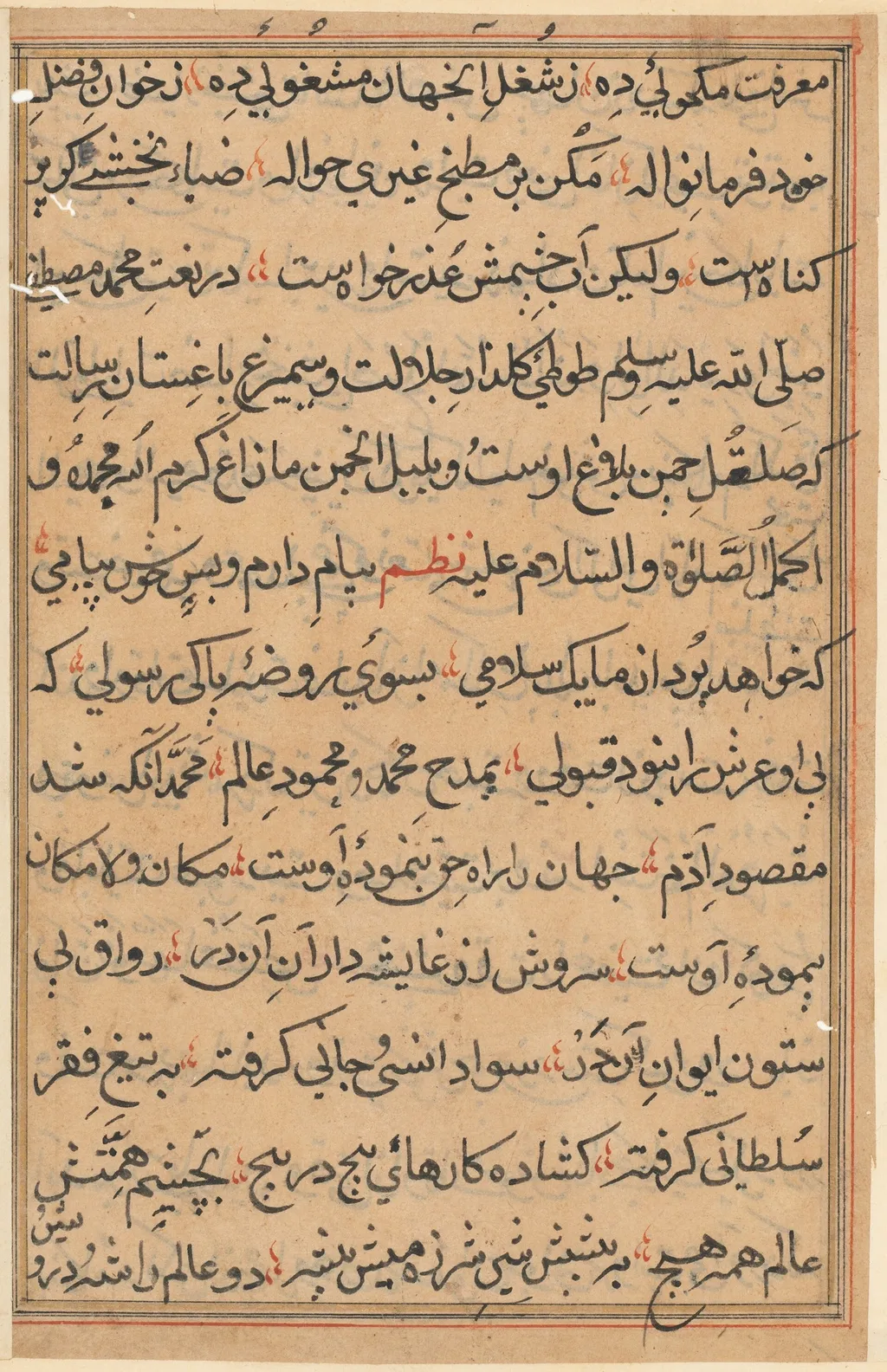
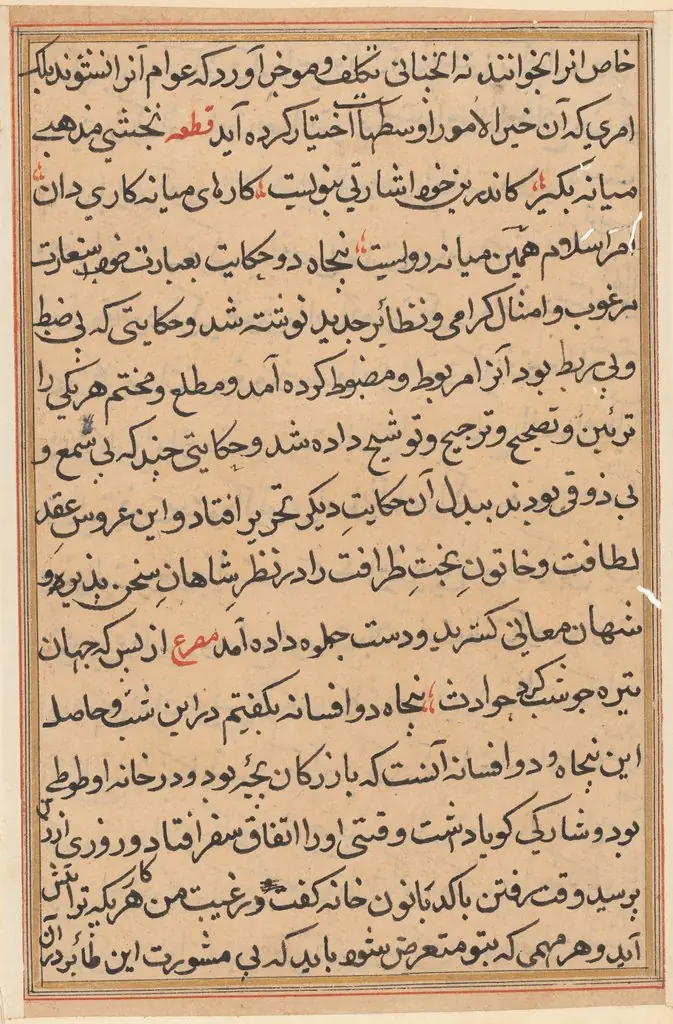
Page from Tales of a Parrot (Tuti-nama): text page is an unspecified painting. It dates from 1560 and is held in the collection of the Cleveland Museum of Art. This object is a painted page from the Persian manuscript known as *Tuti‑nama* (Tales of a Parrot).
About this work
Overview
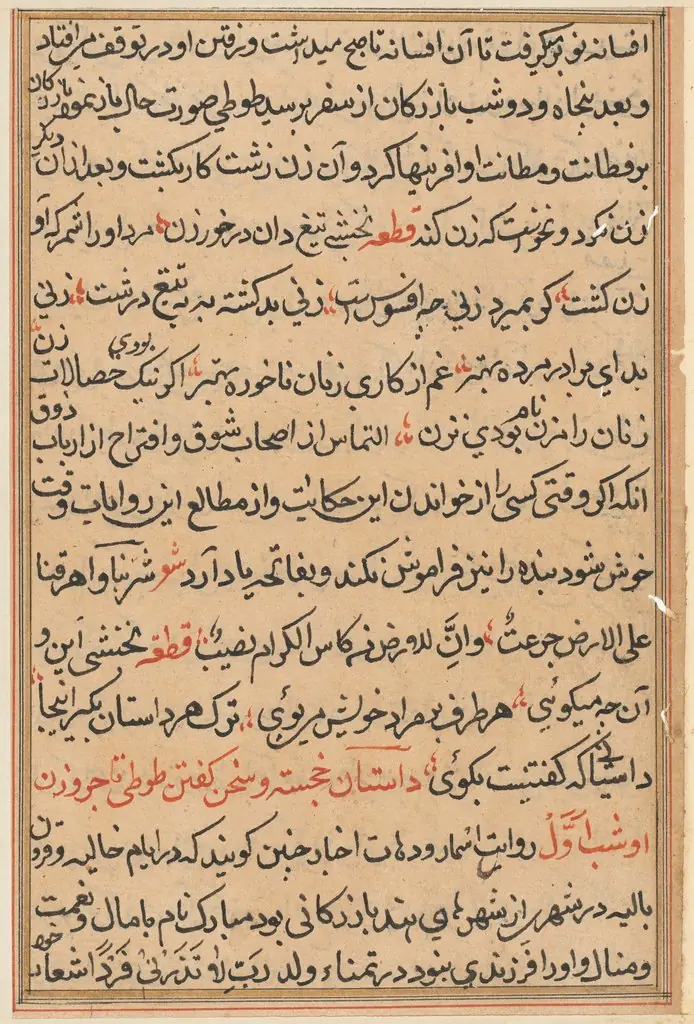
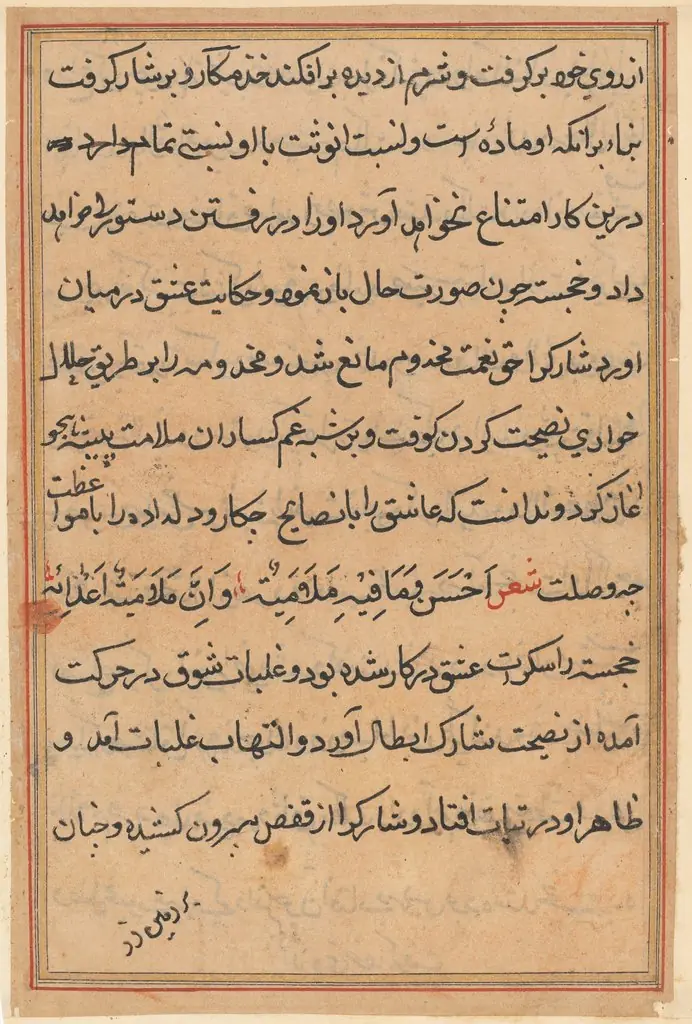
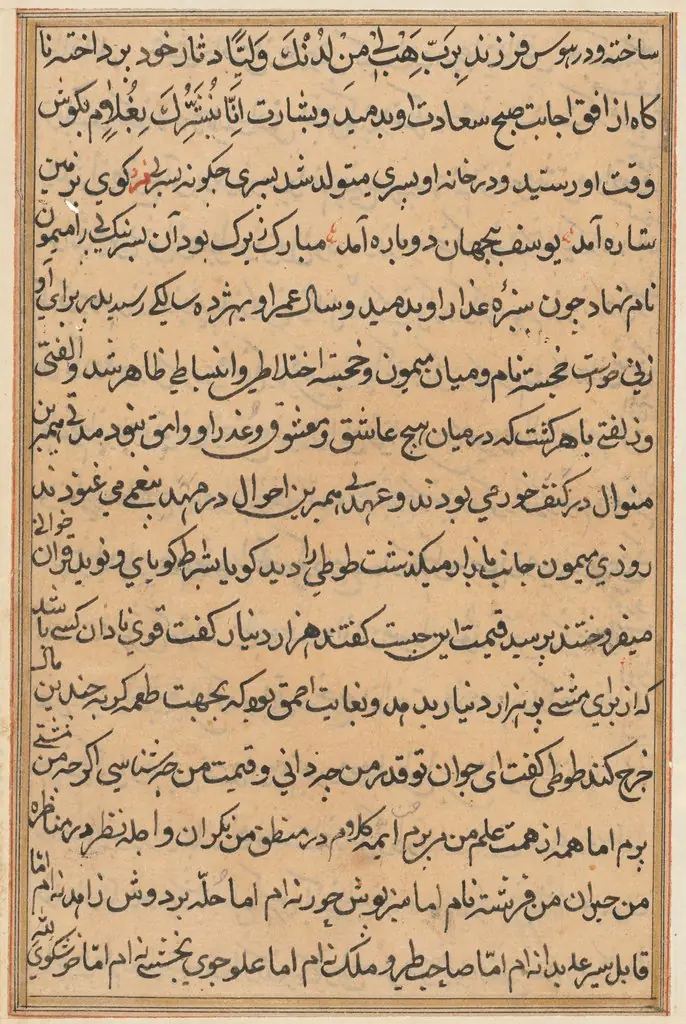
This object is a painted page from the Persian manuscript known as *Tuti‑nama* (Tales of a Parrot). The entire surface is occupied by flowing black script, punctuated by occasional red strokes, and is framed by a narrow margin of untouched paper. The sheet itself appears aged, its surface warm and mottled with faint bluish‑gray specks that suggest centuries of use.
Subject & Meaning
The text on the page consists of a narrative from the *Tuti‑nama*, a collection of moral anecdotes traditionally conveyed through a dialogue between a parrot and a king. Though the specific story on this leaf is not identified here, the work as a whole functions as a didactic guide, using the parrot’s counsel to illustrate ethical principles.
Technique & Style
The calligraphy is executed in a deliberate, refined hand, resembling the work of a professional scribe rather than a casual writer. Black ink dominates the composition, while the red markings appear to be either emphatic accents or corrective annotations. The paper’s warm tone and subtle bluish‑gray discolorations indicate an aged support, typical of Persian manuscript production.
History & Provenance
The page originates from a larger illustrated codex produced in the Persian cultural sphere, likely between the 14th and 16th centuries, when *Tuti‑nama* manuscripts were widely copied. Its current location is not specified, but such pages often enter museum collections through acquisition from private libraries or antiquities markets.
Context
Manuscript culture in medieval Persia placed great emphasis on the visual presentation of text. Calligraphic elegance and occasional use of red ink for emphasis were standard practices, reflecting the manuscript’s role as both a literary and artistic object. The *Tuti‑nama* itself belongs to a tradition of didactic literature that blended storytelling with moral instruction.
Legacy
Pages like this illustrate the intersection of literary content and visual artistry in Persian book production. They provide scholars with insight into the materials, techniques, and aesthetic priorities of manuscript workshops, and they continue to inform contemporary understandings of Persian calligraphic heritage.
Artist & collection

 Page from Tales of a Parrot (Tuti-nama): text page
 Page from Tales of a Parrot (Tuti-nama): text page
 Page from Tales of a Parrot (Tuti-nama): text page
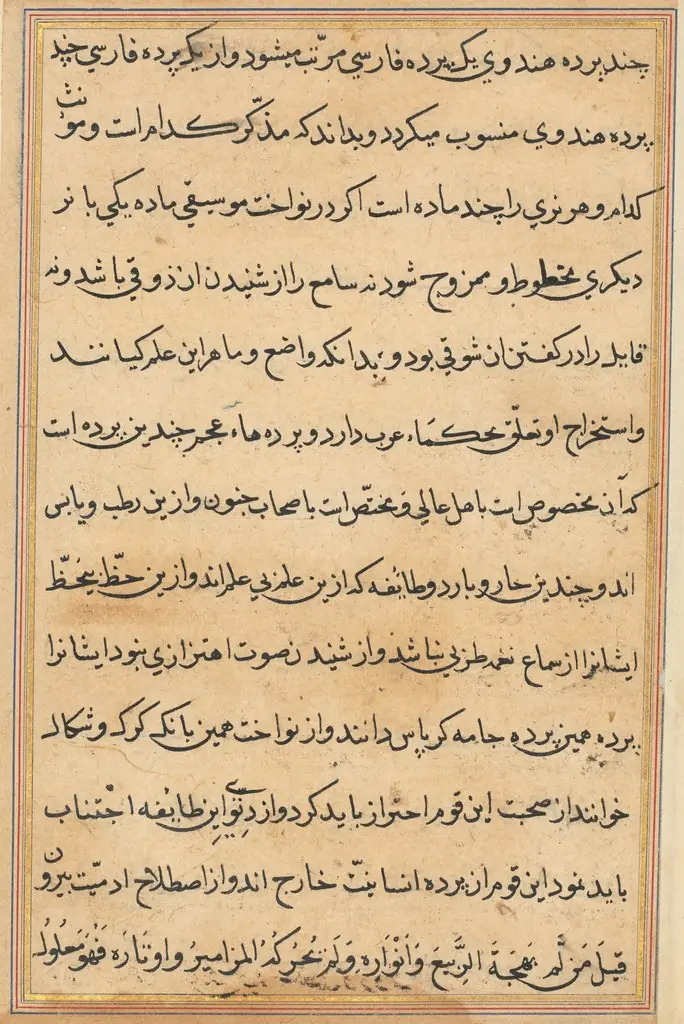 Page from Tales of a Parrot (Tuti-nama): text page
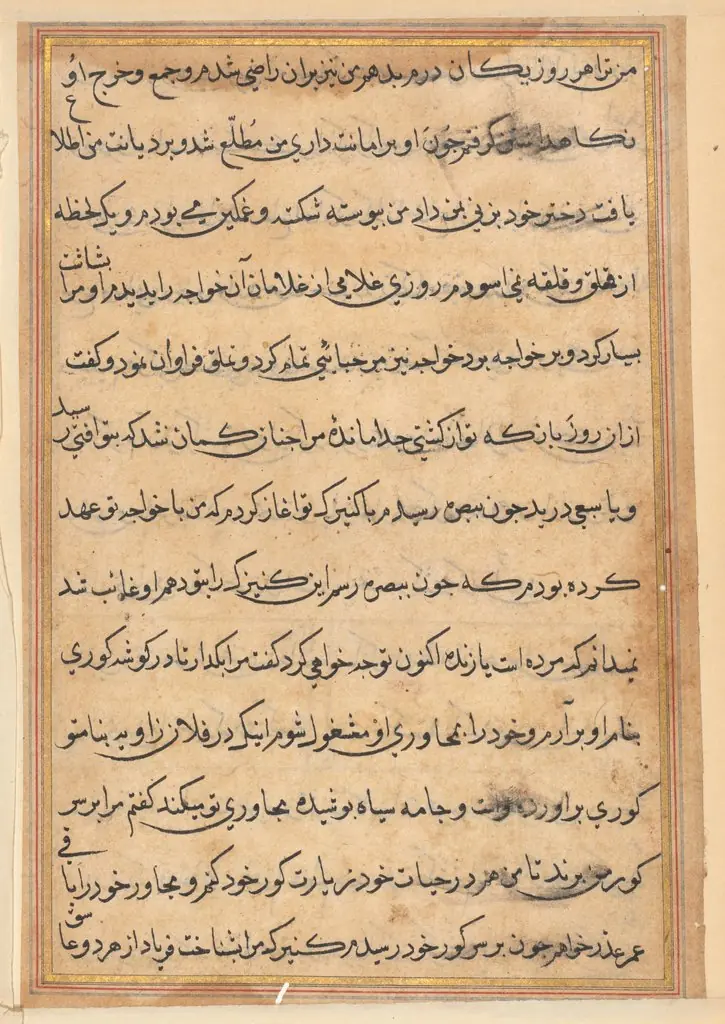 Page from Tales of a Parrot (Tuti-nama): text page
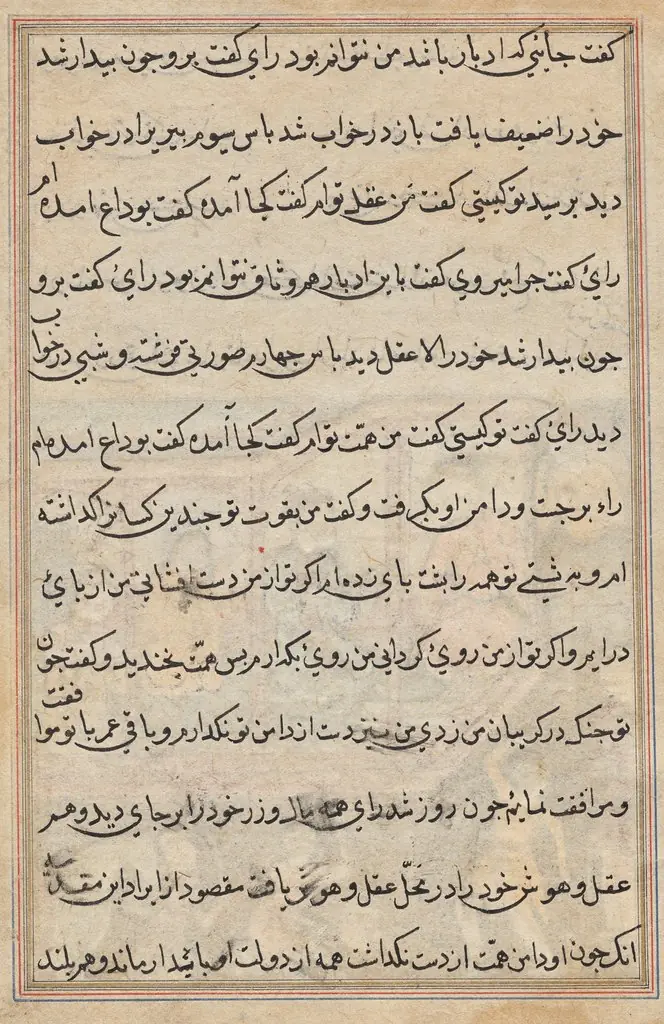 Page from Tales of a Parrot (Tuti-nama): text page
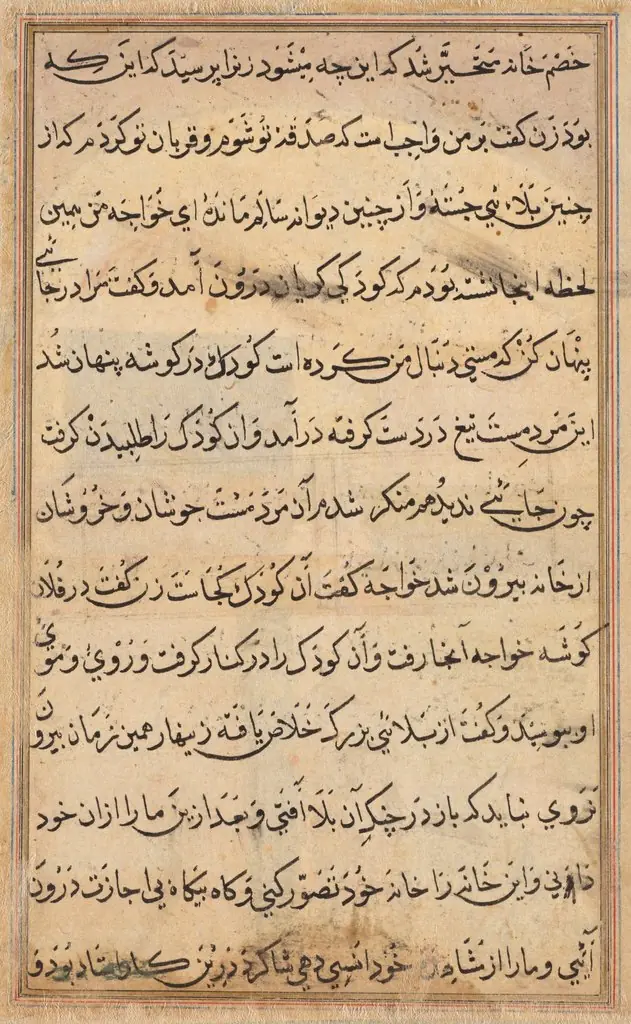 Page from Tales of a Parrot (Tuti-nama): text page
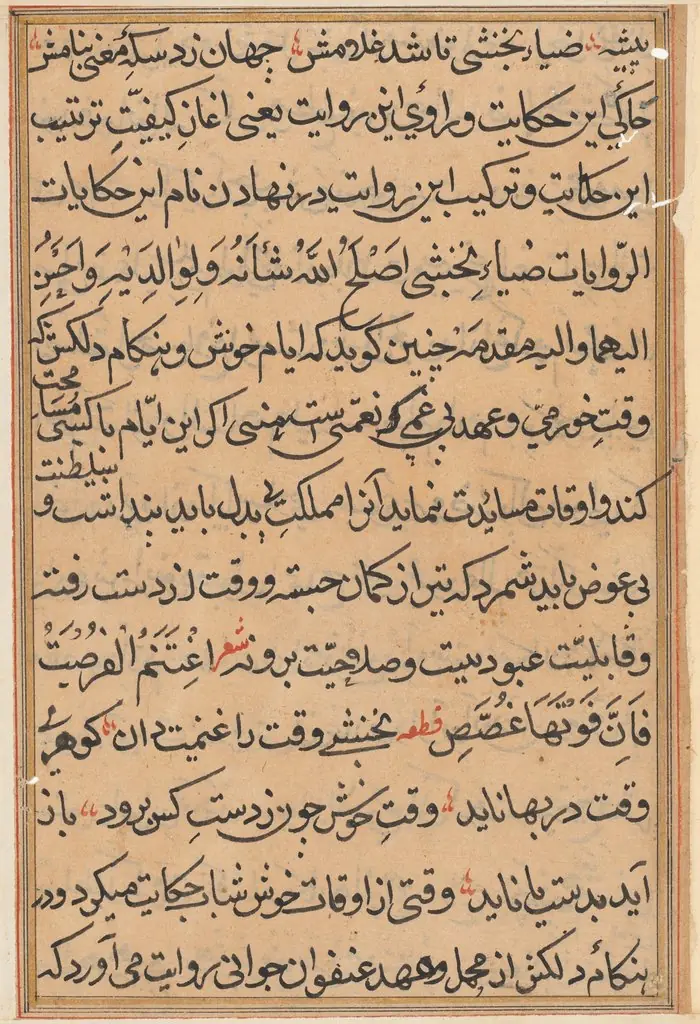 Page from Tales of a Parrot (Tuti-nama): text page
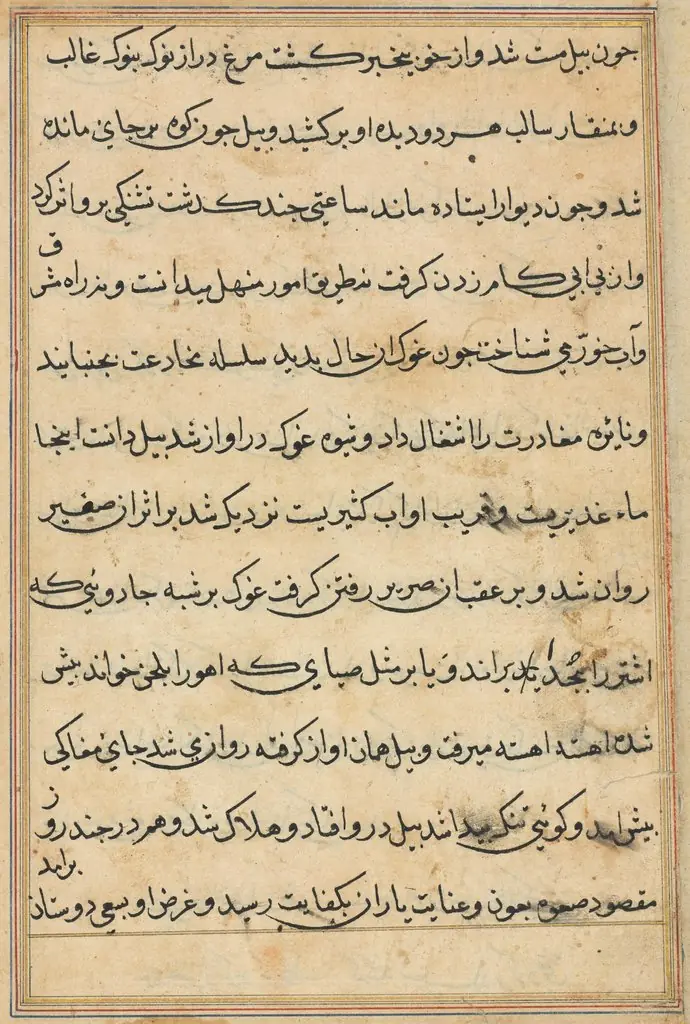 Page from Tales of a Parrot (Tuti-nama): text page
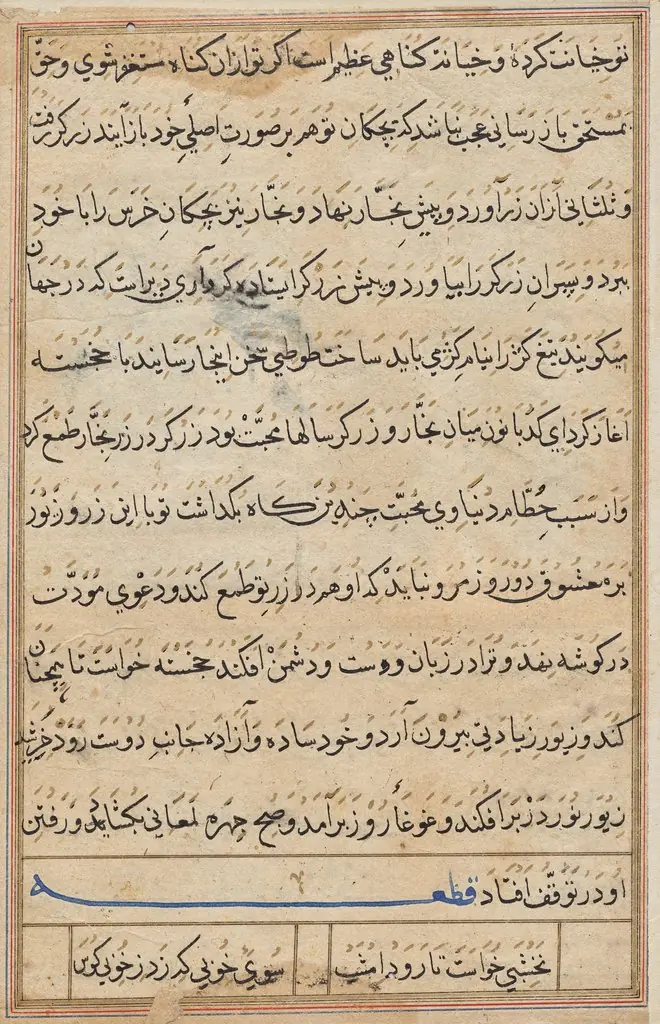 Page from Tales of a Parrot (Tuti-nama): text page
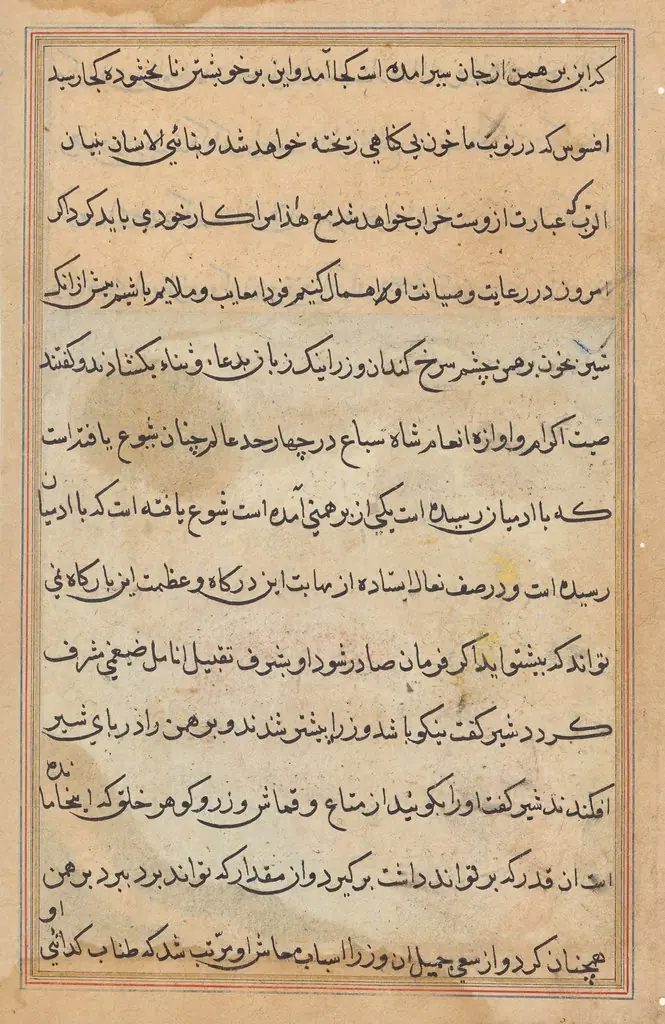 Page from Tales of a Parrot (Tuti-nama): text page
 Page from Tales of a Parrot (Tuti-nama): text page