Artwork
Page from Tales of a Parrot (Tuti-nama): text page
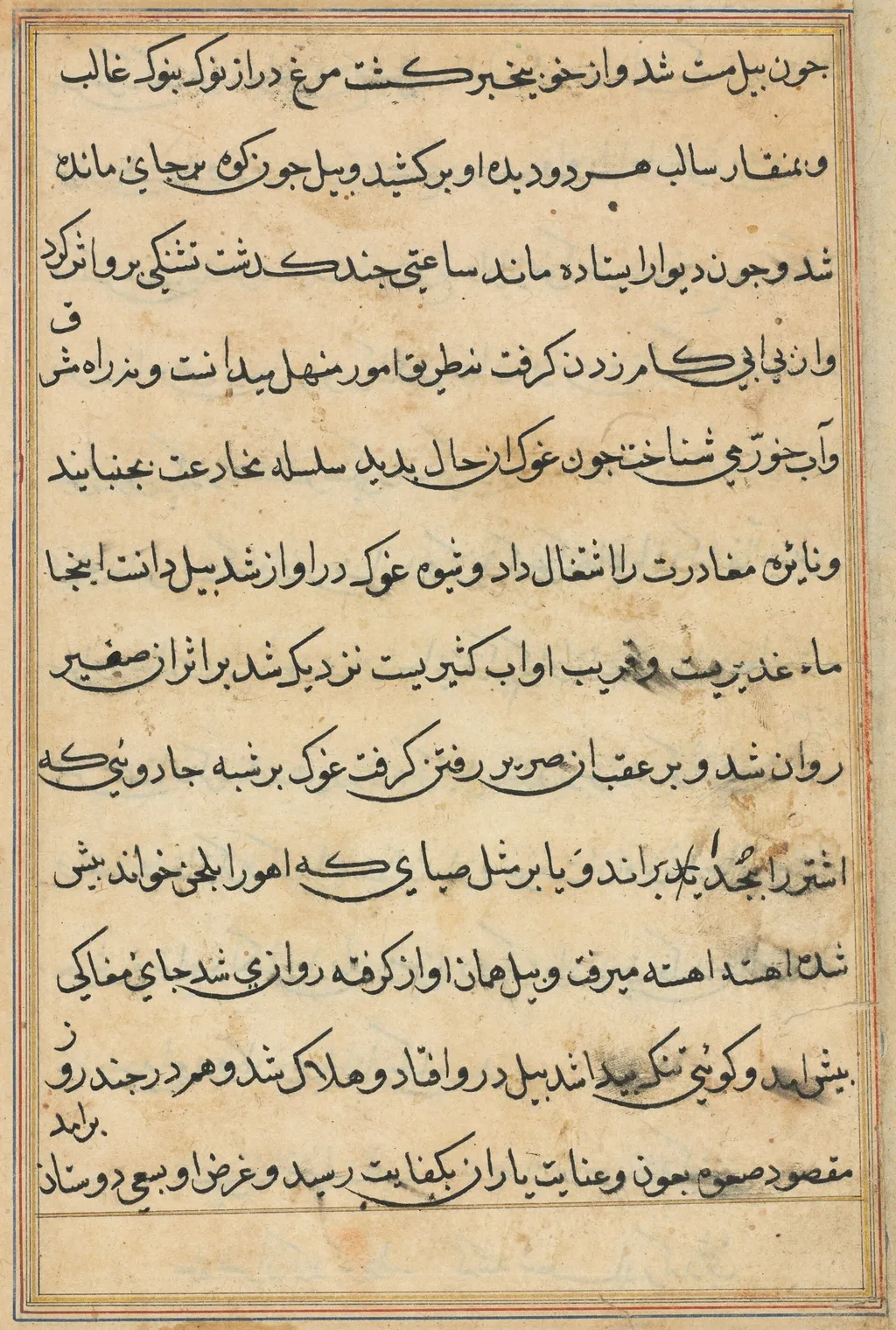
Page from Tales of a Parrot (Tuti-nama): text page is an unspecified painting. It dates from 1560 and is held in the collection of the Cleveland Museum of Art. This object is a single page from the illustrated manuscript *Tales of a Parrot* (Tuti‑nama).
About this work
Overview
This object is a single page from the illustrated manuscript *Tales of a Parrot* (Tuti‑nama). The sheet consists of paper that has acquired an aged patina, marked by brown specks and a faint red border along its margins. The surface is densely covered with black calligraphic script arranged in tight horizontal lines, the characters varying in height and width yet maintaining a continuous flow.
Subject & Meaning
The written passage forms part of a narrative composed for a princely patron named Salim. The story, known as *Tales of a Parrot*, is a collection of moral and entertaining episodes conveyed through the voice of a talking bird, a literary device common in Persian and Ottoman courtly literature.
Technique & Style
The calligraphy displays a refined hand, combining graceful curves with precise angular strokes. The script, though elegant, shows intentional irregularities—some letters are elongated while others are compressed—creating a rhythmic visual texture. The thin red line framing the page serves both decorative and structural purposes, delineating the text block.
History & Provenance
The manuscript was produced in the early modern period for the court of Prince Salim, a member of a ruling dynasty in the Middle East. Over centuries the folio changed hands, eventually entering the collection of the Cleveland Museum of Art, where it is currently conserved and displayed.
Context
*Tales of a Parrot* belongs to a tradition of illustrated literary codices that combined poetic prose with elaborate calligraphy, often commissioned by elite patrons to demonstrate cultural sophistication. Such works were typically created in workshops where scribes and painters collaborated to produce luxurious objects for royal libraries.
Legacy
The page exemplifies the high level of artistic and literary patronage in its originating court, offering scholars insight into the aesthetics of manuscript production and the transmission of storytelling motifs across Persianate cultures.
Artist & collection

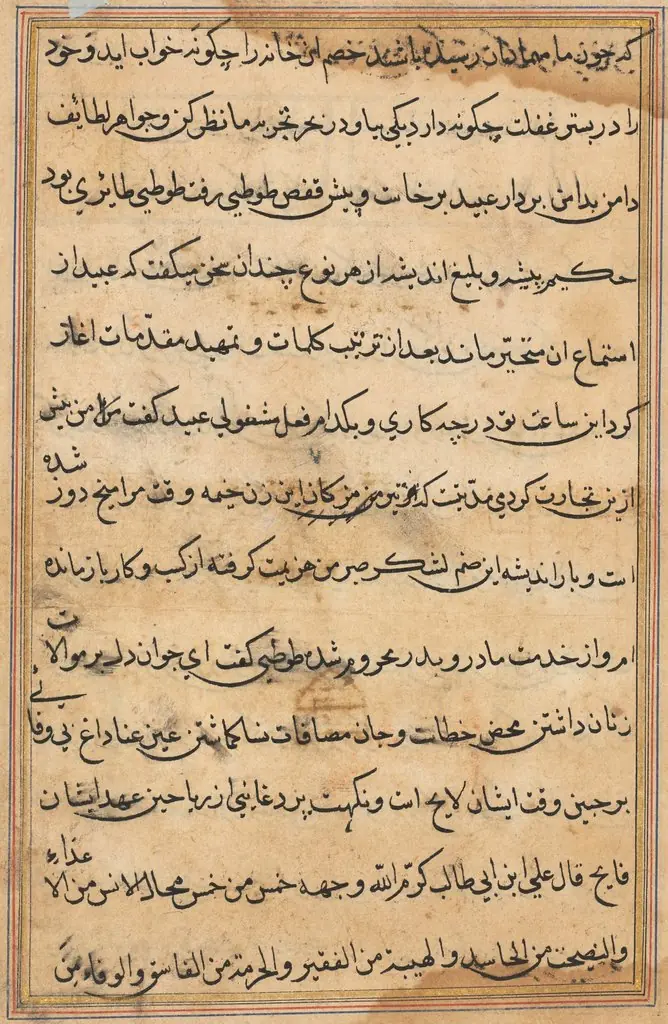 Page from Tales of a Parrot (Tuti-nama): text page
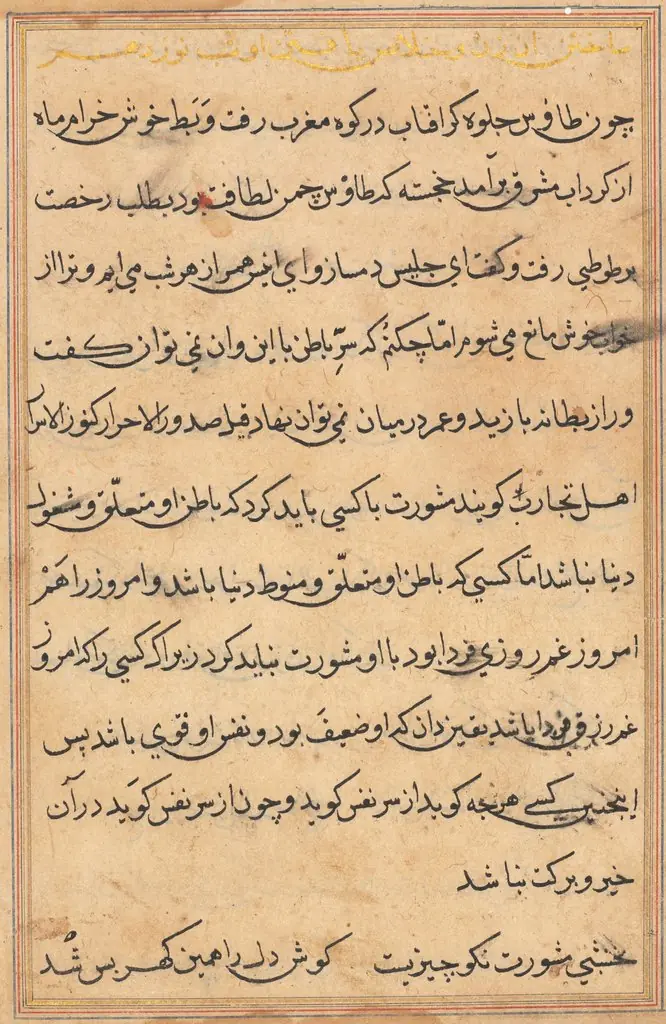 Page from Tales of a Parrot (Tuti-nama): text page
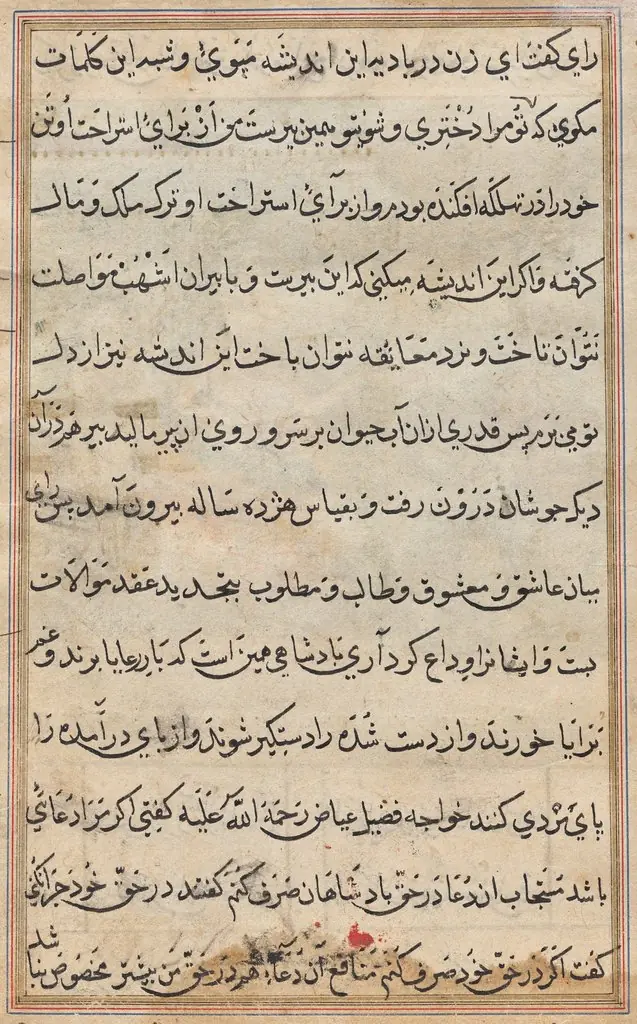 Page from Tales of a Parrot (Tuti-nama): text page
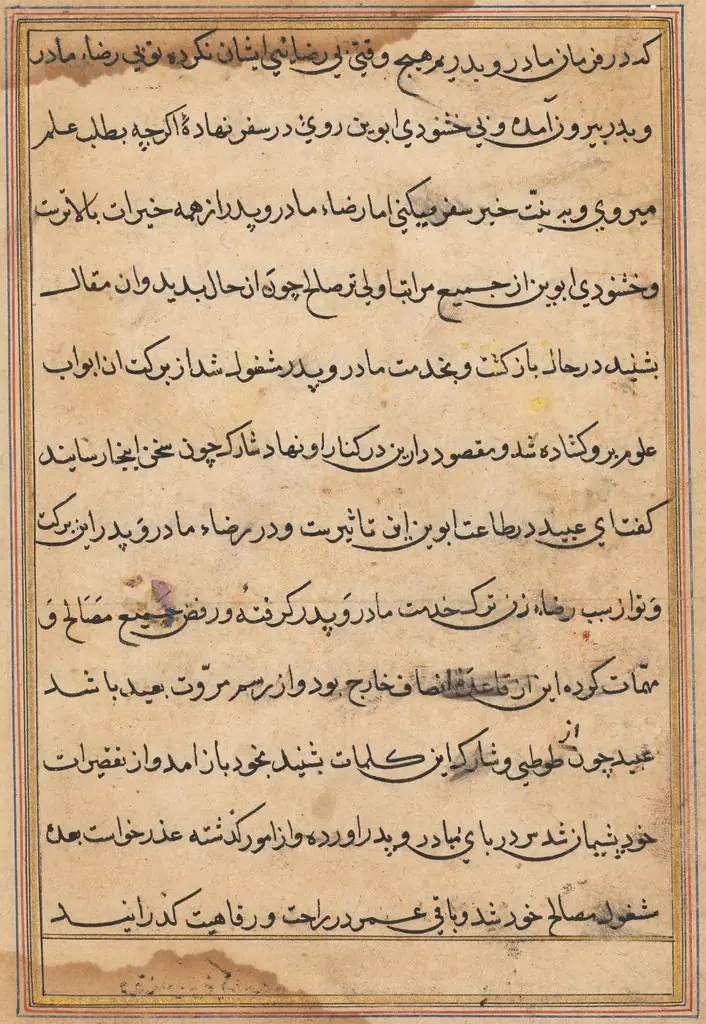 Page from Tales of a Parrot (Tuti-nama): text page
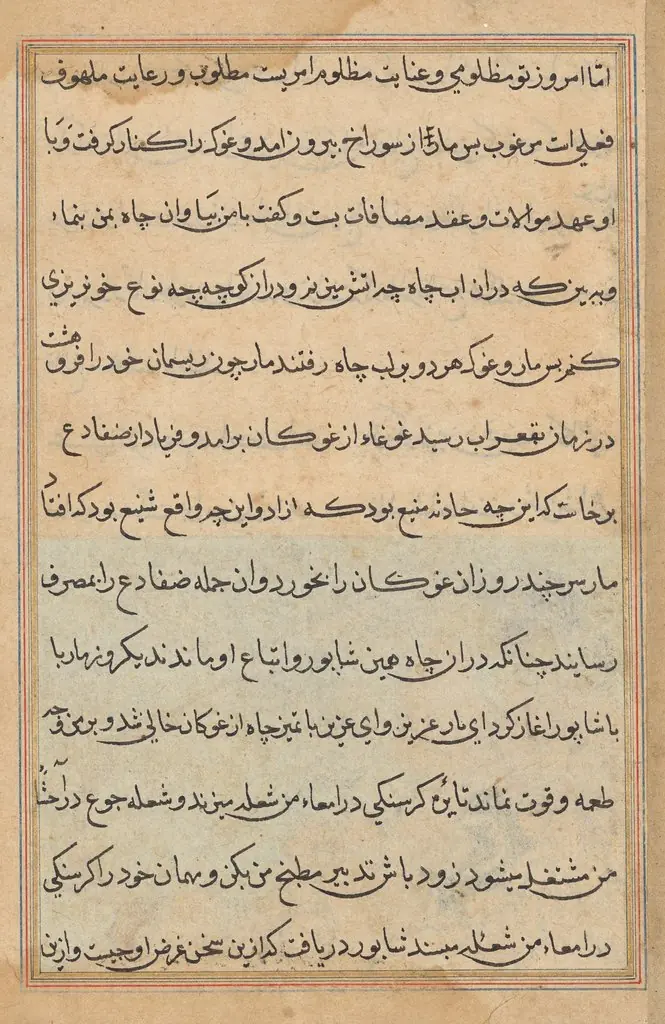 Page from Tales of a Parrot (Tuti-nama): text page
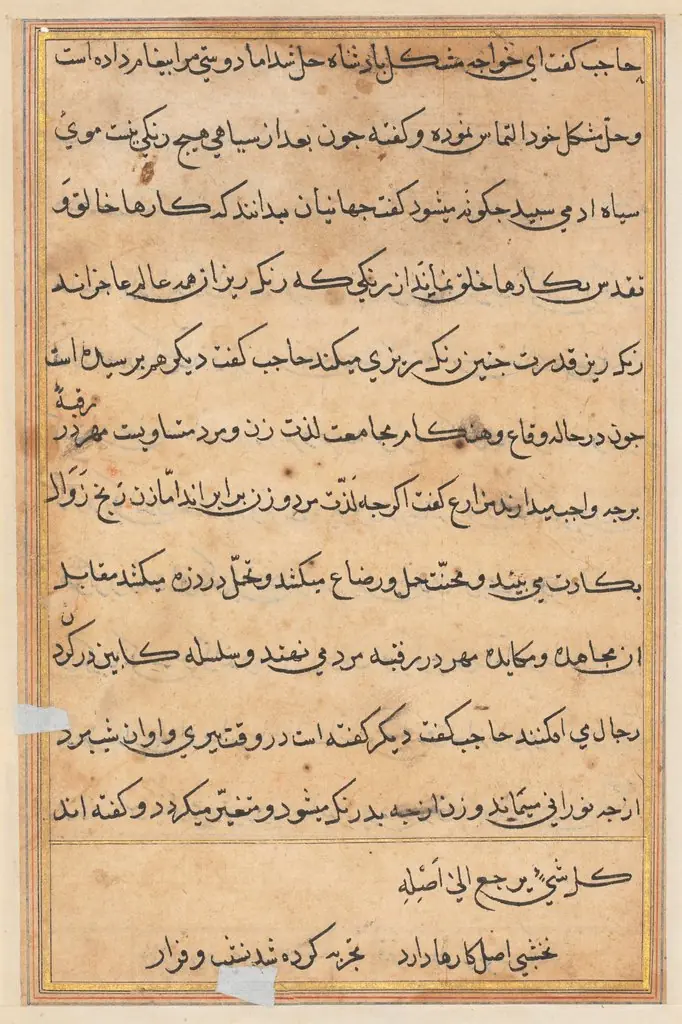 Page from Tales of a Parrot (Tuti-nama): text page
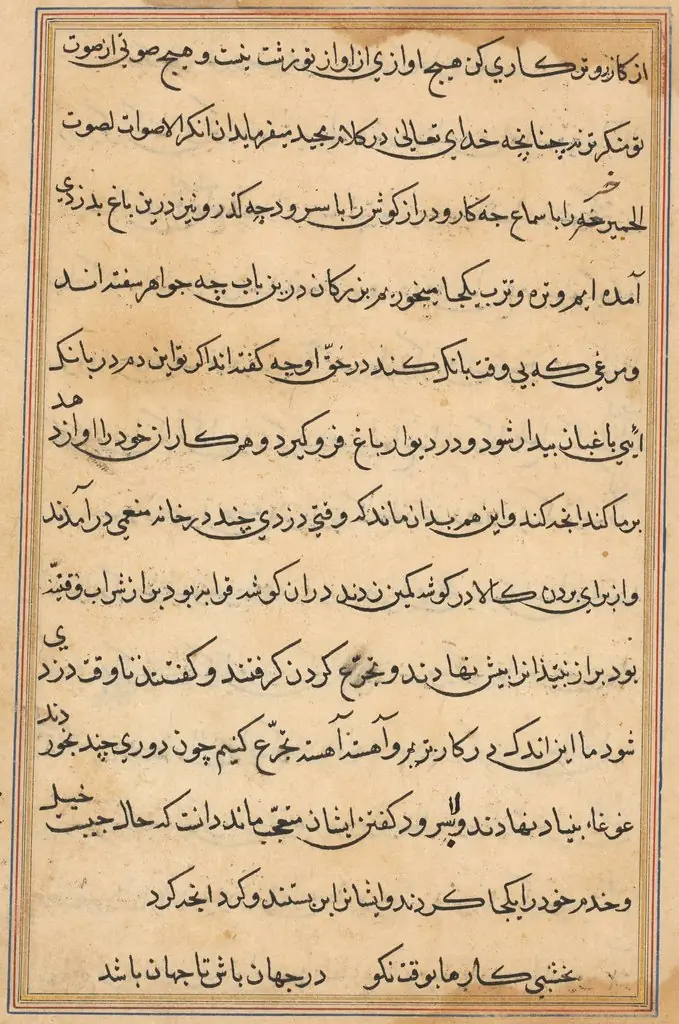 Page from Tales of a Parrot (Tuti-nama): text page
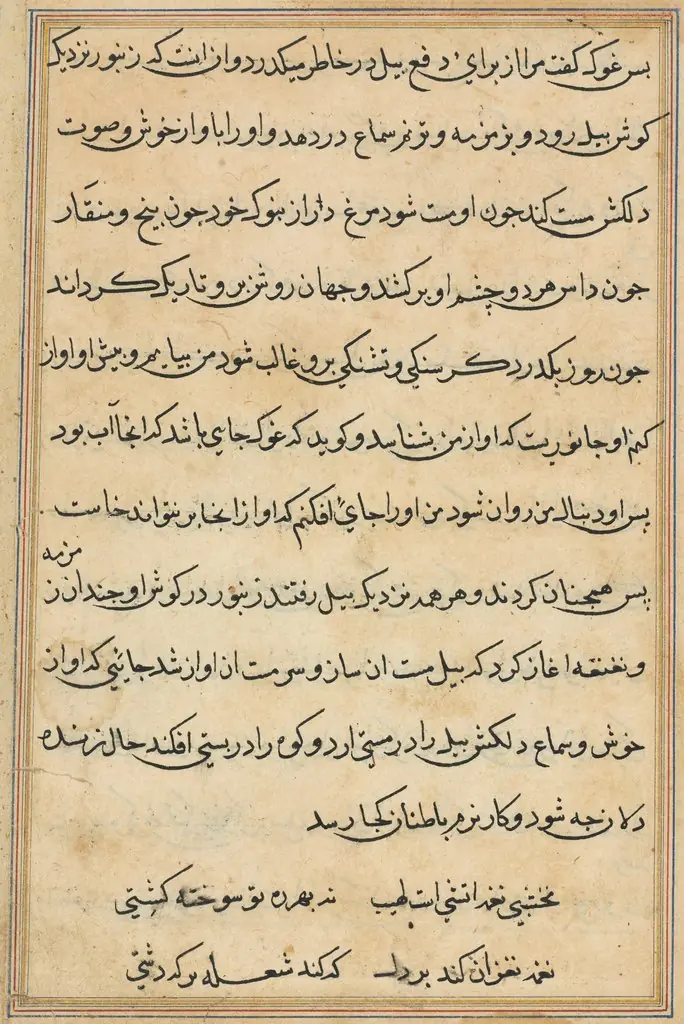 Page from Tales of a Parrot (Tuti-nama): text page
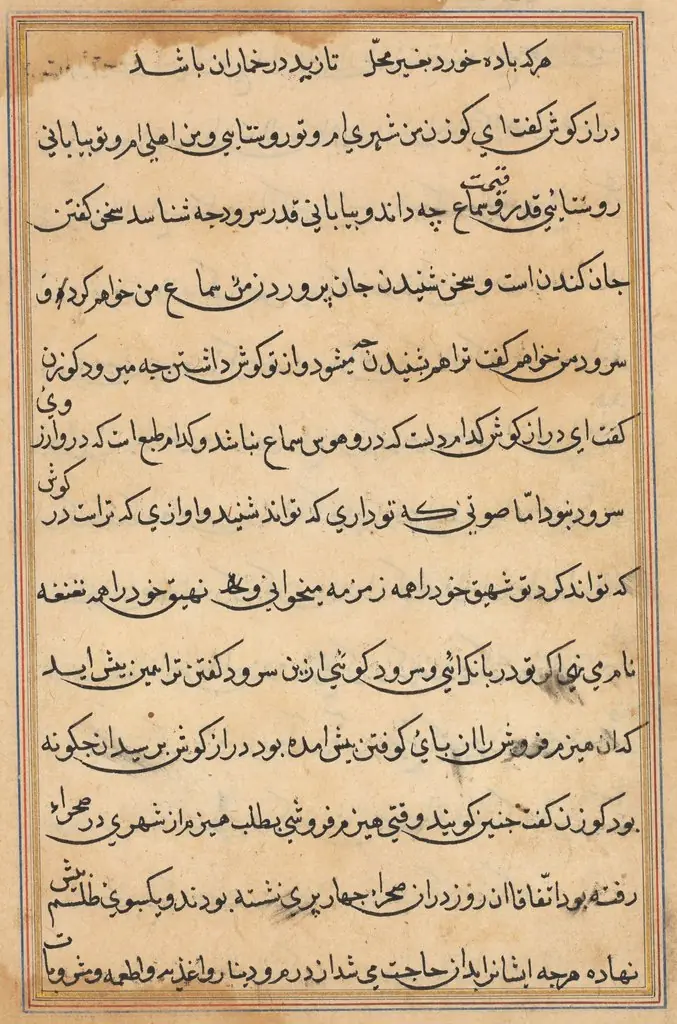 Page from Tales of a Parrot (Tuti-nama): text page
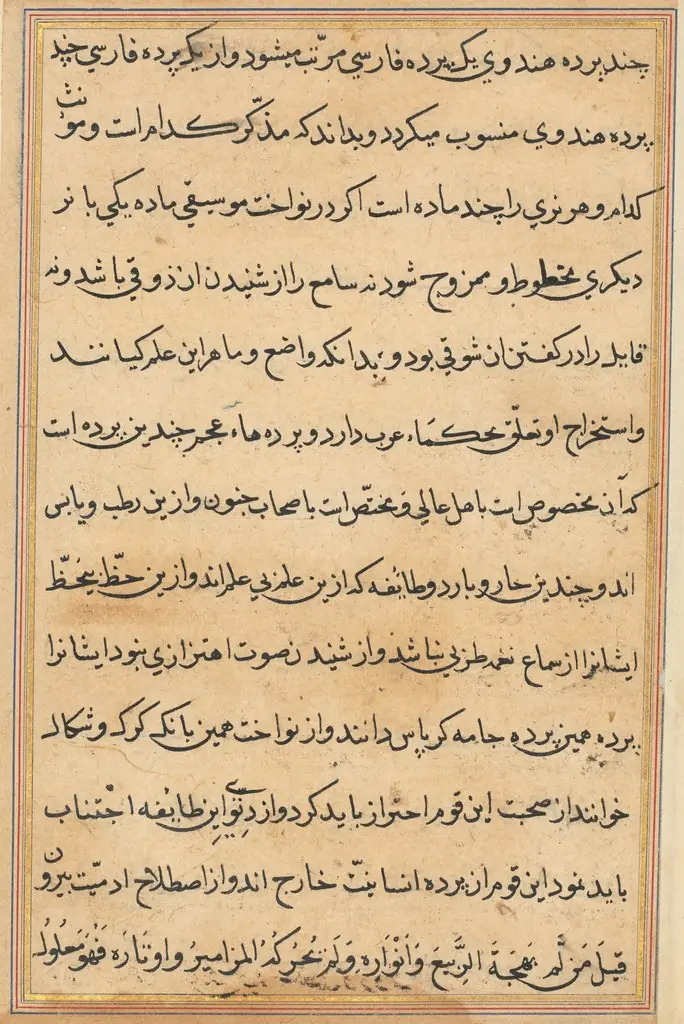 Page from Tales of a Parrot (Tuti-nama): text page
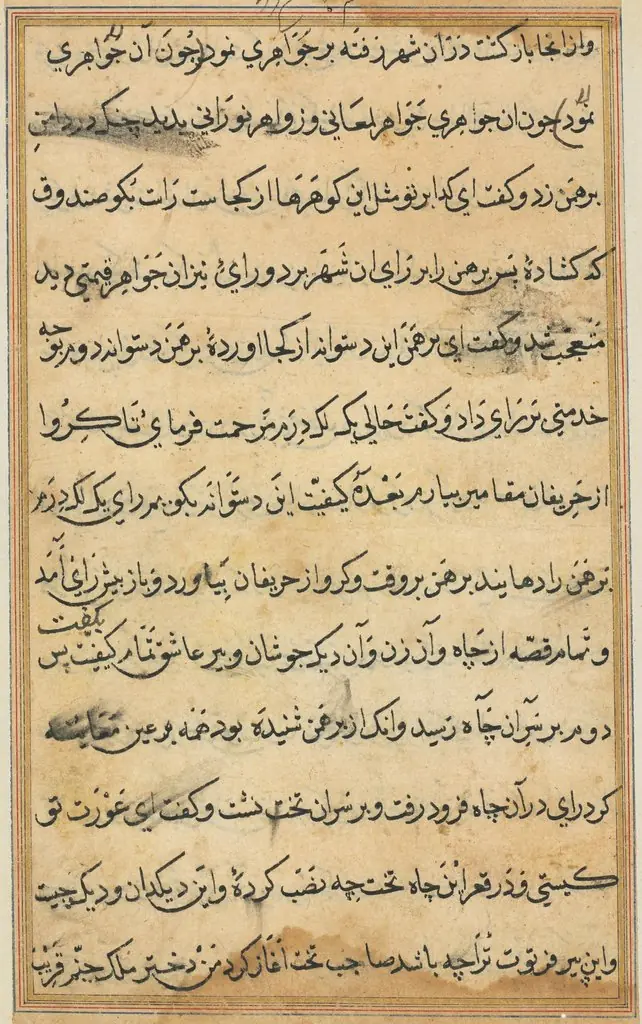 Page from Tales of a Parrot (Tuti-nama): text page