Artwork
Hero and Heroine Subject: Lady Applying Makeup
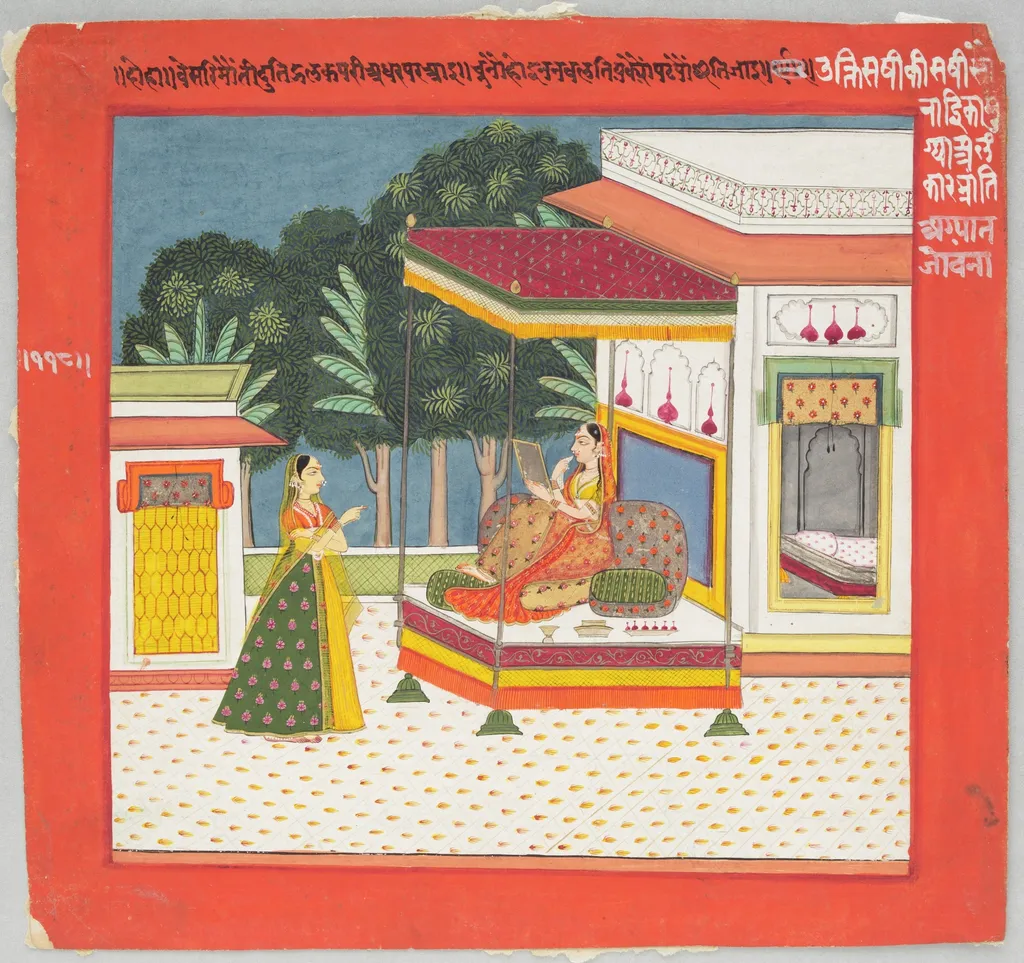
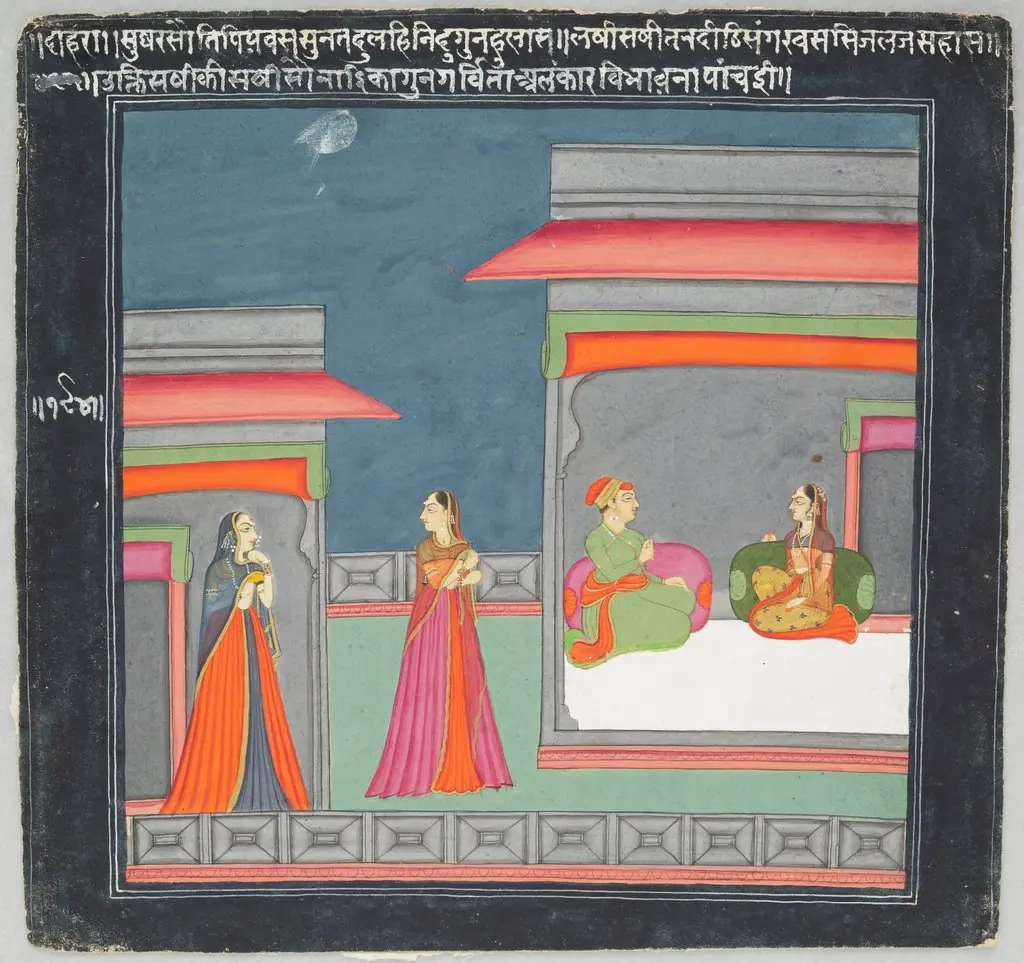
Hero and Heroine Subject: Lady Applying Makeup is an unspecified painting by the Rococo painting artist Unknown. It dates from 1775 and is held in the collection of the Detroit Institute of Arts. This painting portrays a woman applying makeup in a tranquil, verdant setting.
About this work
This painting is reminiscent of the works of Indian artists, particularly those from the 18th century.
The painting depicts a lady applying makeup, surrounded by lush greenery and trees. She sits on a colorful platform, wearing a vibrant outfit, and holds a mirror in her hand. The scene is set against a serene blue background.
In the foreground, a woman in a green dress stands to the left, facing the lady. The lady's attire and the surrounding foliage suggest a sense of elegance and refinement.
This painting is reminiscent of the works of Indian artists, particularly those from the 18th century. You might want to explore more of the Detroit Institute of Arts next.
Overview
This painting portrays a woman applying makeup in a tranquil, verdant setting. She sits on an ornate platform, dressed in vivid attire, holding a mirror as a woman in green stands nearby. The background features soft blue tones and dense foliage, creating a quiet, intimate atmosphere. The composition reflects aesthetic traditions associated with 18th-century Indian courtly painting, emphasizing grace and refined domestic ritual.
Subject & Meaning
The scene captures a private moment of personal adornment, likely representing an aristocratic woman’s daily ritual. The presence of the attendant suggests social hierarchy and the ceremonial nature of beauty practices in elite circles. Rather than depicting grand narratives, the work elevates quiet, feminine routines as worthy of artistic attention, aligning with regional traditions that valued subtlety and introspection.
Technique & Style
The artist employs fine brushwork to render textures of fabric, foliage, and skin with delicate precision. Colors are rich but harmonized, with the subject’s vibrant garments contrasting against the muted greens and blues of the environment. The flat, decorative space and lack of linear perspective are characteristic of Indian miniature traditions, prioritizing symbolic harmony over naturalistic depth.
History & Provenance
Though exact origins are unconfirmed, stylistic elements point to an 18th-century Indian atelier, possibly from the Deccan or Punjab region. The painting likely originated in a royal or noble household, where such intimate portraits were commissioned to celebrate personal and cultural ideals. It entered the Detroit Institute of Arts’ collection through documented acquisitions in the 20th century.
Context
In 18th-century India, paintings of courtly women engaged in personal rituals were common, reflecting a broader interest in the private lives of the elite. These works often blended Persian influences with indigenous aesthetics, emphasizing pattern, color, and stillness. Unlike European portraiture, they rarely sought psychological depth, instead focusing on ritual, status, and visual elegance.
Legacy
The painting contributes to a broader understanding of how Indian artists depicted gender, leisure, and beauty outside Western frameworks. It remains a quiet testament to regional artistic priorities, where daily acts were rendered with dignity and aesthetic care. Its preservation in a major Western institution underscores its role in cross-cultural art historical dialogue.
Artist & collection

 Domestic Scene
 Giacomo and Cardinal Marco, investing Andrea, Abbot of San Zeno, with his Benefice
 The Nymph of Fontainebleau
 Portrait of a Woman
 Madonna and Child with Saints in the Enclosed Garden
 Venus and Minerva
 Family Group of Four on Sofa
 Wall painting from Room H of the Villa of P. Fannius Synistor at Boscoreale
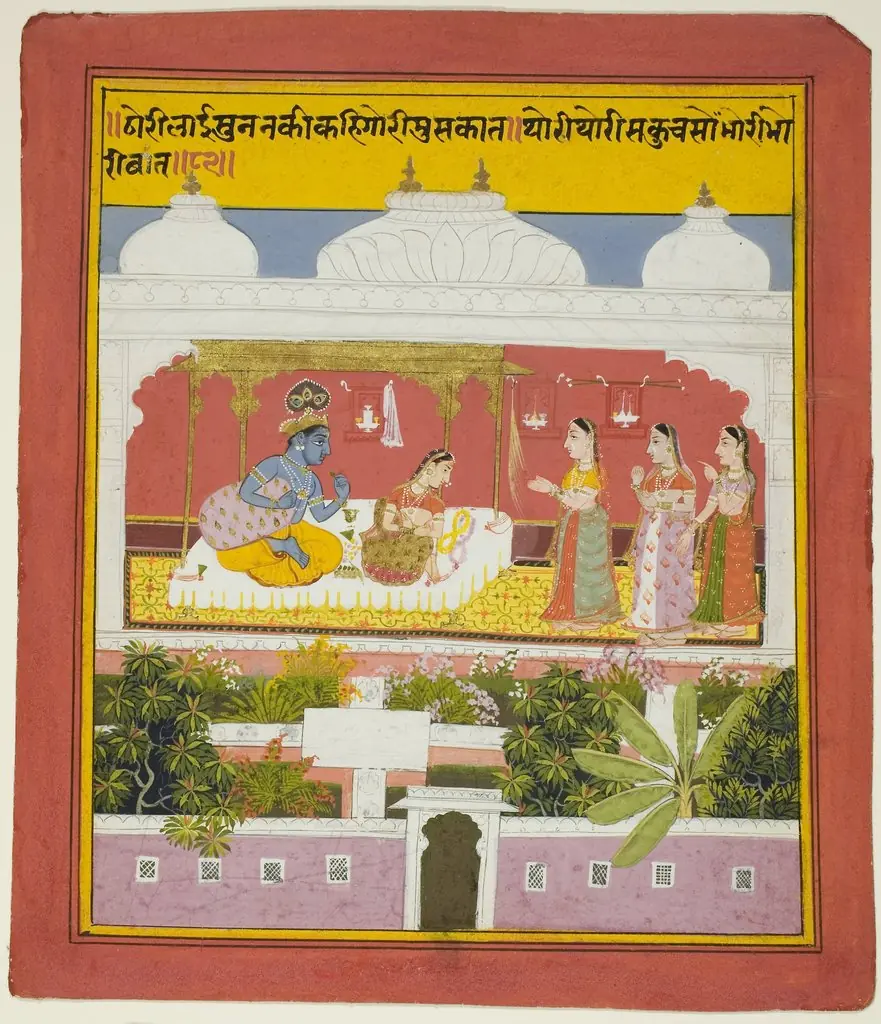 Krishna and Radha in a Pavilion, page from a copy of the Sat Sai Seven Hundred Verses)
 Krishna and Radha in a Pavilion, from a copy of the Seven Hundred Verses (Sat Sai) of Bihari
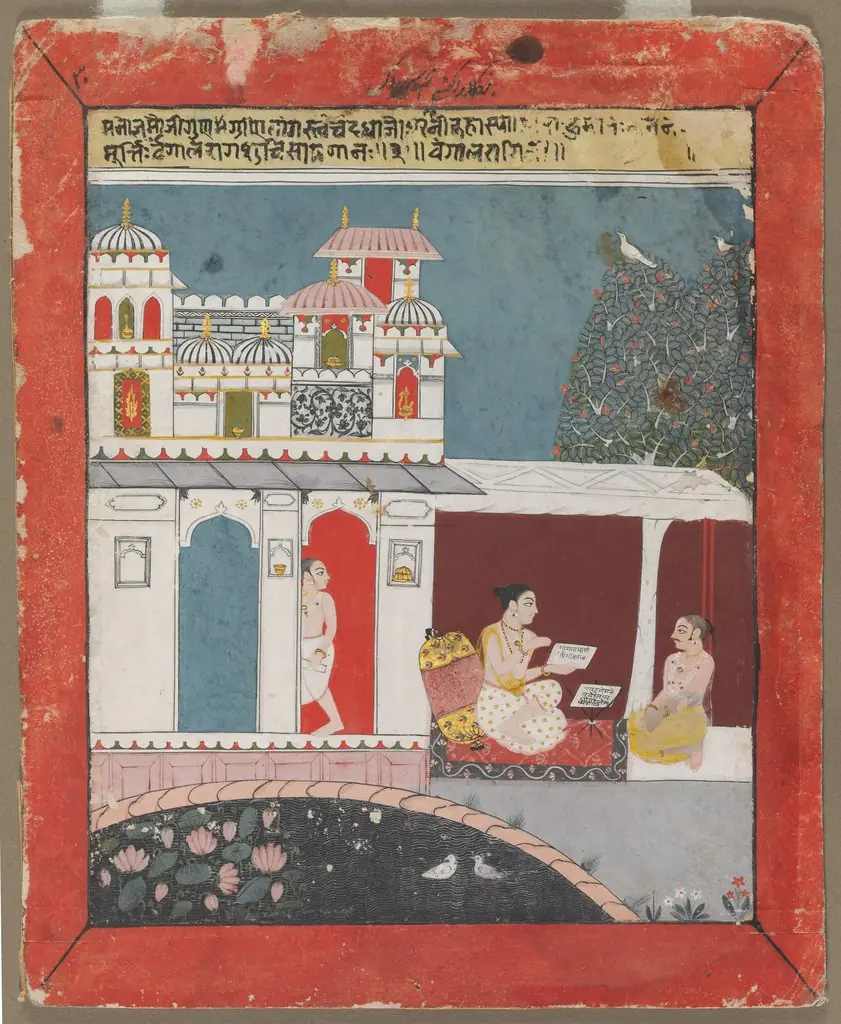 Bangala Ragini
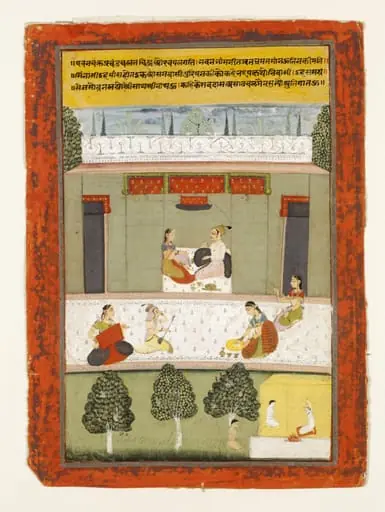 Untitled
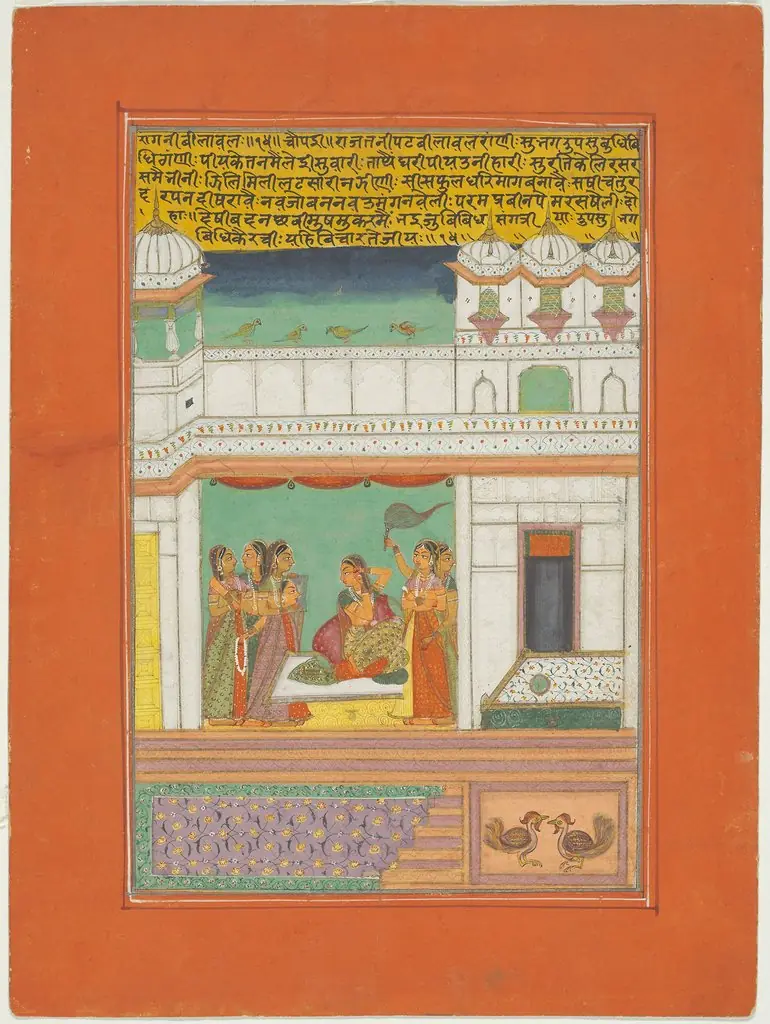 Ragini Bilaval, Page from a Jaipur Ragamala Set
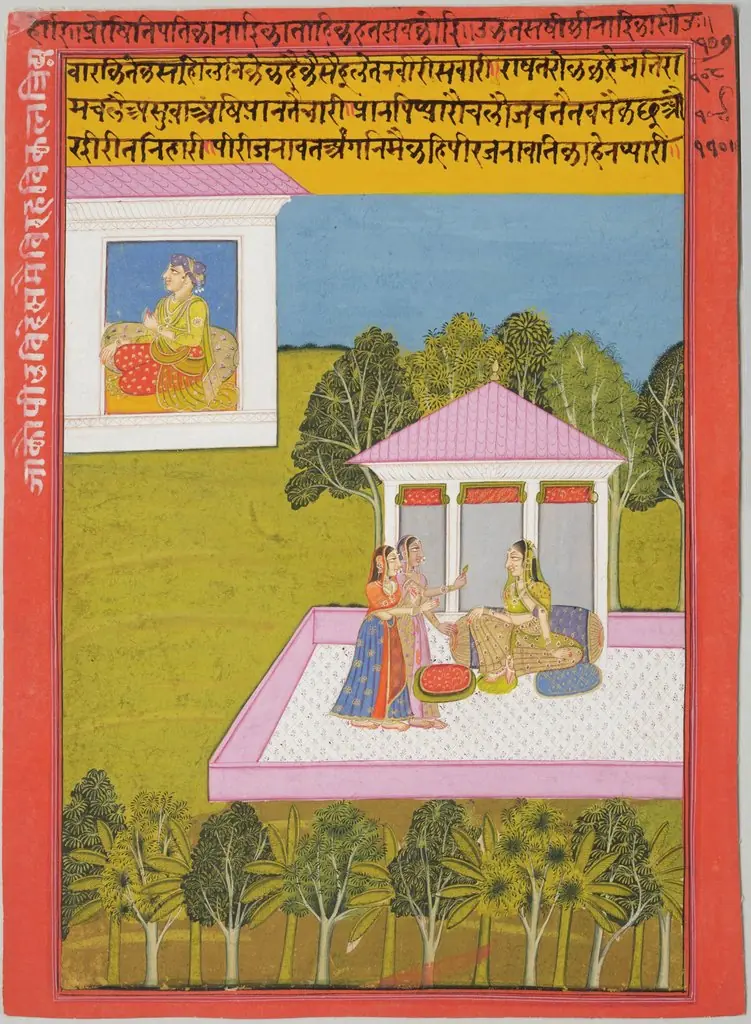 Prince in Pavilion; Princess with Attendants in Court
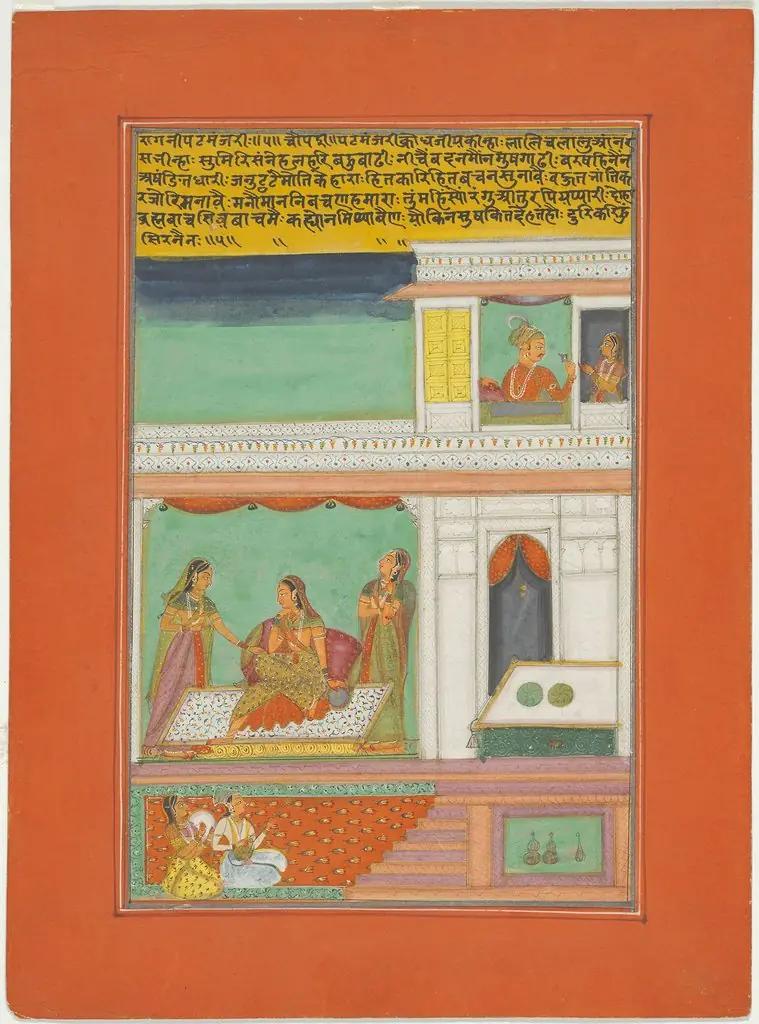 Ragini Patmanjari, Page from a Jaipur Ragamala Set
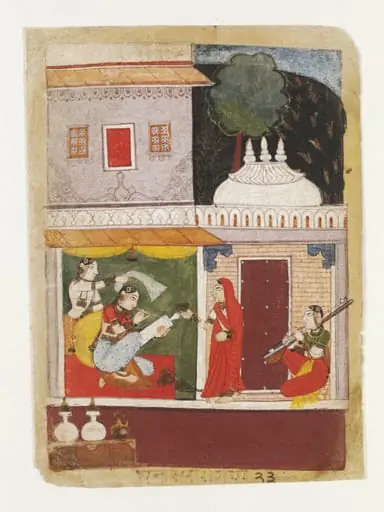 Dhanasri Ragini
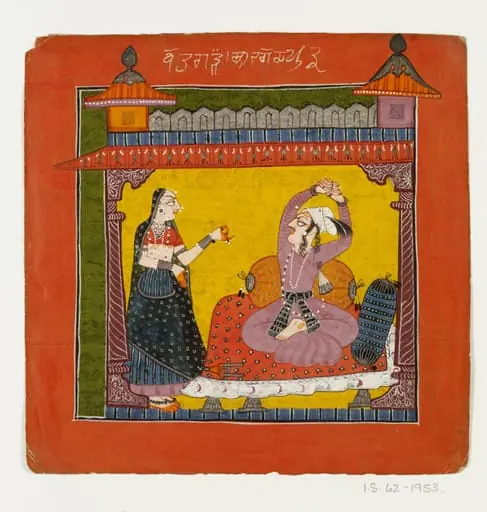 Vahagada (Vihgada) Raga
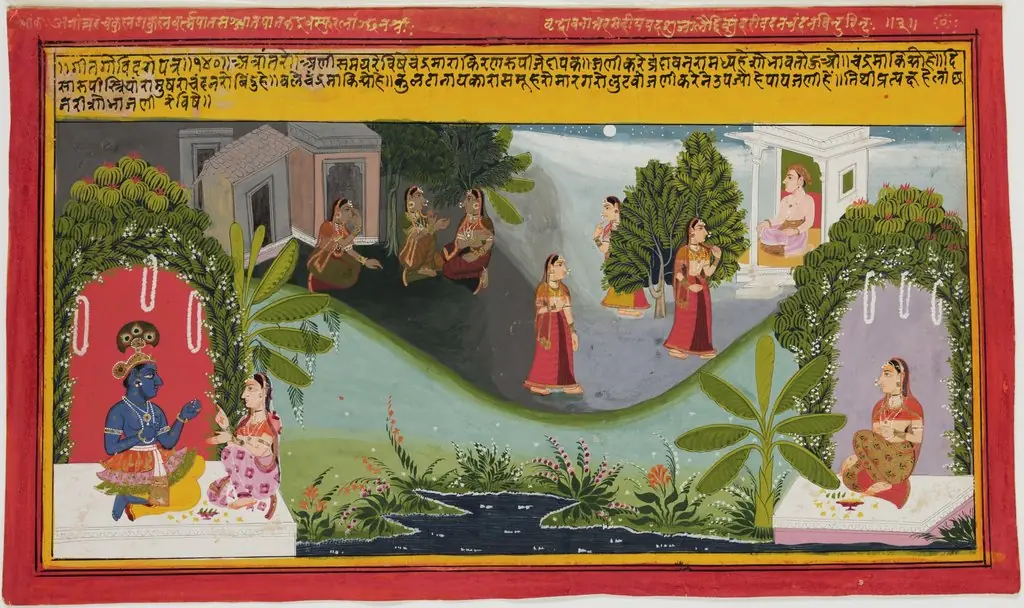 Radha's Attendant Converses with Krishna and Woman Travels By Moonlight to Meet her Lover (page from the Gita Govinda)
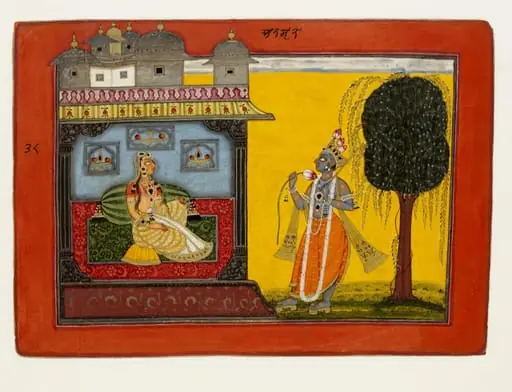 Krishna and Radha
 Hero and Heroine Subject: Lovers in Pavilion; Two Attendants in Courtyard