Artwork
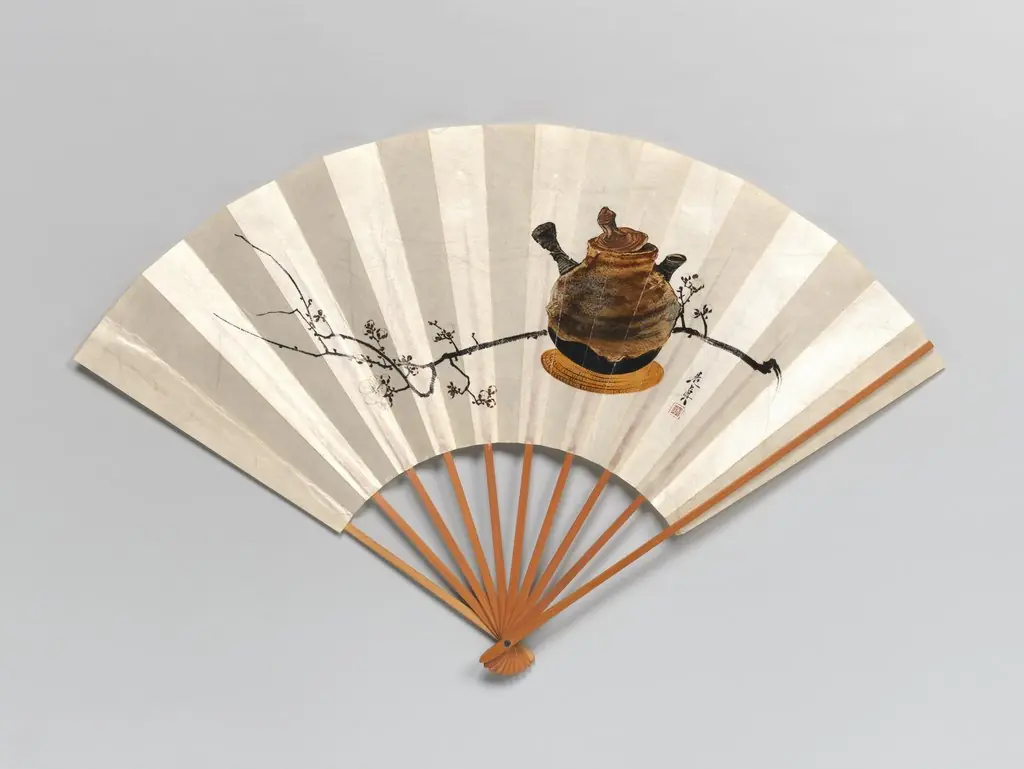
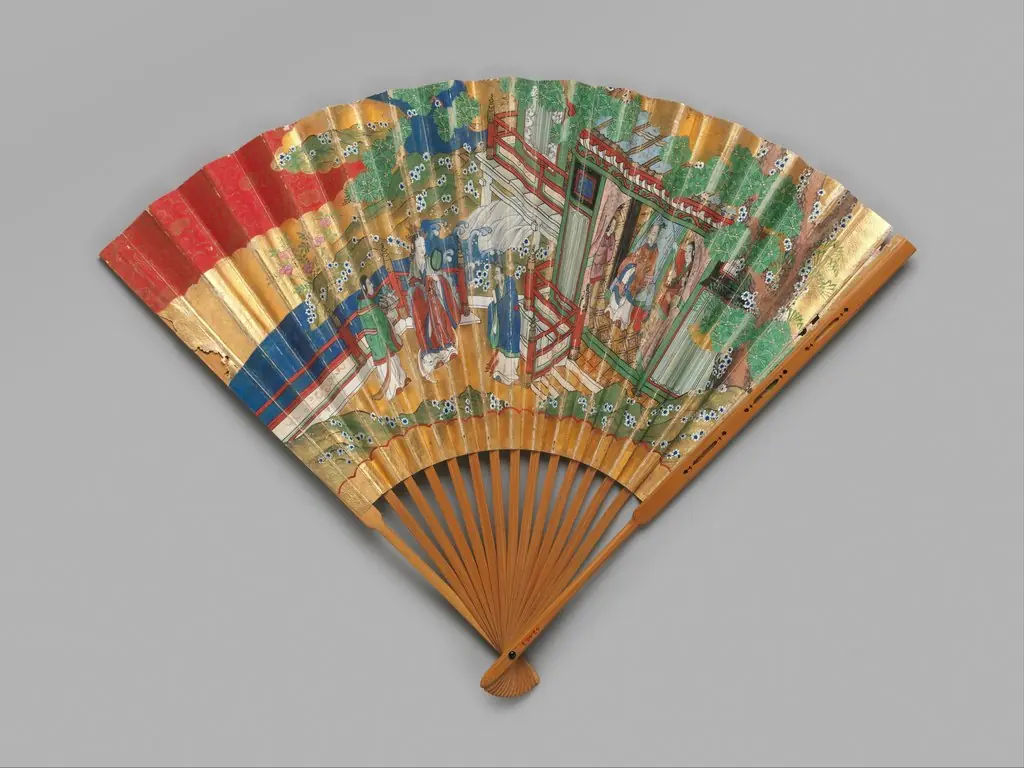
Chūkei Fan with Queen Mother of the West and King Mu of Zhou (obverse) and Plum Tree and Young Pines (reverse)
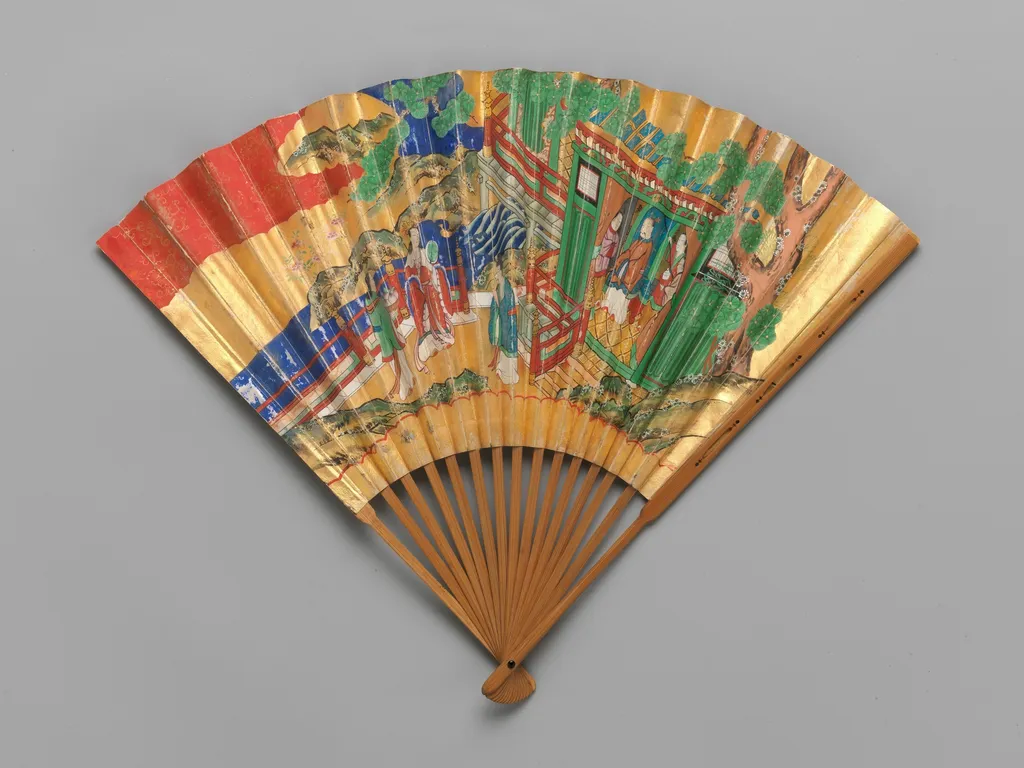
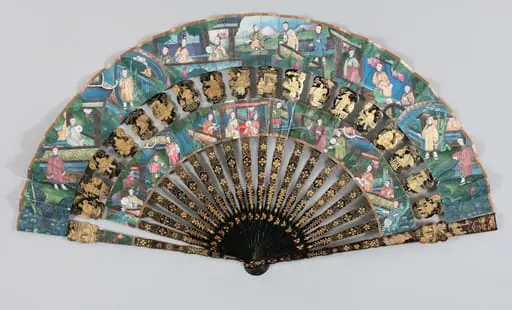
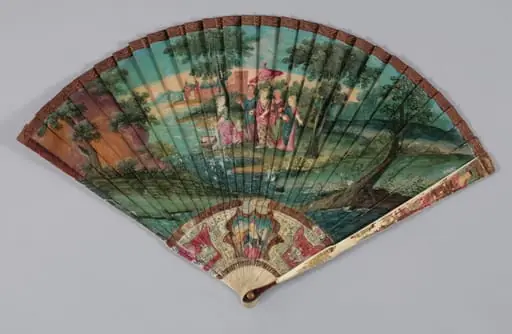
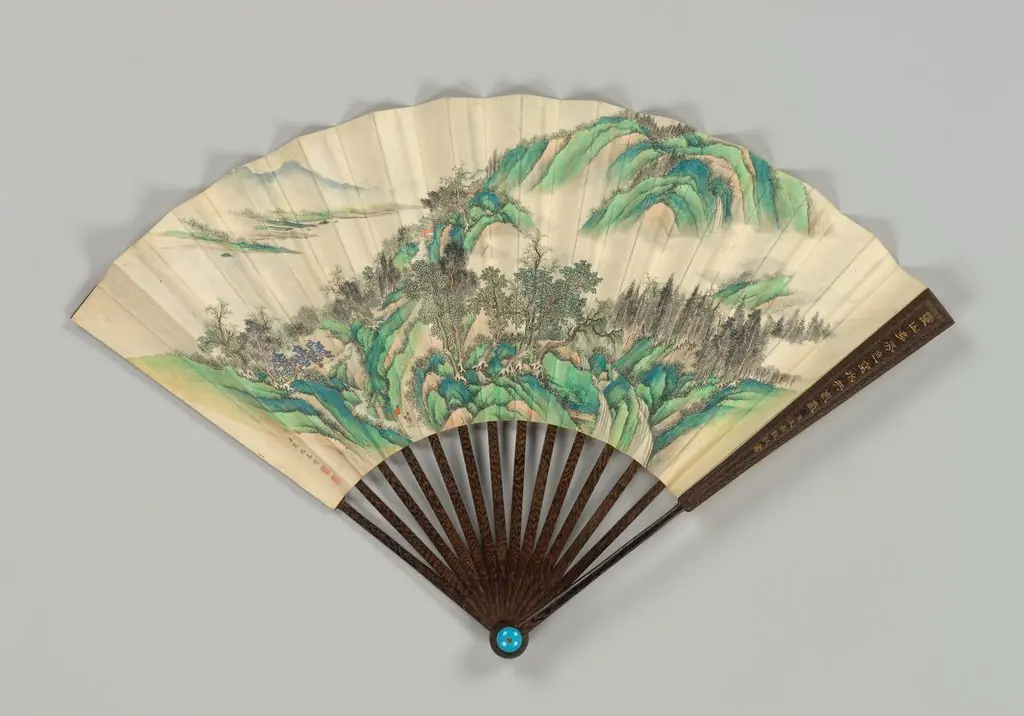
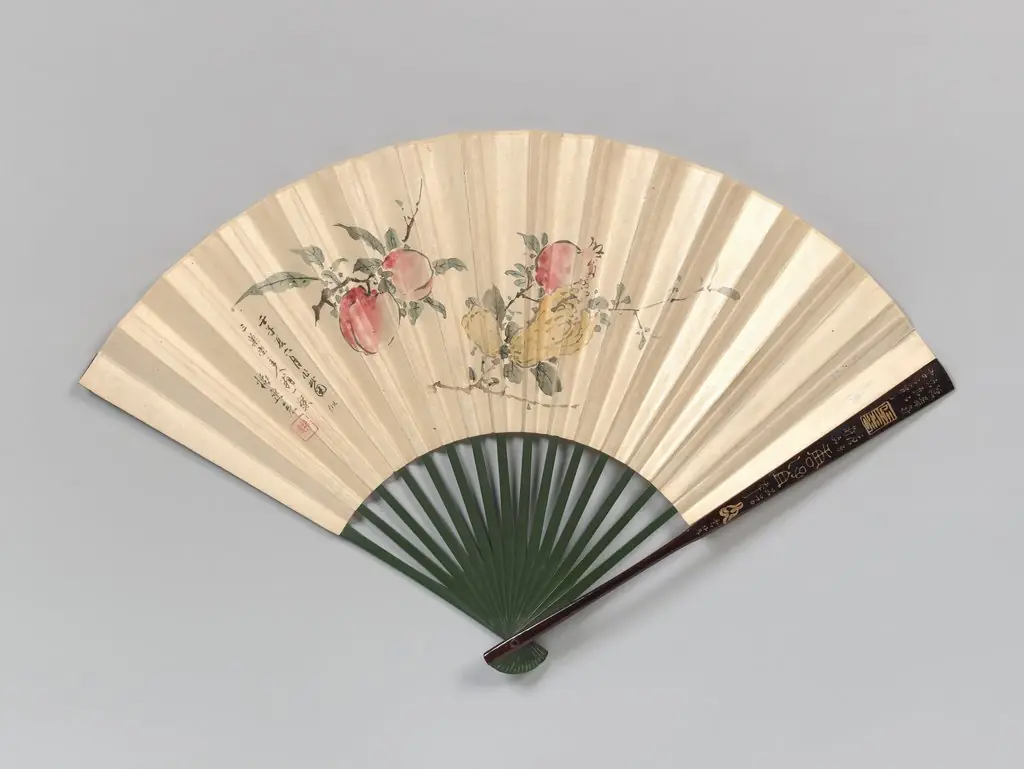
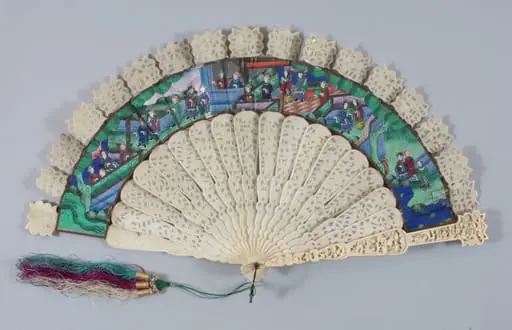
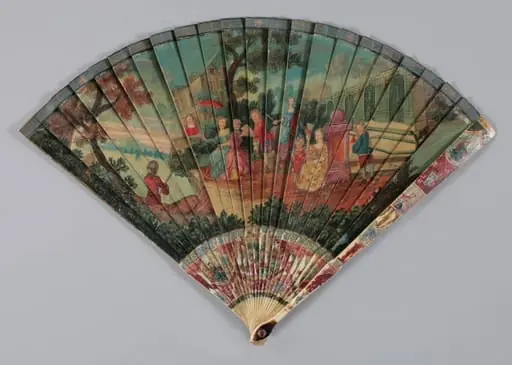
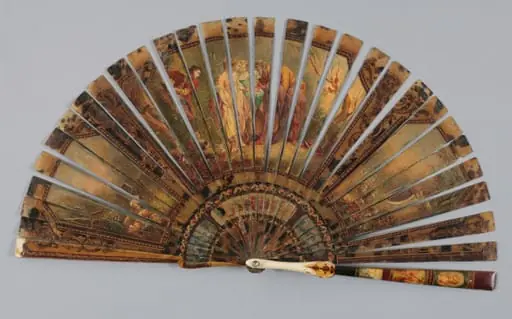
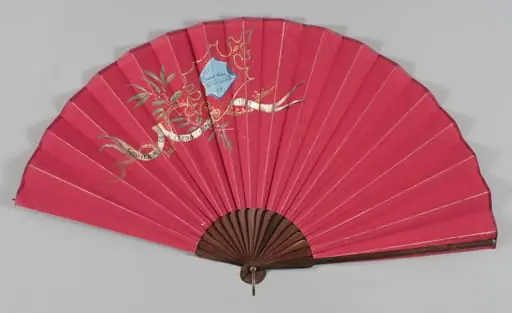
Chūkei Fan with Queen Mother of the West and King Mu of Zhou (obverse) and Plum Tree and Young Pines (reverse) is an unspecified painting by the Ukiyo-e artist Unknown. It dates from 1849 and is held in the collection of the Metropolitan Museum of Art. The object is a hand‑held fan painted on both sides.
About this work
Overview
The obverse depicts the Queen Mother of the West alongside King Mu of Zhou, while the reverse presents a composition of plum trees and young pines.
The object is a hand‑held fan painted on both sides. The obverse depicts the Queen Mother of the West alongside King Mu of Zhou, while the reverse presents a composition of plum trees and young pines. The fan’s surface is set against a gold ground enlivened with red, blue and green pigments, and the painted scene includes figures in traditional Japanese attire, architectural forms suggestive of temples or palaces, and stylized foliage.
Subject & Meaning
The front side draws on Chinese mythological and historical themes, pairing the western deity Xiwangmu with the Zhou dynasty ruler Mu, a pairing that reflects the transmission of Chinese cultural motifs into Japanese decorative arts. The reverse offers a more naturalistic motif, juxtaposing plum blossoms—symbolic of resilience—and youthful pine trees, both traditional symbols of longevity and renewal in East Asian iconography.
Technique & Style
The fan employs mineral pigments applied to a gold‑leaf background, a common practice in high‑status Japanese fan painting of the Edo period. Brushwork combines fine line detailing for figures and architecture with broader washes for foliage, creating a contrast between narrative and landscape elements. The color palette—rich reds, deep blues, and vibrant greens—enhances the decorative quality while preserving clarity of the depicted scenes.
History & Provenance
The fan is a painted hand fan, a portable art form popular among the aristocracy and samurai classes for both practical use and as a status object. While specific ownership records are not provided, such fans were often exchanged as gifts or kept in personal collections, indicating a likely provenance within elite Japanese circles.
Context
Hand‑painted fans served as canvases for literary, mythological, and natural subjects, reflecting the intermingling of Chinese cultural references with Japanese aesthetic preferences. The inclusion of the Queen Mother of the West and King Mu of Zhou illustrates the continued fascination with Chinese legends, while the plum and pine motif aligns with native Japanese appreciation for seasonal symbolism.
Legacy
Objects like this fan exemplify the synthesis of cross‑cultural iconography and refined decorative techniques that characterized Japanese visual culture from the 17th to 19th centuries. They provide insight into the ways elite patrons curated personal objects that combined utility, artistic expression, and symbolic meaning.
Artist & collection

 Domestic Scene
 Giacomo and Cardinal Marco, investing Andrea, Abbot of San Zeno, with his Benefice
 The Nymph of Fontainebleau
 Portrait of a Woman
 Madonna and Child with Saints in the Enclosed Garden
 Venus and Minerva
 Family Group of Four on Sofa
 Wall painting from Room H of the Villa of P. Fannius Synistor at Boscoreale