Artwork
Portrait of a Man
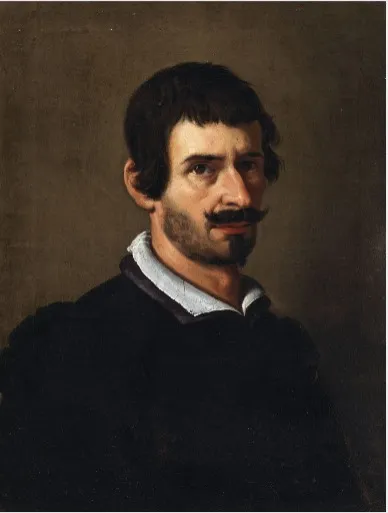
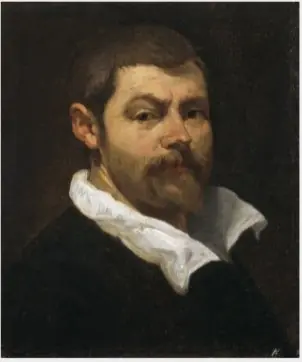
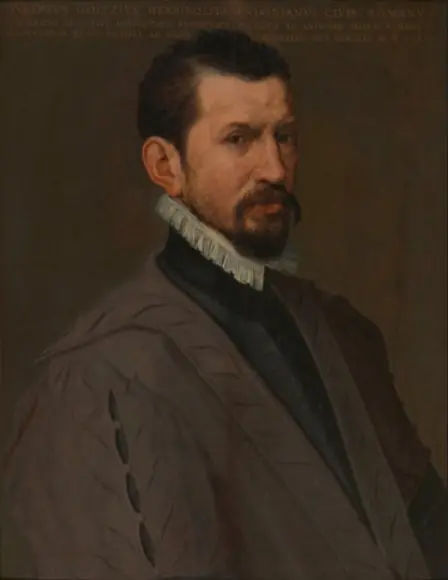
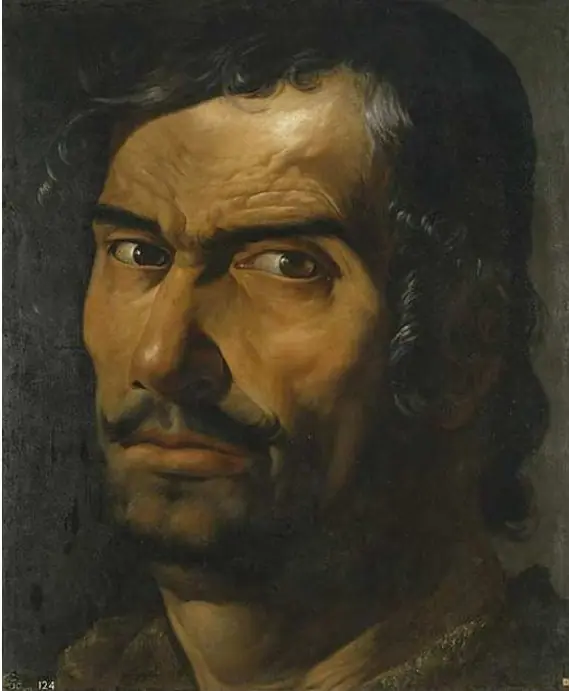
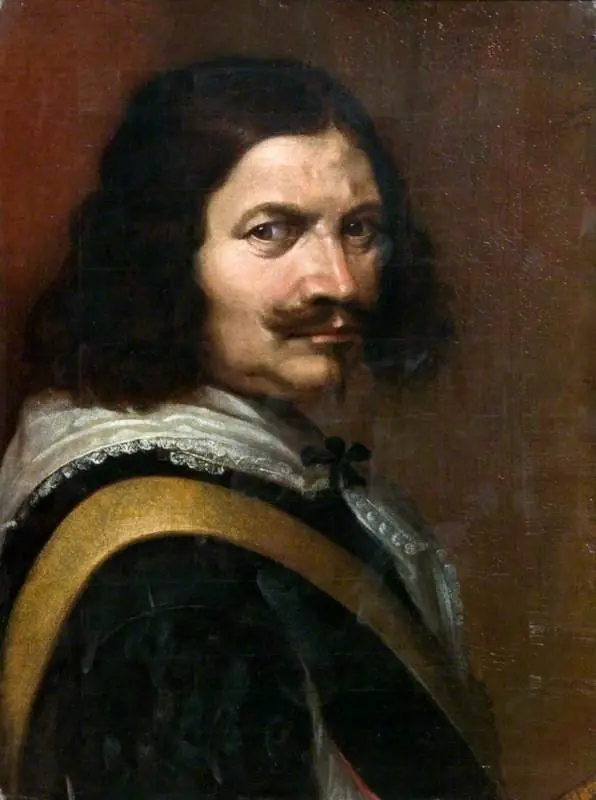
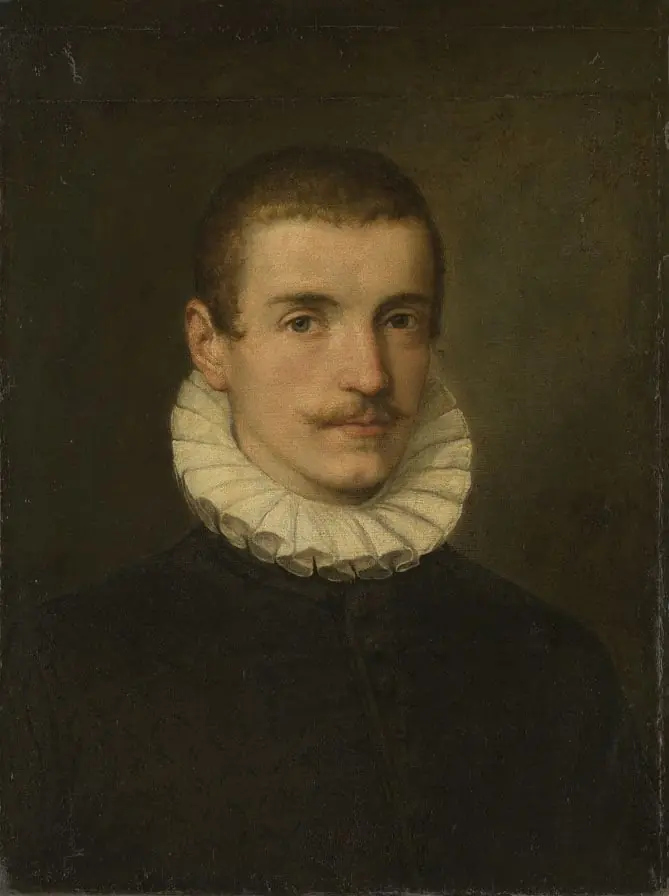
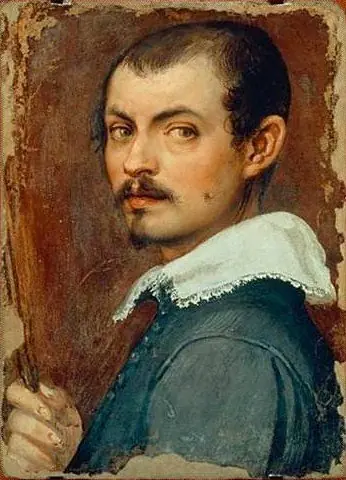
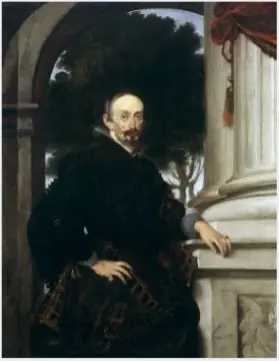
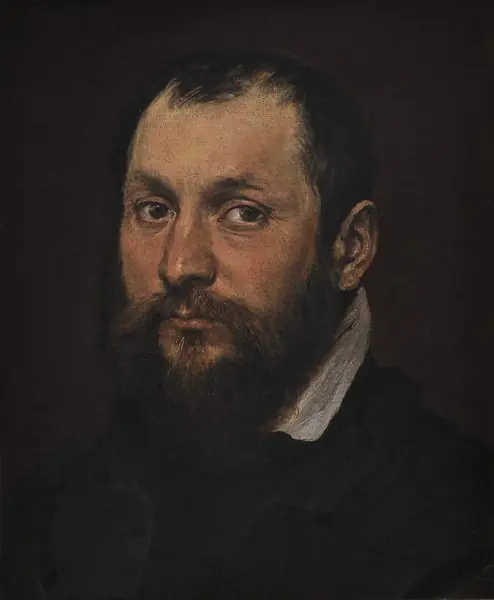
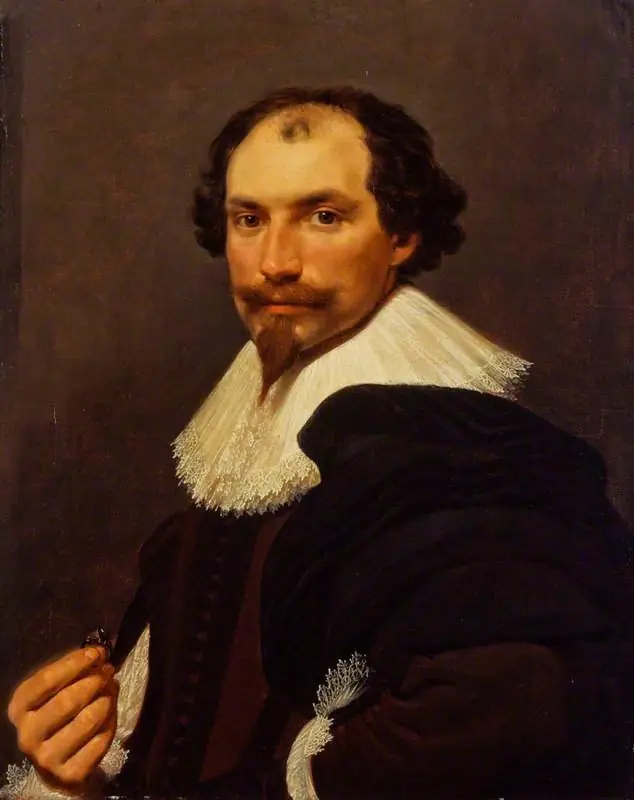
Portrait of a Man is an oil painting by Unknown. It is held in the collection of the National Gallery of Ireland. This oil painting depicts a man in quiet contemplation, rendered with subtle realism.
About this work
Overview
This oil painting depicts a man in quiet contemplation, rendered with subtle realism. Dressed in a dark garment with a crisp white collar, he faces the viewer directly. The background, a soft brown, recedes gently, focusing attention on the figure. The interplay of light and shadow defines his features without overt drama, suggesting a restrained yet intimate presence.
Subject & Meaning
The identity of the sitter remains unknown, but his attire indicates a person of modest means rather than nobility. The absence of symbols or elaborate setting shifts focus to the individual’s expression and presence. The portrait conveys dignity through simplicity, emphasizing character over status, reflecting a humanist approach common in 17th-century Spanish portraiture.
Technique & Style
The artist employs chiaroscuro to model the face and clothing with quiet precision. Light falls softly from one side, defining the contours of the jaw, neck, and collar without harsh contrasts. Brushwork is restrained yet deliberate, with fine details in the mustache and collar suggesting texture without excess. The muted palette enhances the portrait’s introspective tone.
History & Provenance
The painting is attributed to Diego Velázquez, though its exact date and early ownership are uncertain. It likely originated in Spain during the 1620s or 1630s, a period when Velázquez was refining his approach to portraiture beyond court commissions. Its survival in relatively unaltered condition offers insight into his lesser-known private works.
Context
During Velázquez’s early career, Spanish portraiture was shifting from rigid formality toward psychological depth. This work aligns with a growing interest in capturing individuality, even among non-royal subjects. It reflects broader cultural trends in Habsburg Spain, where religious and intellectual life encouraged nuanced representations of the human condition.
Legacy
Though not among Velázquez’s most famous works, this portrait exemplifies his evolving mastery of naturalism. It influenced later artists seeking to portray ordinary individuals with gravity and presence. Its quiet intensity continues to be studied as an example of how restraint can convey profound humanity in painted form.
Artist & collection

 Domestic Scene
 Giacomo and Cardinal Marco, investing Andrea, Abbot of San Zeno, with his Benefice
 The Nymph of Fontainebleau
 Portrait of a Woman
 Madonna and Child with Saints in the Enclosed Garden
 Venus and Minerva
 Family Group of Four on Sofa
 Wall painting from Room H of the Villa of P. Fannius Synistor at Boscoreale